Celebrations bring joy to life if we take them in a proper spirit. They definitely bring joy if we make them as a part of our spiritual practice. If we do not connect celebrations to spiritual practice, then often they become mechanical social activities and ultimately bring boredom and drudgery. Often celebrations bring pain. For example if one is poor and cannot buy gifts and sweets as rich people do, then for him/her Diwali brings more pain than joy. However, if we make Diwali as an occasion to do more spiritual practice, then our joy will be doubled irrespective of how much money we have and how much we spend.
Our forefathers were wise and they connected all celebrations with worship of gods and goddesses. During Diwali, as we decorate our homes and shops, the temples are also being decorated and one of the traditional things to do is to perform a special worship at home and go to temples to pray to God.
Worshiping Mother on Diwali
During Diwali, many worship three goddesses: Maha Kali, Maha Lakshmi, and Maha Saraswati. These are three forms of three gunas: tamas, rajas, and sattva respectively. Prakruti, the Power of God is made out of these three gunas. All three gunas are needed in human life. Sri Ramakrishna used to sing a bhajan “Shyama Maa ki aamaar kaalo…” Is my mother Shyama is of dark complexion? People say it, but my mind does not accept it. Because my Mother manifests in various complexions like fair, yellow, brown etc. and she is also beyond all complexions or forms. When we follow right path, then Mother Kali gives us boons. But, when we take destructive paths forgetting the existence of divinity lying within, then Mother Kali appears to us as a terrible tamasik or destructive reality of life. Maha Lakshmi gives us prosperity and worldly pleasures. Maha Saraswati gives us knowledge to realize our inner divinity, Atman (Soul). People also worship Sri Rama and celebrate Diwali as a beginning of a new era of Sri Rama’s kingdom which is based on values and conducive to the well-being of all. Diwali is a time to worship and pray whatever form of God we like and thus grow spiritually.
A lamp symbolizes Knowledge, Love, and a Purifier
Diwali is also a festival of light. Shri Krishna says in Bhagavad Gita, “Those who love Me (God) and are devoted to Me, I, who is residing in their hearts (as Atman), out of compassion destroy their ignorance with a lamp of knowledge (of Atman).” (Gita 10.11) Lamp is used in all religions of the world. In Vedic time, Rishis and students worship only fire in their Ashramas. Lamp is a symbol of the fire.
Lamp – a symbol of Knowledge, Love & a Purifier:I always tell students that lamp is a symbol of three things: knowledge, love, and a purifier. In the light we see everything clearly. In the darkness we grope around and bumped with things and people. Thus a lamp is a symbol of knowledge. With spiritual knowledge we can live a sane life. Without it we do not know which forces of the mind are acting on us to think, speak, and behave in a certain way. As fire gives us warmth in the winter, spiritual knowledge develops unselfish love in us. There is no warmth like unselfish love. Thus, a lamp is a symbol of unselfish love. Finally, as fire burns everything, spiritual knowledge burns all impurities of our mind. Thus a lamp is a purifier.
Lamp – a symbol of Four Yogas: Lamp is also a symbol of four yogas. The clay holder is a symbol of Karma Yoga (attaining perfection through action) as one has to work to make this clay holder from the clay. Oil is the symbol of Bhakti Yoga, the path to attain God through devotion or love for God. Wick symbolises Raja Yoga, attaining perfection through control on the senses and the mind. To make a wick we have to roll cotton fibers and make the wick pointed at the end. Finally, the flame symbolises Jnana Yoga, a path to attain Self-knowledge through proper reasoning and comtemplation. We have to remember attaining perfection, or God realization, or Self-knowledge are same things.
Now, I will share with you a childrens’ Diwali song which I had written and composed. Unfortunately we do not have Diwali songs that people can sing together. All over India people celebrate Diwali. But, Diwali songs were not developed as the Christmas songs developed in the western countries. I wish poets and musicians can write and compose many popular Diwali songs. It is a great joy to sing such songs on a special occasion.
You can listen to the song by clicking the audio given below and read the words. It was sung by a few of the Vidyapith teachers and students. Here is the song.
Wish you Happy Diwali
We decorate our homes.
We light up our lamps.
We pray to our God.
We greet our friends and family.
Wish you Happy Diwali
We wish you Happiness
We wish you Inner Peace
We wish you good health and prosperity.
Wish you Happy Diwali
Happy Diwali
After celebrating Diwali with spiritual practices, one can enjoy the things associated with Diwali, like rangoli, sweets and fireworks according to one’s capacity and taste.
It is a great joy to use creativity in doing rangoliEnjoy sweet according to one’s capacity -financially and physicallyEnjoy fireworks keeping safety in mind and within financial capacity
Diwali is for Daanam (charity): It is also a tradition to give money to the poor and needy and to the people who work hard to provide our needs like maids, cooks, mail-person and others. Diwali comes to teach us to give.
During my stay at the Belur Math, Kolkata, India, I was fortunate to visit Mahendra Nath Gupta’s (M.’s) house. I will be sharing a few pictures I had taken of his house and a few thoughts related to M. and his house.
Lane leading to M.’s house
Most people are familiar with Mahendra Nath Gupta (M.), the recorder of “Sri Sri Ramakrishna Kathamrita”, (“The Gospel of Sri Ramakrishna”) written in Bengali language. Later, this Gospel has been translated in all major Indian and Non-Indian languages. M. wrote this great immortal book in this house.
Sri Sri Ramakrishna Kathamrit
I have been regularly reading The Gospel of Sri Ramakrishna from my childhood and still each time I read it I get new inspiration from it and I understand the teachings a bit more. Many times when I have questions, surprisingly I find the answers from reading the Gospel. It seems Sri Ramakrishna knew my questions. There is nothing mystical about it. Many have similar experiences. Revered Swami Adiswaranandaji once said that while reading the Gospel, sometimes one feels that some sentences were just addressed to me. I found that according to the state of my mind the teachings of the Gospel appealed to me. Sometimes I wonder whether I had read this portion in the past. I read it before, but it did not draw my attention at that time. It is amazing to see that one can find guidance from the Gospel of Sri Ramakrishna at every step of spiritual journey from the beginning to the God realization.
I learned so much about M., M.’s house and how he wrote the Gospel from Swami Chetananandaji’s book, “Mahendra Nath Gupta (M.)” – The recorder of The Gospel of Sri Ramakrishna, published by Vedanta Society of St. Louis, USA.
Swami Chetananandaji’s book on M.
Sri Ramakrishna said to M. on June 25, 1884, “The other day I thought of going to your house. What is your address?” Sri Ramakrishna could not go to M.’s house. But, after Sri Ramakrishna passed away in 1886, Holy Mother Sri Saradadevi lived with M.’s family on many occasions, sometimes for a week, a fortnight, or even a few months at a time.
Once when Holy Mother was staying at M.’s house, Sri Ramakrishna appeared in her dream and asked her to worship Goddess Durga in M.’s shrine. This was M.’s wish which Sri Ramakrishna could not fulfill. On October 8, 1888, Holy Mother installed Sri Ramakrishna’s picture and Sri Chandi Mangal Ghat (a sacred urn filled with water in which Goddess Durga is invoked) on the altar of the shrine on the third floor. At that time M. named his house, “Thakur Bari” (The Master’s House). Holy Mother initiated many devotees in M.’s shrine. Swami Vivekananda and many other direct disciples had meditated there. Holy Mother, Swami Vivekananda, M. and other disciples of Sri Ramakrishna used the same wooden staircase which is still there to go on to the third floor. When I was climbing up the staircase I felt I am touching the past. At that time the presence of Holy Mother, Swami Vivekananda and M. and also of Sri Ramakrishna became real.
Entrance of M.’s houseGoing upstairsSri Ramakrishna’s chappals, Sri Chandi mangal Ghat, ShrineHoly Mother’s footprints
Adjacent to the shrine is an annex, and next to that is the roof where M. planted flowering trees in tubs. Swami Vivekananda, M. and other devotees meditated on the roof for hours.
Holy Mother stayed on the second floor. M. had collected the relics of Sri Ramakrishna and Holy Mother, Sri Ramakrishna’s shirt, shawl, chappals, a water pot, a small jug, and the ink pot that M. had used to write the Gospel have been preserved in the room of the second floor. Sri Ramakrishna gave a picture of Sri Chaitanya and his kirtan party to M. as a gift. Sri Ramakrishna kept this picture in his room till he moved to Kolkata in later years. This picture has been kept on the wall of this room.
Second floorM.’s CappalsA page of M.’s diary
M. just wrote few words in his diary. Before writing down the whole incident and conversation, M. meditated several times on the incident and when the whole incident came back to his mind, then he wrote it down.
Swami Nikhilananda, the founder and Spiritual Head of Ramakrishna Vivekananda Center, New York (1933-1973) did an excellent translation of “Sri Sri Ramakrishna Kathamrita” from Bengali to English and gave a title, “The Gospel of Sri Ramakrishna.” Thus, the teachings of Sri Ramakrishna were introduced to the western world. In its forward the famous English writer Aldous Huxley (1894-1963) wrote the following:
“”M”, as the author modestly styles himself, was peculiarly qualified for his task. To a reverent love for his master, to a deep and experiential knowledge of that master’s teaching, he added a prodigious memory for the small happenings of each day and a happy gift for recording them in an interesting and realistic way. Making good use of his natural gifts and of the circumstances in which he found himself, “M” produced a book unique, so far as my knowledge goes, in the literature of hagiography. No other saint has had so able and indefatigable a Boswell. Never have the small events of a contemplative’s daily life been described with such a wealth of intimate detail. Never have the casual and unstudied utterances of a great religious teacher been set down with so minute a fidelity….”
Swami Nikhilanandaji’s book “The Gospel of Sri Ramakrishna”
Swami Vivekananda’s lectures and The Gospel of Sri Ramakrishna played a significant role in making people aware of the life and teachings of Sri Ramakrishna all over the world. Many great personalities have expressed their tribute to Sri Ramakrishna.
Leo Tolstoy called Sri Ramakrishna a “remarkable sage.”
Romain Rolland considered Sri Ramakrishna to be the “consummation of two thousand years of the spiritual life of the three hundred million people.”
Mahatma Gandhi wrote, “Sri Ramakrishna’s life enables to see God face to face. He was a living embodiment of godliness.”
Maharshi Aurobindo wrote, “When skepticism had reached its height, the time had come for spirituality to assert itself and establish the reality of the world as a manifestation of the spirit, the secret of the confusion created by the senses, the magnificent possibilities of man and the ineffable beatitude of God. This is the work whose consummation Sri Ramakrishna came to begin and all the development of the previous two thousand years and more since Buddha appeared has been a preparation for the harmonization of spiritual teaching and experience by the Avatar (Incarnation of God) of Dakshineshwar (Sri Ramakrishna).”
Jawaharlal Nehru described Sri Ramakrishna as “one of the great Rishis of India, who had come to draw our attention to the higher things of life and of the spirit.”
After M. published second leaflet of the part of “The Gospel of Sri Ramakrishna,”
Holy Mother Sri Sarada Devi wrote to M. on July 4, 1897, “My dear child, whatever you heard from the Master was true. You should not feel any fear in publishing them. At one time he left those teachings in your custody, and now he is bringing them to light through you. Know for certain that people’s spiritual consciousness will not be awakened without bringing out those teachings… One day while I was listening to your manuscript, I felt as if the Master was saying all those things.”
Swami Vivekananda wrote to M. on November 24, 1897, “My dear M. Many many thanks for your second leaflet. It is indeed wonderful. The move is quite original and never was the life of a great Teacher brought before the public untarnished by the writer’s mind as you are doing. The language also is beyond all praise-so fresh, so pointed and withal so plain and easy. I am really in a transport when I read them. Strange, isn’t it? Our teacher and Lord was so original and each one of us will have to be original or nothing. I now understand why none of us attempted his life before. It has been reserved for you-this great work. He is with you evidently. P.S. Socratic dialogues are Plato all over. You are entirely hidden. Moreover, the dramatic part is infinitely beautiful. Everybody likes it here and in the West.”
Sri M. (Mahendra Nath Gupta)
Holy Mother once remarked about M., “Is he an ordinary man? He has recorded so many teachings of the Master. Is there any other avatar whose picture and conversations have been taken and recorded in such detail? It as if the Master himself is speaking in M.’s book.”
The following are three famous shlokas of the famous collection of hymns of the Mother of the Universe Durga. The collection is called “Shri Durga Saptashati,” which means 700 verses regarding Mother Durga.
I will give a very simple meaning of these three shlokas which are recited regularly in thousands of Hindu temples, and Ashrams, and in millions of homes. I will also share few of my thoughts related to these shlokas.
Sarva mangal maangalye Shive sarvaaratha saadhike
Sharanye tryambake Gauri Naaraayani namostu te (11-10)
Gunaashraye gunamaye Naaraayani namestu te (11-11)
Sharanaagata dinaarta paritraana paraayane
Sarva syaarti hare Devi Naaraayani namostu te (11-12)
Sarva mangal maangalye – Mother Durga is most auspicious among those that are auspicious
One finds word “Mangala” in several Hindu hymns, like “Mangalam Bhagavan Vishnu, Mangalam Garudadhwaja…” or in a bhajan of Lord Hanuman, “Mangala murati….” Why and how Mother Durga, or Lord Vishnu, or Lord Hanumana is auspicious? We have to experience this fact. Without having any experience of this auspiciousness, these will be just words. Suppose we repeat thousand times “Himalayas are great.” But, without seeing Himalayas, we cannot comprehend the greatness of the Himalayas. Similarly, we have to do spiritual practice, make spiritual progress, and go near Mother Durga, or any form of God to feel Her/His auspiciousness. When we go closer to God in the form of Mother or Father or Formless Brahman, we see positive transformation in our lives and then we appreciate their auspiciousness. We feel that our lives were blessed by spiritual progress. After that experience these words mean much more to us.
Shive – One who brings good to us
As Lord Shiva brings good to all, Mother Durga brings good to all. Actually, Shiva and Shakti (Universal Mother) are same. Shakti is the power of Shiva which manifests in the role of creation, preservation, and dissolution. Again, through spiritual progress we can realize how Mother Durga brings good to our lives. This does not mean that we always have a good time and miseries do not come. Miseries do come. But, we think that these miseries are sent by the Mother and they may have some underlying purpose. We try to avoid miseries, but if they come, then we have to go through them and wait till we understand their purpose. Swami Vivekananda said that many times we learn greater lessons from miseries than from happiness. It is a fact that miseries had made many great people. If we do not take this attitude, then we fall apart in miseries. It is our choice.
SarvaarthaSaadhike – Mother fulfills all our legitimate desires
Not all desires are bad. We can have desires to be virtuous, to develop knowledge and devotion. Also, when we make spiritual progress, then we realize that some of our desires are harmful to us and some are foolish. We drop such desires. We also realize that Mother fulfills our legitimate worldly desires. Finally, when God-realization comes, then we have such infinite bliss that we do not need any desire. We desire to be happy. When we attain infinite bliss then we do not need any desire.
Sharanye – Universal Mother is the only refuge for us all
Why should we take refuge of a person or a place which has limited capacity? Why not take refuge of the Universal Mother who had created the sun, the earth, all beings, food and everything that exist and she is taking care of us all? One can say that in practical life we may have to take refuge of a person or a place. It is true. But, in that case, we have to think that the Universal Mother is giving us refuge through this person or a place. This way we have self-dignity and we do not become a slave of a person or a place. All Saints and Sadhus who have renounced everything, they completely depend on God. And they experience how God takes care of them. We find many such incidences in the life of Swami Vivekananda during his life as a wandering monk. He had taken refuge of the Universal Mother and in critical times Mother took care of him in various ways.
Tryambake and Gauri– Both are names of Mother Parvati. Again, Shiva and Shakti are same. Just as Shiva has an eye of Knowledge, Universal Mother has an eye of Knowledge. Gauri is another name of Mother Parvati, the power of Lord Shiva.
Naaraayani – Naraayana is Lord Vishnu. Naraayani is the power of Lord Vishnu. Narraayana also means God who is omnipresent, who is everywhere. The Mother of the Universe is also omnipresent. We are all children of the Mother. The Universal Mother is living through us and is manifesting through the whole universe.
Namostu te – I salute to the Mother Durga.
Saluting means respecting Mother and making Her the ideal of our lives.
Srushti-sthiti-vinaashaanaam shaktibhute – Mother is the Power of God that creates, preserves, and dissolute the universe.
We have to admit that there is some power which had created this universe, is preserving this universe and can destroy or dissolute this universe in any minute. If this power wants to destroy this universe, then no human power or science or religion can save it. Sri Ramakrishna says that God laughs when a doctor says, “Don’t worry mother, I am going to save your son.” He does not know that the son is going to die. Sooner we understand this fact that God creates, preserves, and destroys or dissolute, better for us. Then, we do not talk foolish things and do not behave as an ignorant person. Doctors do save life. But, sensible doctors know that everything is not in their hands.
Sanaatani – Mother Durga (the Power of God) is eternal.
Everything in this universe is for a short time. Anything that is created is going to die or parish. This is an undeniable fact. Only Brahman or Its manifestation (its Power Mother Durga) is eternal. The Universe comes out from Brahman, remains in Brahman and merges in Brahman. One may call it Cosmic Consciousness or by any other name. Scientists also tell the same thing. One day this universe will consolidate into energy and merges with the energy.
Gunaashraye – Mother Durga is a support of three gunas – sattva, rajas, and tams.
According to the Sankhya Philosophy, this universe is made out of Purusha (Consciousness) and Prakruti (Matter). Both are eternal. Prakruti (which is also considered as the Power of God) is made out of three gunas; sattva, rajas, and tams. The whole universe is functioning because of the imbalance of these three gunas. When the three gunas are balanced all the activities of the universe stop and it merges into Purusha or Brahman. This is an excellent way explaining the activities in the universe. One has to study in greater detail to understand this explanation. In Bhagavad Gita, these three gunas have been described in detail, especially in chapters 14, 17, and 18.
Gunamaye – Mother Durga is full of virtues.
We ask Mother to help us in developing virtues in us. Sri Ramakrishna says that when a king is coming to someone’s house, then one can see that roads leading to his house are paved, trees and plants are planted on this road, house is fixed, excellent furniture arrives etc. Thus, when one is going near God, then all the virtues like compassion, unselfish love, truth, non-violence, forgiveness and others manifest in the life of that person.
Sharanaagata-dinaarta – One who has surrendered to Mother, is humble, and suffering (another meaning is intensely desiring to realize Mother’s presence in everything).
Three words are important; to surrender, having humility and inner urge to realize the Mother or God.
Sharanaagata – One who has surrendered.
What does it mean by ‘surrendering to the Mother’? It means to realize that in reality the Mother is doing everything and we are just Her instruments. Bhagavad Gita says to renounce ‘doer-ship’ and ‘owner-ship.’ Sri Ramakrishna used to sing a bhajan, “Sakoli tomaari ichhaa,” meaning, “O Mother! You are doing everything, but people say that ‘we do it.’ O Mother! We are the machines and you are the operator.’ He also said that the way a house-maid takes care of everything of a master’s house as if all belong to her, but in her mind it is clear that nothing belongs to her, similarly we have to live in this world taking care of everything but keeping in mind that everything belongs to the Mother. We do not even have control on our body and all the systems working in our body. If we realize this then we feel the presence of the power of God, or the Universal Mother.
If we surrender, then we will have peace of mind. We do not take the burden of the world on ourselves. We do not worry for which we cannot do anything. Just as a child is worry-free in the presence of his/her mother, we will be worry-free thinking that the Mother will take care of us. Sri Ramakrishna used to say that just like a child he just eats, sleeps, and enjoys living in the world being completely dependent on the Mother.
There are three kinds of surrender: a monkey baby holding its mother, a kitten being held by its mother cat, and a dead body carried by people. When we hold on to God as a baby-monkey holds its mother, then there is a fear of falling. After some spiritual practices, when the Mother or God holds our hands, then there is no fear of falling, means giving up spiritual practice or start living improper life. One can complain like kittens when the Mother puts one in uncomfortable situations. Surrendering like a dead body means no complain at all. Whatever the care-takers do to the body, it is okay. That means one is completely dependent on the Mother in any situation of life. This does not mean that a person becomes inert. But, in this state person has such deep conviction that the Mother does everything, then why to worry. Just keep performing once responsibilities and let no other thoughts come and disturb the mind.
Dina – one who is filled with humility.
In this state, one prays, ‘O Mother of the Universe! I am devoid of virtues. Please help me develop virtues in me. I have many weaknesses. I am trying to get rid of them, but I am not getting successful. I need your help. I cannot focus my mind. My mind is difficult to control. Help me Mother.’ All great Saints and Sadhus had expressed such feelings. For example, Shri Shankaraachaarya said in a hymn, “Matsamah paataki naasti…,” “O Mother! There is no sinner like me and there is no purifier like you. Knowing this do whatever is appropriate.” One saint said, “Mo sam kaun kutil khala kami,” meaning “who else is wicked, crook, and lustful than me?” Then, the saint asked for help from God to get rid of these weaknesses. One saint said, “I went to the world to look for a bad person. I could not find any bad person. When I saw my mind, I found that I am the worst person.” This is not to degrade oneself. But, one who is sincerely trying to become a good person goes through this stage. Vedanta says that each person is potentially divine. So, this state is a passing state for the person who is trying to realize his/her divinity within. It is not the final state. However, if one thinks out of ignorance that ‘I am great, I am good, I do not need to improve’ does not improve at all and does not realize the divinity either. A true seeker knows that perfection has no limit. The sign of knowledge is humility. A knowledgeable person knows one’s limits.
Aarta – One who is suffering.
Mostly people suffer because they do not get what they want in the world or are going through miserable situations in life. However, there are few people who have everything in the world and are not going through miserable situation, but they are sad because they are not making enough spiritual progress. Sri Ramakrishna, in his initial stage of spiritual practices, was crying profusely seeing sunset. He will roll on the ground crying and thinking that ‘Another day had passed and I have not realized God. Is my life going to be wasted without the vision of the Mother?’ Intense desire is needed to make spiritual progress and to realize God. Sri Ramakrishna said that, ‘People weep profusely for children, spouses, family, money, and pleasures, but who cries for God? If one sincerely cries to realize God, then definitely one can realize God.’ When one feels that I will die without being with God, just like a child feels lost without mother, then one can realize God.
Paritraana-paraayane – Mother is engaged in removing the suffering and lifting up devotees (who have surrendered, are humble, and had intense desire for spiritual progress)
Universal Mother is the Mother of all and is engaged in removing suffering of all. But, people who are busy in enjoying the worldly objects and not aware of the Mother’s presence do not see this compassion and love. Sri Ramakrishna says that as long as child is busy in playing toys, mother gets her work done in the kitchen. But, when a child throws away all the toys and cries for the mother, then mother gives up all work and takes the child in her lap. Those who have surrendered to the mother, are humble, and have intense desire to see Mother, then Mother helps these people to achieve their goal.
Sarvasyaartihare Devi – Mother removes all miseries
When we do spiritual practices and go towards the Mother, then we become aware of everything that is going in our mind. We realize that many miseries were self-created. Their causes are our useless desires and fancies. We drop them off and we get relief from the miseries. Sri Ramakrishna said that a kite caught a fish and sat on a tree to eat it. But, several crows followed the kite and would not let the kite eat that fish. Wherever the kite went, crows followed it. Finally, the fish was dropped from the kite’s mouth and all crows followed the fish and the kite was at piece. Thus, miseries like crows follow our desires. When unnecessary desires are dropped, miseries go away. There are unavoidable miseries. But, if we go closer to the Universal Mother, then she gives us strength to face these miseries. Many times in miseries we go closer to the Mother and feel peace of mind.
Naaraayani Namostu te – I salute to the Universal Mother
We salute to the Mother and ask for knowledge and devotion.
Holy Mother Sri Saradadevi and Sarva Mangal Mangalye…
Holy Mother Sri Sarada Devi
At the end of March 1911 Holy Mother with a few devotees went to Banglore as a part of her pilgrimage in South India. One evening Holy Mother went to a hill of rocks in the back of the Ramakrishna Mission Ashrama and sat there to do japa. Swami Ramakrishnananda (Shashi Maharaj) who was sent by Swami Vivekananda in the South India to inspire the devotees and who started all the Ramakrishna Ashramas there heard that Holy Mother had climbed up the hill. He was worried about her. He immediately went up the hill and found that Holy Mother is sitting quietly there and doing japa. He saw her as Godess Parvati. Swami Ramakrishnananda’s heart was filled with devotion and he recited “Sarva mangala maangalye….” and saluted Holy Mother. Then, Holy Mother blessed him. We find that in all Ramakrishna Mission Ashramas and all places where Sri Ramakrishna and Holy Mother are worshipped, this hymn is being sung every day as a part of Aratrikam.
Happy Navaratri to people who are celebrating during October 5-13, Durgashtami on October 12th and Dushera on October 14th.
‘Worshiping God as Mother’ is a wonderful way to think of God and express our love. Most of us have enjoyed love of our mothers.
I asked students (KG-12th graders), “I know why you do not like your mothers. It is because she wakes you up early to go to school, she asks you to keep your room clean, scolds you when you do not behave well, makes sure you study and do not fool around, etc. But, let me ask you, why do you love your mother?” The answers were, “Because she loves us, she takes care of us, she gives us food, she gave us births, and many more reasons.” Now, imagine about a mother who loves all children equally as her own children, young and old, irrespective of their color, creed, culture, religion, power, position, wealth, virtues, or any external thing. Think of this mother, who gave birth to all beings and everything that exists in the universe, and mother who provides us food and all necessities for our growth. This is the Universal Mother who is being worshiped for nine days and nights.
Sri Ramakrishna says that this Universal Mother is the active aspect of God. When the Divine Power is inactive, we call It Brahman or Shiva. When It creates, nourish and dissolves the universe, then we call It as Mother Kali or Durga, or Shakti. Brahman and Shakti are identical. Fire is in wood as unmanifested, but when it burns and cooks our food then it is the manifested fire. Thus, Brahman or God in inactive state is Infinite, and Unmanifested, but in an active state It manifests as Universal Mother, the power of Brahman.
The Universal Mother has a key to open the door of Brahman. Only by her grace we can realize Brahman or God. We cannot negate Her existence. We cannot fight with Her power. If we live a proper life, she showers her blessings and if we live improper life, then she punishes. Mighty Mahishasur ignored Her power and he was punished.
Let us feel the love of the Universal Mother as we feel love of our own mother. Let us sing Her glories and ask Her blessing to realize our true identity which is Atman.
Happy Dushera: Fireworks is fun. But, we have to destroy Ravana (ignorance and impurities of our mind) who had kidnapped our intellect by misguiding us. This intellect as Sitaji, should be with Atman, Rama. Once our intellect is focused on Atman and we realize Atman, then, we will have real peace of mind, satisfaction, fearlessness, and fulfillment of life.
Mahatma Gandhi was born on October 2, 1869. He was six years younger than Swami Vivekananda. We see that many of Swami Vivekananda’s teachings were exemplified in Mahatma Gandhi’s life, especially to love poor and the untouchables, and serve them as God, and treat all human beings equally with respect irrespective of their religions and other external differences.
Mahatma Gandhi at Sabarmati Ashram
The famous scientist Albert Einstein said, “Generations to come, it may be, will scarce believe that such a one as this (Mahatma Gandhi), even in flash and blood, walked upon this earth.”
Great personalities on Mahatma Gandhi
The famous writer and thinker Romain Rolland wrote Mahatma Gandhi’s biography in 1924. At that time Mahatma Gandhi’s launched movement had failed to win its objective. Mahatma Gandhi was in jail atoning, Christ-like, for the failing of his own countrymen. Romain Rolland wrote this biography to fully support Mahatma Gandhi. For him Gandhiji was the dawn of new hope for humanity. They both met in 1931 and then remained friends till end.
Mahatma Gandhi and Romain RollandThe following is a wonderful word-picture of Mahatma Gandhi written by Ramain Rolland.
“… a small frail man, with a thin face and rather large protruding eyes, his head covered with a little white cap, his body clothed in coarse white cloth, barefooted. He lives on rice and fruit, and drinks only water. He sleeps on the floor-sleeps very little, and works incessantly. His body does not seem to count at all. There is nothing striking about him-except his whole expression of “infinite patience and infinite love.”
W.W. Pearson, who met him in South Africa, instinctively thought of St. Francis of Assisi. There is an almost childlike simplicity about him. His manner is gentle and courteous even when dealing with adversaries, and he is of immaculate sincerity. He is modest and unassuming, to the point of sometimes seeing almost timid, hesitant, in making assertion. Yet you feel his indomitable spirit. He makes no compromises and never tries to hide a mistake. Nor is he afraid to admit having been wrong.
Diplomacy is unknown to him; he shuns oratorical effect or, rather, never thinks about it; and he shrinks unconsciously from great popular demonstrations organized in his honor. Literally “ill with the multitude that adores him,” he distrusts majorities and fears “mobocracy,” and the unbridled passions of the populace. He feels at ease only in a minority, and is happiest when, in meditative solitude, he can listen to the “still small voice” within.
This is the man who has stirred three hundred million people to revolt, who has shaken the foundations of the British Empire, and who has introduced into human politics the strongest religious impetus of the last two thousand years.”
A few quotes of Mahatma Gandhi:
“I am giving you a bit of my experience and that of my companions when I say that he who has experienced the magic of prayer may do without food for days together but not a single moment without prayer. For without prayer there is no inward peace.” (January 23, 1930)
“I suggest we are thieves in a way. If I take anything that I do not need for my own immediate use and keep it, I thieve it from somebody else.” (February 19, 1925)
“To me God is Truth and Love; God is ethics and morality; God is fearlessness. God is the source of Light and Life and yet He is above and beyond all these. God is conscience. He is even atheism of the atheist. For in His boundless love God permits the atheist to live.” (March 5, 1925)
“Daridranarayana is one of the millions of names by which humanity knows God, who is unnamable and unfathomable by human understanding and it means God of the poor, God appearing in the hearts of the poor.” (April 4, 1929)
“I venture to suggest, in all humility, that if India reaches her destiny through truth and non-violence, she will have made no small contribution to the world peace for which all the nations of the earth are thirsting and she would also have, in that case, made some slight return for the help that those nations have been freely giving to her.” (March 12. 1921)
Note that these three events happened in 1893:
(1) Swami Vivekananda gave his famous speech in Chicago Parliament of World Religions on September 11, 1893.
(2) In 1893, Mahatma Gandhi as M.K. Gandhi went to South Africa, where he spent 20 years opposing discriminatory legislation against Indians. As a pioneer of Satyagraha, or resistance through mass non-violent civil disobedience, he became one of the major political and spiritual leaders of his time.
(3) In February 1893, Sri Aurobindo arrived in India from England. He started working in Baroda, Gujarat and started taking active interest in the politics of India’s freedom struggle against British rule.
Mahatma Gandhi appealed to people all over the world
I can share couple of incidents which were imprinted in my mind.
(1) It was around December 1982. Our son was in the middle school. I went to his school to give him something. His principal, Mr. Alfred Baumann who was also a mayor of the town, saw me and asked me, “Mr. Jani, would you be able to see me on your way back?” I said, “Okay.” I thought there might be something related to our son. When I was going back, I saw him waiting for me. He then took me inside his office and asked me to take a seat and he sat on his chair on the other side of the table. Without any other formalities, he asked me, “Did you see Gandhi movie?” I was pleasantly surprised. I said, “Yes, I saw it.” He asked, “Did you like it?” I said, “Yes. I liked it. Director Attenborough and the actor Ben Kingsley had done a wonderful job.” Then, Mr. Baumann lean little forward on the table. His face was filled with loving emotions. He said, “Look, I am a Christian. After I saw that movie I was thrilled with the thought that a Christ-like person was living on earth when I was a young boy. In the movie, when a person in South Africa could not burn a passport because he was beaten by a police, I felt like going there and throw the passport in the fire.” Then we talked about Mahatma Gandhi for a while. I was amazed by his reverence for Gandhiji.
(2) This was around early 1970s. With my friends we went to attend a Sunday morning service conducted by a group which was more Vedanta oriented. The organizers, though Caucasians, knew Hindu chanting. After the service, while I was taking some snack which was offered to all, I heard someone was humming a very familiar tune. I recognized that it was the tune of “Raghupati Raghava Raja Ram.” I turned to my right and found that the Minister (who conducted the service) was joyfully humming this tune. I asked him, “Do you know what you are humming?” He calmly said, “Yes, it is ‘Raghupati Raghav Raja Ram’ which was favorit of Mahatma Gandhi.” I was surprised. I asked whether he had met Mahatma Gandhi. He said, “I was not fortunate to meet him. But, whenever Mahatma Gandhi was fasting for protest or for purification in India, we, a group of young boys, used to fast here in USA to support him.”
(3) This incident I have heard from Shri Narayanbhai Desai. He visited Vivekananda Vidyapith and told his reminiscences of Mahatma Gandhi. He said that he was in Canada and one Canadian (non-Indian) person was driving him. Road was clear and he was going with the fastest allowed speed. He was asking Shri Narayanbhai about his association with Mahatma Gandhi. When Shri Narayanbhai said that he was fortunate to sit on the lap of Mahatma Gandhi, immediately this person turned his car to the shoulder and applied break to stop the car. It was a jerky stop. After stopping the car, he turned to Shri Narayanbhai and said, “Can I touch your hands which had touched Mahatma Gandhi?”
These three people were not directly related to Gandhiji, but were deeply impressed by him.
Last Sunday, September 15, 2013 Revered Swami Nikhileswarananda, spiritual head of Ramakrishna Mission Vivekananda Memorial, Vadodara, gave a talk on “Happiness and Peace in Everyday Life” at Vivekananda Vidyapith.
I just wanted to share briefly few practical guidelines and inspiring thoughts from his talk and question-answer.
To avoid unhappiness and anxieties, do not compare our-selves, our family members, our achievements, wealth and worldly possessions with others. Comparison and competition bring anxieties and we cannot enjoy what we have.
If we want to compare, compare our worldly possessions with people who live with lesser means and for our development compare ourselves with ourselves. Also, for progress compare ourselves with people who have made great achievements in our field, especially in the spiritual path.
To avoid problems created by a generation gap, develop communication between two generations. Parents should try to listen to youngsters and understand them even if sometimes it looks silly. On the other hand youngsters should remember that elders may not be computer or technology experts, but they have many years of experience. Do prayer together every day and eat dinner together.
To bring happiness in the family, forbear, forbear, forbear. Holy Mother Sri Saradadevi used to say “Sa, Sa, Sa; “Sahan karo, Sahan karo, Sahan karo.”
In order to be happy, remember the last message of Holy Mother which was told to her devotee. “If you want peace, do not look into anyone’s faults. Look into your own faults. Learn to make the whole world your own. No one is a stranger, my child; the whole world is your own.” Holy Mother never saw faults in others. She always encouraged everyone.
To attain infinite happiness, peace, and unselfish love, practice four yogas described in the Bhagavad Gita and elaborated by Swami Vivekananda in his lectures, namely Karma Yoga, Bhakti Yoga, Raj Yoga, and Jnana Yoga. For that, respectively do unselfish service, prayer, self-control and meditation, and discrimination.
People say, “I want happiness.”
I tell them, remove “I” (ego) and “want” (desires), and then what remains is “Happiness.”
Q: How prarabdha (fate) and purushartha (efforts) are related?
A: In a card-game, the cards you had received is prarabdha and the game you play is purushartha. Again, the result of the game becomes your prarabdha.
Q: Why good people suffer?
A: Joys and sorrows depend on how you look at them. A devotee thinks that both joy and sorrow are given by God for some purpose. Mother gives bitter pills to her child to cure child from illness. Devotee sees that God is the doer of everything.
Q:In our actions, how much we do and how much God does?
A: That depends on the intensity of our ego. If we have 100% ego, then we are the doers of everything. If we have 0% ego, then God does everything.
After International Youth Conference in Vadodara, I went to Belur Math during August 14-17, 2013 as a pilgrimage.
Belur MathWhenever I went to the Belur Math and walked on its ground, I always remembered that Swami Vivekananda, many of the direct disciples of Sri Ramakrishna, and their disciples had walked on this ground. The place is truly holy with their holy thoughts and prayers. Also, Mother Ganga brings holiness from all the places starting from the Himalayas to this place. Each time, while sitting on the bank of the Ganga of the Belur Math, I think that few years ago, Sri Ramakrishna was looking at the same Ganga from the other side of the river, just a little bit on the left. Sri Ramakrishna loved Mother Ganga immensely and he had to see her every day.
Mother Ganga at the Belur Math
The days I stayed at the Belur Math guest house, I used to get up at 3:00 a.m. and get ready for the early morning arati. From morning, the mind started thinking about Sri Ramakrishna. At 3:45 a.m., when the gate opened for the guest house people, I quietly went and sat in the back of the prayer hall. While walking towards the prayer hall, one could not resist looking at Mother Ganga and salute. One may see couple of Sadhus walking around on the Belur math ground. In the prayer hall, I used to do japa, till the doors of the Shrine of Sri Ramakrishna opened and the quiet morning arati began. It was so pleasing to the eyes to see Sri Ramakrishna adorned with a beautiful cloth and flowers. The presence of all Ramakrishna Mission Swamis and Brahmacharies seated in the front was inspiring all to follow the life and teachings of Sri Ramakrishna; the essence of his teachings is ‘realize God and serve all seeing God in them.’ The entire morning time was only about ten minutes, but those ten minutes used to fill my mind and heart with a surge of spirituality.
Sri Ramakrishna on a special celebration day
After coming to my room, I used to read Gospel of Sri Ramakrishna. Because of the environment and the state of my mind, the words of the Gospel touched my heart more and I felt the meaning of Sri Ramakrishna’s words was more revealing. After breakfast, I used to go to the prayer hall again (when all were allowed to come) to sit and do japa in front of Sri Ramakrishna.
Huge Prayer Hall of Belur Math
Also, I attended the evening aratis. Due to August 15th holiday, the Belur math campus was filled with people. The chirping of hundreds of birds flying around the trees of the Belur math campus reminded all that evening is falling. All three evenings, at the arati time, the huge prayer hall was completely packed. One evening there was a heavy rain, but that did not deter people to attend the arati. The sight of the devotees eagerly waiting for arati brought devotion to my heart. The arati sung in the melodious voices of Swamis along with various musical instruments including pakhawaj charged the environment with spirituality. One has to be there to feel the environment. It cannot be described in words.
During day time, I was fortunate to meet couple of senior Swamis and see places associated with Sri Ramakrishna in Kolkata about which I will talk in the following posts.
As advised by Sri Ramakrishna, for spiritual development, every now and then one must go to a secluded place or a place of pilgrimage and focus one’s mind on God. This secluded place could be in our house (say, a prayer room in quiet time) or in our mind (without making any show of a devotee if we can withdraw our mind to focus on God for our spiritual development). Sri Ramakrishna said that at such places, we have to think what is permanent and what is impermanent.
Shri Ganeshay Namah I am sure many have already started celebrating Shri Ganesh Chaturthi from the morning. It is a great day to start anything auspicious and good. Shri Ganesha removes all obstacles and helps bringing success to our genuine efforts for any good work.
Vivekananda Vidyapith was started on Shri Ganesh Chaturthi in 1976. Now Vidyapith is starting its 38th year by the grace of Ganeshji.
Everyday is an auspicious day to start any good work. But, if we start on a special day like Shri Ganesh Chaturthi, then we have an added support and power behind our work. Shri Ganesha is highly intelligent. He listens to everything with full mind and with understanding. That is why Bhagavan Vyas had selected him to write Mahabharata. May we learn to listen with full mind and try to understand what we are listening. This itself will help us in anything we are trying to achieve.
I am happy that we are starting our Monday study classes today.
Om Shri Ganeshay Namah. May Shri Ganesha showers his blessing on all of us.
Ramakrishna Mission Vivekananda Memorial, Vadodara, Gujarat, India
August 10 & 11, 2013
(I) Report of Saturday, August 10, 2013 convention:
August 10th was the first day of our International Youth Conference here in Baroda. The program began in MS University’s grand CC Mehta Auditorium.
Swami Nikhileswrananda is greeting – Oops! Something fell downWe came early to get good seatsVidyapith delegates in uniformOther delegatesVidyapith’s parents & teachersVidyapith’s parents & teachersJoy to meet a friend, Mr. Dilip Desai who helped in arranging Mr. Pitroda’s talk
In a packed hall of over 570 people, the conference began with the gathering of chief guests and many swamis including Swami Suhitananda, the General Secretary of the Ramakrishna Math and Ramakrishna Mission in Belur Math. Swami Atmashraddhananda, Editor of The Vedanta kesari, Chennai, was the Anchor of the program.
Hall was getting fullAltar on the stageAnchor of the IYC – Swami Atmashraddhananda -welcoming all
The program started with the recitation of Vedic Chanting recited by Swamis of Ramakrishna Mission. Shri Nitinbhai Patel, the Finance Minister of Gujarat, was the chief guest of the event. He inaugurated the program with lighting us a lamp. He talked about the greatness of Swami Vivekanand and said that after 150 years his message is still relevant today and will be relevant after 1000 years. Then, Swami Suhitanandaji gave his special message on this occasion.
Honoring Pr. ShuddhatmapranaSwami Nikhileswarananda addressing the audience -special guests of the session are on the stage
This was followed by a video recorded message of the Director General of UNESCO who discussed the shared values of Swamiji and other global institutions such as UNESCO.
The next event of the day was one of the highlights, a speech by Former President of India Dr. Abdul Kalam.
Dr. Abdul Kalam entering the auditorium
Dr. Kalam’s speech was invigorating and inspiring. He discussed the youth as an influential power source. He mentioned Swamiji’s emphasis on service to man. Dr. Kalam closed his speech by telling the youth how they can be unique and transformative. He mentioned four qualities of uniqueness – a great aim, a constant acquisition of knowledge, hard work, and perseverance. This lecture was followed by a series of questions by the audience.
Anchor Welcoming Dr. Abdul KalamAnanat Maharaj addressing the audienceDr. Abdul Kalam addressing the audienceAuditorium was packed with peopleDr. Abdul Kalam was engagingBig round of applause
Once Dr. Kalam’s session was completed, we headed out for our lunch.
Relaxing time between the sessions
After the break, there was an audio-visual presentation that centered on Swamiji’s life. This was followed by an enthusiastic speech by Shri Bhagyesh Jha, the Secretary of the Department of Youth, Sports, and Cultural Activities in Gujarat. He emphasized Swamiji’s teaching on seeking the good in adversity.
Next was Swami Atmarupananda, a Swamiji who has worked in several California centers and is now in Belur Math reorganizing the Complete Works of Swami Vivekananda. His speech focused on the youth and it’s uniqueness. He said that youth have an idealism and energy that need to be harnessed and that with these qualities we have a great responsibility to serve the world.
Following, was a speech by Pr. Shuddhatmaprana who had joined us in our travels of Gujarat. She focused her story on the parable of the lion who was raised by sheep, and emphasized that we are all like the lion – we have greatness within us and therefore must realize that potential by not being blind followers.
After, was a speech by Ms. Arunima Sinha. Sinha is a 26 year-old woman who became the first female amputee to climb to the peak of Mt. Everest. Her story of her struggles in losing her leg, rehabilitating, and persevering to achieve her goal was truly inspiring. She mentioned that her drive to succeed came from Swami Nikhileswarananda of Baroda who met with her and introduced her to the work of Swamiji. He even raised funds to get her an extra artificial leg for her expedition. In fact, when Arunima reached the top of Everest, she placed both the Indian flag along with a picture of Swamiji, Thakur, and Holy Mother. Arunima’s speech was received with a standing ovation and much applause. Then, Dr. Jeetendra Adhia, the Mind Trainer of Ahmedabad gave a lecture demonstration.
Once the speeches of the session were complete, we had a break for teatime.
Vidyapith students & teachers with Arunima Sinha
Teatime was followed by the evening’s cultural programs. The program started with a unique glow in the dark puppet show of Swamiji’s life and thena short drama on Swamiji at the Parliament of Religions.
After this was our cultural program from Vivekananda Vidyapith. Radha Dhar was emcee of the program.
Radha emceed the program – Vidyapith students are ready
We started with the Shanti Mantra.
Vidyapith students reciting Shanti MantrasFrom another angle
Following this were several recitations. Radhika Shukla recited Swamiji’s poem, “To an Early Violet.” Neer Trivedi discussed a passage of Swamiji on the harmony of religions – recalling the story of the frog from the sea and the frog from the well. Srujanee Pradhan then spoke on Swamiji’s idea of true education.
Radhika Shukla – “To an early violet”Neer Trivedi – “Why we disagree?”Srujanee pradhan – “Education”
After the recitations, we sang the bhajan “Jaya Vivekananda Sanyasi Veer” and the dhoon “Jaya Vivekananda”. All of the students sang joyfully and many audience members, including the swamis, even joined in by clapping their hands to the dhoon.
Vivekananda Vidyapith students singing a bhajan & a dhoon
Following the bhajan was another recitation by Rishi, “Failures” by Swami Vivekananda.
Rishi Dhar – “Failures”
Nilesh Shukla then gave a speech on Vidyapith and his reflections on his experiences.
Nilesh Shukla – Presenting his thoughts on Vidyapith
We closed the presentation with the singing of the song “Arise! Awake!….”
Vidyapith students singing “Arise! Awake!…”
All Vidyapith students received gifts from Pr. Shuddhatmaprana.
Pr. Suddhatmaprana giving gifts to Vidyapith studentsPr. Suddhatmaprana giving gifts to Vidyapith studentsPr. Shuddhatmaprana giving gifts to Vidyapith studentsGroup photo with Pr. ShuddhatmapranaGroup photo with Swami Nikhileswarananda
The evening program concluded with several items from the Indian youth. Shrimati Vanita Thakkar sang couple of songs based on Swami Vivekananda’s ideas. There was a cultural dance item along with a poem that was performed.
With Swami of Vadodara and singer Vanita Thakkar
The program was over around 9:00 p.m. All were hungry. Nilesh and Apexa had invited all to a Pizza Place. All were happy about the excellent Vidyapith’s cultural program students had presented today and seeing that it was very well received by the audience. The Pizza Dinner was most appropriate celebration. We all went to the Pizza Place and had a great time. After dinner all went to the Royal Orchid Central hotel and rested well. There was a great relief in the minds of all.
Let us start with a soupWaiting for foodWhy do you take a picture – there is nothing on the tableWe are having a great time – Look at the picture of Pizza!We can talk whole night!Hello!We are having so much fun!Finally food came.I am not tired! I am having a great time.
(2) Report of Sunday, August 11, 2013 convention:
On the 11th we began the second and final day of our conference. The day began with a videoconference with Shri Sam Pitroda, the current chairman of the National Innovation Council, who is heralded as the “father of IT” in India. Pitroda discussed the need for infrastructure development in India, echoing Swamiji’s words that we must address first change ourselves before seeking change in society. He emphasized that the youth needs to become visionary. The youth must seek to create jobs and solutions. They must do so by emphasizing execution rather than simply discussing the problems and blaming others. After his talk, Pitroda answered several questions from youth delegates including four from our very own Vidyapith students. The following were the questions from Vidyapith’s students to Sam Pitroda:
Smit Shah’s Question: Many people say that fast-paced technology has caused our minds to atrophy. How do we instead use modern technology to harness our mind’s power and improve our ability to focus?
Smit is ready to ask questionAudience listening Mr. Sam pitroda
Ronak Parikh’s Question: How do we infuse Swamiji’s teachings in our decision-making and management styles at profit-seeking organizations/businesses?
Ronak is asking question
Asthaa Chaturvedi’s Question: “In my experience there’s no substitute for personal human connection. How can we use telecommunications to enhance this human connection rather than dilute it?”
Ashthaa is listening to the answer of her question
Eesha Bhave’s Question: With fast paced changes in technology, how can we use that to empower women in India and in other places?
Eesah is ready to ask question
After the Pitroda session was a speech by Shri G. Narayana, a management trainer who discussed problem solving through various stories from our Hindu mythology.
Following this was an aerodynamic show and tea break. Next was a question/answer session with the Swamijis and Pr. Shuddhatmaprana who were in attendance at the conference. Several students asked questions.
The following was Kanchan Railkar’s Question to Swami Atmarupananda. How can we spread Swami Vivekananda’s message to other youth in America if they turn a blind eye to Hinduism? In response to the question Swami Atmarupananda discussed the difference between self-centeredness and self-esteem. He mentioned that the problem is how we think of ourselves – we must not thinking of “me and them” but “us”.
Then Swami Sarvasthananda discussed how it is difficult to be good and that is where Swami Vivekananda’s emphasis on strength – physical, mental, and spiritual – is necessary. Swami Nikhileswarananda discussed the concepts of social work and spiritual practice, mentioning that social work is in fact spiritual practice. Pr Shuddhatmaprana spoke on anger, suggesting that we must understand that anger is the “other side of the coin of desire”. She stated that when insulted what is affected is our ego and in the end the use of anger is negligible.
After our insightful session with the Swamis, we had our lunch break.
Following lunch were the youth presentations of the day. Our own students Ronak Parikh talked about “Youth Power for Social Transformation” and Eesha Bhave talked on “Success Mantras for Youth leadership.”
Ronak is giving his presentation
The following is a summary of Ronak Parikh’s presentation: ‘Swami Vivekananda has often said that there is significant power and influence in our youth that can lead to social transformation. But what exactly is the nature of this power and how can it be realized? The youth is a period of our lives marked by dynamism – energy, fresh perspective, and perseverance. This dynamism is the power source of transformation. Swami Vivekananda prescribes several steps in making use of this power. As in the scientific method, Swamiji asks us to understand a problem and the roots of that problem before addressing it. Once we have done our research and due diligence, we should completely immerse ourselves in the issue that we are seeking to address. But Swamiji does not suggest that we directly attempt to address social problems. He explains that we must begin by changing ourselves and we must do so by strengthening 3 qualities: purity, perseverance, and patience. Only with these can we change ourselves and in turn initiate social transformation – whether it be in our global society, in our country, in our neighborhood, or even in our home.
Eesha talked about some of Swamiji’s most important values that youth leaders must abide by, including the ideas of having a dynamic personality, love for all, and being spiritually grounded among others.
There were also sincere and thought-provoking presentations by delegates from South Africa, Bhutan, Russia, Hyderabad, and Vadodara. The excitement and energy during these presentations could be felt in the auditorium itself. The delegates presented on ideas from their personal lives, from teachings of Swamiji, from organizations they have worked with, etc.
The Youth Presentations was followed by Shri Jayant Chakravarty’s talk and presentation who is a popular mind trainer of Kolkata.
Ansh volunteered for the program
Next was a speech by Smt. Jayanti Ravi, the Commissioner of Technical Education of Gujarat and a visiting professor at Harvard. She spoke on social enterprising for poverty alleviation through a program she is starting in villages across India.
Audience enjoying the talks
After there were speakers including Dr. Bikas Sanyal, a vice-chairman of UNESCO, and Dr. Balsubramaniam, the founder of the Swami Vivekananda Youth Movement. These were followed by a speech of Major General Dilawar Singh.
The speakers of the Last sessionAnant Maharaj is giving mementos and gift to UncleChief Guest Dr. Bikas Sanyal is giving a talk
Then, Swami Nikhileswarananda said that he was very happy to see a large group from USA, especially delegates of Vivekananda Vidyapith, USA, (about 60 people) participated in this convention. He said that actually, when he visited Vivekananda Vidyapith in June 2010 and met the students there, at that time he got this idea of having an ‘International Youth Convention.’ Then, few months ago, he called Mahendrabhai (Uncle) and asked if he can bring students and alumni from the Vidyapith. Mahendrabhai said ‘yes, he can’ and then all the work for the International Youth convention started.
Uncle is giving a talk
Swami Nikhileswaranandaji asked Dr. Mahendra Jani (Uncle) to share his thoughts on this occasion. Uncle said that Swami Nikhileswaranandaji gave credit to him, but because of Swami’s tremendous energy and ability such a big convention was possible which hosted several eminent speakers. Uncle said where else one can find the spirit of Swami Vivekananda other than in the lives and service of Swamis of Ramakrishna Mission? These Swamis had renounced their lives to follow Swami Vivekananda’s teachings. Uncle mentioned that when people go far away from India, then they realize the importance of the great Indian culture more. He said one should not assume that all people who go to USA think about only money and luxury. There are many Indians residing in USA who carve to know and practice the values taught by Upanishads and Bhagavad Gita. They want their children to get such character building education based on these values. All these students of Vivekananda Vidyapith present here are a few examples of this fact. Uncle then congratulated Swami Nikhileswarananda for successfully holding this International Youth Convention.
Following Uncle, couple of selected students presented their feedbacks. One of them was Vidyapith’s Alak Mehta.
A student delegate is giving her feedbackAlak Mehta is giving his feedback
He said, “Namaste. On behalf of the Vivekananda Vidyapith from the United States, I would first like to thank revered Swami Nikhileswaranandaji for organizing this conference, and giving us the opportunity to attend despite the limited space. We are especially grateful to have been able to present a few things to all of you last night as a part of the cultural program. It has been a tremendous experience to meet and connect with fellow devotees of Swami Vivekananda from all over India and around the world. We are honored to have heard and interacted with such a diverse group of eminent speakers, leaders, and swamis. This conference truly reinforced the universality and practicality of Swamiji’s teachings – Service, Harmony of Religions, Upliftment of the poor, Sacrifice, Perseverance, Oneness, Acceptance, and more. These are important values that all of us can practice and incorporate in our lives. Such is the character-building, value-based mission of Vivekananda Vidyapith. As the Director General of UNESCO pointed out in her recorded message, Swami Vivekananda was a humanist who sought to bring out the potential excellence and divinity in everyone, irrespective of class, race, or nationality. As revered Pravrajika Suddhatmapranaji stated in her speech, we youth need to bring out the lion of divinity lying within us. I sincerely thank everyone at this conference for reminding me that with a strong character, accepting personality, and a purpose, each of us has the power to do great things and transform the world. Thank you.”
The conference closed with energetic remarks by Swami Nikhileswarananda who encouraged the delegates to keep the passion they had gained during the conference alive. He mentioned that like a cell phone, a charge will last only for a temporary time. We need to recharge, and in this case recharge with the reading of Swami Vivekananda’s teachings.
Each of the delegates received a wonderful laptop bag with the logo of the Ramakrishna Mission. The bags were packed with books, calendars and CDs about Swami Vivekananda and his teachings. Swami Nikhileswarananda gifted the Vidyapith students with some of his lectures that they also were able to put in the bags. Vidyapith teachers and parents also received these mementos so they could also remember and listen to Swami Vivekananda’s teachings!
(From L to R): Swami Atmarupananda, Dr. Bikas Sanyal, and UncleA Group photo with Pratima Desai (an admirer of Vidyapith)
The program was over around 6:00 p.m. Most of the students, teachers, and parents were checking out from the hotel. Only Nilesha’s family, Prasad’s family and Uncle remained in the Royal Orchid Hotel on August 11th night. In the morning they were having a breakfast together. At that time Rajan Shukla (the youngest in the group; 6 years old) asked Uncle with little hesitance and shyness, “Uncle! When do we have our next trip?” We had a great laugh. We were all feeling a great relief that by the grace of God, the trip and the program went very well. Now, let us relax. But, Rajan expressed how much he had enjoyed the whole India trip. Such programs do not happen often. Just by a divine plan it had happened and we all had a wonderful time thinking of Swami Vivekananda and his impact in the universe.
Thanks to Ronak for writing the major part of this report, Radha Dhar, Eesha Bhave, and Alak to add the needed material to it, and Nisha Parikh to edit all the bulletins. This is the last bulletin of the trip and IYC.
Lakshmi Vilas Palace – Sankalp (Lunch) – Practice – Surya (Dinner)
The day of August 9th was filled with pleasant activities. Before I describe this day’s activities, we have to remember a few people because of whom the Saurashtra trip and the stay in Vadodara went smoothly.
Nimishkaka or Nimishbhai, researched and bargained with all the hotels in the cities we visited. He was in constant communication with hotel owners and managers, and he even visited some of the hotels beforehand to see how they were. After we selected hotels he made all the reservations on our behalf. Nimishbhai took care of all our transportation logistics and anything we needed. He would always tell us to let him know if there was any work. One day, at the last minute we found out that Hotel Royal Orchid Central could not provide us a space for practice. Immediately, Nimishbhai arranged a big hall at a nearby club for our practice. Then, he was worried about our drinking water. He, himself, brought a huge package of large water bottles and carried them all the way upstairs. He was thinking of our needs ahead of time and got them done on time with a smile. He and his family hosted our lunch at Sankalp.
It is time to remember, Mukundbhai, Maltiben, Virajben and their family members, who hosted us for three days when we were finalizing most of our planning before the trip. Their support was amazing. They were ready to help us–whether it was researching restaurants in all the cities we visited or putting together all the individual snack bags, or any other work. They arranged our trip to the Lakshmi Vilas Palace and also hosted our dinner at Surya. When our city tour guide canceled at the last minute, Rasheshbhai, Nimishbhai’s brother, gladly agreed to accompany us, guiding the bus driver and pointing out historical city sights.
Nilesh and Apexa hosted a fun dinner at a pizza restaurant in Vadodara, and the Parikh family hosted a dinner in Porbandar. Jaymeenbhai, Nixitaben, Nayanaben, and Truptiben took care of the snacks for our trip. Our four doctors were constantly helpful, taking care of patients and making sure we were taking good precautions. All others helped in various ways and were ready to help whenever need arose. Having spiritual background, there was no ego creating any problem. Everyone followed the guidelines. One outsider said that having so many people together for few days and not having a single dispute, that itself is a big achievement. It was a group of happy people. They were happy within, so external adjustments did not bother them.
The bus came to the Royal Orchid Central hotel to take us all for an excursion of Vadodara and Lakshmi Vilas Palace. When we got down at the palace, Mukundbhai was waiting to greet us and to make sure we had a good time. He had paid for our tickets. It is a huge palace that is worth seeing. We can see how Sayajirao Gaekwad combined eastern and western art and architecture in the palace. A guide showed us all possible rooms that we can see. We also saw Ravi Varma’s paintings. From the literature it seems that Swami Vivekananda had visited the palace and had seen Ravi Varma’s paintings. He also had praised Maharaja Sayajirao Gaekwas. Swami Vivekananda had told Prince Martand Varma at Trivandrum that “of all the ruling princes he had met, he had been most impressed with the capacity, patriotism, energy and foresight of H.H. the Gaekwad of Baroda.” Swamiji was also perhaps impressed with the Maharani of Gaekwad because he wrote on February 17, 1901 to Miss Macleod from Belur Math “I hope you will go to Baroda and see Maharani” Rasheshbhai guided the bus driver, so we could see few major sites of the old city of Vadodara.
Waiting for the bus in the lobby of Royal Orchid HotelGoing to the PalaceIn the compound of Lakshmi Vilas PalaceRasheshbhai is guiding usSurprise! Mukundbhai was waiting for us who arranged this tripEntering into a huge gateA beautiful painting combining eastern and western artCloser lookThe Parikh FamilyLook at the palaceThe palace has more than 100 roomsThe Vidyapith family in front of the Lakshmi Vilas PalaceIt took 12 years to build the palace(1878-1890); Swami Vivekananda arrived in Baroda in 1892The first stone was laid on Jaunary 12, 1880 (Swami Vivekananda’s birthdate)The daughters of Vivekananda VidyapithThe sons of Vivekananda VidyapithThe Guide who showed us the palace – Camera was not allowed insideThis was the elephant room
The next stop was the Sankalp restaurant for lunch. Nimishbhai and family hosted this lunch. A section was reserved for all of us. Some people ordered 4-feet long dosa for a table and were amazed to see its length. Sankalp restaurants is a chain. The Sanklap restaurant of Vijayawada had produced 48-feet long dosa and was in the Guinness world record book. People ate varieties of things. Almost all the Vidyapith people who came to attend the convention were here. After lunch many ate “paan” and had good deserts. A group photo was taken at the restaurant.
Entering Sankalp, Alkapuri, VadodaraWaiting for foodNimishbhai, the hostLater on we gave him a handmade card (made by Sneha)We cannot thank Nimishbhai enough…(all signed it)Thanking Rasheshbhai (some light moments)Cousins are togetherDelicious foodLook at the length of the dosaKids had a great timeGroup photo in Sankalp… a joyful memory
Now, it was the time for practice. As mentioned before, Nimishbhai found a hall nearby for us. The bus took us there. We all gathered in an empty hall and sat on the floor. It was an air-conditioned room. We practiced the Shanti Mantras, recitations, Bhajan, dhoon and our “Arise! Awake!…” song. For more than two hours we practiced. During the practice there was a very heavy rain storm. It was about 6:45 p.m. and we had to go to Surya Hotel for dinner. When we left, rain had almost stopped.
Reciting Shanti MantrasPracticing bhajan and dhoon
Within half an hour we arrived at the Surya Hotel. As soon as we entered into a decorative and well-lit reception room, we found a sign that said, “Welcome to delegates of Vidyapith Family, New Jersey. @5th Avenue Hall (5th floor)” We went to the 5th floor and there was a similar sign at the door. It was a special dinner. The dinner was hosted by Mukundbhai and Maltiben & Family. They welcomed us inside a big banquet room. Decorative table-cloths, chairs covered with white covers, special lights, and people created a very good mood for dinner. Some soft drinks were served. People got some time to talk to each other. Soon, the room was full of joyful noise. Nisha introduced the host family members. People then enjoyed appetizers, the main course menu items, and deserts. There was a family oriented environment in the hall. After desert, everyone received a gift of the book, “In Indian Culture, why do we…” All were very happy by the loving hospitality of the host. While going home, there was no bus and because of rain it was difficult to get many rickshaws. So, Nimishbhi and Mukundbhai’s son Kunalbhai gave rides to all of us from the Surya hotel to the Royal Orchid Central hotel. For this, they had to make several trips between the hotels.
Bus is ready to go to Hotel SuryaWelcome signSign on the 5th floorHost family was already there – Hello, How are you?Sharing the joyIntroduction of the Host familyServing soft drinksTanisha & TrishaThe appetizers were deliciousTime to chatWe are having good time too!Let us start eatingVarieties of thingsNisha, come on, eat somethingWe will eat lastSo many things to shareIt was so funny!Host family membersLet us eatWhat should I take?Cute Tanisha makes Trupti Aunty happy!Maltiben makes sure everything is okayUncle, are you okay? Can I get you something?All are enjoying dinnerPosing for the pictureHaving good timeWe are ready for desertsIt’s fun to bother SmitAnsh had a funny jokeWe are ready for desertsAm I allowed to have desert?I am going to reach your handGifts are ready after dinnerTrisha is going to give gifts to allThank you TrishaEveryone loves TanishaSome serious discussionsUncle with Mukundbhai and Maltiben (the host)Let us see how the picture came out(From left to right) Rasheshbhai, Mukundbhai, Uncle, Nimishbhai and his wife Chandaniben
It was late at night, but a few adults who were in charge of the accounting, sat together and finalized the accounts. Then, all slept thinking about the two-day International Youth Convention that was starting the next day. We had planned to reach at the auditorium by 8:15 a.m.
“Even the least work done for others awakens the power within, gradually instills into the heart the strength of a lion.”– Swami Vivekananda
Happy Janmashtami
Today is Janmashtami. I was thinking of Shri Krishna. One can think of Shri Krishna in many forms; in his baby form, in his cowherd form, with Radhaji, or Shri Krishna of Bhagavad Gita driving Arjun’s chariot and guiding him in the right direction.
All forms are important. According to devotee’s moods or likings one can think of Shri Krishna in various forms. Our likings are different and our moods change. So, Rishis taught us to think God in various forms according to our mind-set. Of course, initially, in order to learn to focus our mind on God, we have to select one form which suits our mind-set. Then, loving this form, learn to focus our mind on God in that form. But, once we know what God is and realize that the Infinite, Imperishable, formless God can take various forms, then we can appreciate and enjoy various forms of God.
Saints say that Shri Krishna was born to teach us how to love God. A relationship with God has to be established. One can think God as our child, or a friend, or father, or mother, or guide, or master. Shri Ramakrishna says that the best relationship is ‘God is my master and I am His servant.’ But, when love for God deepens then one can appreciate and enjoy other relationships.
To love God, means one is committed to develop spiritually. Generally, our thinking, planning, and actions are based on the pleasures of our body and mind. To love God means now I will think from the point of view that ‘My true existence is not in my body and mind, but it is in the Spirit, the Soul. Body and mind are mere instruments of the Soul.’ The form of God is the representation of the Soul or Atman or Brahman.
What happens when we love God? A transformation comes in our lives for good. All the characteristics of a devotee described in the Bhagavad Gita will manifest in our lives. Our lives become blessings to us and to all. We get all the fulfillments of life: we get satisfaction, inner peace, knowledge, fearlessness, and our hearts get filled with unselfish love for all.
Let us think of the Characteristics of a devotee (Gita Chapter 12, shlokas 13-19):
“He who hates none, who is friend of all, who is merciful to all, who has nothing of his own, who is free from egotism, who is even-minded in pain and pleasure, who is forbearing, who is always satisfied, who is ever devoted to Yoga, whose self has become controlled, whose will is firm, whose mind and intellect are given unto Me – such a one is My beloved bhakti.
He from whom comes no disturbance, who cannot be disturbed by others, who is free from joy, fear and anxiety – such a one is My beloved.
He who does not depend on anything, who is pure and active, who does not care whether good comes or evil, and never becomes miserable, who has given up all efforts for himself, who is the same in praise or blame, silent and thoughtful, pleased with what little comes his way, homeless, having the whole world for his home, and steady in his mind – such a one is My beloved bhakta.” (Translated by Swami Vivekananda)
It is not easy to bring such positive transformation in life. We have to work for it. Simple practices are regular prayer, reading inspiring books, reflect upon the teachings of scriptures, think of the ultimate goal of life, practice values, seek holy company and do self-less service as much as possible. This will make our lives worth living. Happy Janmashtami to all. May Shri Krishna showers His blessings on all of us and help us grow spiritually.
Visit to “Ramakrishna Mission Vivekananda Memorial, Vadodara”
as a Vivekananda Vidyapith Group
Revered Swami Nikhileswaranandaji had invited all the Vivekananda Vidyapith people who had come for the International Youth Convention to the ashram at 10:00 a.m. We all gathered at the ashram arond 10:00 a.m. We felt very fortunate to have come to the building that had been sanctified by Swami Vivekananda. He had stayed here in 1892. Great personalities leave their positive vibrations in the places they stay. If we tune our minds to these personalities, then we can feel these vibrations and uplift ourselves. Thinking about Swami Vivekananda, we went to the prayer room. We offered our salutations and sat down to do japa. Then, we went to a room in which there was an exhibition of Swami Vivekananda’s pictures. After seeing the exhibition, we all went to the bookstore. People bought books and CDs.
In front of RKM Vivekananda Memorial, VadodaraThe Exhibition roomThe other side of the exhibition roomSwami Atmadipanandaji came from Porbandar to join in IYCA group photo with Rev. Swami Atmadipanandaji in the exhibition room
Then we went to Swami Nikhileswaranandaji’s office. He cordially invited us into his office. We filled his office; people sat on chairs, sofas, and on the floor. He was extremely busy with work–the convention was starting after a day. But, in between work, he talked to us with full attention. We had some laughs and talks.
In the office of Rev. Swami NikhileswaranandajiWe filled the officeSwamiji had so much work, but he was happy that we cameAnswering question of a studentHe gave an idea what delegates would be getting
Around 11:45 a.m. he invited us to go for lunch. Since we were so many people, he had made a special arrangement for our lunch in the seminar room. As we walked into the room, we saw that tables had been set and food had already been served on the plates. Swamiji had special items made for us that are not usually part of the regular lunch. Throughout our lunch he stood at the end of the tables and made sure that we ate well. He himself did not eat. He was attending important phone calls, but he gave his loving attention towards our lunch. After lunch, we talked about a few instructions relating to the International Youth Convention. We were amazed to see how he could keep his calm in the midst of important activities. He asked all of us to come back on August 12th, the day after the convention, if we were around. We had a very good morning. What a great way to begin the second half of our trip.
A very special grand luncheondiscussing about our needs for the cultural program presentationWanted us to prepare a list of questionsGroup photo with Rev. Swami Nikhileswaranandaji
At night, we called all the Vidyapith delegates for a meeting at the Royal Orchid Central Hotel. Swami Nikhileswaranandaji had asked that the delegates compile a list of questions they had for Dr. Abdul Kalam, Shri Sam Pitroda, and all the Swamis. We were to send him a typed list of these questions, indicating exactly which questions were for whom. From 9:00 p.m.-11:00 p.m. all the delegates brainstormed questions to ask. Even though it was late, it was exciting to see the young minds at work. They were engaged and thoughtful. Vidyapith’s students came up with very good questions. Ronak typed these questions on his laptop, and we e-mailed the list to Swamiji.
“Real activity, which is the goal of Vedanta, is combined with eternal calmness, the calmness which cannot be ruffled, the balance of mind which is never disturbed, whatever happens. And we all know from our experience in life that that is the best attitude for work.” (Practical Vedanta, p-3) – Swami Vivekananda
The youngsters and adults, who went to explore Uperkot in Junagadh, came back before 8:00 a.m. We all had breakfast at the hotel and then finished packing so we could check out. Today was the last day of the trip. People were happy that the trip so far had been excellent. The original plan was to go back to Vadodara from Junagadh via Ahmedabad. But, Yagnesh Maharaj (Swami Atmadipananda) of Porbandar requested and insisted that we go back via Upleta. He said, “It is on your way and a few householders at Upleta are doing an excellent service which you would like to see.” We all agreed.
We got onto the bus and headed to Upleta. We passed villages and farms, and then, all of a sudden, we saw an eye-catching building. A sign read: “Sri Ramakrishna Vivekananda Seva Samiti” and “Maa Sarada Bhavan.”
Reached UpletaBuilding of Sri Ramakrishna Vivekananda Seva Samiti
People were waiting for us, and as we got down from the bus they greeted all of us with great affection. First they asked us to go to the prayer hall, the “Shri Ramakrishna Prarthana Mandir.” The new building, the green environment, the organizers’ love, and the beautifully decorated altar created a very serene atmosphere. Yagnesh Maharaj had told them that we sing dhoons and bhajans. So they asked us to sing. The harmonium was ready, and we all sat down to offer our singing. We sang Thakur, Maa, and Swamiji’s dhoons and bhajans.
Sri Ramakrishna Prarthana MandirAltar in the Prayer HallWe sang bhajans and dhoonsGood opportunity to offer our singingThe Organizer welcomed us
Then, the organizers showed us their classrooms. Most of the Center’s programs are run by women and are for women. After nearby village women finish their morning choirs at home, vans bring them to this Center where they learn various skills such as sewing, computer software, arts and crafts, and many other things. They sell their products and earn some money. Some of the artwork was amazing and could easily compete with exhibition items in art galleries. Women and children also get medical help at the Center. We heard that the organizers are trying to make this Center a part of the Sarada Math of Belur.
Going to see classesWelcomed with waterA tour of the buildingVarious classesA Sewing class for womenA computer class for womenArt class for womenA few final productsBeautiful art piece done in the classAnother piece of art workWork of a professional artistMore art workExcellent statue of Goddess SaraswatiMother SaradadeviGreat work going on hereGreat serviceWe want to take a picture here
We were lead to another building where we had tea and were shown the handicrafts for sale. Vidyapith’s mothers, daughters, and a few fathers were going crazy to buy things. The products were good and they wanted to help the women who come to this Center.
Building in which they sell the final productsProfessional final productsWow! This is great!What should I buy?Wow! Varities of thingsThey had to bring more thingsWhat is the price for this?Uncle, do you want to buy something?What my mom paid for this?Standing in a line to pay
A small donation was given on behalf of all of us. They wanted to have a picture taken for this. We could not say, ‘no.’After everyone’s shopping desire was fulfilled, we got onto the bus. The organizers stood lovingly to say “bye” to us and told us to come again. We were glad that we had decided to make this stop at Upleta.
A small donation from all of usWith the organizers(From left to right) Driver Rafik and his helper Ketan – ready to go
We had a long journey back to Ahmedabad and Vadodara. On the bus, while thinking about the entire trip, everyone was filled with satisfaction. Some were emotional. By the grace of God everything had worked out well and we had covered so many things. We wanted to reach Vadodara before dark, so we decided not to stop for lunch or dinner anywhere. We had so many snacks and goodies on the bus that we could enjoy on our way. So every now and then we’d pass out different goodies, and thus not only did we have some fun but we also saved time. We made small breaks on the way and soon arrived at Ahmedabad. Several families were getting off here. Again, the pain of separation came. But, we knew that we were going to meet soon in Vadodara. The bus finally came to the Royal Orchid Central Hotel in Vadodara. We were exhausted but extremely happy about our successful trip. We were thinking of all the people who had helped to make this trip successful and prayed to God for His blessings. It was a big relief for all who were responsible for the trip.
Those who were staying at the hotel went to a nearby restaurant to celebrate this trip and ate a delicious dinner that included rotala, kadhi, laddu, and many other things. That night the organizers had a very good sleep.
“This life is short, the vanities of the world are transient, but they alone live who live for others, the rest are more dead than alive.” – Swami Vivekananda
While going from Somanath to Junagadh, our bus driver slowed the bus and told us to look to our left. It was an amazing scene. We saw hundreds of colorful boats. He told us that they were brought here for repair.
Colorful Boats for repair
After a while we saw the forest. Every thing around was covered with varieties of plants, trees, bushes, and green grass. When we heard that we were going through the famous “Gir Forest,” a thrill passed through everyone. People were thinking about the famous “Gir lions.” Many were wishing that a lion would pass by on the road. Our escort and bus driver had selected an excellent route. Since there was a decent amount of rain this season, everything was covered in green. Suddenly, our bus driver Rafik stopped the bus and whispered to look at the beautiful deer on our right. He told us that a few of us could go down to take pictures if we did not make any noise. A few of us got down quietly tried to take pictures. The deer were very sensitive and started running. We were chasing them on the middle of the road with our cameras. A couple of us got glimpses of the deer.
Photographers are out to capture deerBe quiet! Deer are thereWe saw one spotted dearWe see more. Wow! this is Gir forestThey are so pretty! No wonder why Sitaji wanted it.Take photo before they runOh! they started runningWho are these people?
After sometime, he stopped the bus so we could see peacocks. The youngsters were excited to see peacocks. Again, there was a chase between the photographers and the peacocks. Gir Forest excursions were closed for visitors during the monsoon season. We had initially been disappointed about not being to visit the forest. But, these little glimpses gave us some satisfaction.
Youngsters were excited to see a peacockWe have to get going
It had been raining as we neared Junagadh, and we were running late for lunch. Our lunch was fixed at B.A.P.S. They were calling us inquiring when we would reach. Finally we arrived at 3:00 p.m. We had a very good lunch.
At B.A.P.S.Lunch is tastyDiscussions over lunchRelaxed after lunchBig dining hallWhat is next?
Then we went to Hotel Indraloka. As usual, we checked in. Many of us were too tired to do anything. But the youngsters wanted to see whatever they could since next day we had to start our long journey back to Vadodara.
Seeing their spirit, many others also got ready to go. Quickly, with the help of Kalpitbhai, we called several rickshaws and went to Uperkot.
Get in rickshaws – maximum fitIt is fun being packedOn the back of rickshawWaiting for the driverI can driveIt is not easy to drive rickshaw
There we found out that they were closing. We made requests, but they told us to come the next morning at 6:00 a.m. While some of the teachers were speaking to a local guide to discuss what else we could visit that day, the youngsters were busy looking up at something else. High above us on the fort walls, a peacock was sitting magnificently. It had charmed the youngsters. They started to mimic the sound of the peacock—some of them sounded almost like the peacock.
Uperkot’s fortA peacock on the fortCloser lookLook at the colors
We found a guide and a few rickshaws that agreed to take us the town to see whatever was open at that time. We stopped by at Ashok’s Shilalekh where the message of the great king, Ashoka, had been carved on a huge black stone. The room was closed. People went around and found holes to peep through. Someone turned on the flash light from their cell phone.
Our guideAshok’s ShilalekhRock Edict
Next, we went to the “Damodar Kund” where the famous Gujarati poet and saint, Narasimh Mehta, regularly took his bath. Narasimh Mehta had written the famous bhajan “Vaishnav Jana to tene re kahiye…” Gandhiji and many other had loved this bhajan. It is considered a very holy place. There we learned mythological stories and saw the Muchkund cave.
A templeLord Radha Damodaji’s templeMonkeys having a great timeTelling a story of MuchkundTowards the cave of MuchkundThe Girnar mountain view is prettyDamodar Kund where Saint Narasimh Mehta used to come daily to take a bathI visited this placeNarasimh Mehta – the poet of “Vaishnav Jananto…”Sunset at GirnarAnother view
It was getting dark. But, we saw the Giranar Mountain and a part of the forest. We went to Giranar Mountain. It had 10,000 steps and several places of pilgrimage on the way up. It was dark and we did not have time. With a heavy heart we climbed the first few steps and returned.
Going towards GirnarIt was getting darkBut, we wanted to touch Girnar’s feetHere we are at Girnar – roughly 10,000 steps
The final destination was Narasimh Mehta’s birthplace. It was almost 9:00 p.m. and by now completely dark. There were no lights and it seemed to be closed. We entered the gate of Narasimh Mehta’s birthplace. Intuitively some of the students started singing “Vaishnav Jana to…” loudly and we went to his house. Listening to our song, Narasimh Mehta’s descendant and his wife came out and stood there, listening to us emotionally. He said that it was late and everything was closed. But upon seeing people’s love for Narasimh Mehta, he stood to talk to us. He said that he was not fit to talk about the great saint, but he would share his thoughts. Just like Sri Ramakrishna, Narasimh Mehta did not go to school. He realized God on his own intense desire and practice. Narasimh Mehta did not have regular academic education, but many received Ph.D.s on his work. His poetry expresses the fundamental truths of scriptures, especially of devotion. Such poems could not have been written without direct experience of God. Also, his poems have all the aesthetic beauty in them. The selections of words could not have been better. We saw where he used to sing bhajans every day. He was also going to devotees who were untouchables and would sing bhajans with them. His cast people threw him out of their cast. But, he did not stop singing bhajans with those that were considered to be untouchables.
Narasimh Mehta’s houseThe door inside was opened for us to see the image that Narsimh Mehta worshippedThis visit was inspiring.
It was really late at night. We came back and had dinner at the hotel.
Dinner at IndralokaWe were all hungry
The next day, a few enthusiastic youngsters and adults went to Uperkot at 6:00 a.m. They could not see all the sites because they were not open. However, they were happy to see what they could and especially happy to have sighted lots of peacocks.
At the Uperkot at 6:00 a.m.Look at the viewA historical place – originally built in 319 BCEView of JunagadhWar weaponsanother viewView of Giranar MountainHugh step wellIt is very deepHaving Giranar in the backgroundAnother group photoWhy not us alone!Beautiful scene of GiranarHey! PeacockAnother anglePeacock started dancingTime to go backWell, we could see somethingWaiting for rickshawsTake few souvenirs
After breakfast we checked out and started heading back to Vadodara. Swami Atmadipananda had told us that we must visit “Sarada Math of Upleta” on our way back.
That was our next destination and last thing to see on our trip.
Somanath Shiva Temple – one of the Dwadash Jotirlingas
We had many activities in the morning in Porbandar. We went to the Ramakrishna Ashram, Sudama Mandir, and Kirti Mandir. The walking and taking rickshaws took time. It was getting late and we still had to reach Somanath before the 7:00 p.m. arati. We were happy to have a good time in Porbandar and soon left the city after having a delicious lunch.
On the bus, we all started thinking of Shiva. Some were singing, some talking, while some were catching up on their sleep. Three to four people were sick with stomach problems, but the team of doctors was taking care of them. Those who were sick got the opportunity to travel in the van that was accompanying us. This way they could stop whenever there was a need. When people got better, they joined us in the bus and everyone welcomed them back warmly.
On the way, all of a sudden, people saw the ocean on the right. It was very close and the coast was roaring with high waves. All of the youngsters cheered loudly. The ocean was inviting. We stopped the bus on the side. Unfortunately, the ocean was on the other side of the highway. The driver had missed an exit to go to that side. Now, in order to go close to the ocean, we would have to cross four lanes of the highway. Meanwhile, vehicles on the highway were traveling at great speeds. We decided against taking the risk of crossing such a busy highway, and watched the ocean from the bus. After some time, the bus continued to go ahead. And what did we find? The van people were walking back up the beach. At the sight of them, all of the youngsters in our bus started to protest and said, “It’s not fair!” They wanted to walk to the water too.
Well, the ride to Somnath was pleasant and we enjoyed great views of the ocean every now and then. We soon arrived at the “Lords Inn” where we were staying overnight. All checked-in and were rushing to go to the Somnath temple for the 7:00 p.m. arati. Swami Atmadipananda (Yagnesh Maharaj) of Porbandar Ashram had called a devotee, Mr. Narendra Dave, who was going to guide us here. We found him already waiting for all of us at the hotel. So we quickly got ready and rushed onto the bus.
The bus had to park a little bit away from the temple. It was a long walk to the temple. We had to leave our shoes, belts, phones, and cameras at the counters. After doing so, we all ran to the temple. The arati had already begun. We stood at the door with hundreds of people. It was a thrilling experience to see the devotion of so many people. There was no singing, but the atmosphere was lively and full of energy. People were clapping with the rhythm of the drums and the sounds of metallic plates while looking at the Shivalingam. Many were reciting “Om Namah Shivaya.” At the entrance, devotees stood in line (men and women separately) to have “darshana” of Shiva. After arati, one could easily go near the Shivalingam and have “darshana.” Several Vidyapith people bought “Ganga Water” and took it to the Shrine. They poured the “Ganga Water” in a vessel. From that vessel, with the help of a motor, the water would go through a pipe and would pour directly on the Shivalingam. It was a modern way of doing “abhikhekam.” Still, it was a good feeling that we had offered Ganga water to Shivaji.
Then, our guide Narendraji led us outside the main temple. Behind the main temple, there was a flat pedestal, a few feet high. This pedestal is said to have been the site of the old “Parvati Temple.” We all walked up the steps and sat at the top. In front us lay the roaring ocean. There was a great view from all sides. Narendraji told us the mythological story of the Somanath temple. It was related to the moon. “Soma” means moon and “Nath” means Lord. It is amazing that though this temple had been destroyed several times, it had been built again and again. With the help of Saradar Vallabhbhai Patel and government, the temple was very well built and has since been well maintained.
On the right side of the temple there were beautiful, colorful statues depicting the stories of the “Dwadash Jyotirlings.” We saw all of them. Then, Narendraji took us to the “Swayambhu Shivalingam,” meaning the Shivalingam manifested by itself.
After spending much time at the Somanath Temple and being touched by the atmosphere created by the devotion of people, we went back to the hotel planning to come back early the next day. We had a delicious dinner. All then rushed to their rooms. Our plan was to go to the temple the next day at 6:15 a.m. to attend the 7:00 a.m. arati. No one wanted to miss this one.
Around 6:00 a.m. the bus left from the hotel. The sky was full of dark clouds. There was thunder and it was raining. All were wearing their Vidyapith’s T-shirts. Many had Swami Vivekananda’s 150th Birth Anniversary T-shirts, while others had Vidyapith’s blue logo T-shirts. Our wish was to take a group photo in front of the Somanath Temple in our Vidyapith uniform after the arati. As we walked through the rain to get onto the bus, it seemed as though our wish was not going to work out. We thought we would leave the fate of that wish upon Shiva.
As we entered the temple, we were surprised to see that many people had already come into the temple and had taken seats from where the arati could be seen. Women were on the left and men were on the right, facing Shiva. While sitting in the temple, we could see the worship of the Shivalingam on the closed circuit TV screen. First they gave a bath to the Shivalingam, and then very artistically decorated it with colors and cloth. It seemed as though there were very talented artists doing the worship of Shiva. Meanwhile Trupti Aunty and a few students started singing Shiva’s various dhoons many of which involved “Om Namah Shivaya.” Slowly all started joining in. It was a very inspiring atmosphere. The temple again filled with people. Then, arati started. All stood up. The same emotions and devotion were rising in the minds of all. One has to be there in person to feel the environment.
After arati, we all went outside to the left side of the temple. As we walked down the steps we could see the roaring ocean. It was still drizzling. We all sat and wanted to recite the Shiva Mahimna Stotra. Trupti Aunty had made copies of the Shiva Sangeet in Ahmedabad. Exactly as we were passing out our Shiva Sangeet copies and arranging ourselves, we heard the Shiva Mahimna Stora from the loud speakers albeit in a different tune. However, all felt that we should recite it in our own tune. All joined in singing Shiva Mahimna. Those who did not know were listening and reading it with others. It was a most memorable Shiva Mahimna recitation. We also sang “Nagendraharay Trilochanaya…” All enjoyed singing the hymn and dhoon “Shiva, Shiva, Shiva, Shiva, Om Namah Shivay…”
Then, we decided to just look at the ocean and quietly spend some time on our own. We tried to fill our eyes, minds, and hearts with the waves of the ocean and wondered about infinite nature of the universe.
Some students then proposed that we go to the “Parvati Temple,” stand there looking at the ocean, and recite the Shanti Mantras. All were excited with this idea. The ancient Shiva temple, the age-old ocean, and the Vedic chanting, all these three were connected as if it was the connection of the Vedic times of Rishis to the modern times of the 21st century. The Shanti Mantra chanting was very powerful. After the chanting, all sat down quietly. Spirituality was becoming tangible. Pilgrimage properly done is really helpful for spiritual development. Filled with inner joy, we all came out of the temple.
Guess what! Shiva wanted us to have a group photo in front of this great temple. Rain had stopped and the sun had started coming out. We were looking for a professional photographer. Several of them came forward. Finally, one expert came and everyone gave him the camera. It was amazing. The photographer said that he would deliver the requested copies of the photograph to the hotel in a short time for a reasonable price. No deposit was asked. It was all trust.
We came back to our hotel and had an excellent breakfast. Narendraji was ready to take us to other known sites. First, we saw the Gita temple. Shri Krishna’s statue was exceptionally beautiful. His sweet smile and flute-playing pose was attracting all minds. All 18 chapters of Bhagavad Gita had been carved on the pillars. After saluting Shri Krishna we all sat down and recited Gita Chapter 15. Most of the group knew it by heart. The environment created a divine mood. We had good singers in the group and that helped. The whole temple vibrated with this recitation. Those who knew the meaning of the chapter enjoyed it even more.
Next we visited Balaram’s cave where Shri Balaram had left his body. Then, we visited a meeting place of three rivers: Hiran, Saraswati, and Kapila. River Saraswati had been underneath. The pool of water looked like an ocean. Narendraji asked us to do little bit of worship of the place of pilgrimage. We took “Sankalpa” taking water in our hand to do spiritual practice. Our last stop was “Bhalka Tirtha” where a hunter had shot a poisonous arrow and hit Shri Krishna’s foot, mistaking it for a deer from afar. When the hunter realized what he had done, he felt very bad. At that time, Shri Krishna told him that he should not feel bad. He had simply done his job. Since millions were killed in Mahabharat war and his own army was killed due to an inner dispute, it was time for Shri Krishna to go.
After visiting all the sites, it was time for us to go to the hotel and checked out. After checking out, we found that the photographer had brought the requested copies of our group photo. All were amazed to see how fast he and his team worked, and the quality of the copies was excellent. In addition, upon our request, he had brought with him a “nariyal vala”- a coconut vendor—who had brought many green coconuts. We all drank fresh coconut water. It was a pleasant surprise and a great treat. After the refreshing drink, the coconuts were cut open and we enjoyed eating the “malai” by scraping it out from inside. Fully satisfied of our Somanath trip, we all sat down in the bus to go to Junagadh.
“I will quote to you, brethren, a few lines from a hymn which I remember to have repeated from my earliest boyhood, which is every day repeated by millions of human beings: “As the different streams having their sources in different places all mingle their water in the sea, so, O Lord, the different paths which men take through different tendencies, various though they appear, crooked or straight, all lead to Thee.” (Look Shiva Mahimna Stotra, shloka no. 7)
– a quote from Swami Vivekananda’s famous lecture at the World’s Parliament of Religions, Chicago, September 11, 1893.
Wow! Ocean! All youngsters stood up and cheeredView of ocean through a window of our busView of ocean through another windowRough oceanCannot have enough of oceanLook at the waves!Calm oceanMay be a bayThe Famous Temple of SomanathWish fulfilled! Having group photo in Vidyapith’s T-shirts in front of Somanath TemplePhoto from a cell phone!The Gita MandirPleasant and loving image of Shri KrishnaRecitation of Gita’s 15th chapter – look at the pillarsWant to catch in my cameraShri Baldevaji’s templeShri Krishna’s last foot stepsShri Krishna’s sandlesGuide Shri Narendra DaveUnder a Pipple treeAt the meeting of three riversSankalpa – “will continue doing spiritual practice”Our escort Kalpitbhai also got a chance to offerBhalka Tirtha – Where Shri Krishna got hit by an arrowNo camera inside – captured photo in the heartChek-out timeThe skillful camera person brought photos and green coconutsIt was a pleasant surprise! Simply delicious!Taste “malai’ alsoTime to move on
After visiting the Ramakrishna Ashram in Porbandar, we all got into the bus. Rafik, the bus driver, parked the bus at a place from where our next destinations, the “Sudama Mandir” and “Kirti Mandir” (Mahatma Gandhiji’s Birth Place), were walking distance. It was a 5-7 minutes walk. It was fun asking people for directions and trying to keep the group together as we watched for bicycles, rickshaws, cars, cows, dogs, and puddles. Soon enough, we made it to the Sudama Mandir. We were thinking of Shri Krishna’s love for his friend, Sudama. At the shrine, we received “pouha” that Shri Sudama took to offer to Shri Krishna. In the temple ground there was a maze, a “maze of life.” A few students tried to go around the maze.
Then, we went to Kirti Mandir, the birthplace of Mahatma Gandhiji. It was a little longer walk and through a busy shopping street. We walked in a single line. There were teachers and alumni in the front, middle, and at the end who were keeping eyes on students. We were told to keep walking until we came to Mahatma Gandhi’s statue, where we were to make a right. We took the turn and passed through an old city gate, where we found a huge corridor and building. We had arrived at Kirti Mandir.
We remembered what we had read and heard about Mahatma Gandhiji. Inside the building we saw his birth-room, reading room, and other rooms. There were large paintings of Gandhiji’s parents. Students liked the balcony-like windows, from which they would peek out and wave to other students who were on other stories of the building. Even though it was very hot outside, the inside of the building was cool without fans or air-conditioning. It was an impressive house. Those who had read his autobiography remembered all his childhood incidents that had happened here. There were many pictures depicting various historical moments and moments with great personalities. We walked through the rooms thinking of the great soul Mahatma Gandhi.
Under one picture of Mahatma Gandhi, one can read the following quote:
“I have gone through his (Swami Vivekananda’s) Works very thoroughly, and after having gone through them, the love that I had for my country became a thousandfold.”
– Mahatma Gandhi
With the help of rickshaws we soon reached back to our bus. We counted and recounted everyone in our group and made sure that no one was left out. Group leaders would take head counts. It was very hot and we were thirsty. Nayana Aunty had thought of this and asked Kalpitbhai to keep icy cold Nimbooz (lemonade) ready for everyone. At that moment we felt as though we had a taste of nectar. Now, it was time for lunch. We had a lunch reservation in another famous restaurant “Swati,” thanks to the organizers. After delicious lunch we headed to the famous Somnath Temple, one of the Dwadash Jyotirlinga.
“So long there is no coordination between body, mind, and the soul, no work will be done smoothly.” – Mahatma Gandhi
The Sudama MandirThinking of Shri krishna’s frienshipSudama’s dignifying character shinesSudama KundThe maze of lifeNext is Kirti MandirWalking on the street of PorabandarTough to be togetherDelicious applesSurrounded by shopsFinally reached Mahatma Gandhi’s statueEntrance of Kirti Mandir (Mahatma Gandhi’s Birth Place)Nice houseThe signGood place for a group photoThree-story building with 22 roomsWe must read this signBig crowd getting into the house“Give all, get all. Keep all, lose all.”Going towards Mahatma Gandhi’s Birth-roomThe sign confirmsExactly the place where little Mohan was bornMother Putlibai – the first teacherThe guide is explainingFather Kaba GandhiThe rooms are impressiveMohandas Gandhi & KasturbaThe original part of the buildingMohan’s reading roomMore roomsMahatma Gandhi describes the effect of Swami Vivekananda’s teachings on himShri Shankar Pandurang Pandit who hosted Swami Vivekananda for several monthsAttractive balconiesHow do I look?Nice viewHello! How are you?What a memory!Look like birdsLooking down is funAt Kasturba libraryBuilding of Kasturba library“I must sign Visitor’s book.”What do you think about these pictures?It was a great experienceWe are hungryHungry but happyWaiting for foodHello!All children are togetherWaiting for more food
Ramakrishna Mission Vivekananda Memorial at Porbandar
On the bus ride people were busy with various things. Some people were checking their cameras to see the photographs they had taken. Boys were busy playing games to sharpen their intellect and imagination. Some were sharing jokes and laughing.
Porbandar was coming near. I thought to recite Bhagavad Gita Chapters 12 and 15. When we started the Bhagavad Gita dhyanam, Vijaya Aunty pointed to something outside. It was a divine coincidence! Out of the blue, we saw a big gate and lo and behold, on top of this gate was a large statue of Arjuna’s chariot driven by Shri Krishna, led by five horses. It was beautifully carved. There was no building or temple around—just the gate and chariot. Everyone was thrilled by this coincidence. It was as though Shri Krishna was with us. One can imagine how exciting the recitation of Gita Chapters 12 and 15 was. No wonder our enthusiasm doubled. For a long time we sat in awe, thinking about what had happened.
We were getting late for our lunch and the restaurant we had reserved kept calling Trupti Aunty to make sure we were going to be there. Trupti Aunty assured them that we would. We soon entered the Porbandar city. Our bus was huge and too big for the roads. There were three difficulties: One, driving the bus thru the narrow, traffic-filled streets with trees hitting the bus; second trying to figure out the exact directions; Third finding parking for such a big bus. Somehow, after some time, we were dropped off near the Swagat restaurant. According to city traffic regulations, we could not drive the bus through the town. So, the bus driver told us that he would quickly drop us off at our hotels after lunch and then he would park the bus at a proper place for the rest of the time. We had to get around the city in rickshaws.
It was around 3:00 p.m. when we had our lunch. It was delicious. There, Nilesh’s Aunt came and told us to visit her house. Her house was only a block away from the Ramakrishna Ashrama. But, first we had to go to our hotels to check-in. Porbandar is a small port city. Therefore it was difficult to find a good hotel that could accommodate our entire group. So, we had to divide into two groups. One group went to Hotel Kuber and one went to Hotel Kaveri. We had enjoyed each other’s company so much thus far, that this little separation felt a bit painful. Because of the small roads we had to quickly take our luggage out and stand on the sidewalks. But Vidyapith people are disciplined, and we had no problem adjusting to the situation. From the Kaveri hotel, one could see a play ground where there were several cricket matches going on.
After checking in the hotels, we called several rickshaws and packed ourselves in them- sometimes even accommodating 6-10 people in one rickshaw! This was an exciting experience for many, especially for our students. They really enjoyed the ride.
The Kuber group was the first to reach Nilesh’s Uncle and Aunt’s house. Nilesh’s Uncle and Aunty had visited Vivekananda Vidyapith before. They were also associated with the Ramakrishna Ashram. When the Kaveri group arrived, the Kuber group began to head to the Ramakrishna Ashram. They had experienced loving hospitality from the hosts and it was time to make way for the new group to enjoy the same. Nilesh’s aunt was busy serving everyone. Tea, cookies, and even chhash (lassi) were being passed out to all while the kids enjoyed a treat of some soda and potato chips. Some of us sat around Nilesh’s uncle as he shared stories and some fun adages.
Finally, both the groups reached Ramakrishna Ashram of Porbandar. One Swami guided us to the “Value Education building”. We looked at all the classrooms and exhibitions of posters depicting the lives of Thakur, Maa, and Swami Vivekananda. There, we met a 100-year-old devotee whose great grandfather had invited Swami Vivekananda’s to his home. He was related to Nilesh’s Uncle.
Then, the assistant Swami took us to the room that we had been waiting to visit. This is the room where Swami Vivekananda had stayed for several months as a guest of Shri Shankar Pandurang. There was also an exhibition of huge pictures depicting Swami Vivekananda and his teachings. In the lobby before the room, there were pictures of the direct disciples and their disciples. We went inside the room. There was a shrine on one side. It was a thrilling experience to think that Swami Vivekananda had lived here. We all sat quietly, recited pranam mantras softly and did japa, feeling the presence of Swami Vivekananda.
In the main Prayer Hall, Swami Atmadipananda had already started his lecture. We all went to the main prayer hall and quietly sat down. To our surprise we found that Swami Atmadipananda was giving his talk on Gita Chapter 12. People realized the familiar shlokas and enjoyed his talk. His talk ended at the “Adveshta Sarva Bhutanam….” After the talk, Swami Atmadipananda (Yagnesh Maharaj) spoke from the podium and shared with everyone that a group from Vivekananda Vidyapith, USA had come to participate in the Vadodara International Youth Convention and visit places that Swami Vivekananda had himself been to. To our pleasant surprise, he added that after arati they were going to sing. Ananta Maharaj, from Rajkot, had informed him that this group sang good dhoons and bhajans.
We all joined in the arati. Yagnesh Maharaj asked if any one played tabla. Rishi came forward and played during the arati. Afterwards, we all went in the front of the prayer hall near the shrine, and sang “Pranam Manras, Durgati Nashini, Tumi Brahma Ramakrishna, Gaurang Aradhang, and Paramhansa Ramakrishna.” Again, we all felt that we were very fortunate to have an opportunity to sing for Thakur, Maa, and Swami Vivekananda. During this singing one of our alumni wanted to record the singing on his phone. But, he was hesitant do so since Yagnesh Maharaj was sitting beside him. Then, he saw that Yagnesh Maharaj was himself taping it. Then, he took out his phone and started taping the singing. Yagnesh Maharaj looked at him and smiled.
Afterward singing, he met all of us lovingly downstairs and talked to all. He recognized meeting Sunita Aunty in Vadodara before. He was apologetic that he could not make arrangements for dinner for such a large group. We told him not to worry. We had made an arrangement for dinner in a restaurant. He invited us for breakfast. But, we told him that breakfast was included in our hotels with the charges of rooms. After talking to Swamiji for some time under the star lit sky, we bid good-bye.
Again, we called several rickshaws to go to the dinner place. In almost pitch darkness, we had to make sure that no one was left out and no one got lost. It was a tough task. We counted people again and again. The dinner place was famous in Porbandar. We all sat in an air-conditioned room. Vandana Aunty called at that time. It was the right time to call. She also had called on several occasions, which were just as appropriate. She must have heard a chorus of hellos from the entire group. All felt that Aunty (Vandana Aunty) had been with us in spirit. We had a delicious dinner and again filed into rickshaws and made our way to the hotels.
The next day, the Kaveri people had breakfast on the roof of the hotel from where one could see several parts of Porbandar and also the bay. The Kuber people were also happy with their hotel. After the bus picked up both groups, we went to the Ramakrishna Ashram again. We did japa in Swami Vivekananda’s room and went to meet Yagnesh Maharaj in the “Value Education Building.” We visited the ashram’s bookstore. People bought books and tapes.
Now we wanted to visit the Sudama Mandir and Kirti Mandir (the birth place of Mahatma Gandhiji).
“The road to good is the roughest and steepest in the universe. It is a wonder that so many succeed, no wonder that so many fall. Character has to be established through a thousand stumbles.” – Swami Vivekananda
The divine chariotMuch awaited lunchExcellent foodFamily togetherSeveral Cricket gamesTea at Nilesh’s Uncle’s houseFirst group say “bye”Tea and talksSecond group says ‘bye”Value Education BuildingValue Education Building – classesValue Education Building – exhibitionAfter seeing the classes & exhibitionsMeeting a 100 years old personSwami Vivekananda’s stay in the buildingSwami Vivekananda’s study of FrenchAltar in Swami Vivekananda’s roomFeeling the presence of Swami VivekanandaReady to do japaSri Ramakrishna’s direct disciplesSri Ramakrishna’s direct disciples & their disciplesSri Ramakrishna’s direct disciples & their disciplesSri Ramakrishna’s direct disciples & their disciplesSri Ramakrishna’s direct disciples & their disciplesThe charm of terraceSwamiji! Please join us.Vidyapith’s trade-markDedication of the Prayer HallDonorsThe Shrine in the Prayer HallCloser lookThe MotherRishi was asked to paly tablaGorup photo with Swami Atmadipananda – 1Gorup photo with Swami Atmadipananda – 2Waiting for dinnerAunty was with us in the tripBreakfast timeBreakfast on the terraceView of Porabandar – 1Can you see bay?View of Porabandar – 2View of Porabandar – 3Ready to go into AshramSuch a peaceful place with greens around!Swamiji’s wandering poseArise! Awake! And stop not till the goal is reached!“Yes! I will come for the picture”Group photo with Swami AtmadipanandajiLife long memory
Dwaraka, Sri Krishna’s Place & Nageshwar, Shiva’s Place
Rajkot to Dwarka was going to be a long drive and we wanted to reach there before 7:00 p.m. to attend the evening arati. We had gotten up early in the morning. So, after a sumptuous lunch, many started to catch up on their sleep. But, the rest of the bus was fully awake–sharing jokes and interesting stories, while others enjoyed observing various things coming on the road.
The rain had stopped and the day was bright. We were happy to see many windmills, which were generating natural electricity. When we approached Dwarka, we saw the gorgeous Dwarikadhish Temple from a distance. We were excited to visit the temple. We arrived just on time because of our skillful driver and our planning. Again, thanks to the organizers, the check-in of 54 people in the hotel was smooth and fast. Everyone got ready within a short time and with a guide, we all headed to the famous Dwarakadish Temple. Because of the rain, the roads were filled with mud and water. It was a bit of an adventure. Students, who had come to India for the first time during the monsoon season, learned how to walk on such muddy streets. They also learned how to go around cows and dogs.
As we approached the temple we start hearing joyful cries like “Dwarikadhish ki jai!” Our main concern was to remain together in the crowd. Our guide and adults helped with this. The guide explained the history and mythology behind the main temple and other small temples inside. When the time came for arati, the guide told us to stand in the line for “darshan” of Dwarikadhish Sri Krishna. We saw that some ladies had even stood on the railings to catch a glimpse of the deity. The arati began. People raised their two hands and started chanting Sri Krishna’s names. The environment was filled with devotion. The procedure was that men and women, in separate lines, were to walk one by one, go near the deity, salute and move onward. If you wanted to do “darshan” again, then you had to stand in line again. Some people went two-three times to satisfy their desire to see Dwarikadhishji. When Swami Vivekananda came here in 1891, he wrote that Shri Krishna’s image was beautiful, but the crowd would not let you stand in front of deity for long. One had to look at the deity, then keep it in one’s heart, and close the doors of the eyes.
After all had “darshan,” our guide took us to Sri Adi Shankaracharya Pitham, which was next to the temple inside the campus. The current Shankaracharyaji was not there. The guide then took us to several small temples and told us the stories associated with them. Fully satisfied with our visit, we proceeded back to our hotel. Upon arriving back at the hotel, we learned that since we missed our dinner reservation time, we had to wait for an hour before the hotel could accommodate 54 people. So we all sat in the lobby waiting for food. Trupti Aunty and a few students sang Shri Krishna’s dhoons and bhajans in the lobby. After dinner, all wanted to sleep. We were about to retire to our rooms, when some of us heard that the bus had run into a mechanical problem. Our bus driver was trying to find a mechanic. We left it in the driver’s hands.
A few devotees decided to attend the mangala arati at 6:00 a.m. They got up early, got ready, and enjoyed the early morning arati. Their extra reward was that they had a group picture taken by a professional in front of this famous temple for a very reasonable price. As we were finishing breakfast, we waited for news about the bus. We were worried about whether the bus would run. Fortunately, Kalpitbhai and the driver had found a mechanic at night and fixed the problem. We were lucky and ready to go!
One good thing happened in the morning. Sudhirbhai told us that they could see the ocean from their room windows. We all ran to his room and found a spectacular view of ocean. Then, we found that from the terrace we could get an even better view of the ocean and the temple. The day was bright. We all headed to the terrace where we enjoyed a beautiful view of the rough ocean and a clear view of the temple. This fulfilled the desire of many people who wanted to see the ocean.
When we started to get into the bus, a smart vendor brought varieties of things to sell. Several people were excited to shop because we did not have any shopping plans in our program. This delayed our bus a little, but seeing the joy of people shopping, others did not mind.
We started to go to Nageshwara. There is a controversy about this temple that whether it is one of the Dwadash Jyotirlingas (12 famous Shivalingam). We heard that Gulshan had taken interest and helped in the development of this temple. So far, we had been thinking of Shri Krishna, now we started thinking of Shiva. In the bus, Nilesh sang and led “Nagendra Haraya…” Some students, who did not know Nilesh, were surprised to see that he could sing so well. All enjoyed the hymn and the dhoon “Namah Shivay…” Nageshwara was only 15 kilometers away from Dwarka. When the bus stopped, all were amazed to see a huge statue of Shiva. It created a divine mood in the minds of all. The entrance to the temple, the clean ground inside, a huge banyan tree, and the temple structure created a very good impression in the minds of all. We entered the temple and found that it was clean and there was an orderly way to go to the shrine. We all saluted and felt like singing the salutation mantra, “Om Namah Shivay Shnatay…” Then all were inspired to sing Shiva’s dhoons and bhajans, especially led by Trupti Aunty. Her melodious voice captured the minds of all. There were many singers in the group, so we had a special Shiva’s celebration for about 45 minutes. We wish we had taped the singing. It was in tune, filled with devotion and sweet in melody.
All ladies decided to do Shiva puja. Men were required to wear dhoti for the puja, so they were not very enthusiastic. The priest informed us that only family members could go together, but Trupti Aunty said that this was one family, our Vidyapith family. Somehow they agreed to let most of the ladies & girls go for puja. They all did joint puja of Shiva while singing “Om Namah Shivay..” and “Hara Hara Bhole, Namah Shivay…” I have no doubt that Shiva must have been greatly pleased. Actually, Shiva had arranged this whole thing. After being pleased with the singing and puja, we all came outside and took a group picture under the huge banyan tree. The whole environment was peaceful, serene, and joyful.
We were getting little late in our schedule and started walking towards the bus. But how could we miss a group picture under the huge statute of Shiva? Again we quickly assembled to take another photo and filed into the bus. Kalpitbhai had told us that nearby, there was a hill on which there were beautiful statues of Shiva and his family. As we passed by them, we saluted from the bus and continued on our journey. Our next stop was Porbandar.
“India’s gift to the world is the spiritual light…Slow and silent, as the gentle dew that falls in the morning, unseen and unheard yet producing a most tremendous result.” – Swami Vivekananda
Road is not only for vehiclesCatching up with sleepRelaxing in the busIt is so funny!Oh, Really!Wind-power energyGlimpse of Dwarakadhisha’s TempleAfter Dwaradhisha’s DarshanView of the Temple from the terrace of the HotelGathered on the the terrace for a nice viewDelicious breakfastThere is a problem. What should we do?Can you guess what happened?Electronic devices’ timeOh, Sweet Shopping!Wow! You have brought nice things!God bless you for bringing all of these!“Nagendra Haraya…”We are happy to be hereBeautiful TemplePeaceful place under a banyan treePhotographer should be includedOm Namah ShivayaUnder the shelter of ShivaReady to go to PorabandarShiva’s Family
From Limbdi we headed to Rajkot. It was raining in Limbdi when we were getting into the bus. Later the rain became even heavier. But, inside the bus we were all remembering the experience of the presence of Swami Vivekananda in the Durbar Hall and love of Swami Adibhavanandaji.
We said our “five jai’s” and continued on our way. Since it was evening, all did prayer together. As we joined in prayer, we appreciated that having all Vidyapith people together on this journey made it a unique experience. It gave us all a special joy.
Heavy rain, roads filled with pot-holes, and driving in the dark on Indian highways created some concern. We saw many trucks with no reflectors or red lights in the back. Some did not even have headlights. Drivers seemed to have their own driving logic—logic of a high-risk nature. Our only solace was based on three people: (1) our escort Kalpitbhai, a family friend, who was always in the front with a small van keeping an eye on everything related to transportation. (2) A known, reliable, calm, and skillful bus driver Rafik, who had in his mind the complete dimension of the bus and was fully aware of the whole traffic situation. He was also fixing the bus whenever we ran into mechanical problems. (3) Ketan, a helper of the bus driver who was driving away cows, buffaloes, and sheep from the front of the bus, helpful in making U-turns or reversing the bus, and helpful in giving food to the driver and giving him company. Those who were in the front were a little worried during overtakes when there were about two inches of distance between fast driving vehicles and our bus.
We reached Rajkot around 8:30 p.m., after dark, much later than expected. Anant Maharaj, (Swami Sarvasthananda) head of Rajkot Ashram, had been informed by phone about our estimated time of arrival. With little difficulty the huge 56-seater bus was pulled in the ashram. Swamiji was waiting for us. He asked us to go straight into the shrine before they closed it. With the help of umbrellas and ponchos we protected ourselves and went to the shrine. It was a beautiful shrine. We all quietly saluted Thakur, Maa, and Swamiji, sat down and did some japa. Then, we went to Anant Maharaj to meet him. He received all of us and asked about our plans. He told us to come tomorrow before 8:00 a.m. since buses were not allowed into the city after 8:00 a.m.
We had a dinner invitation by Mr. Virani. He and his wife were also waiting for our arrival. They took us to a very special Rajasthani Restaurant. Even in the drizzle, a drummer, dressed up in Rajashtani outfit, started playing the drum. A small girl in a beautiful dress welcomed each of us with a tilak of kumkum. Inside there was a huge ground with pillars, statues, plants, and flowers. We entered into a huge, palace-like building. There was a huge room with sofas all around where two musicians were waiting for us. While playing the harmonium, one started singing a Rajasthani song in a melodious voice. He was accompanied by a person on dholak. We all enjoyed their songs. It was late and all were hungry. We went to a nicely decorated dining room and had delicious dinner. We were told that there were dancers waiting to entertain us upstairs. But, we apologized to them and said that we had a long day and we were exhausted. We wanted to check in our hotel and take some rest. We checked in the hotel “The Fern.” It was a very nice hotel and some were amazed to see cricket bats with signatures of famous players. We were a large group of 54 people, but because of some pre-planning, the check-in was very smooth and we soon retired to our rooms.
The next day all got up early, had breakfast, and got into the bus. We had to get into the city before 8:00 a.m. We made it on time. Again, we all went to the shrine, quietly sat down, and did japa. After some time, when we started coming out, we found Anant Maharaj waiting to greet us near the entrance. He said, “I have heard that you sing good dhoons and bhajans. Would you like to sing by the shrine? It will be a good memory for all of you.” We were pleasantly surprised by this. I asked him how he found out that we sing dhoon-bhajans. He said that Prafulbhai, uncle of Shyam Gohel (Meera Gohel Aunty’s husband Rajen Gohel’s brother) had told him. Prafulbhai was joyfully standing by Swamiji’s side. We were thrilled by this idea of singing by the shrine. Swamiji asked us to wait a few minutes while some preparations were made for our singing. Meanwhile, I lovingly and joyfully gave a hug to Prafulbhai.
Prafulbhai told me that he regularly comes to the ashrama to do prayer. That day when he came, he saw stickers of “Vivekananda Vidyapith” on all of you. He was so excited that he could not do prayer anymore. He went out and met Anant Maharaj and told him that these people are from Vivekananda Vidyapith. They sing very good dhoons and bhajans and I have listened to their tapes for over the last several years.
Reflecting upon the all of this later, I told everyone that in a billiard-ball game, a player hits one ball, then that ball hits another one and so on and at the end the desired ball goes into the hole. When Nisha’s uncle Nimishbhai made stickers for all of us, he had no idea of this divine opportunity.
In the Prayer Hall two huge carpets were spread. On one carpet there was a harmonium and a pair of tabla. We sat down and sang Pranam Mantras, Sri Ramakrishna Suprabhatam, Tumi Brahma Ramakrishna, Jaya Sri Sarade, and Jaya Vireshwar. The singing was perfectly tuned, melodious, and filled with devotion. Swamiji had taped our singing. He was very much pleased with our singing. We felt as though Thakur wanted to listen to our singing. Indeed Swamiji was right – a life-long memory had been created.
Swamiji then took us to his office and told us about the Rajkot ashram, its “Value Education Program,” and its future building. He also gave us books. He talked about all the recently released DVDs about Swami Vivekananda and an upcoming movie on Swami Vivekananda. After that he showed us the original temple and the bookstore. It was an attractive bookstore. All were crazy to buy books, tapes, bags, and other things. Meanwhile a few people visited the “Sister Nivedita School” and other services run by Mr. Gulabbhai Jani and his wife.
Swami Sarvasthanandaji had offered us lunch. Plates were set on the dining tables for all 54 people. Swamiji himself was waiting to make sure we ate well. All were fed sumptuously. After lunch it was time for us to go. All saluted Swamiji and got into the bus. At the end Prafulbhai and his wife Chitraben handed me a bag filled with tasty “Khakhara” and famous sweet “Rajkot Pendas.”
It was a challenging task to get the huge bus out of the gate and make a U-turn in the busy street. Swamiji himself stood out to make sure we were okay. With the bus driver’s amazing skill and his assistant’s help, the bus was maneuvered successfully. As we pulled out, we waved our hands to say “bye” to Swamiji.
Out next destination was Dwaraka.
We were prepared for rainSwami Sarvasthanandaji was waiting to receive usWe are here!A girl in Rajashthani dress ready to do tilakIs that a palace?Shri Krishna in an open groundMirabai – beautiful statueThe singersWow! Nice singingWe loved itExcellent foodMr. & Mrs. Virani – The Hosts
We can be statues too!
How impressive!Finally at the Hotel “The Fern”Never miss a group photo opportunityCan you read who signed it?With Prafulbhai and ChitrabenWith Swami SarvasthanandajiTemple in the backgroundWelcome to my officeOur value education programYou must look at this bookAbout Rajkot AshramInteresting TalksCharacter Building Education is importantBooks on Value EducationLet me show you AshramThe place of old templeThe Shrine of Old TempleA bag – 150th Birth Anniversary of Swami Vivekananda souvenirValue Education Building PlanSwami Vivekananda’s DVDTemple in the backgroundExhibition in openSister Nivedita SchoolSwamiji had invited us for lunchLunch“I don’t want my picture”Devotees of Holy MotherPlease! Bring food hereA gift from me!Belur Math Temple’s Small Replica(From R to L) Kalpitbhai, Rafik, and Ketan

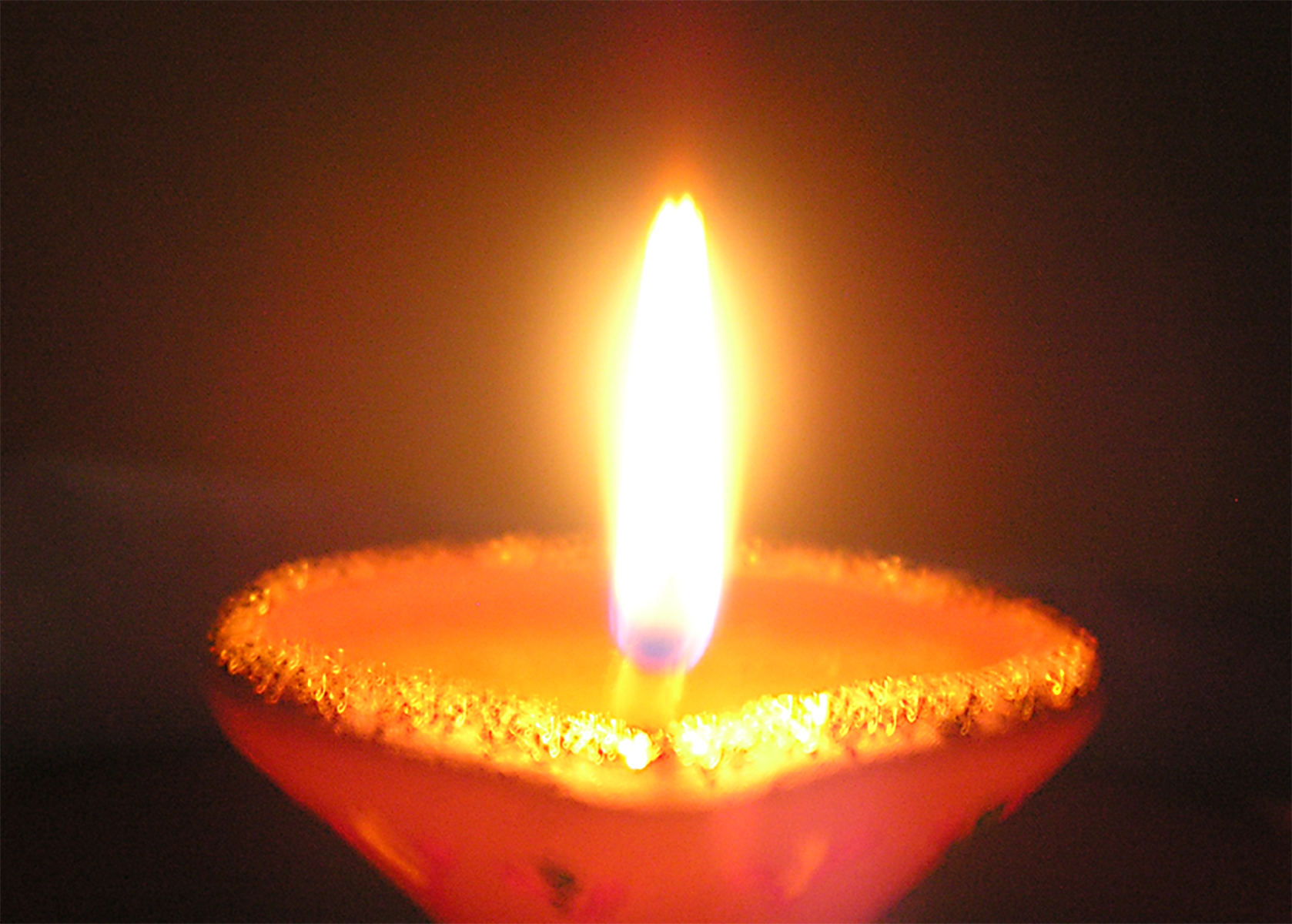
![rangoli-1[1]](https://mahendrajani.com/wp-content/uploads/2013/10/rangoli-111.jpg)



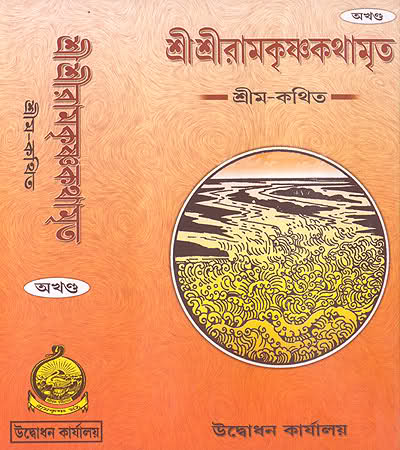

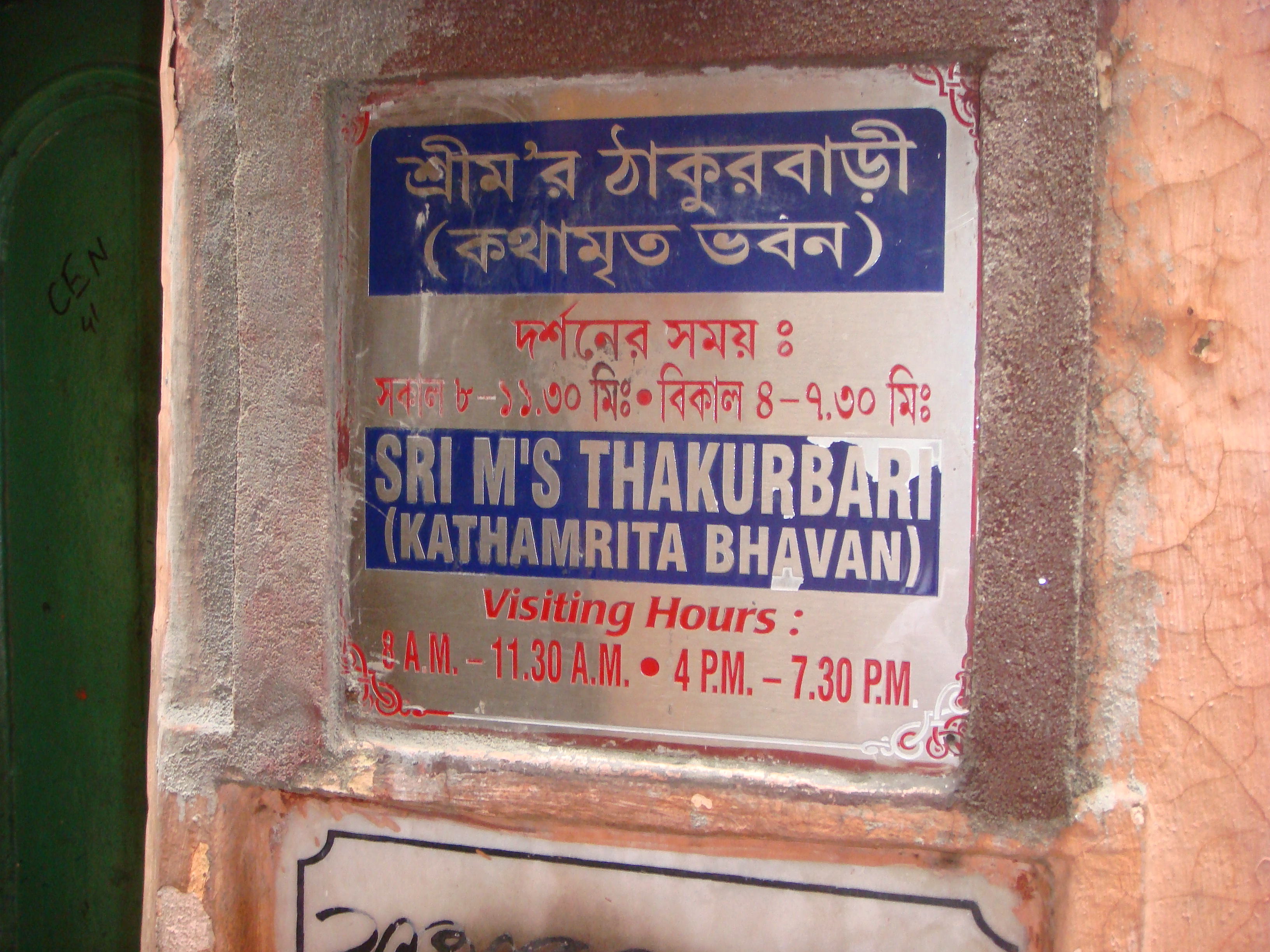


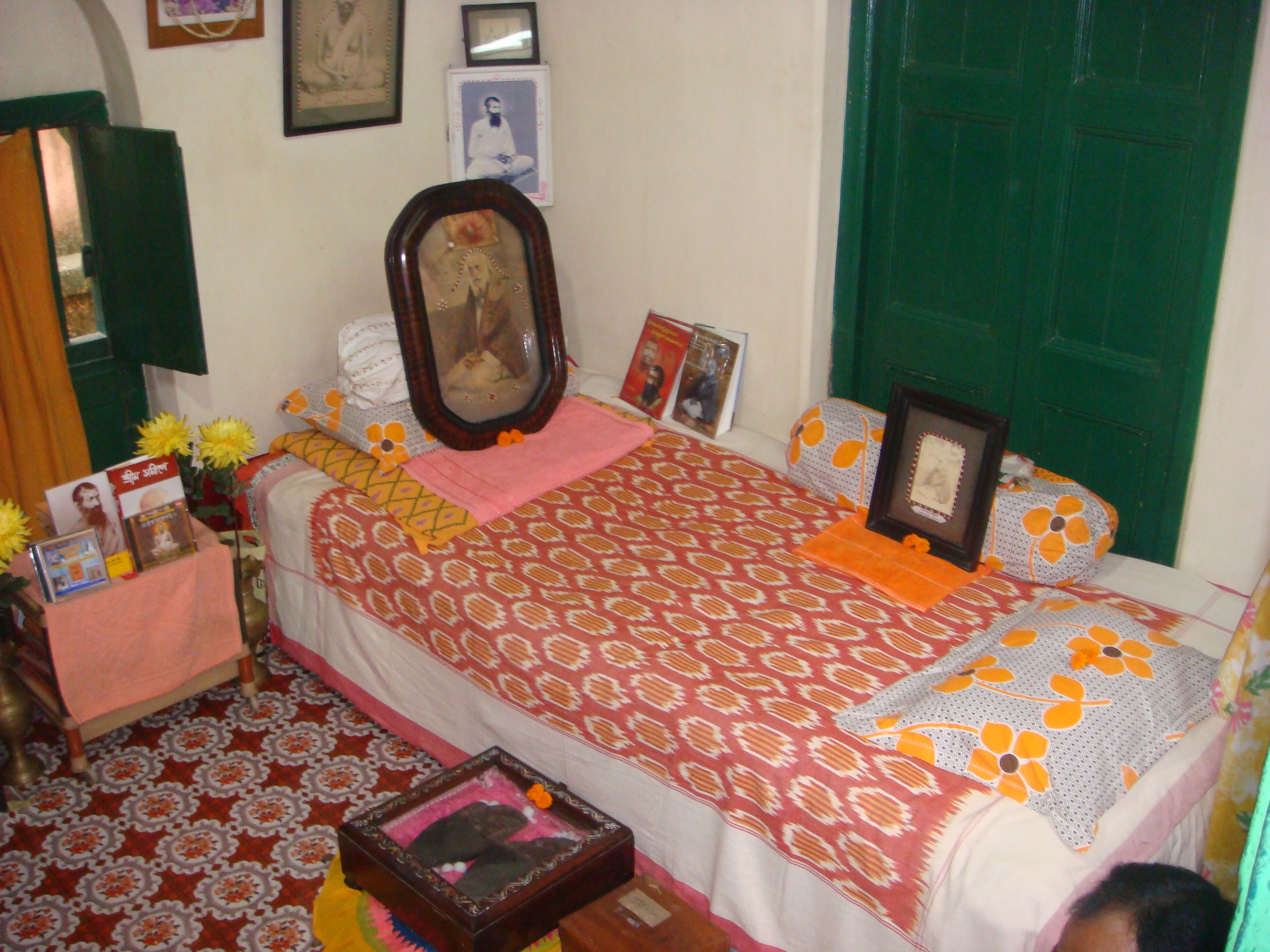
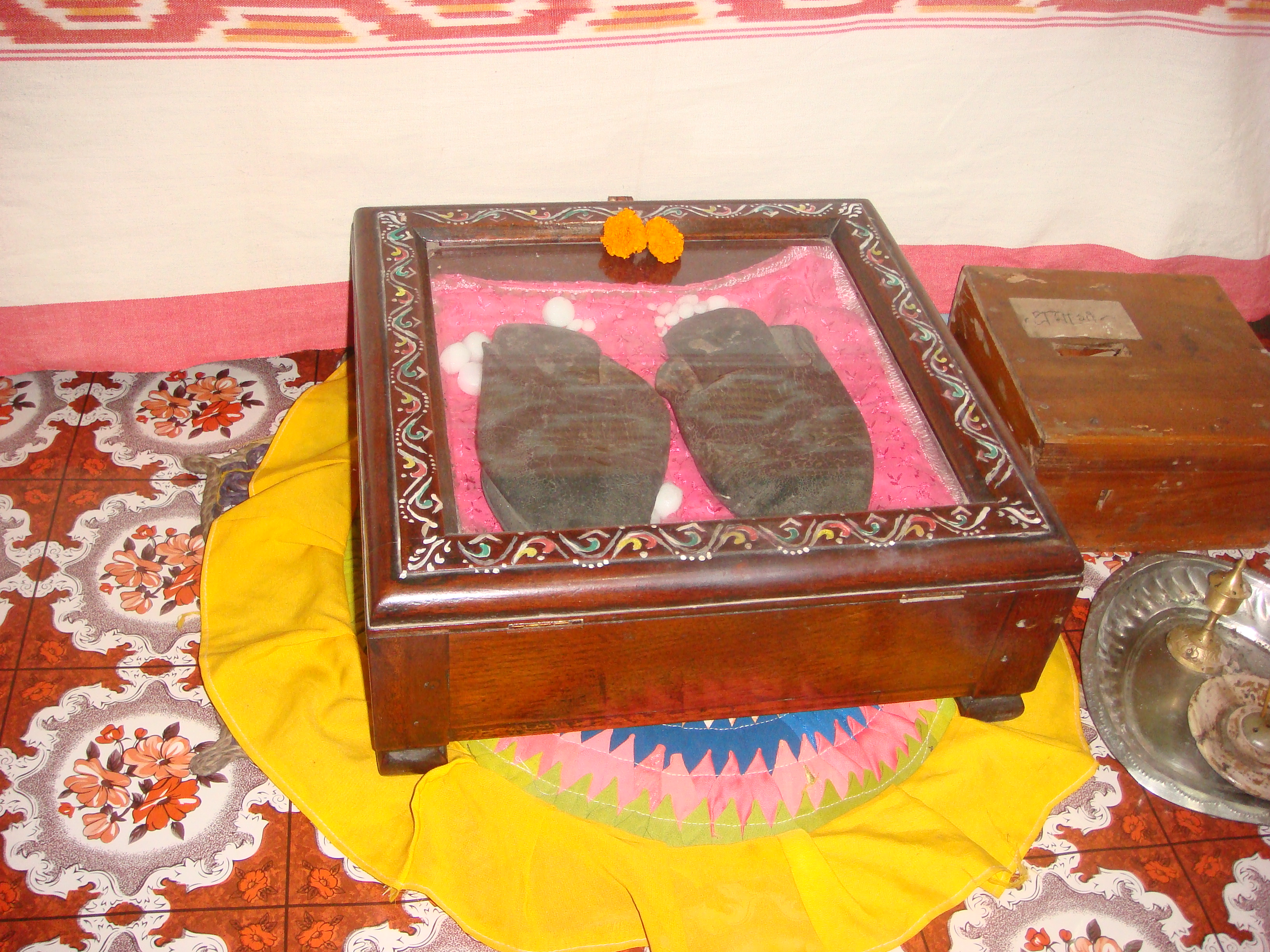
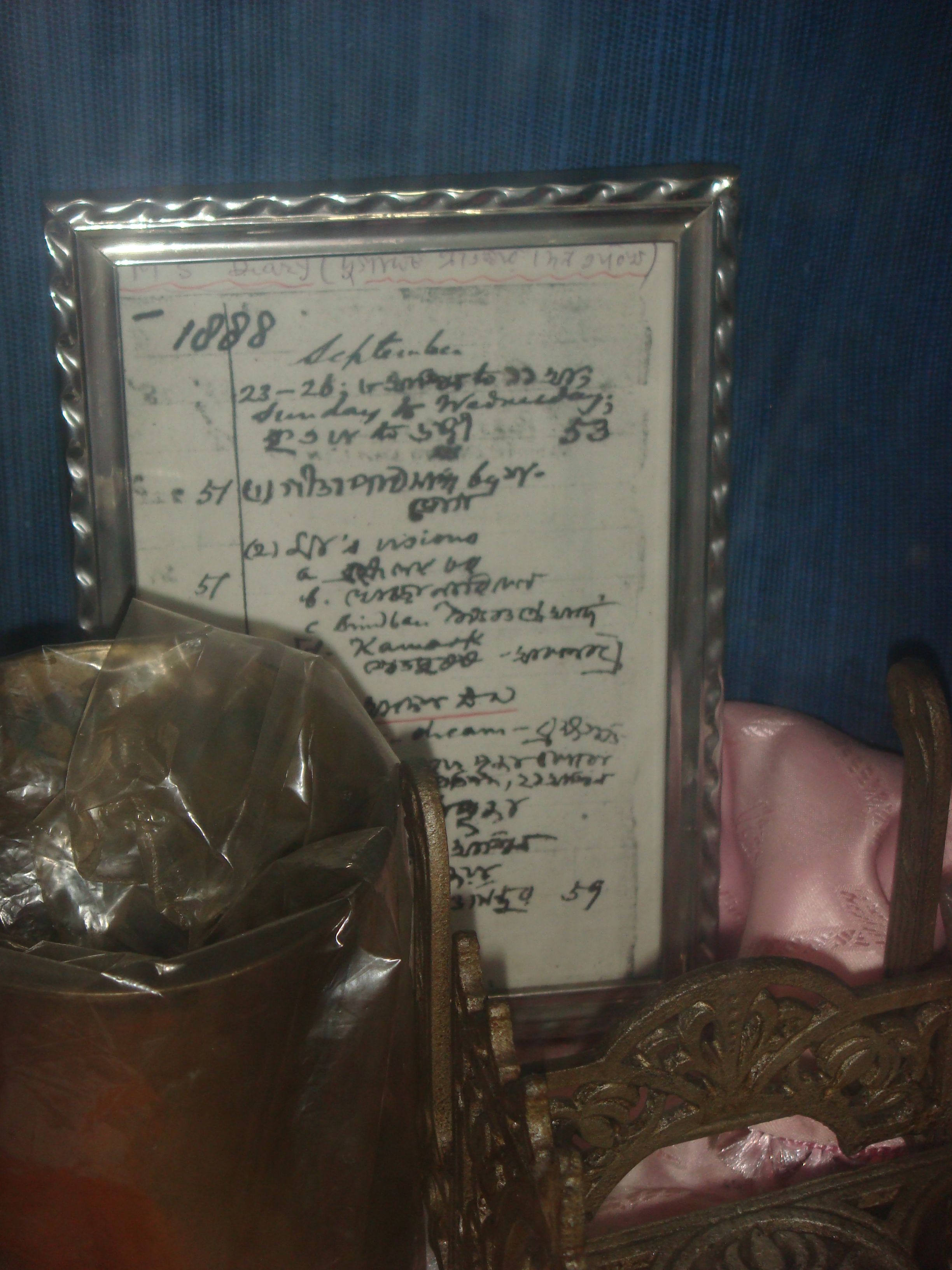


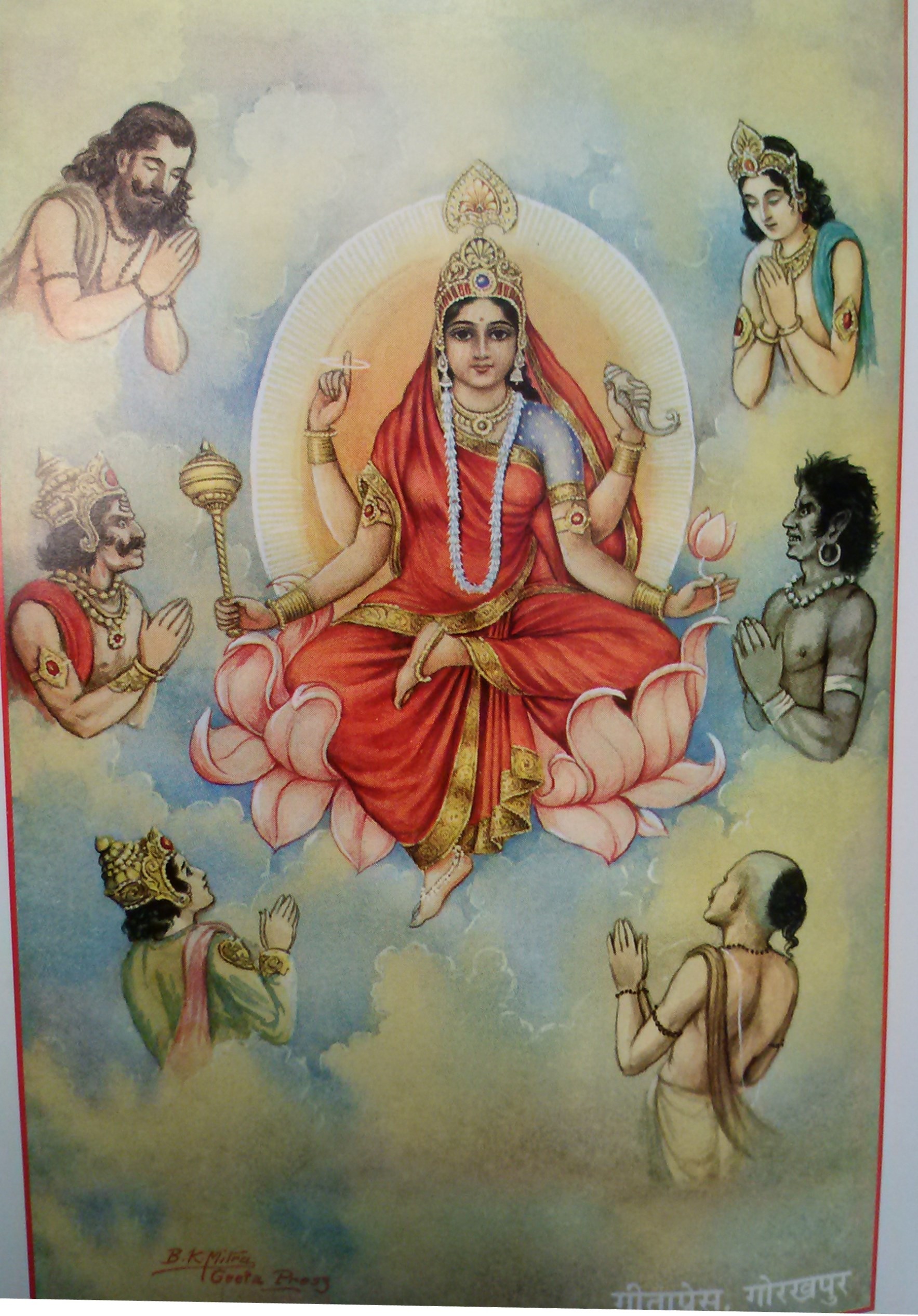
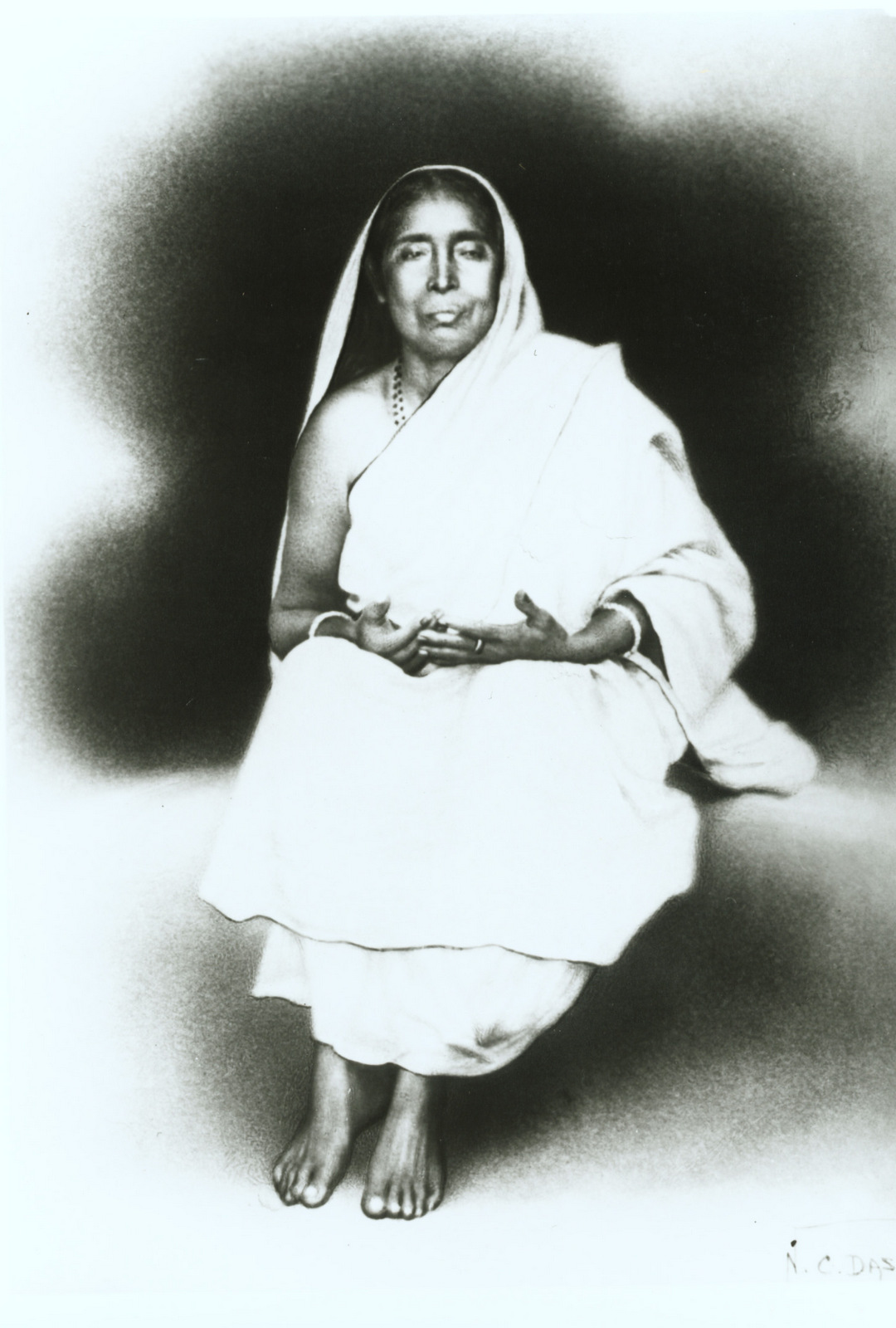

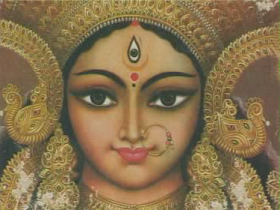


![Rolland-and-Gandhi6[1]](https://mahendrajani.com/wp-content/uploads/2013/10/rolland-and-gandhi61.jpg)
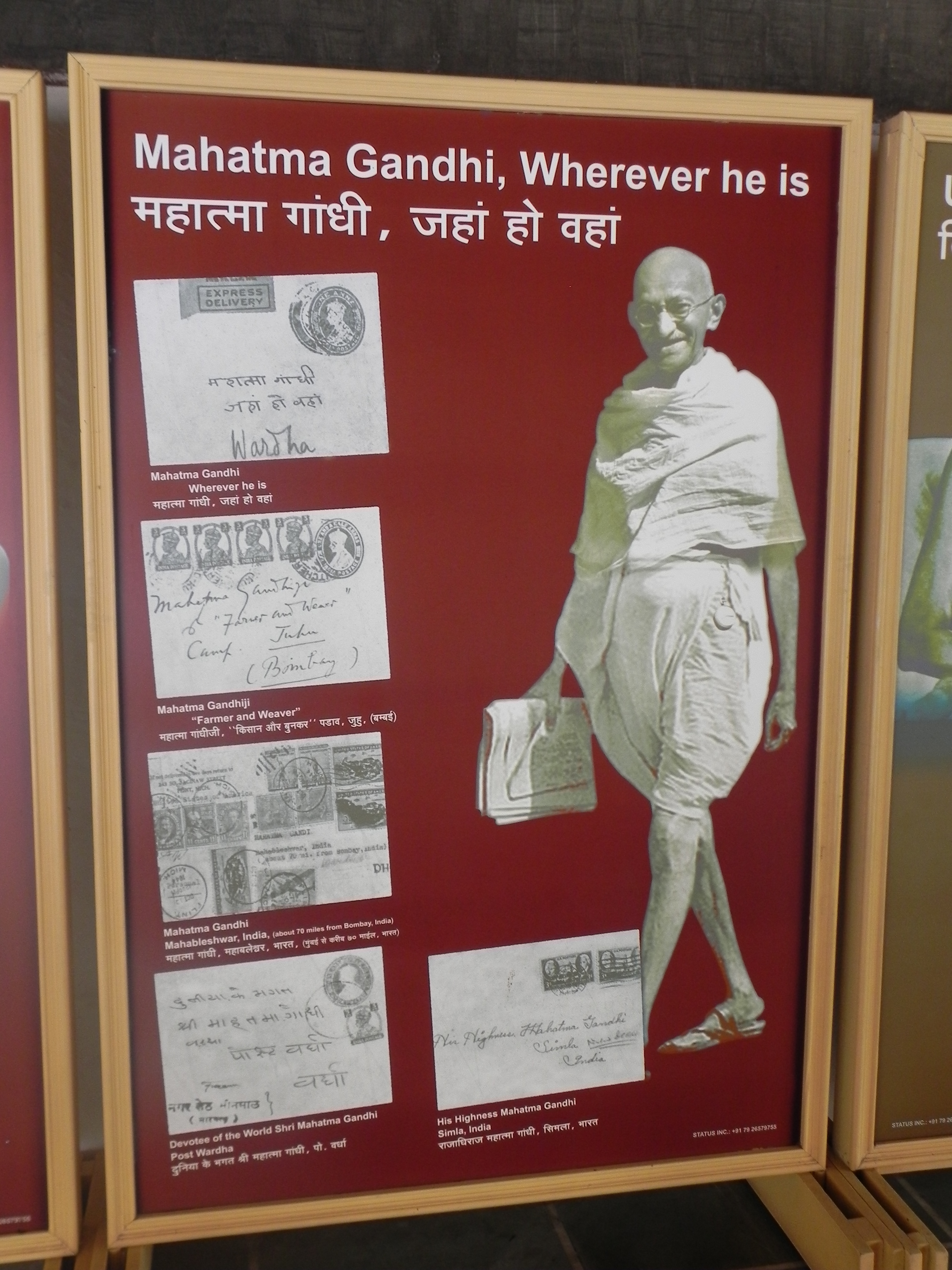
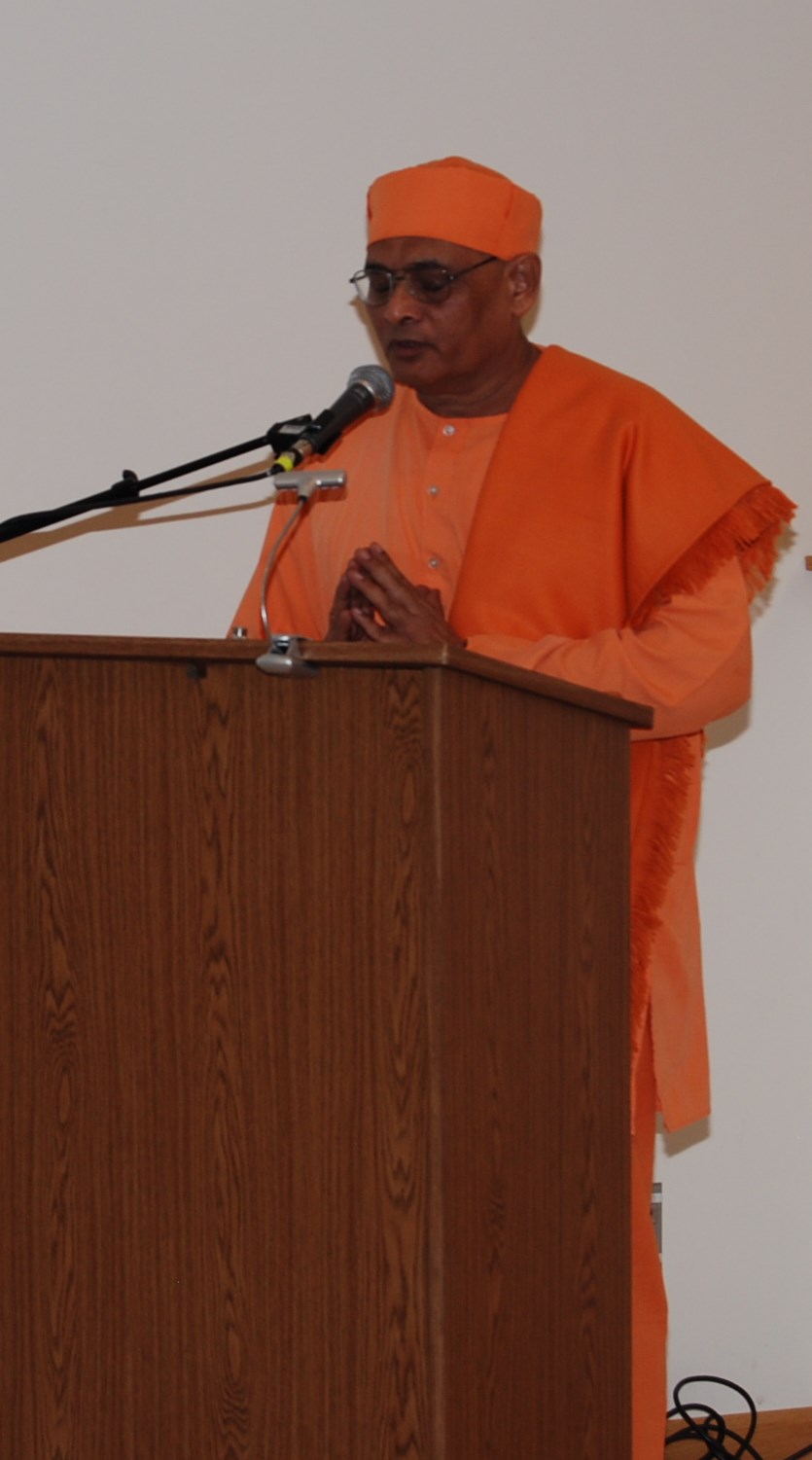
![Ramakrishna_Belur_Math,_Howrah[1]](https://mahendrajani.com/wp-content/uploads/2013/09/ramakrishna_belur_math_howrah1.jpg)


![0909131649a[1]](https://mahendrajani.com/wp-content/uploads/2013/09/0909131649a1.jpg "Happy Ganesh Chaturthi")


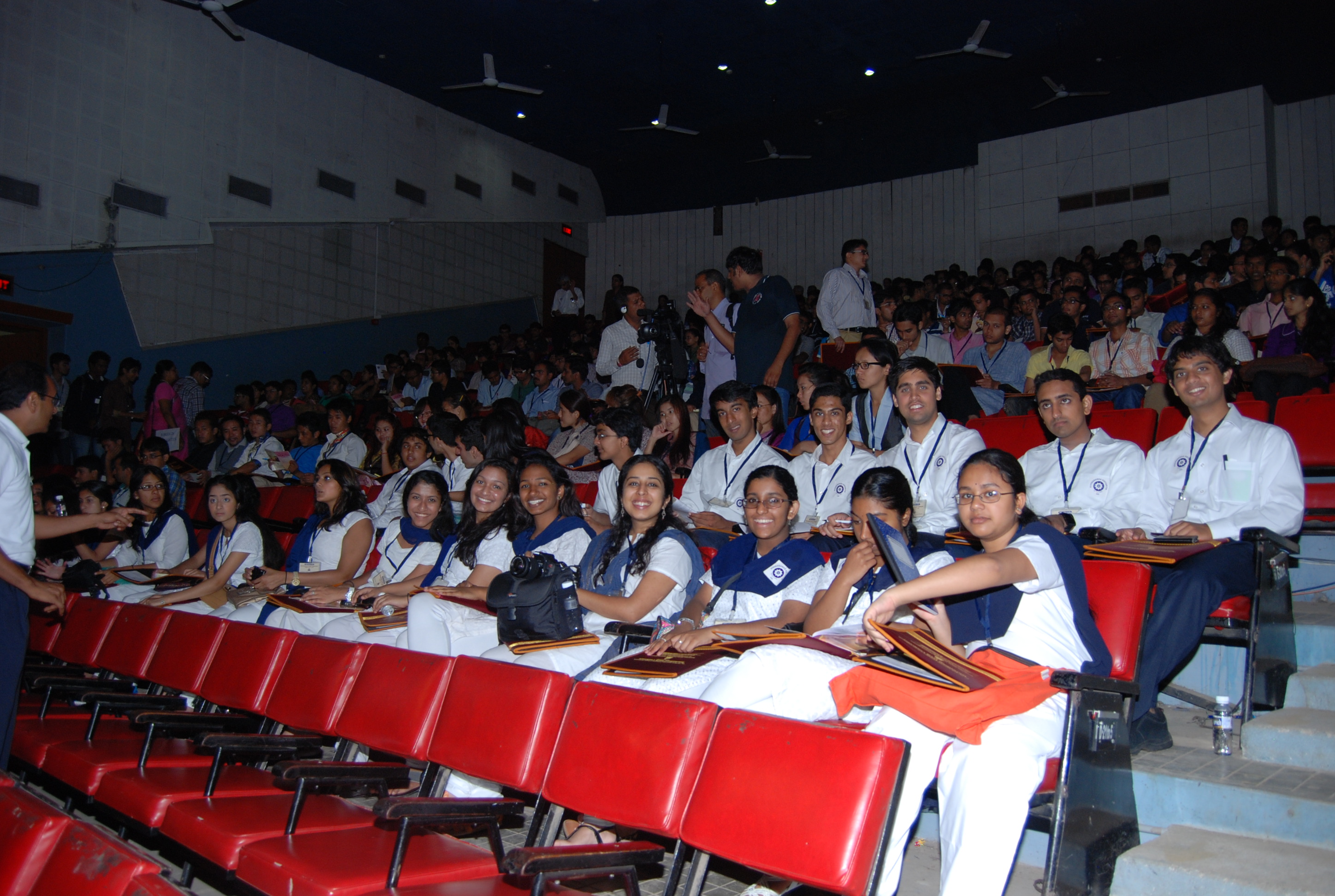


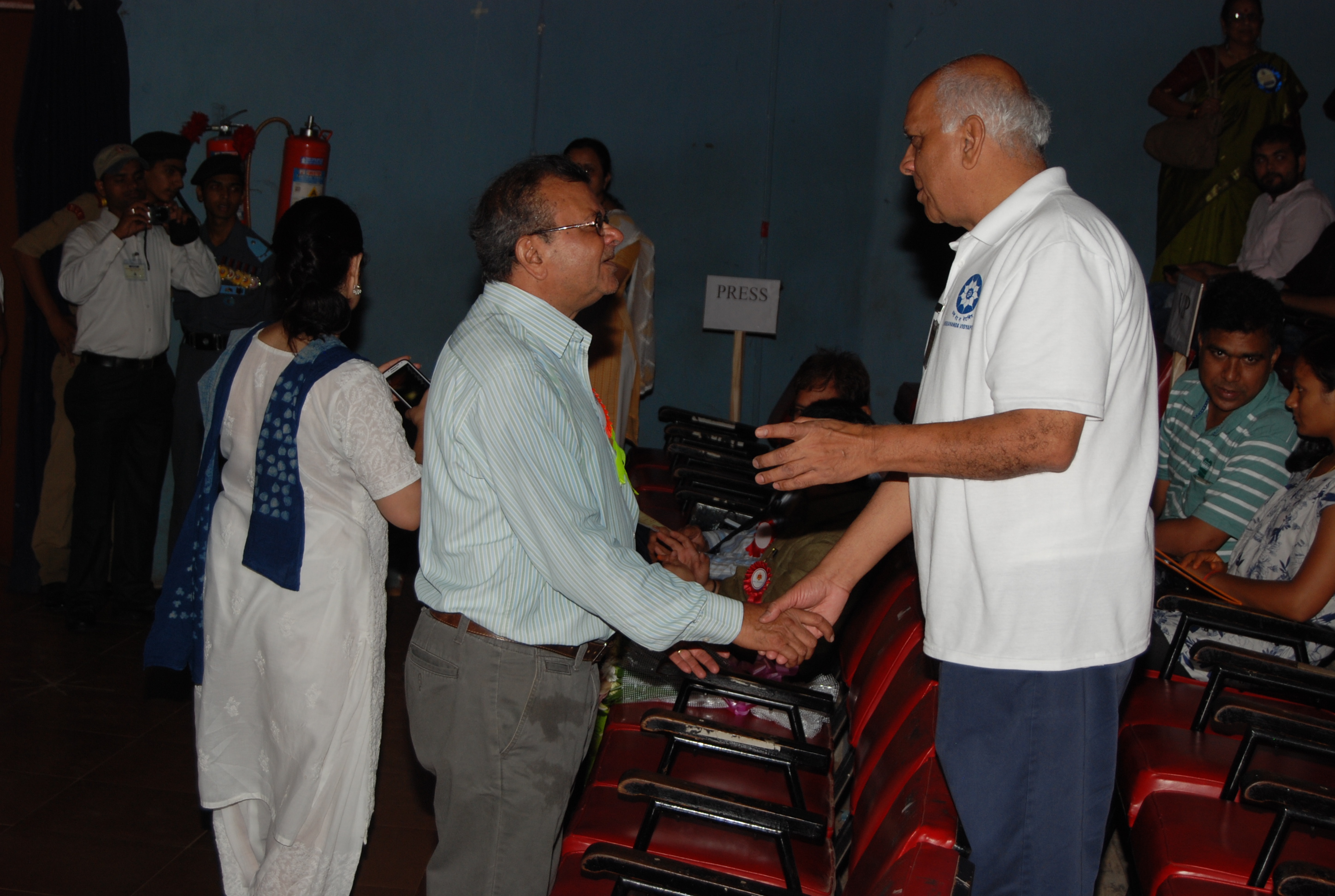

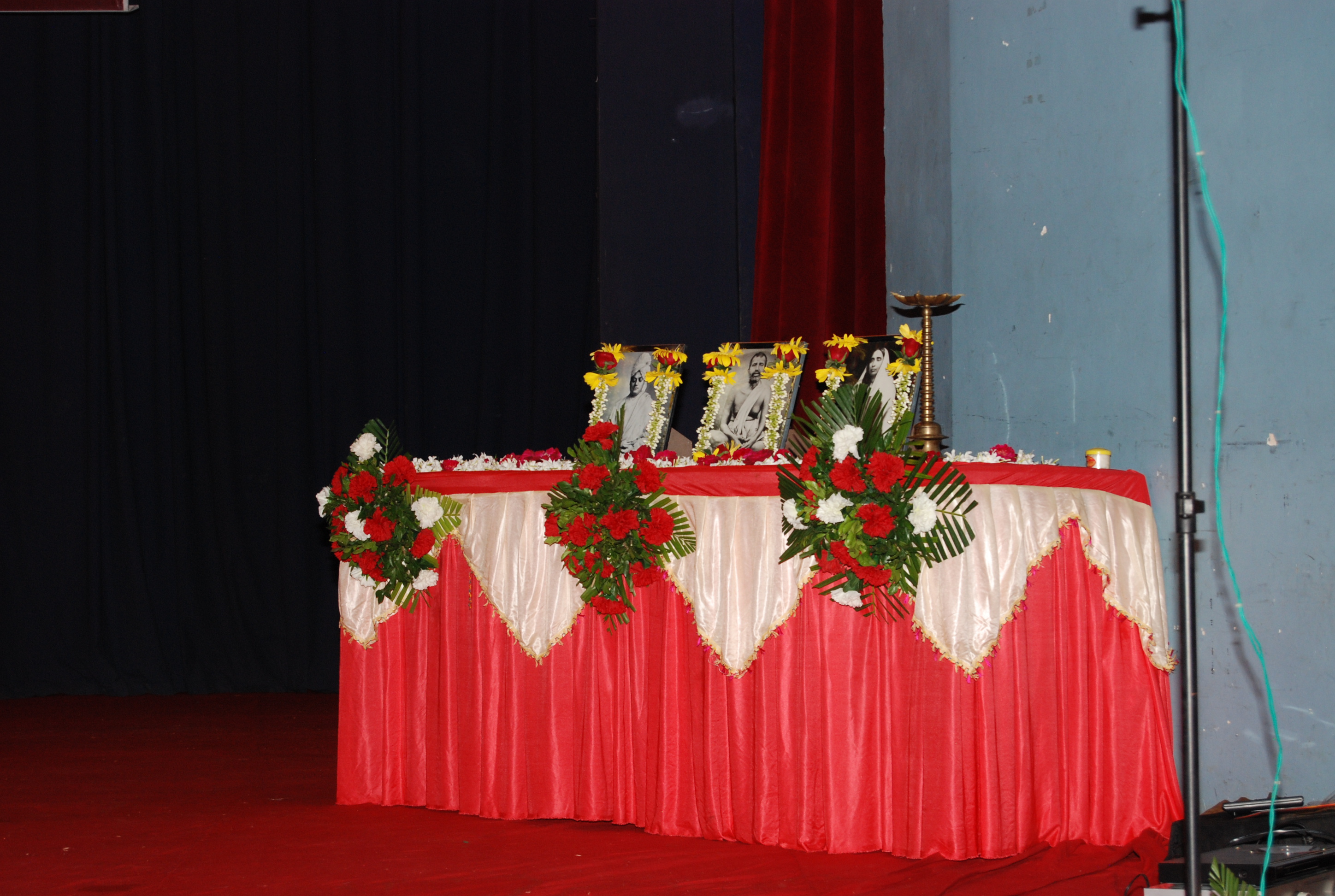
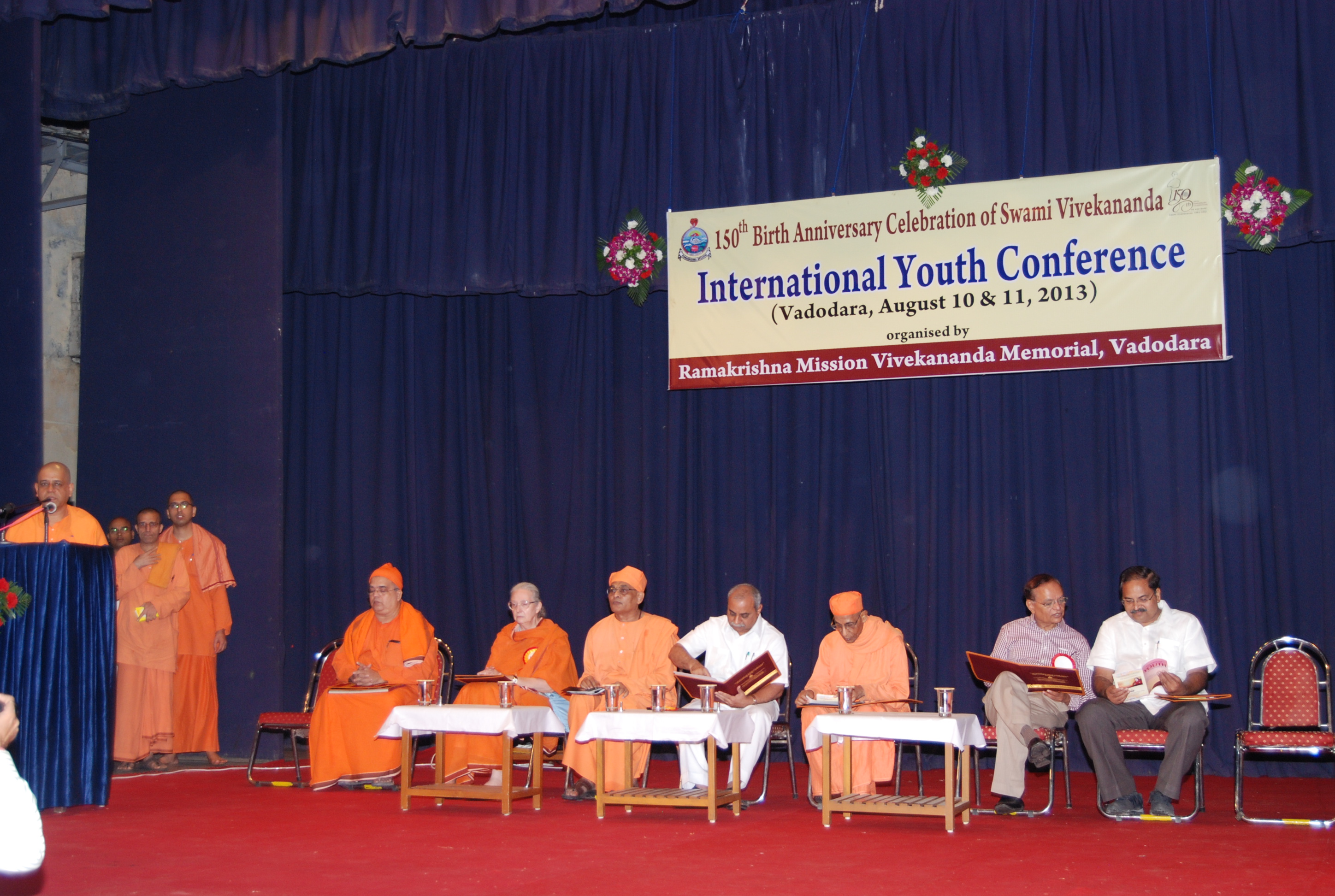
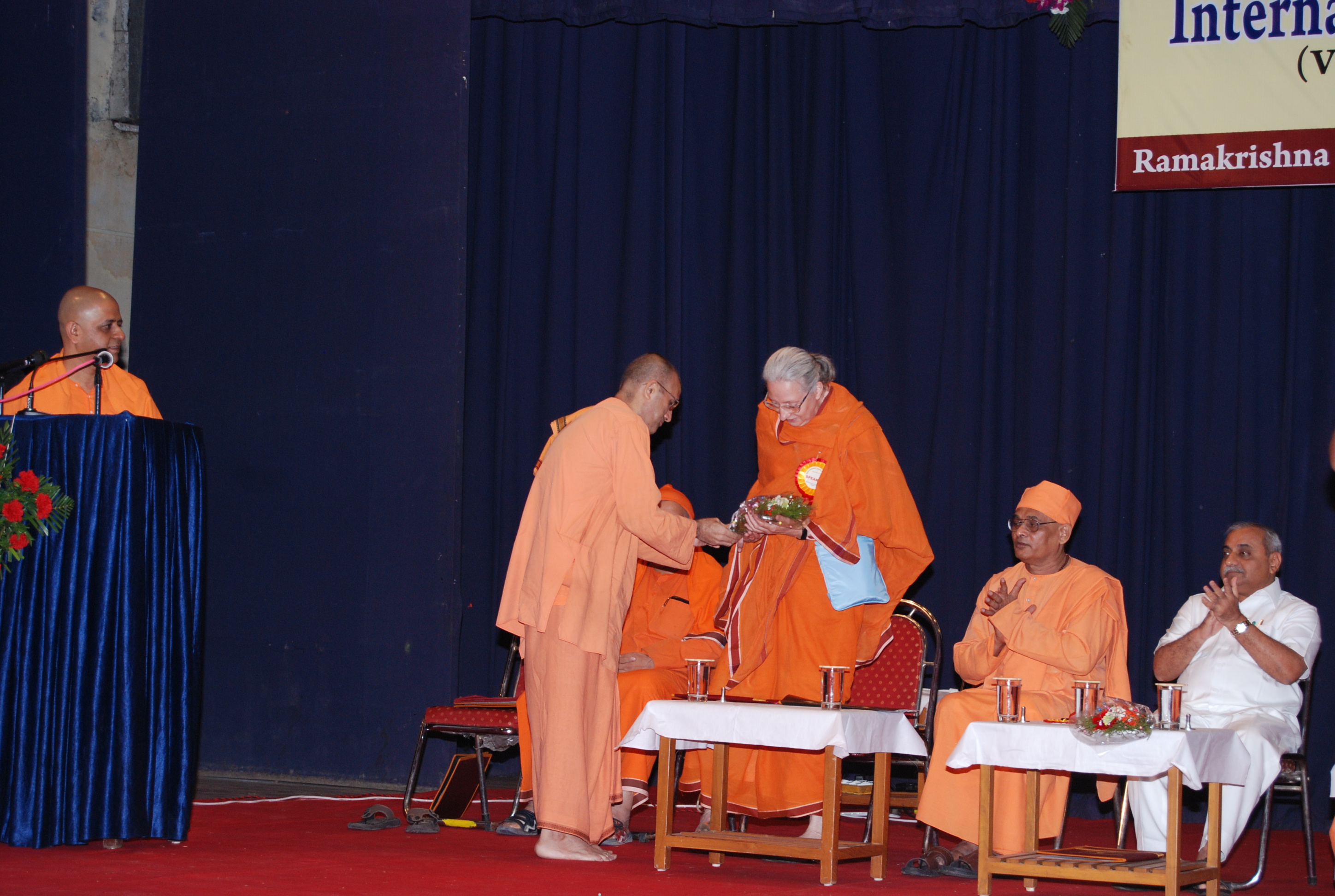


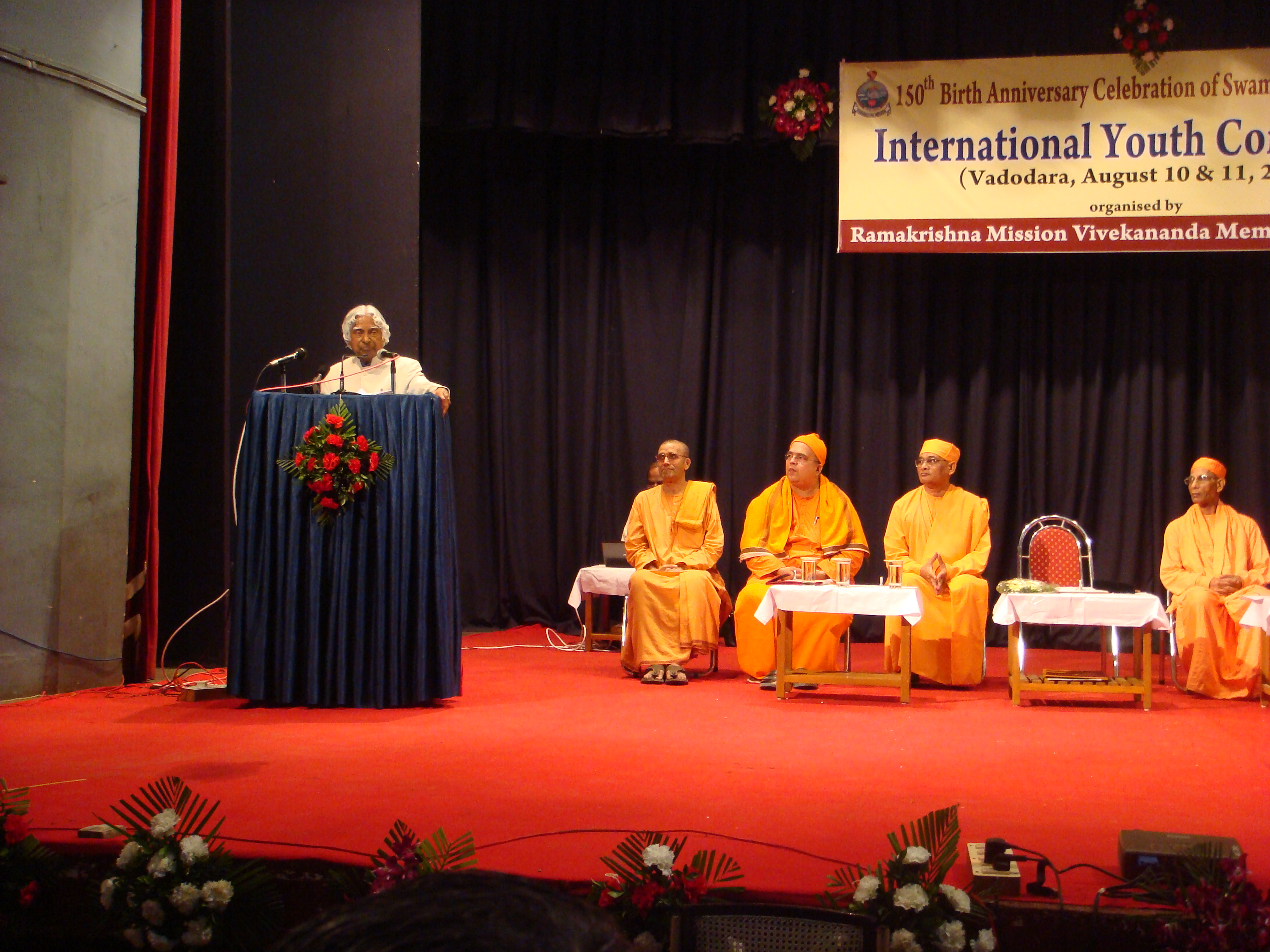

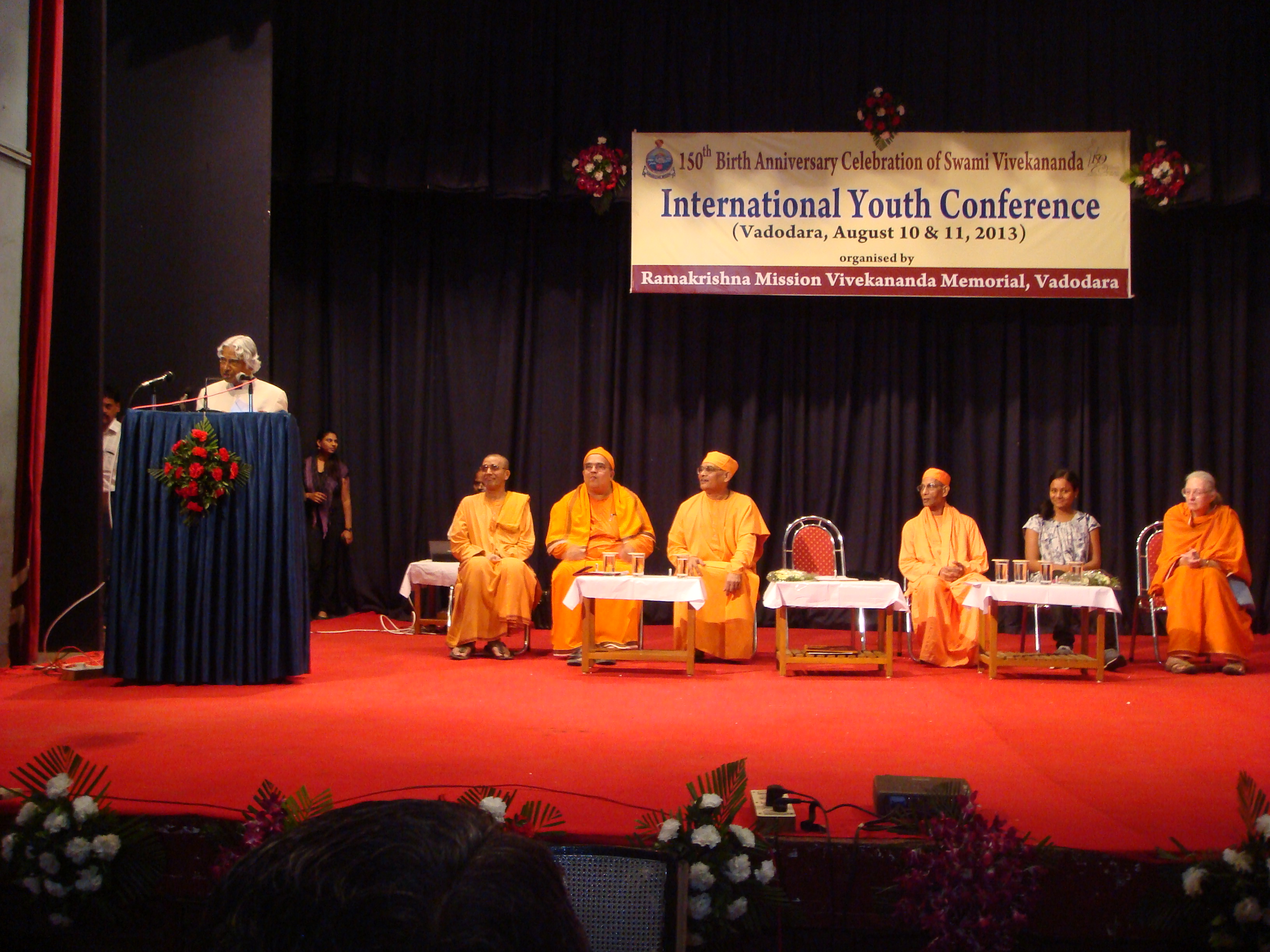


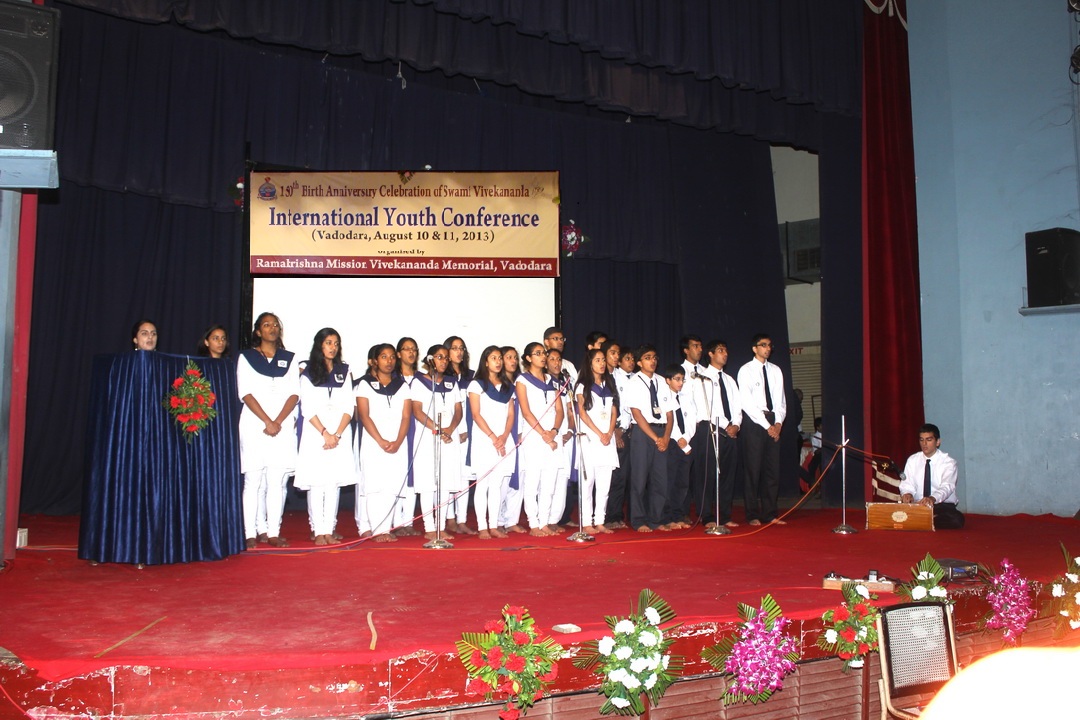

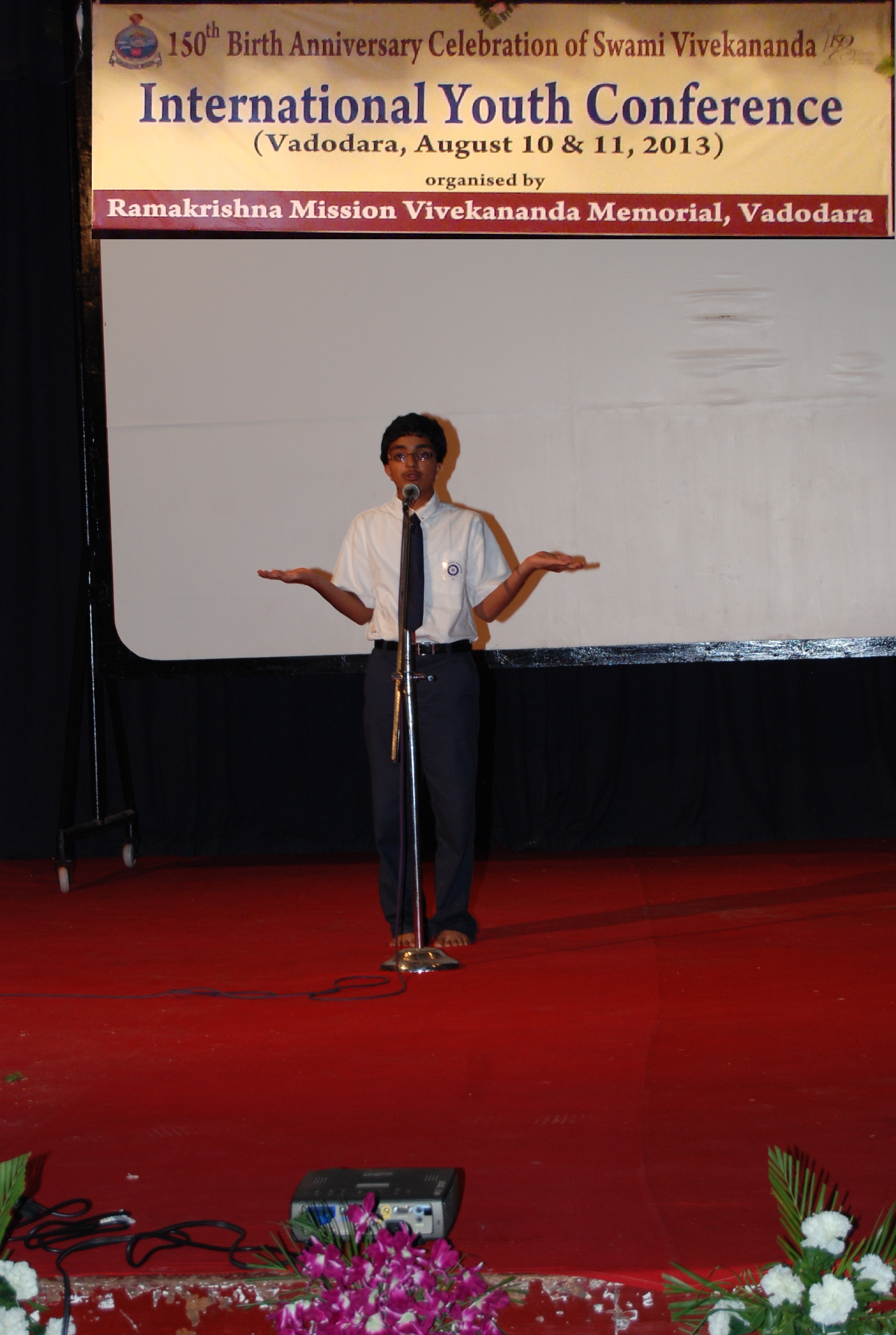

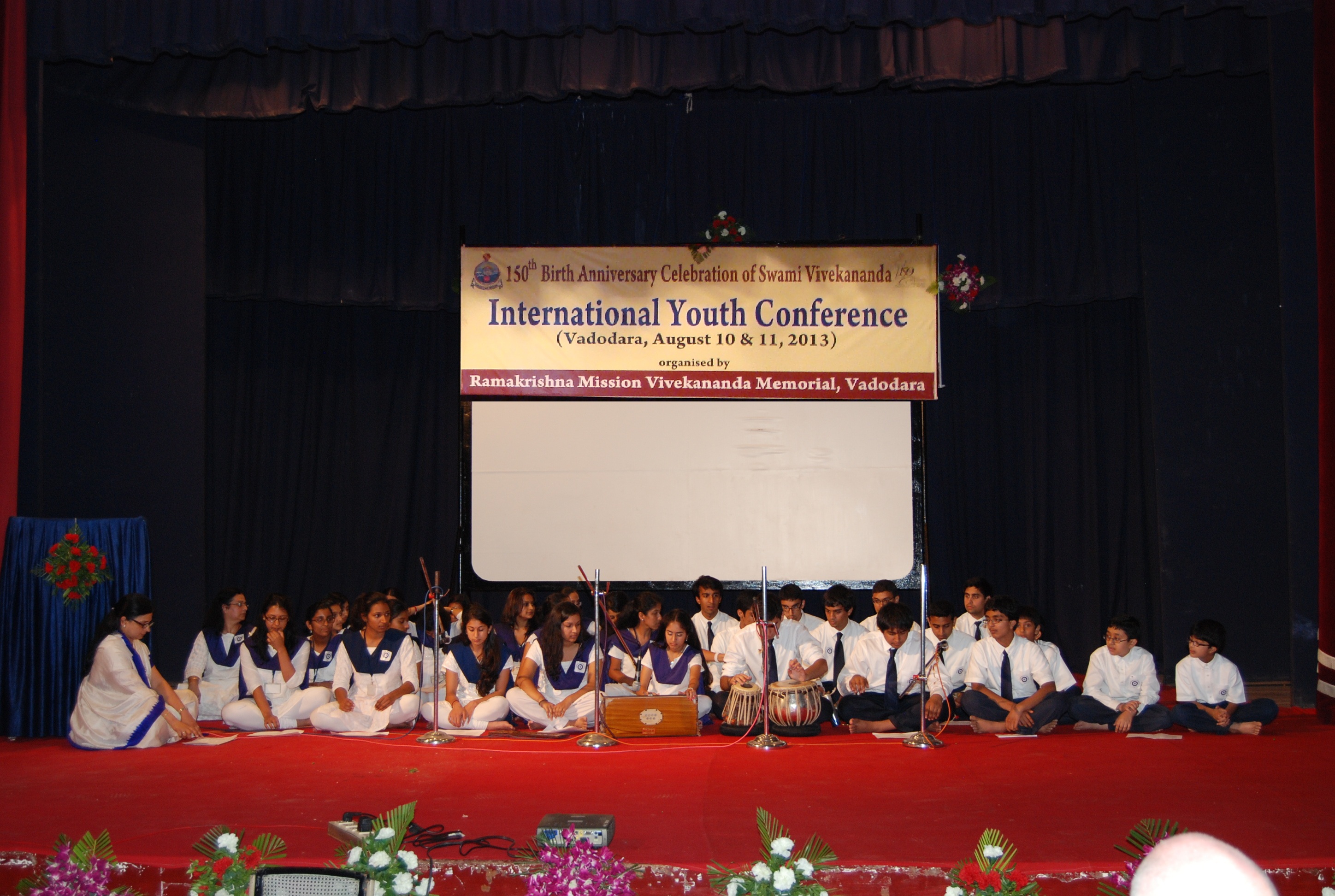


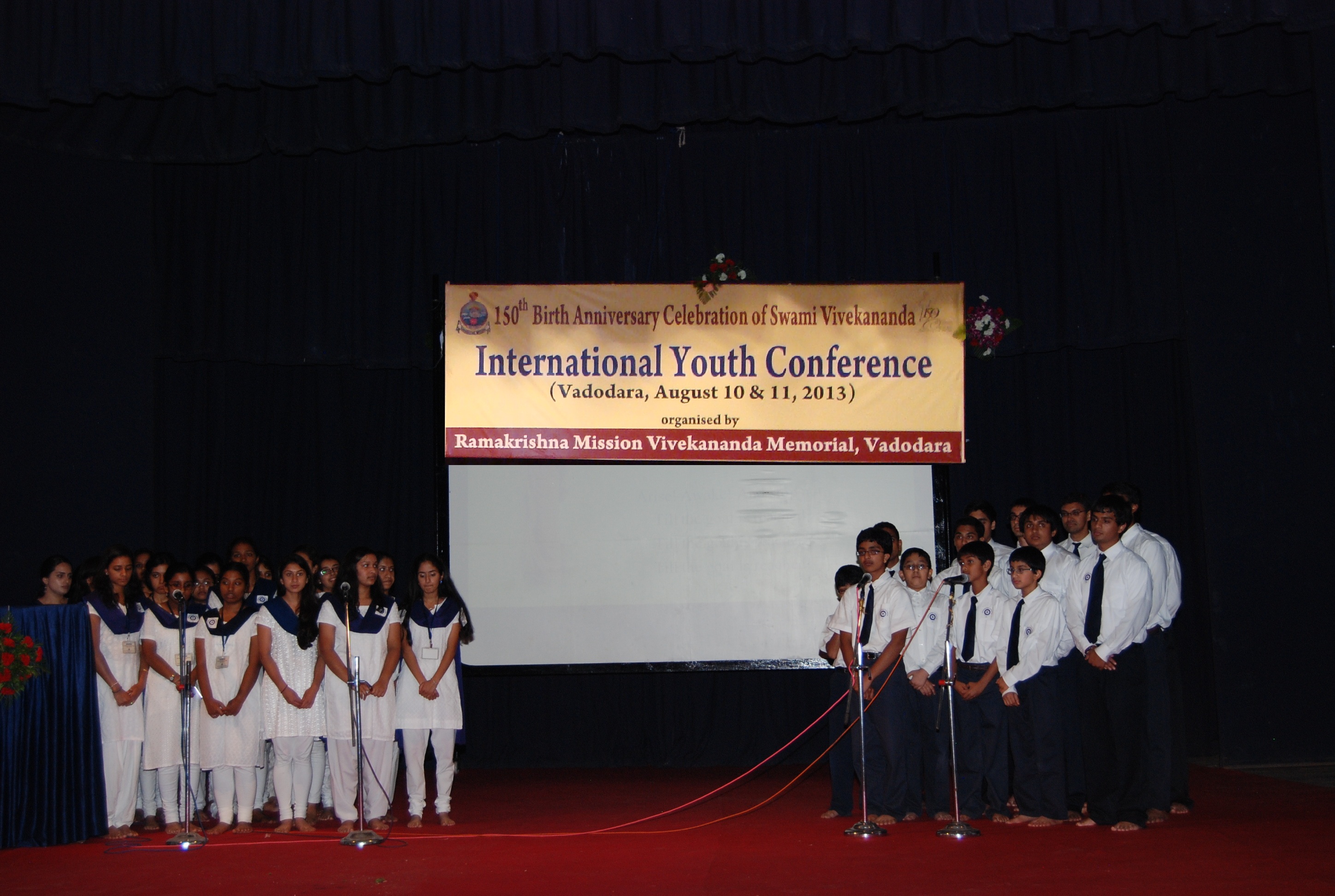


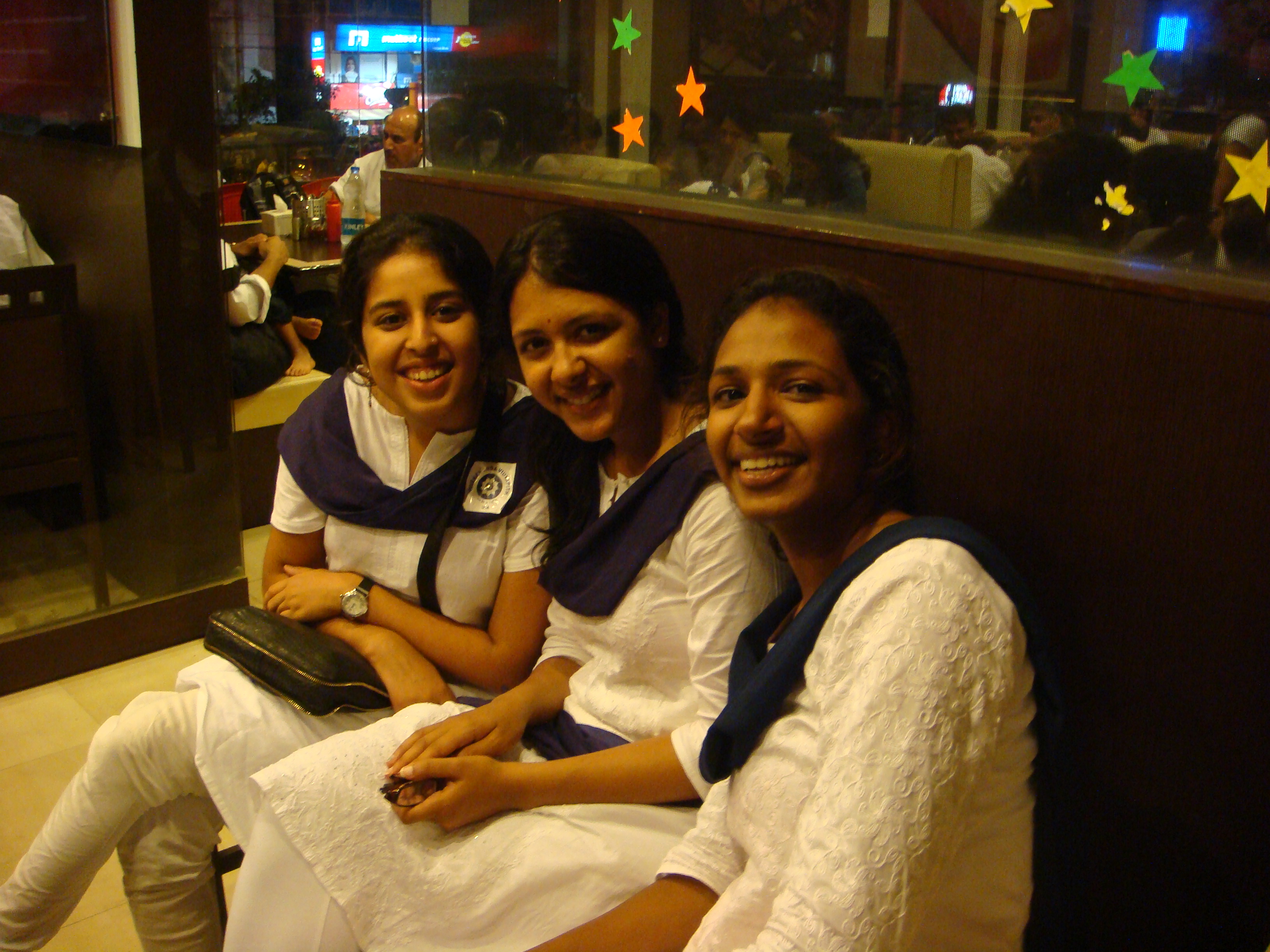

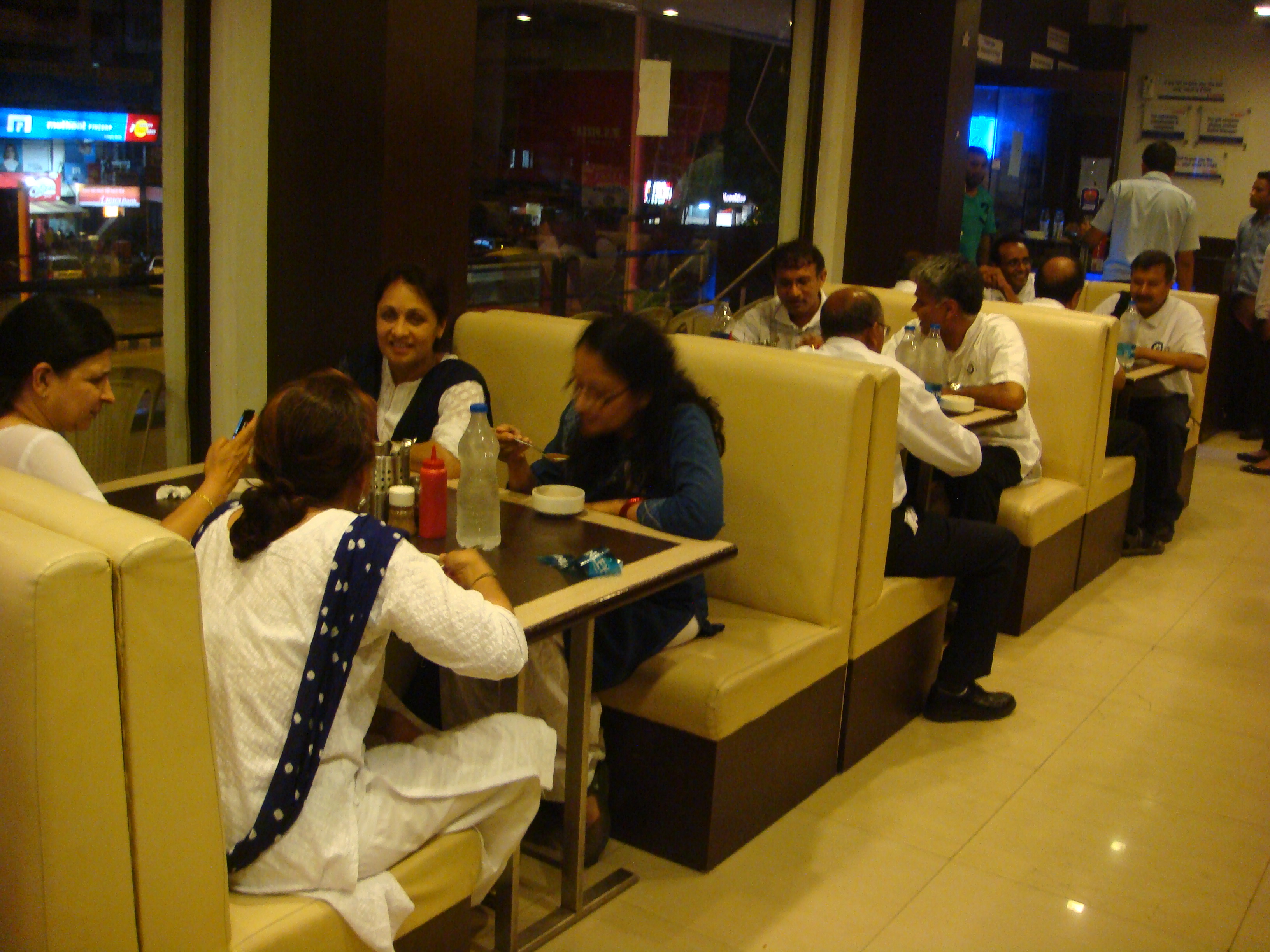
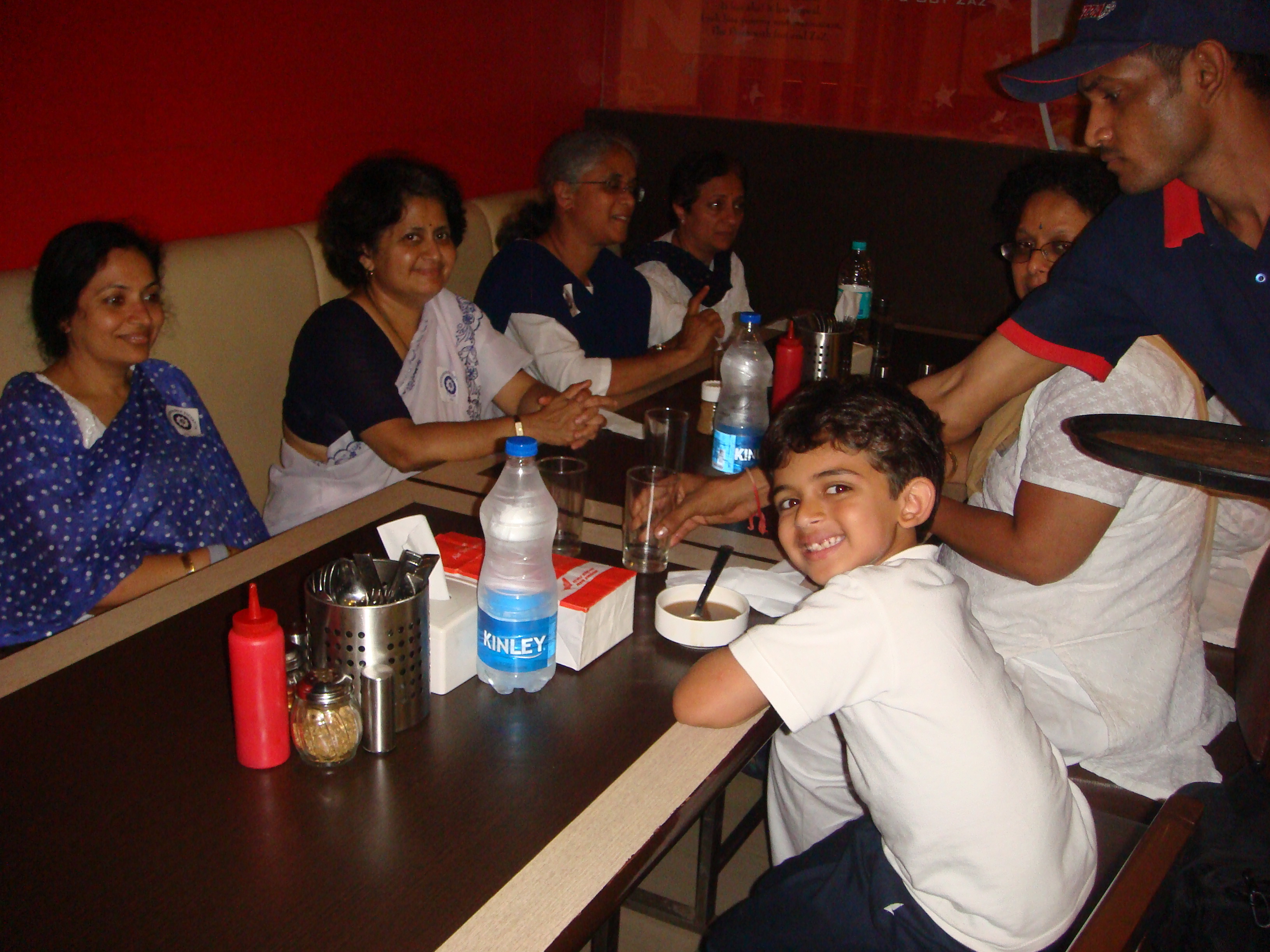


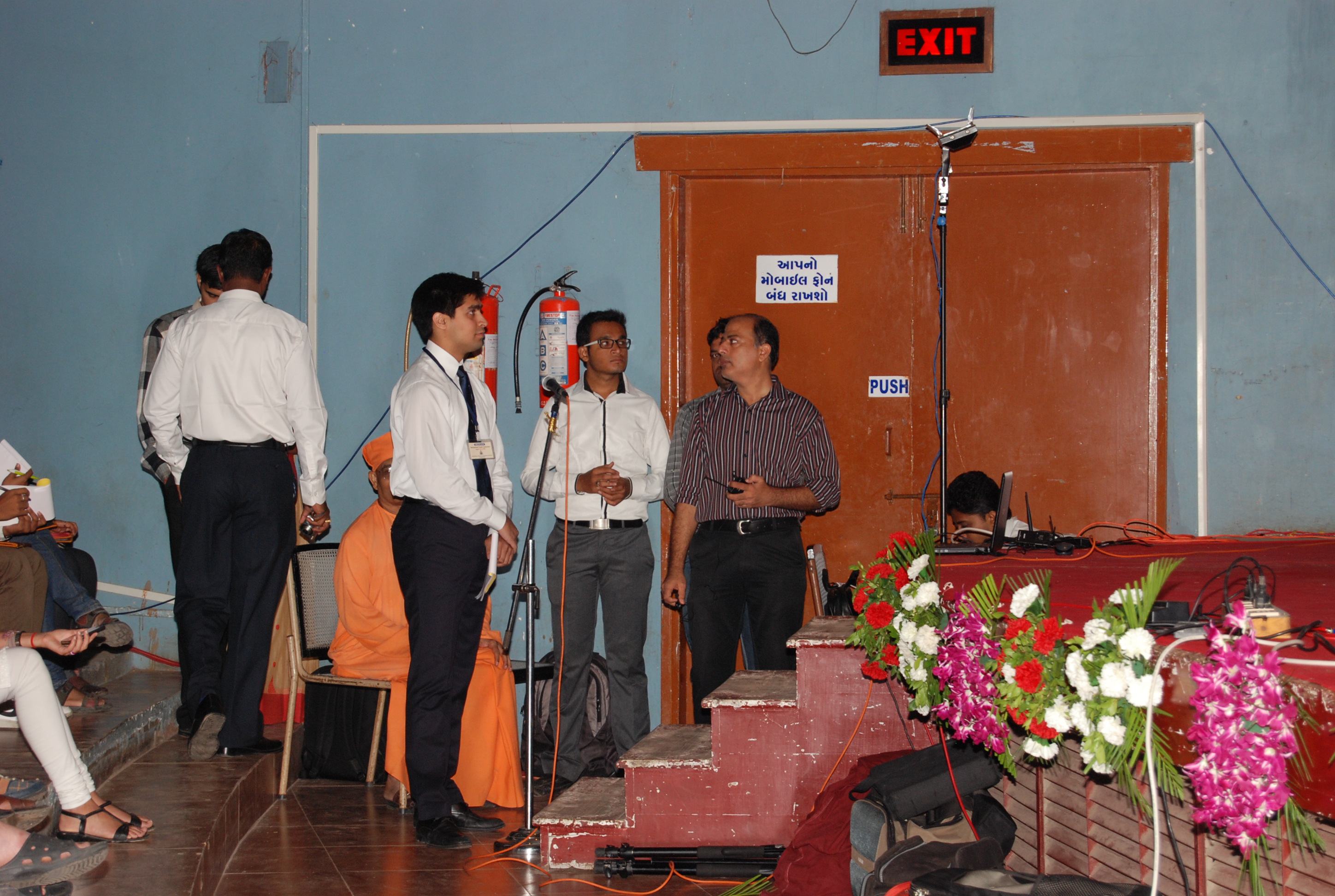

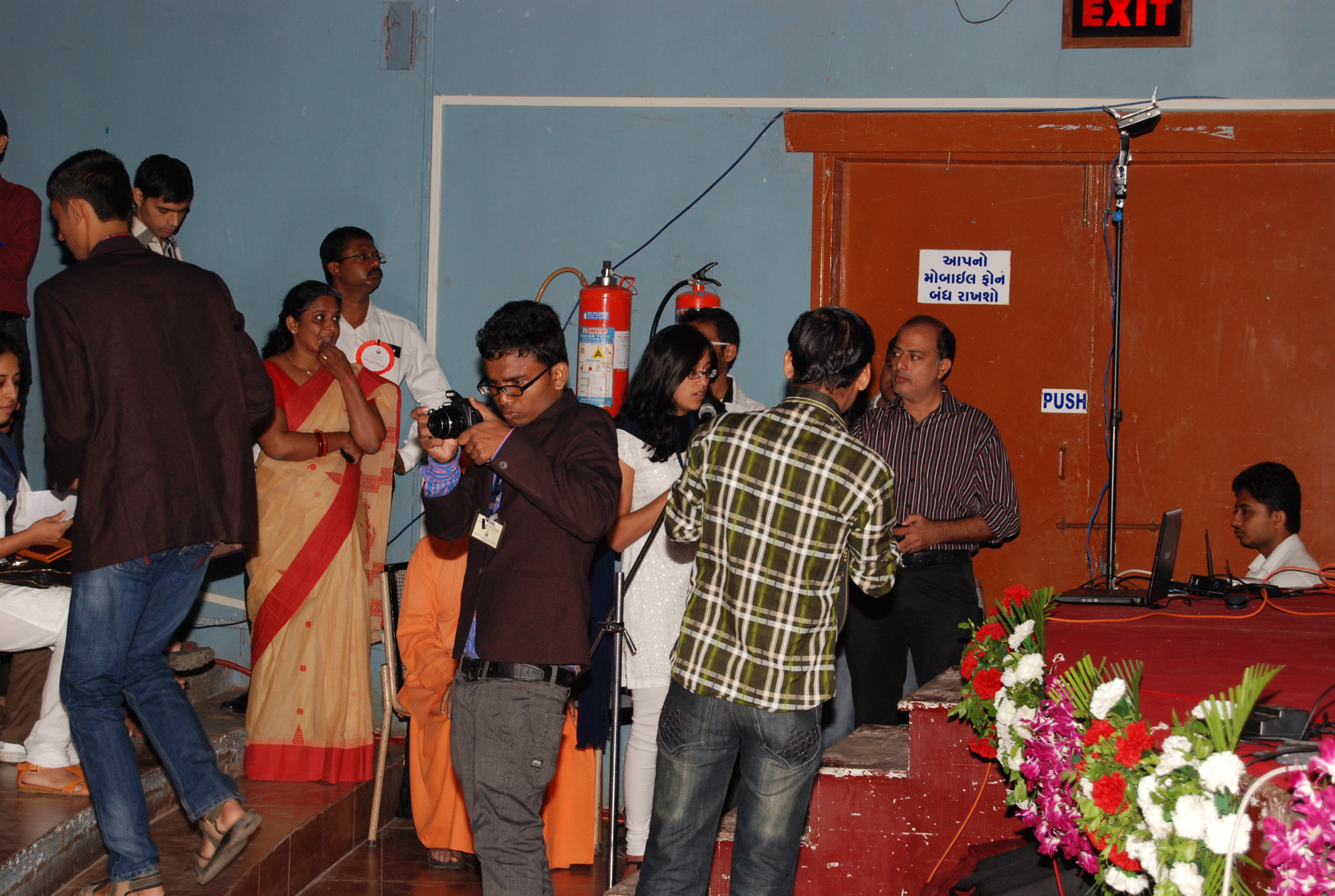
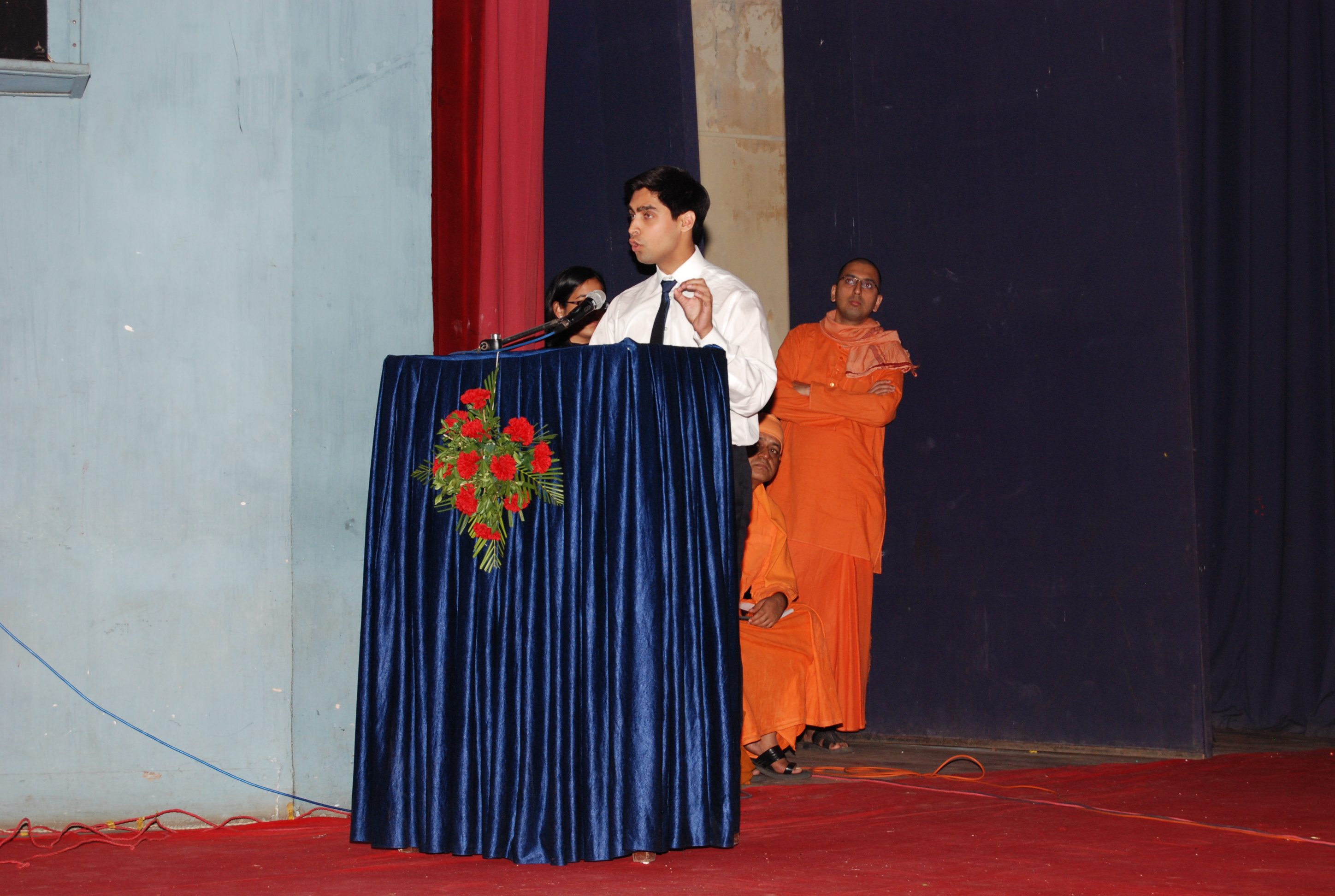
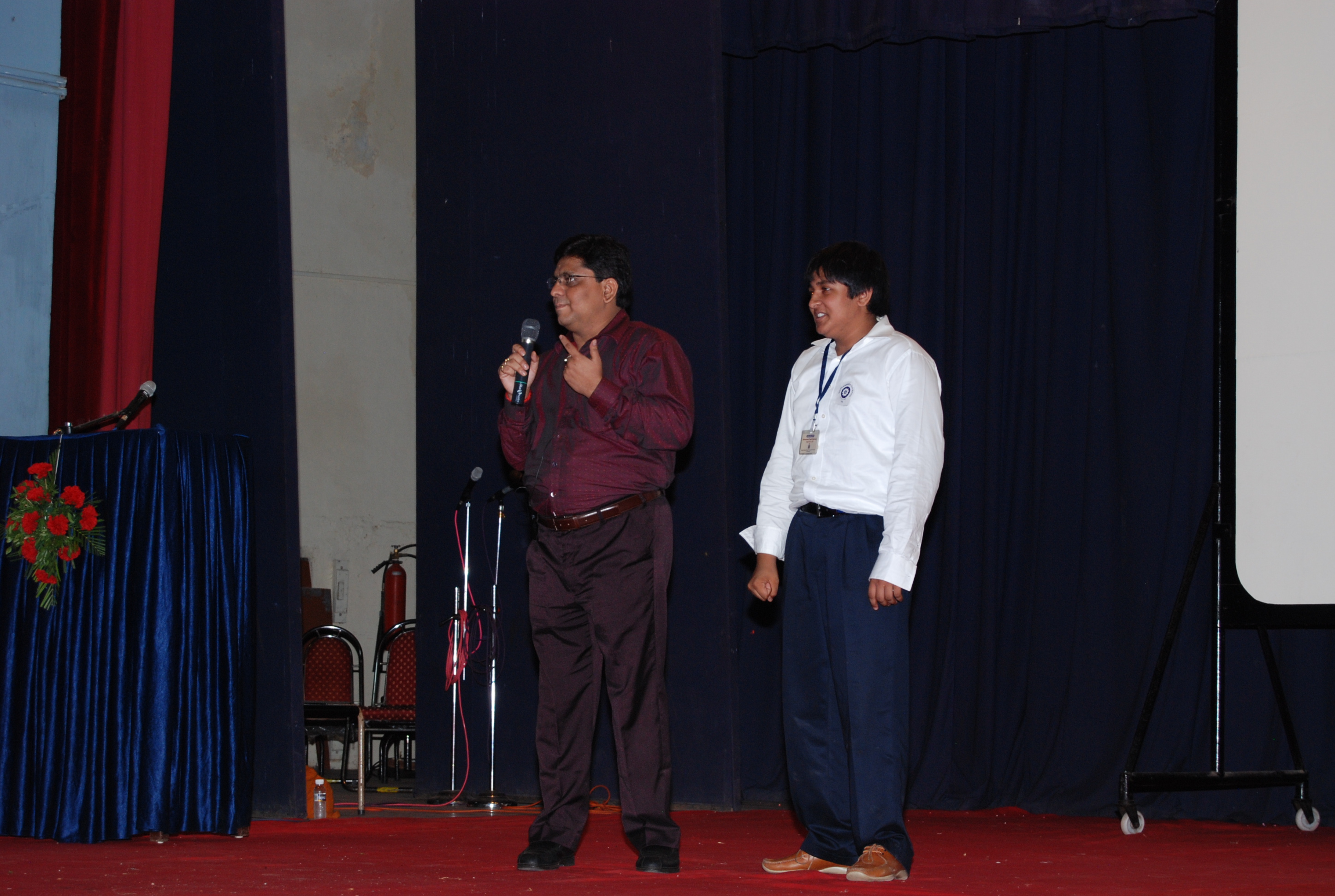


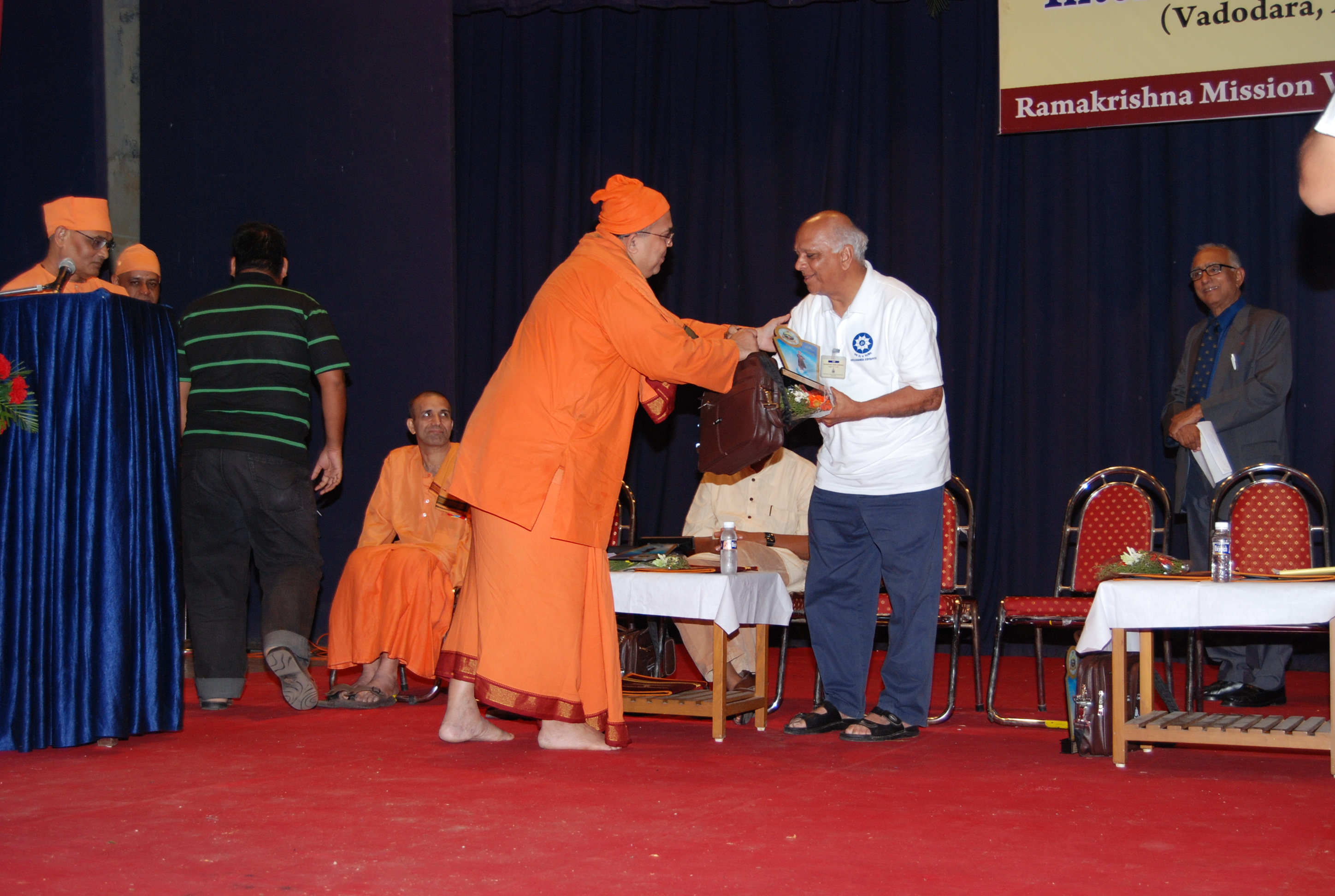


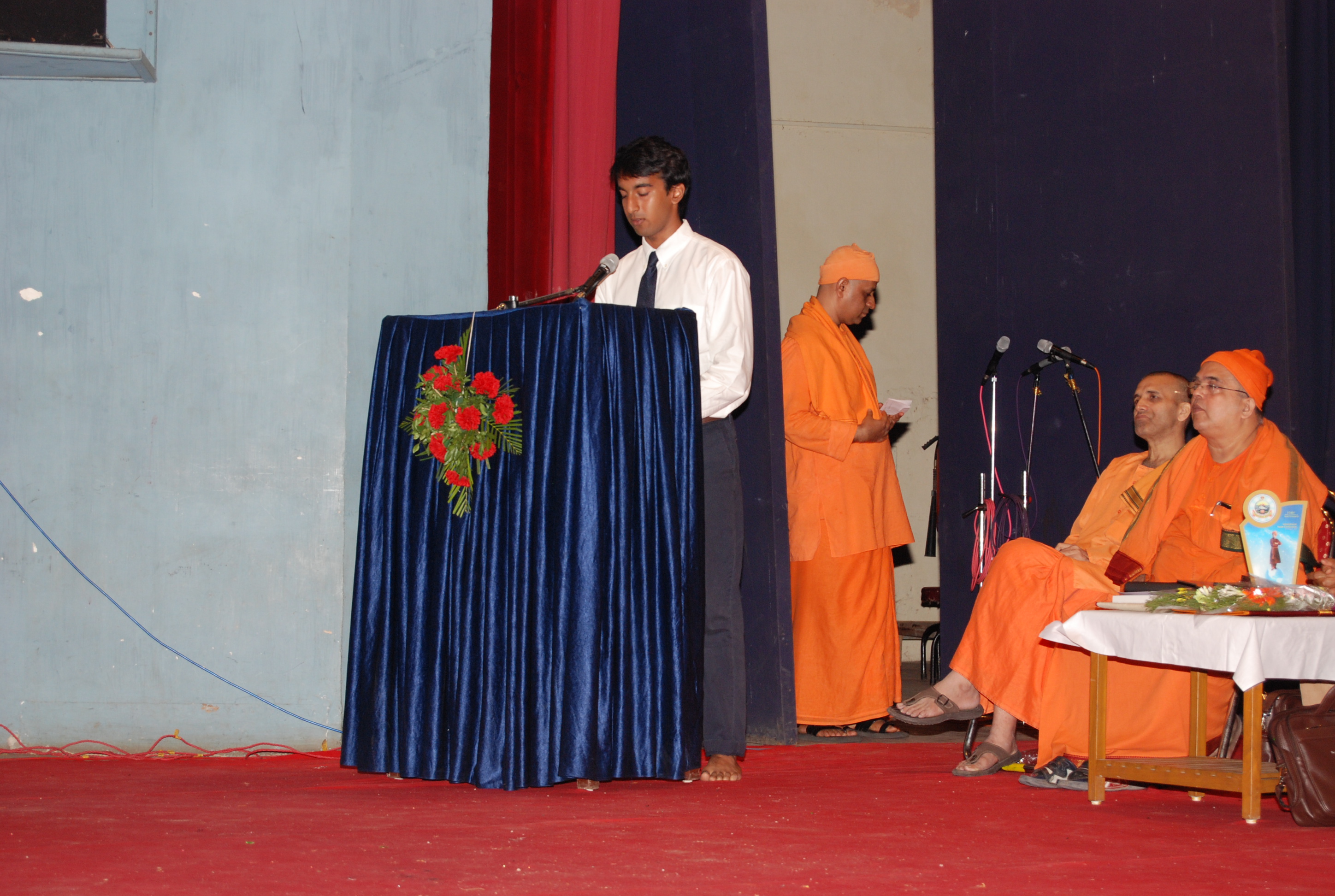
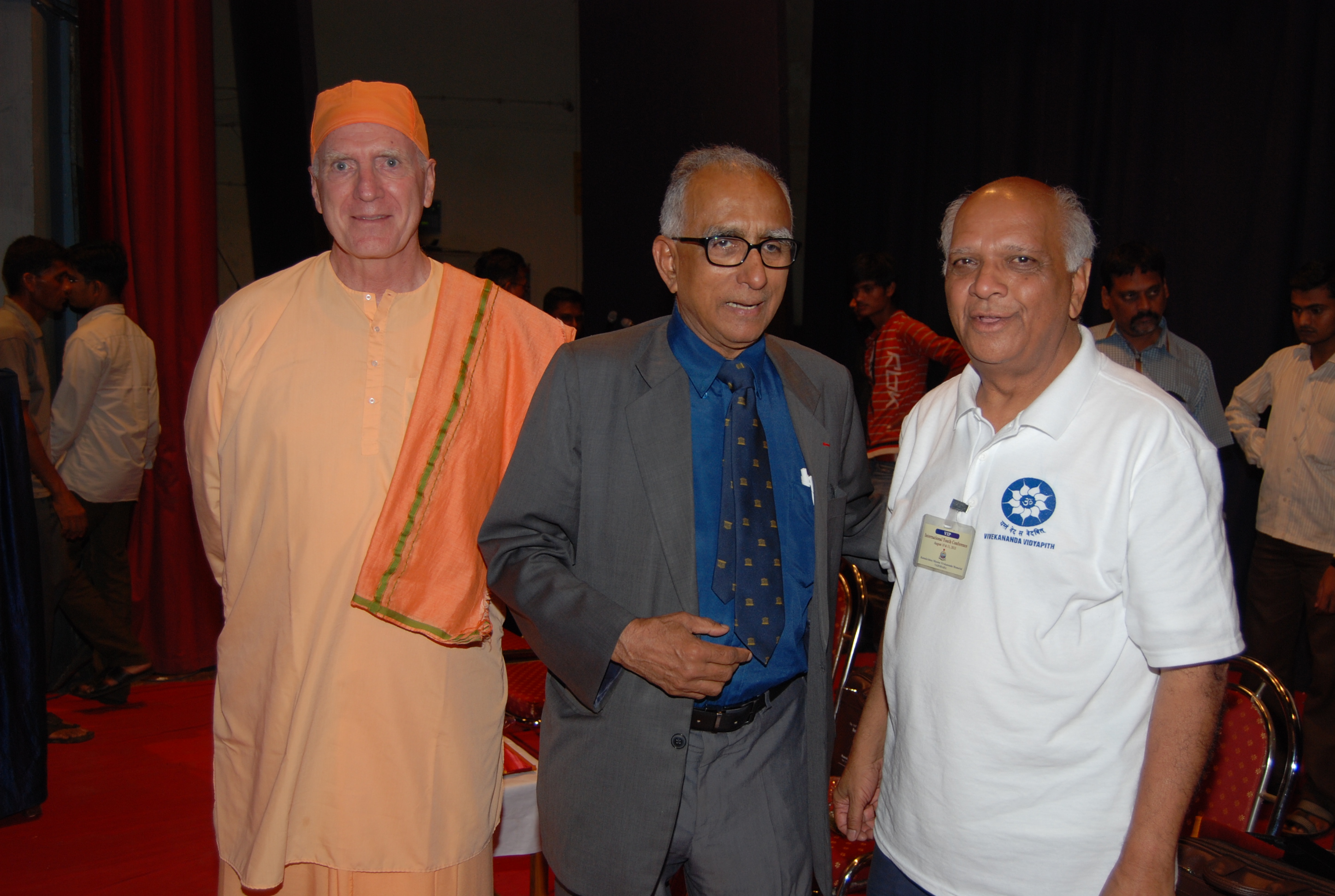


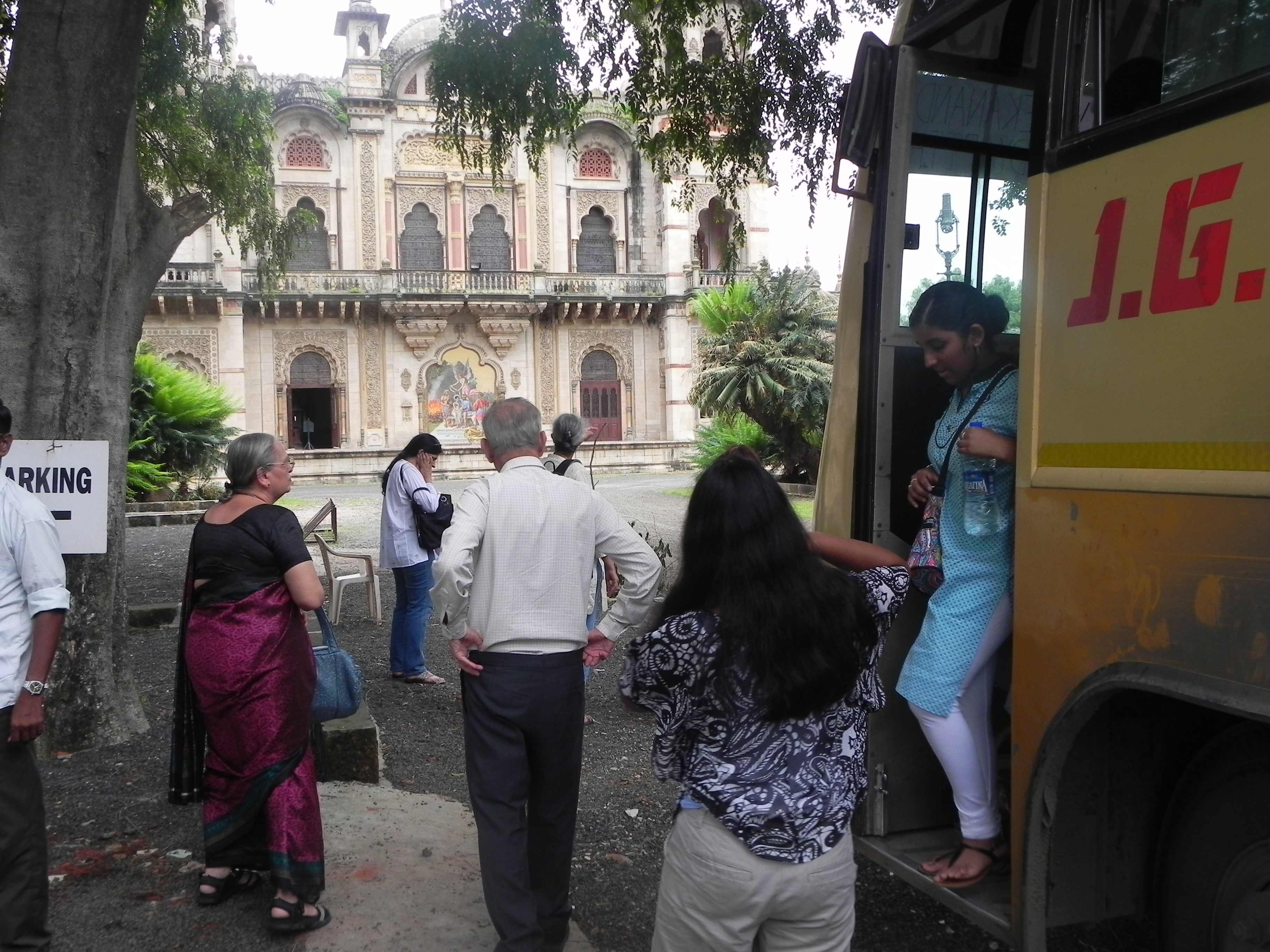
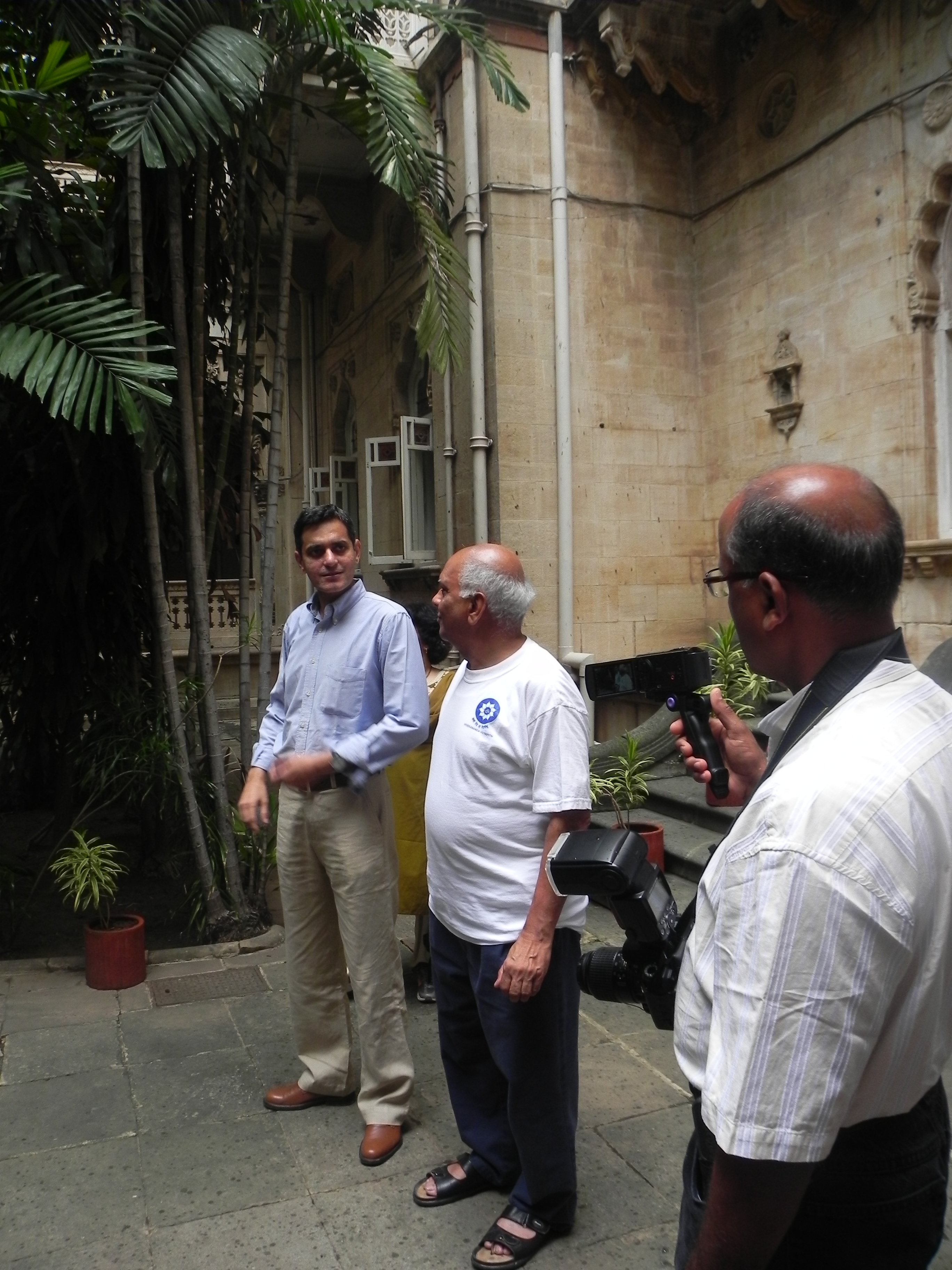

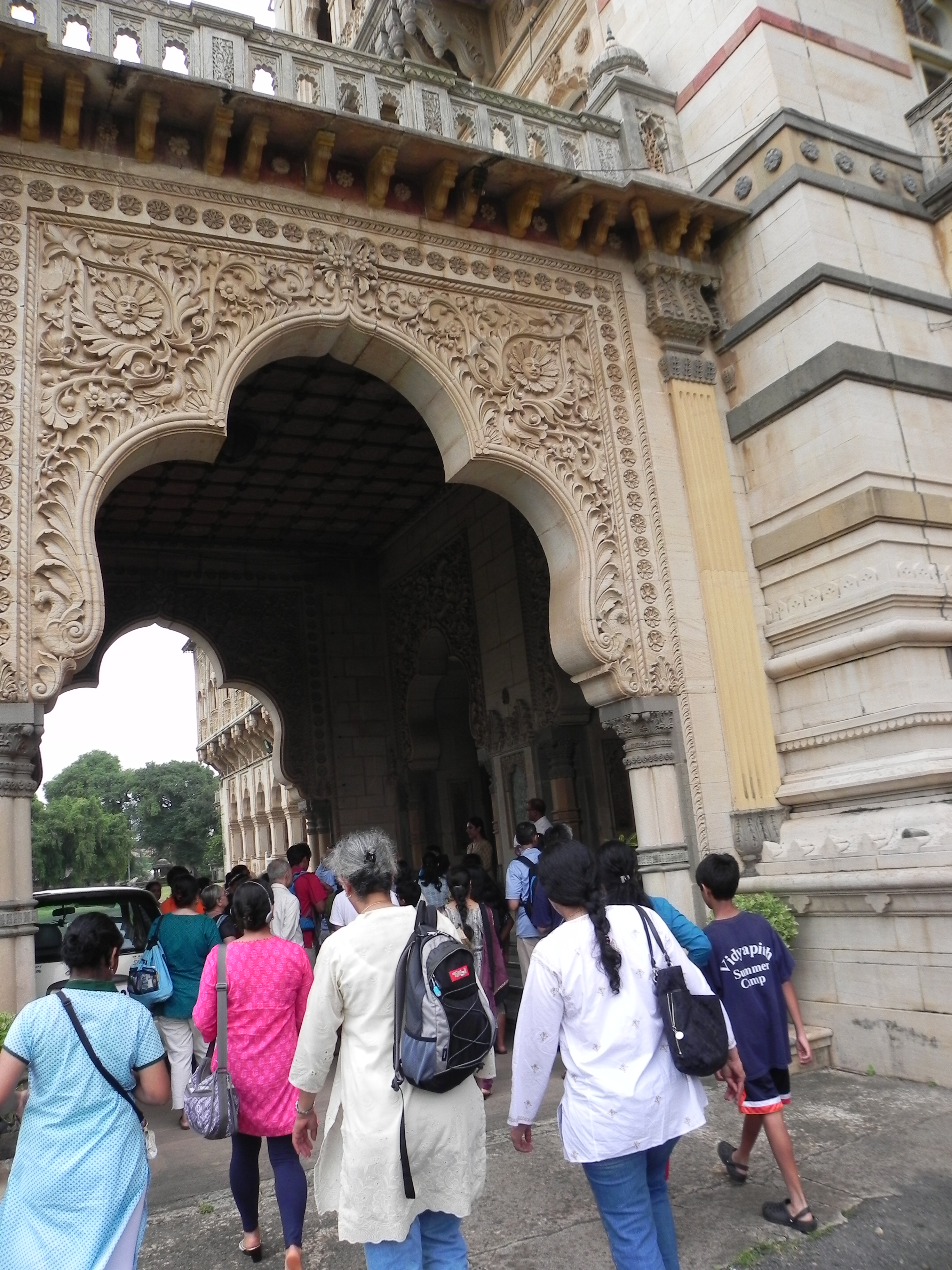


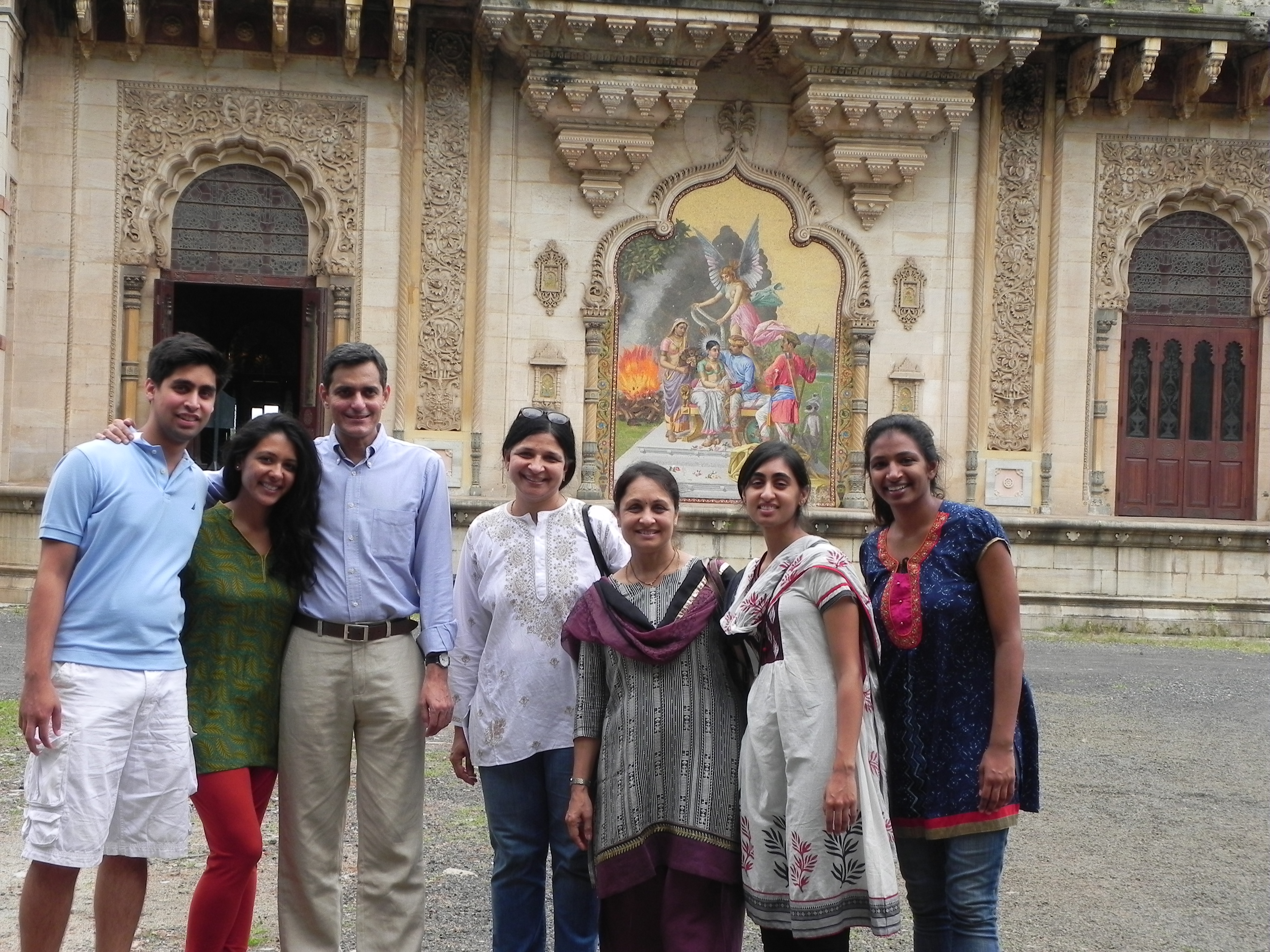


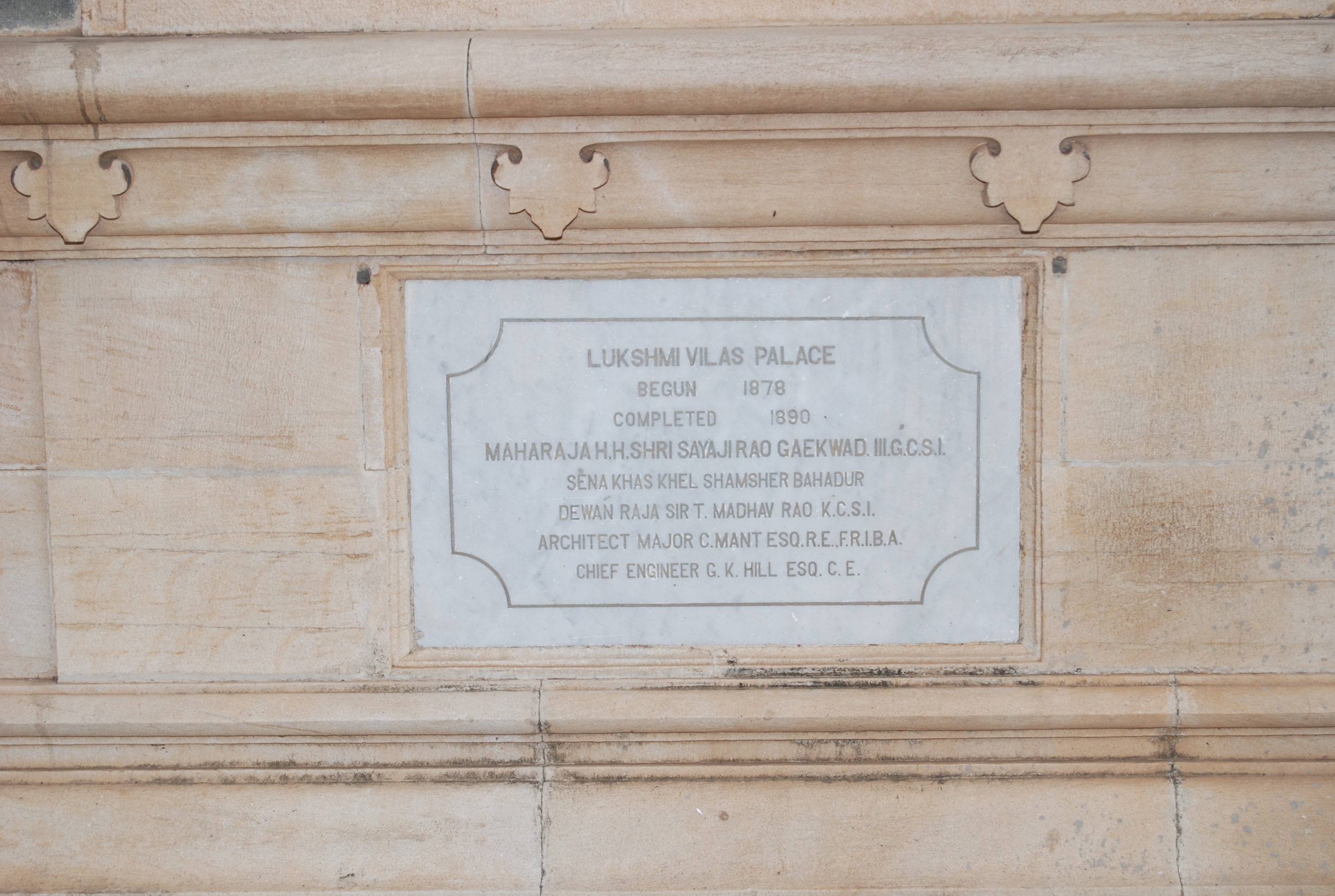
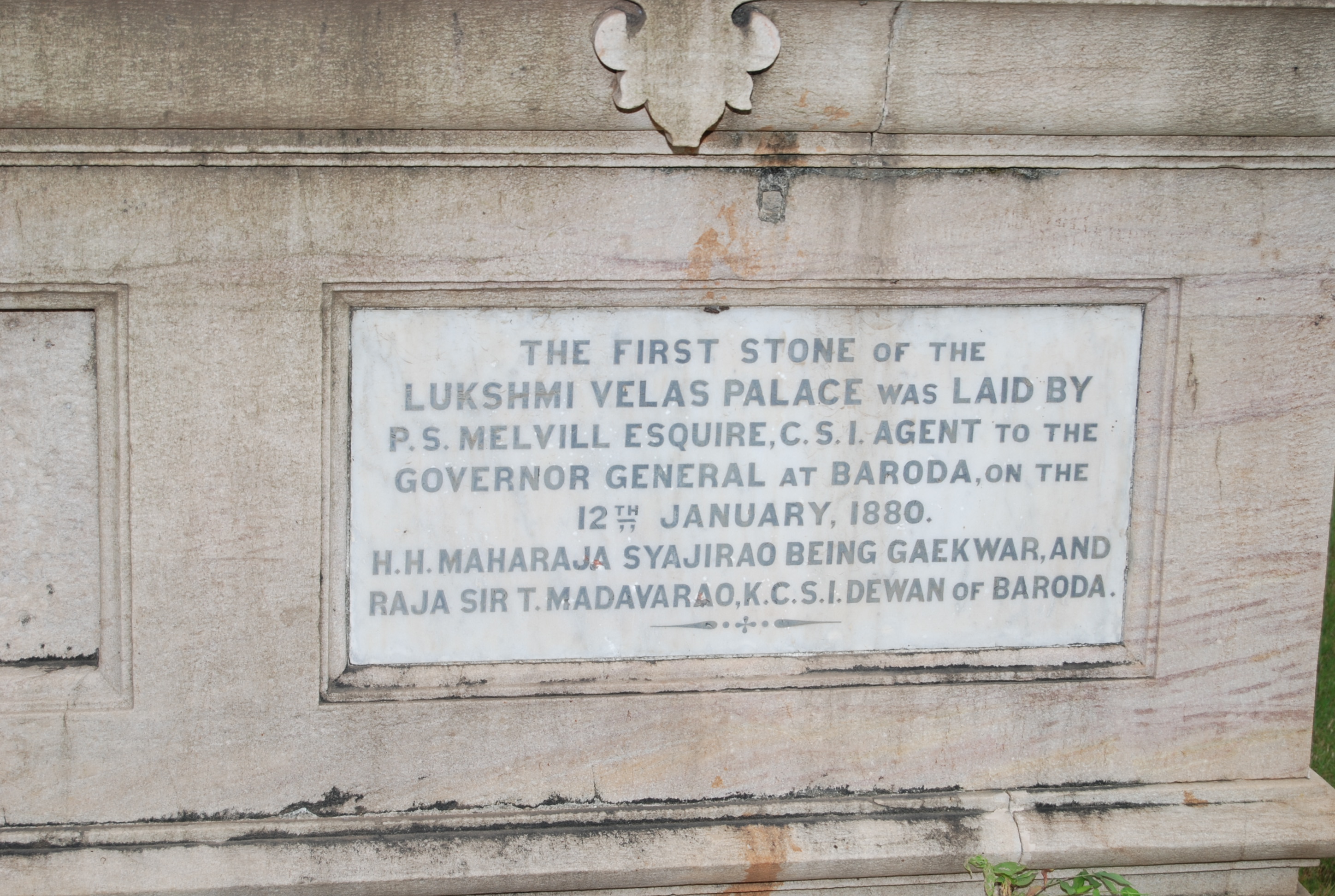

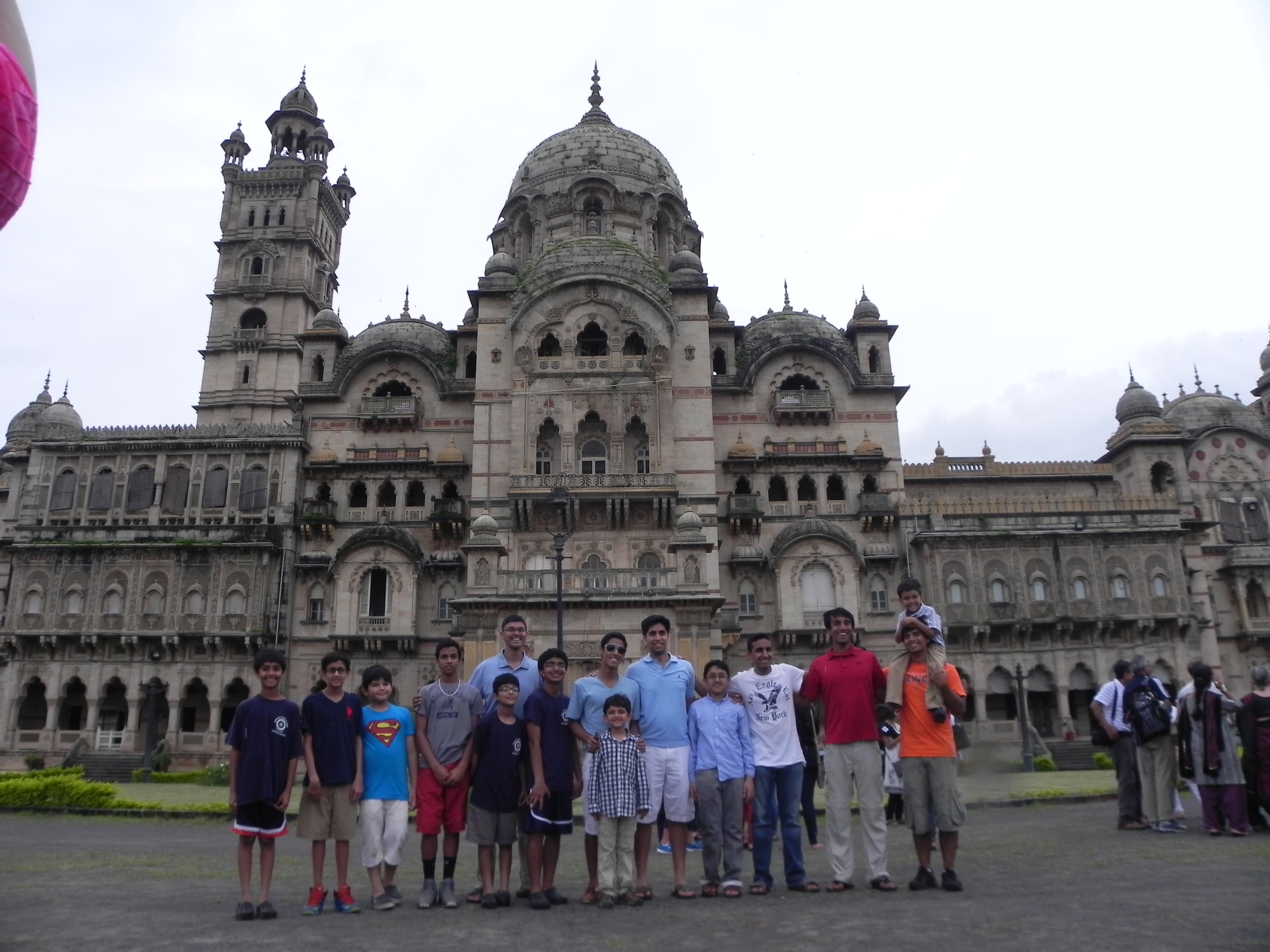

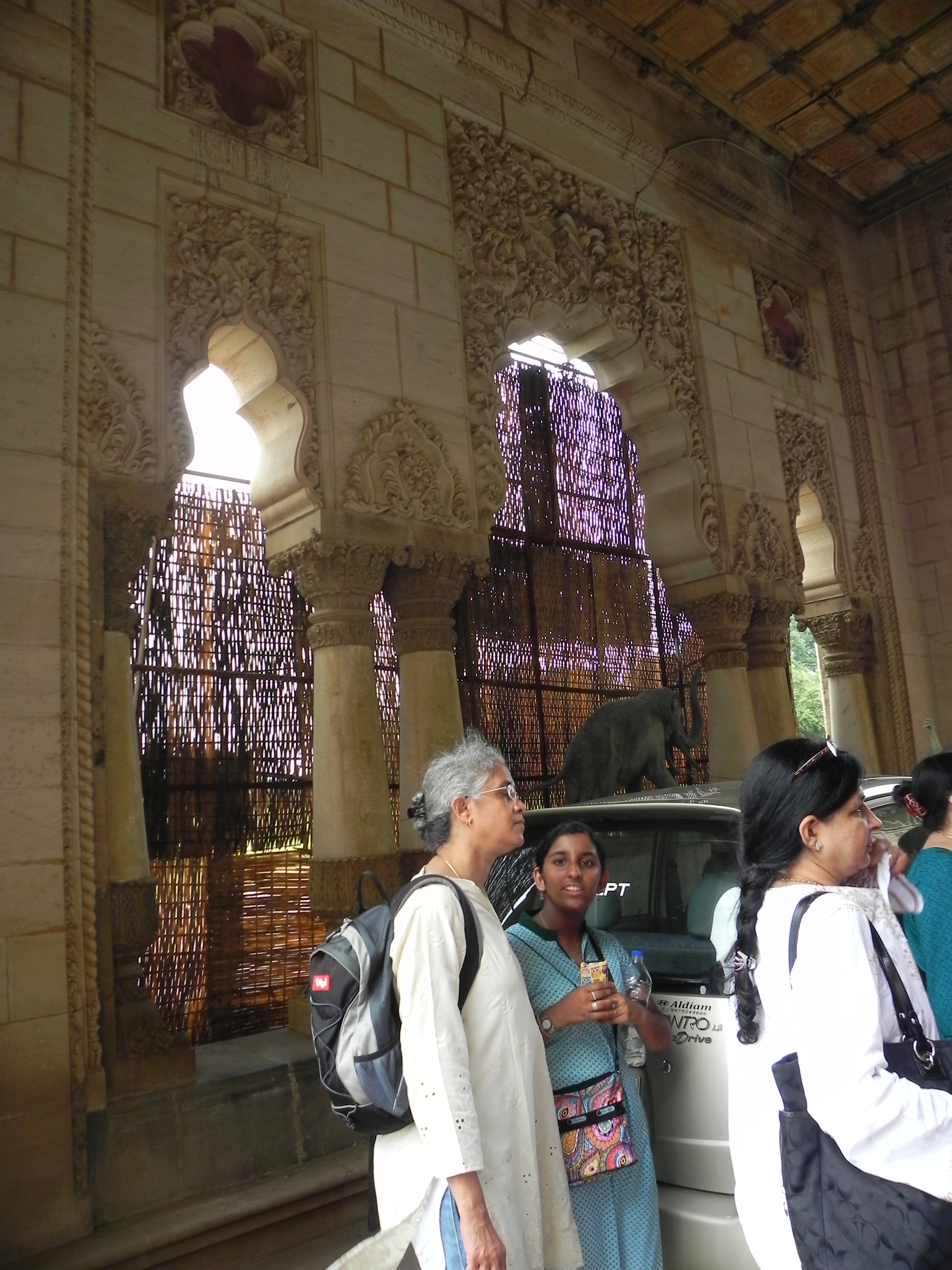


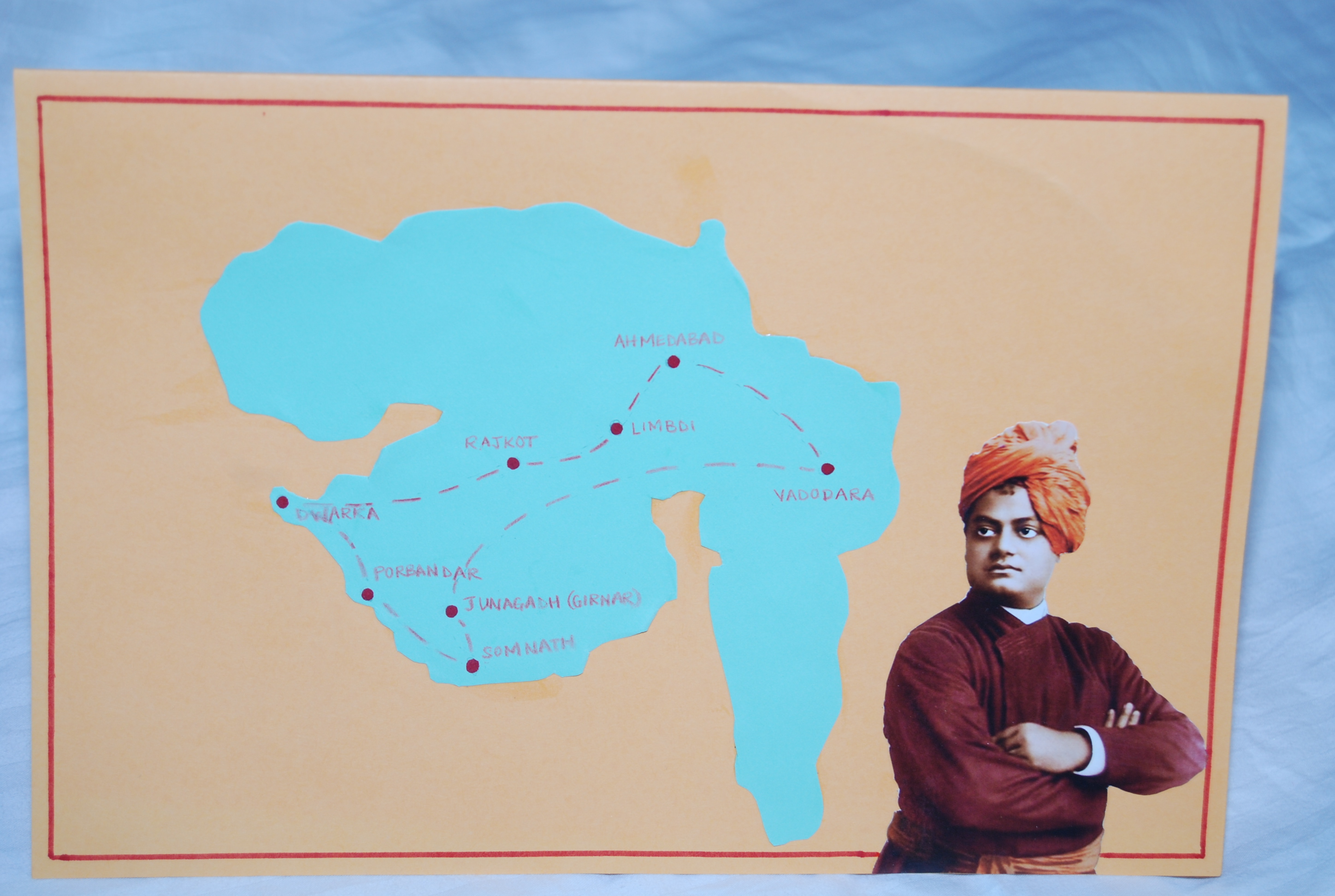


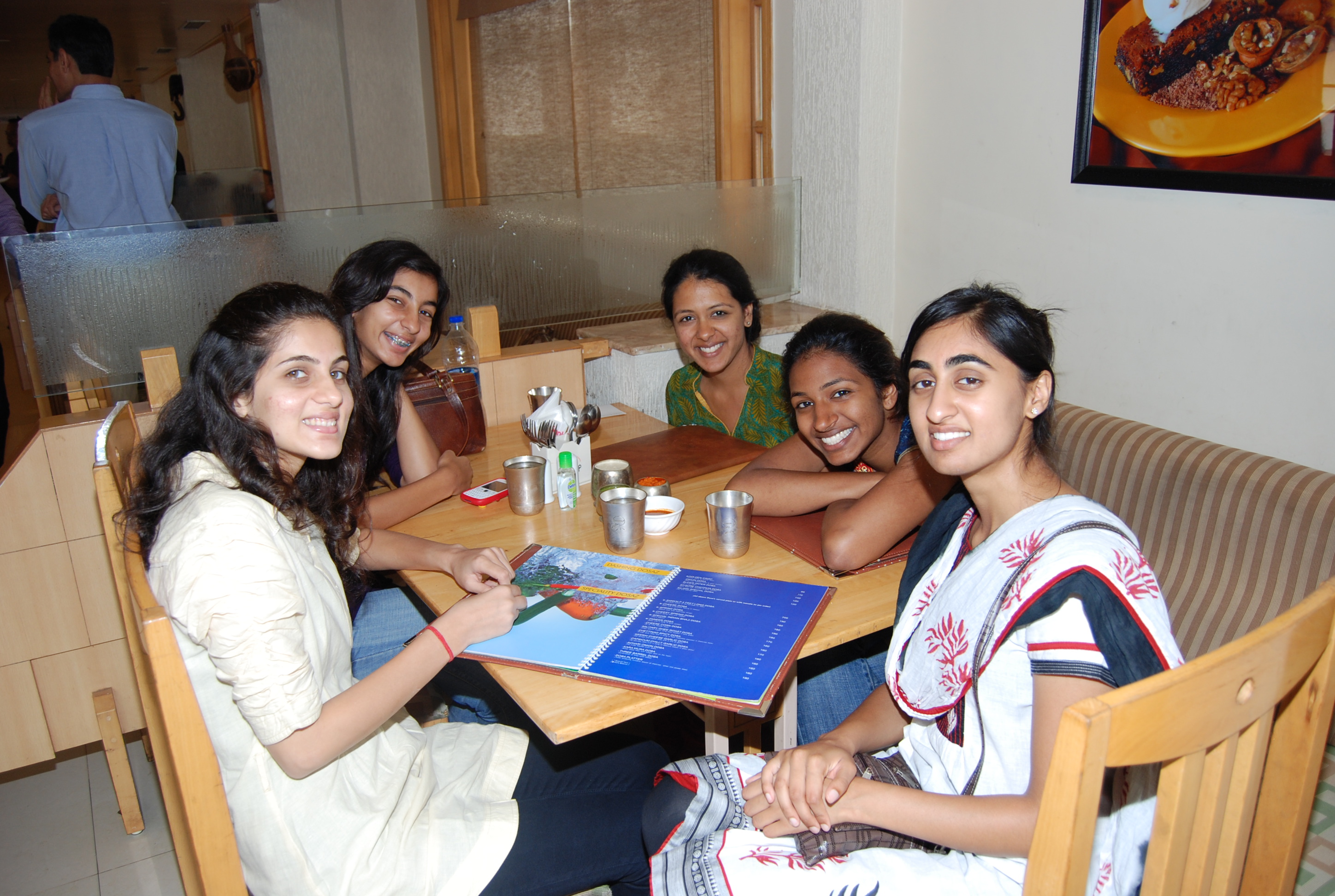

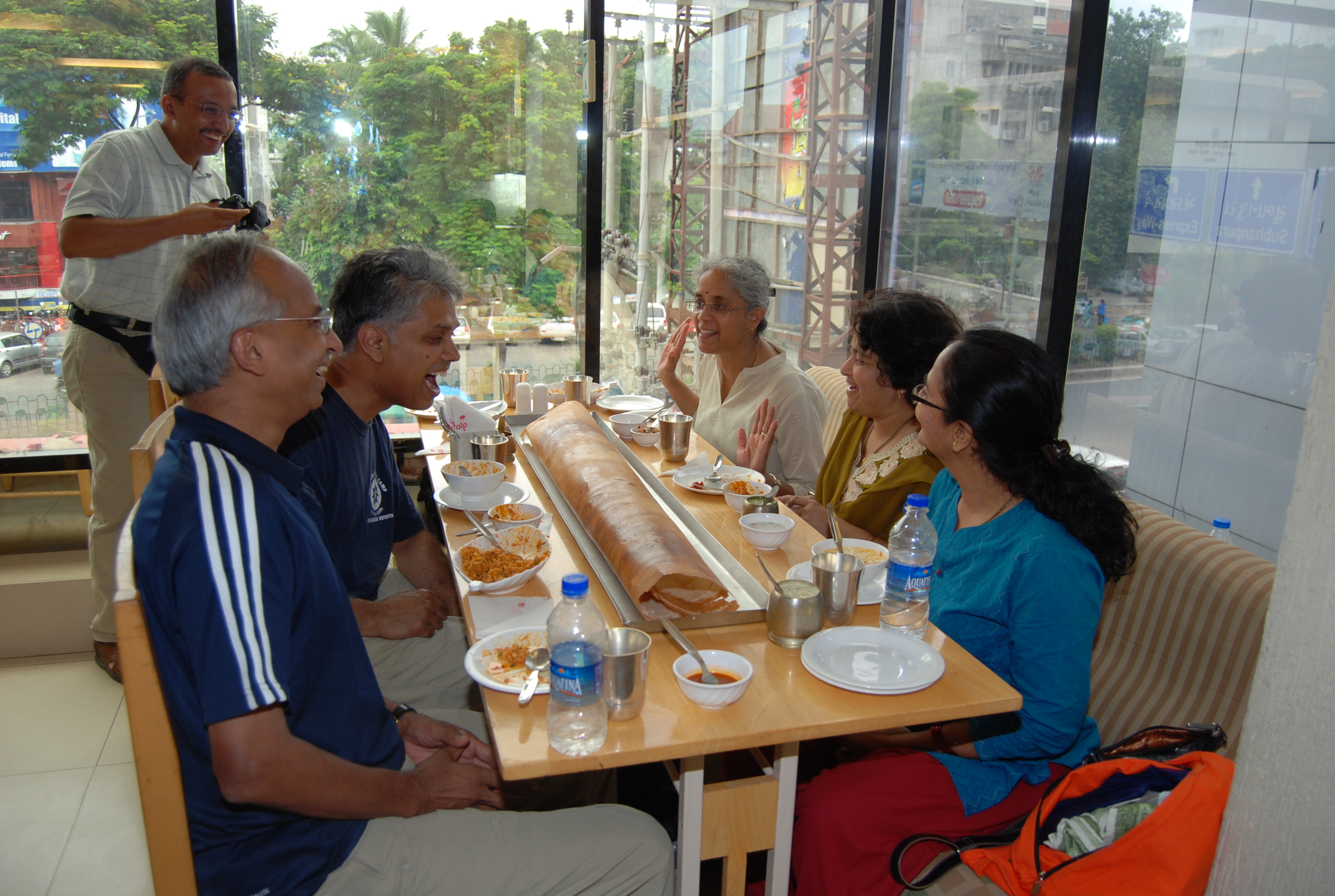
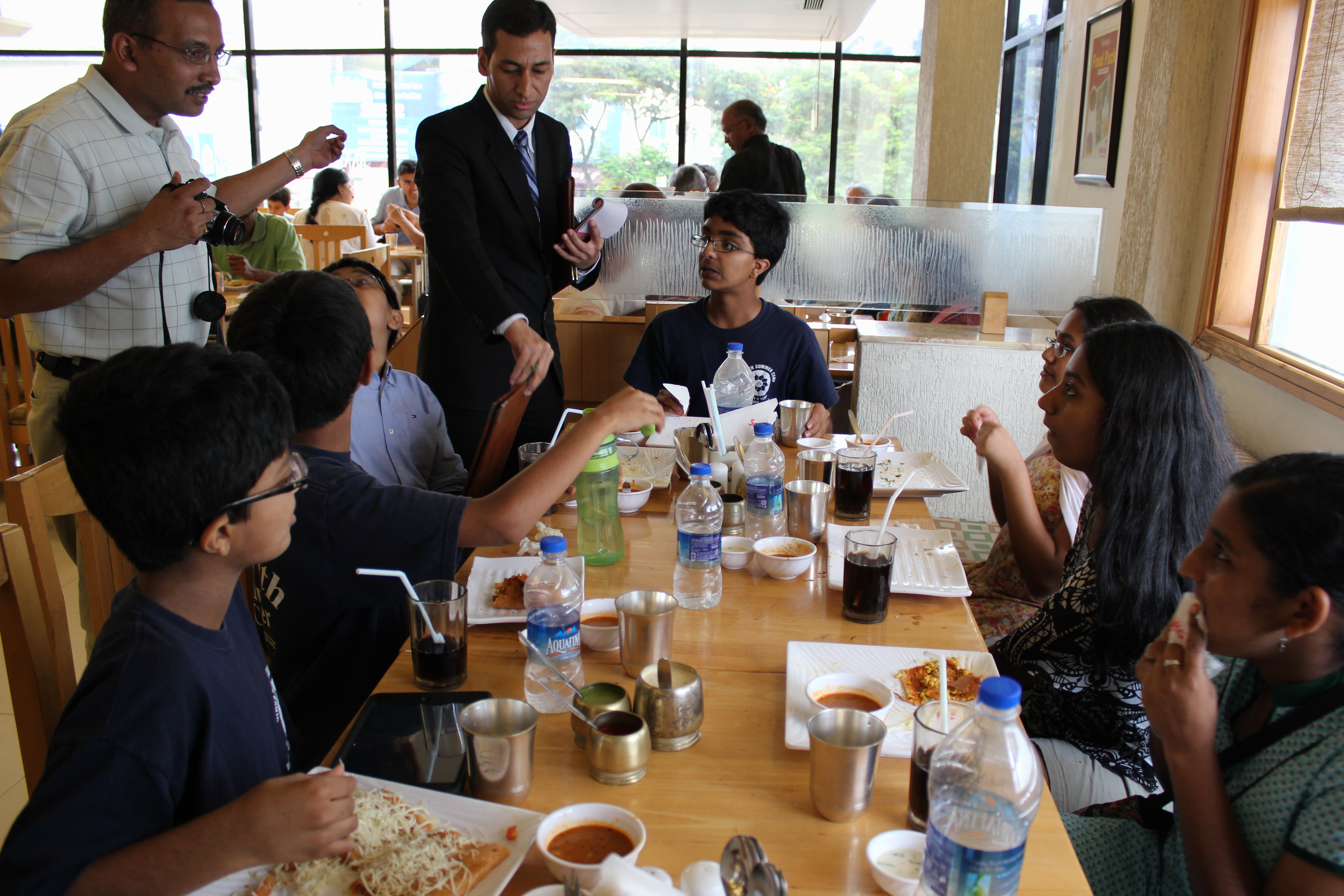
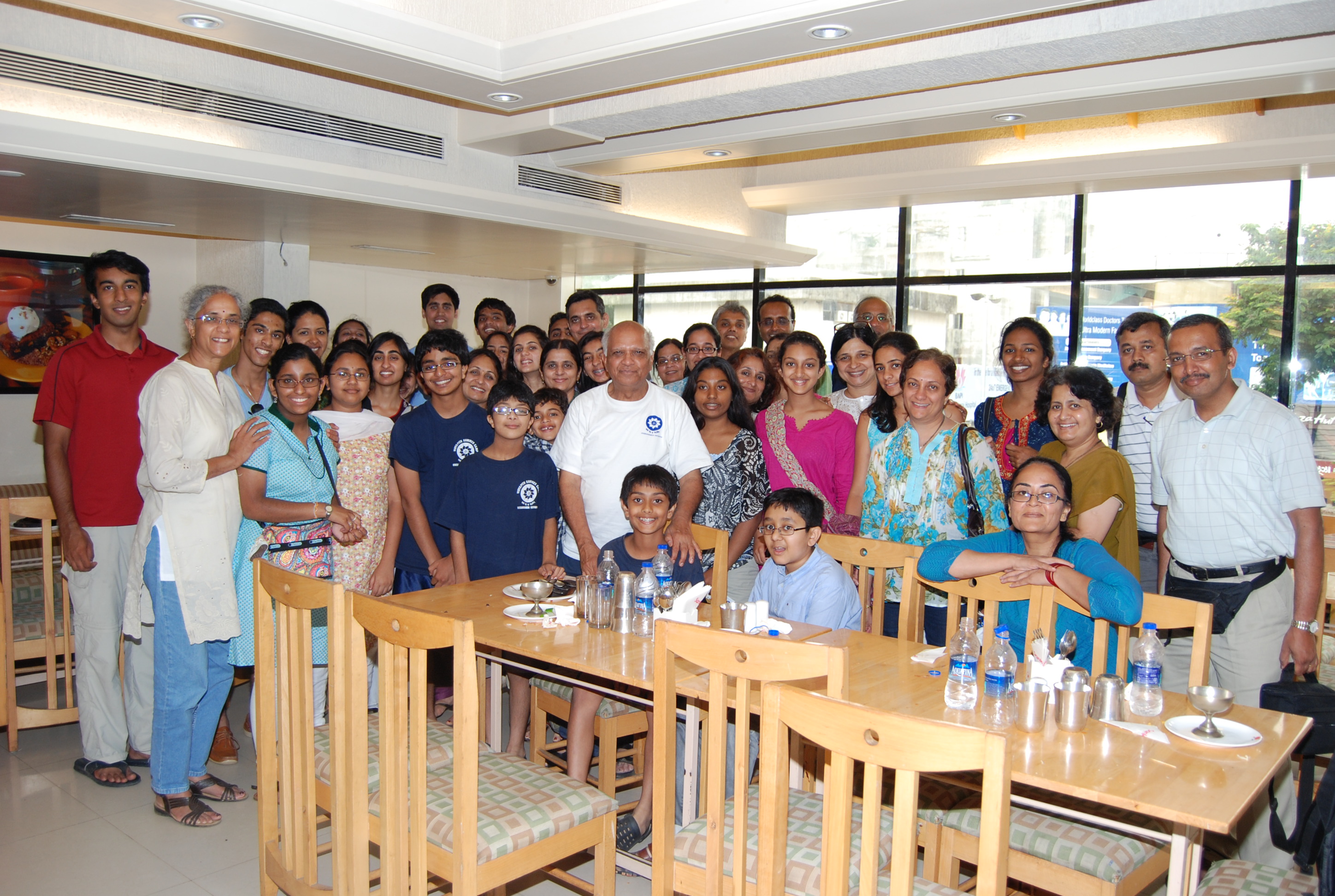
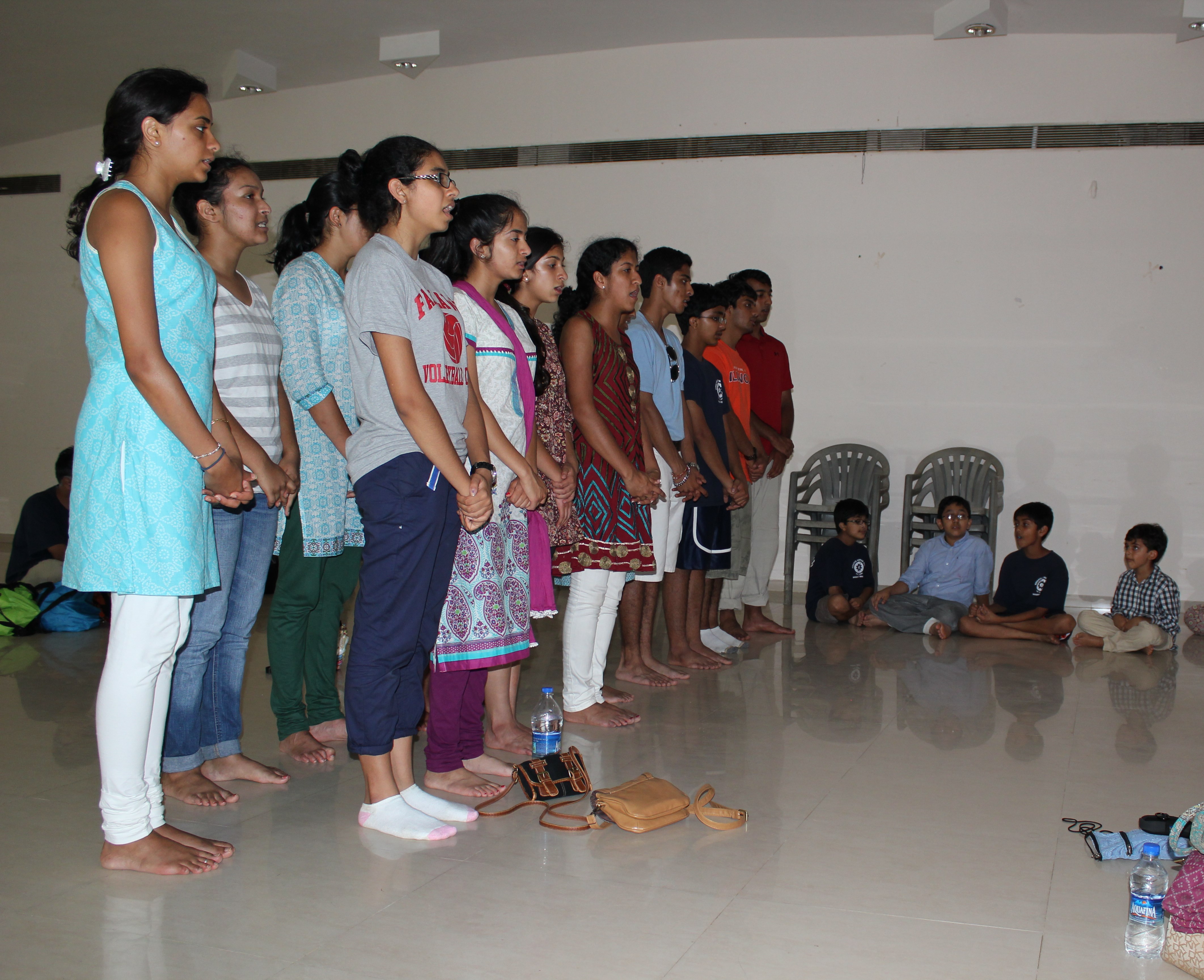


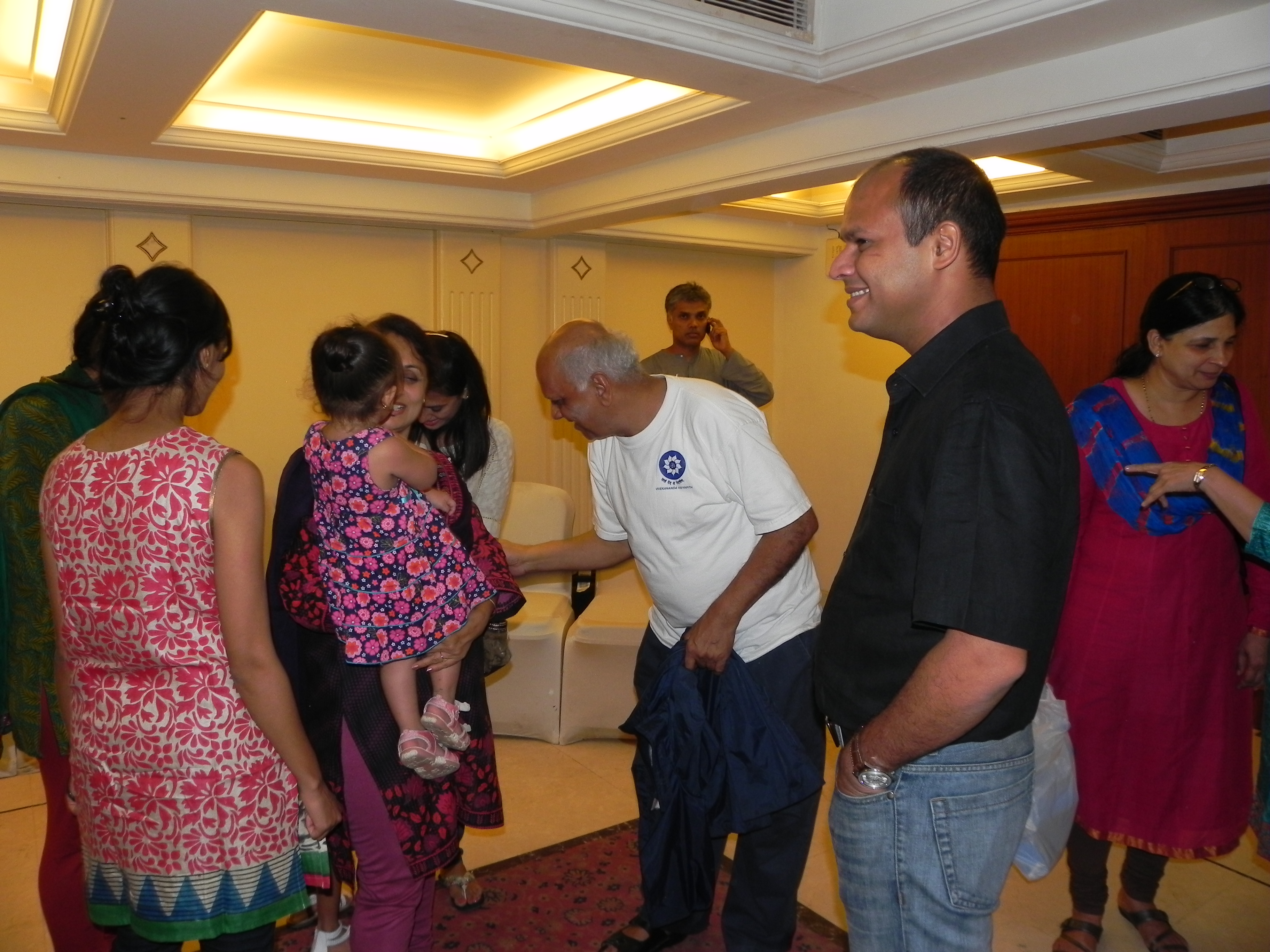


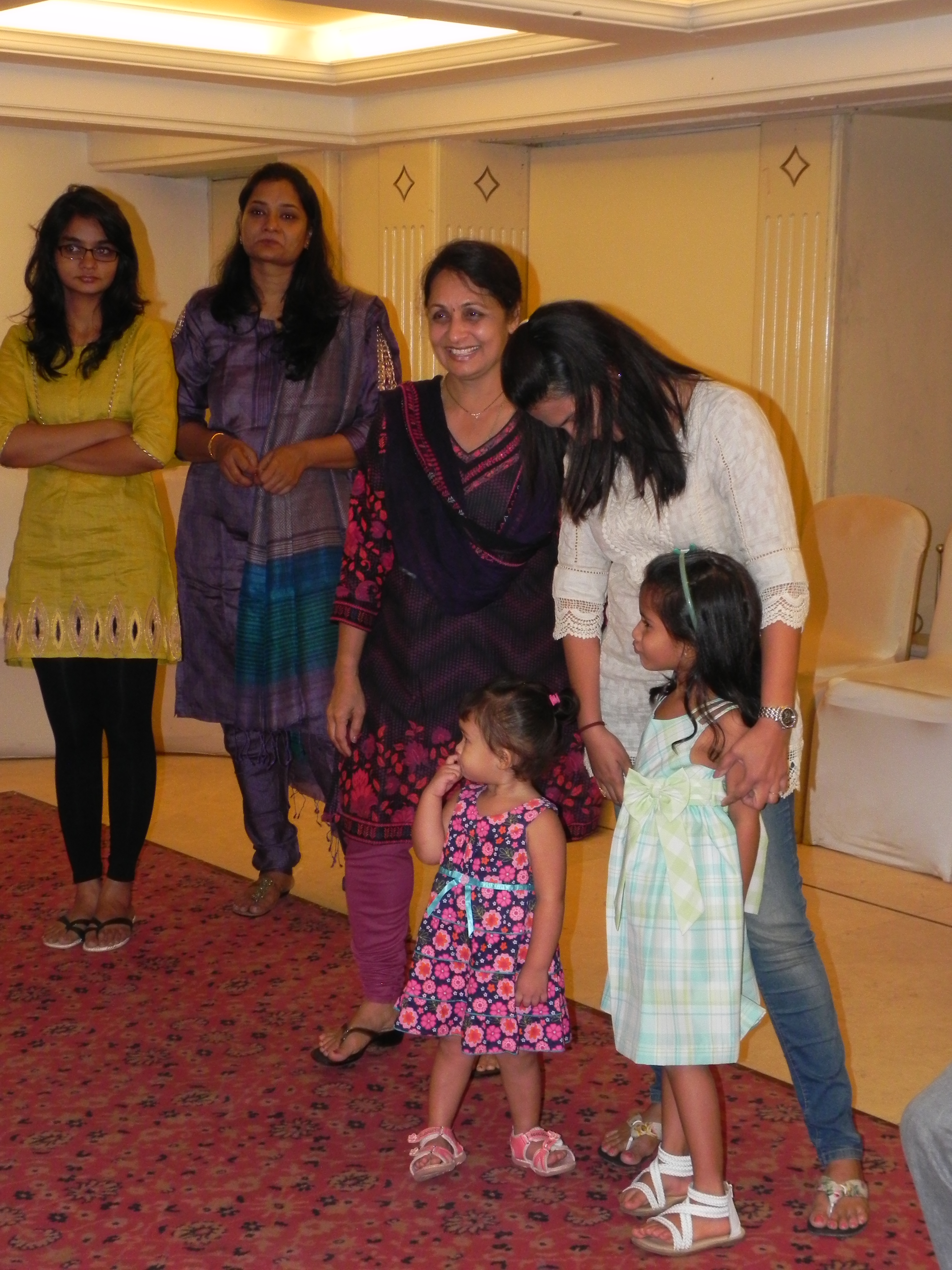










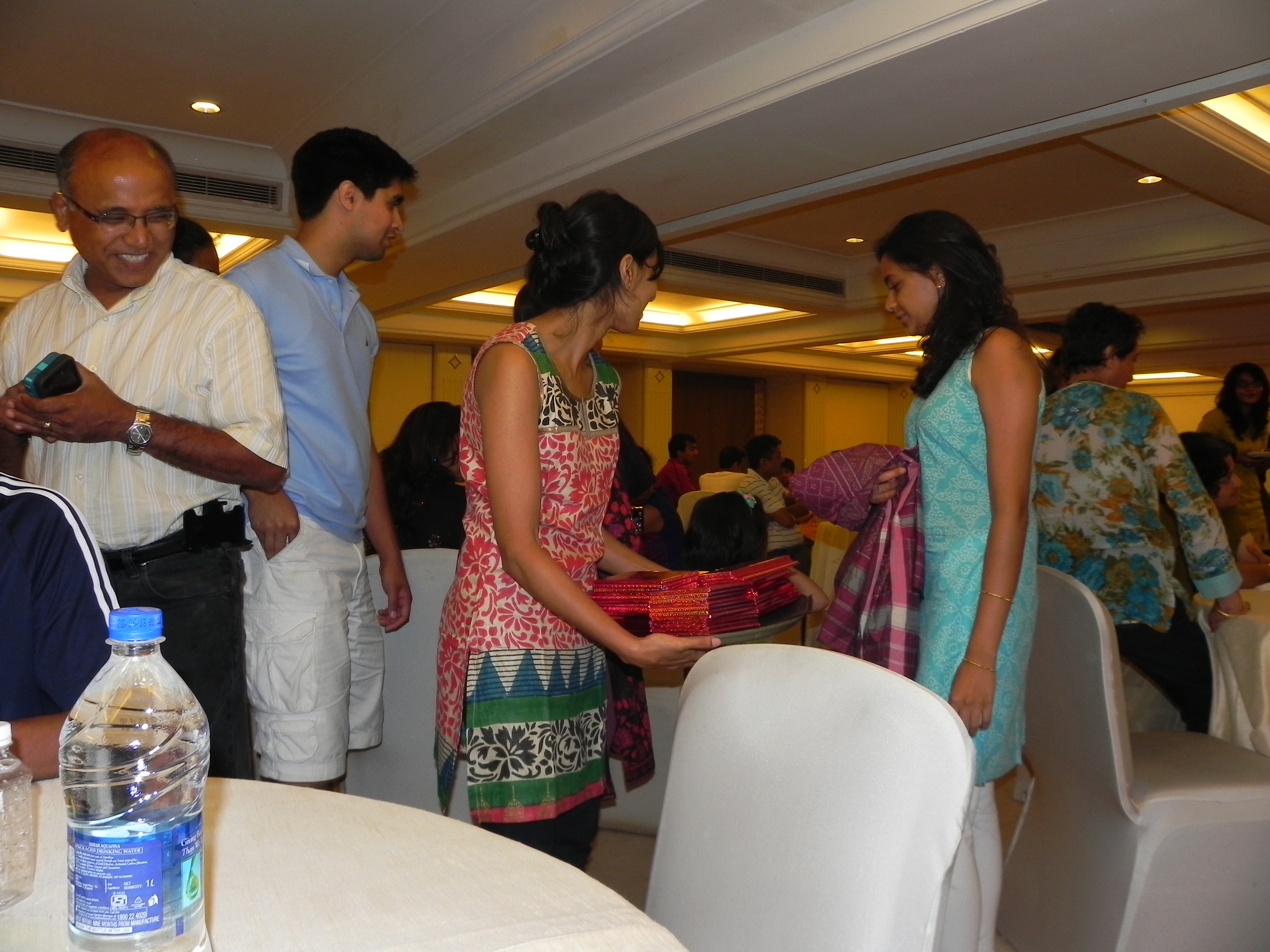

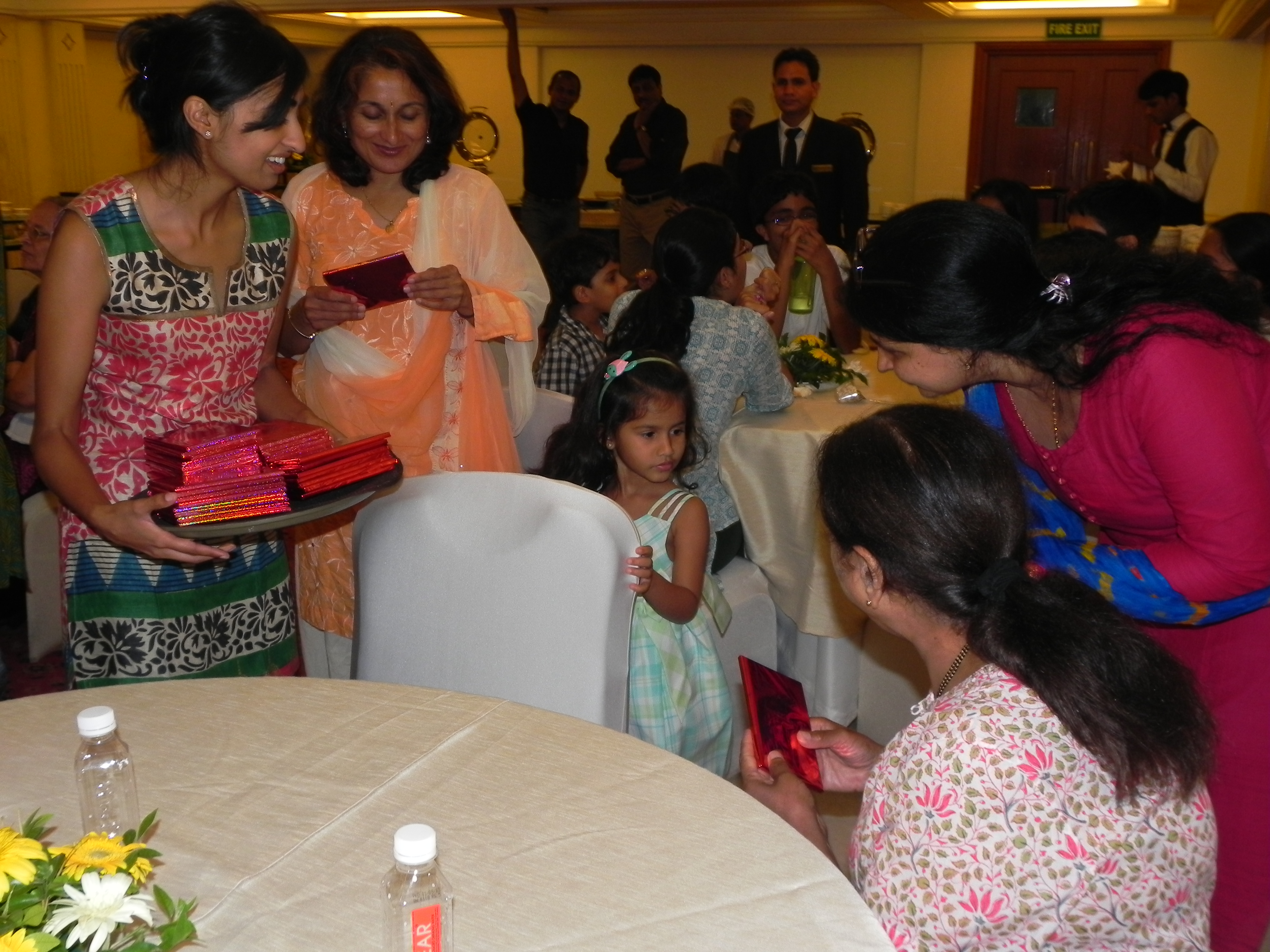


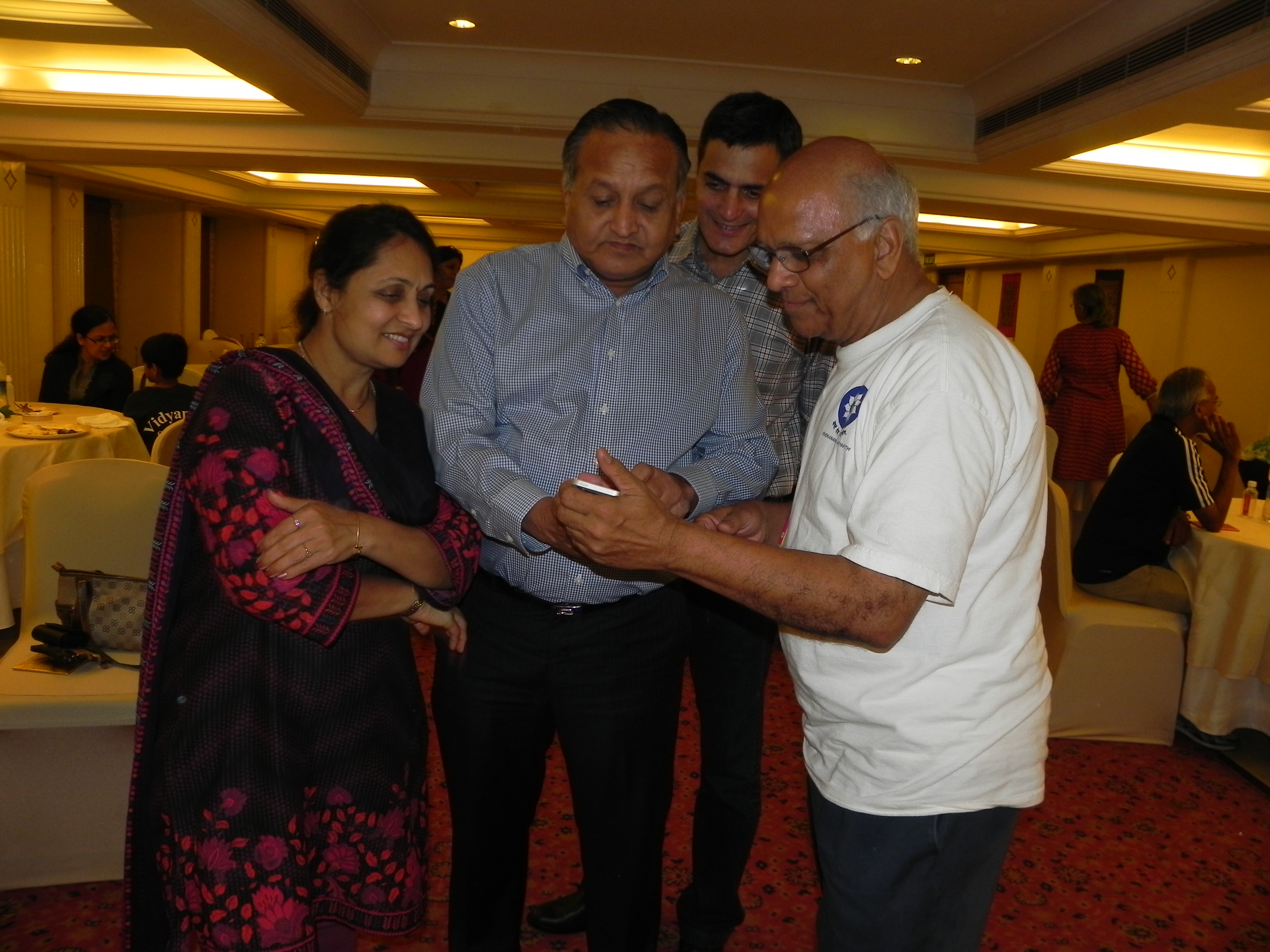


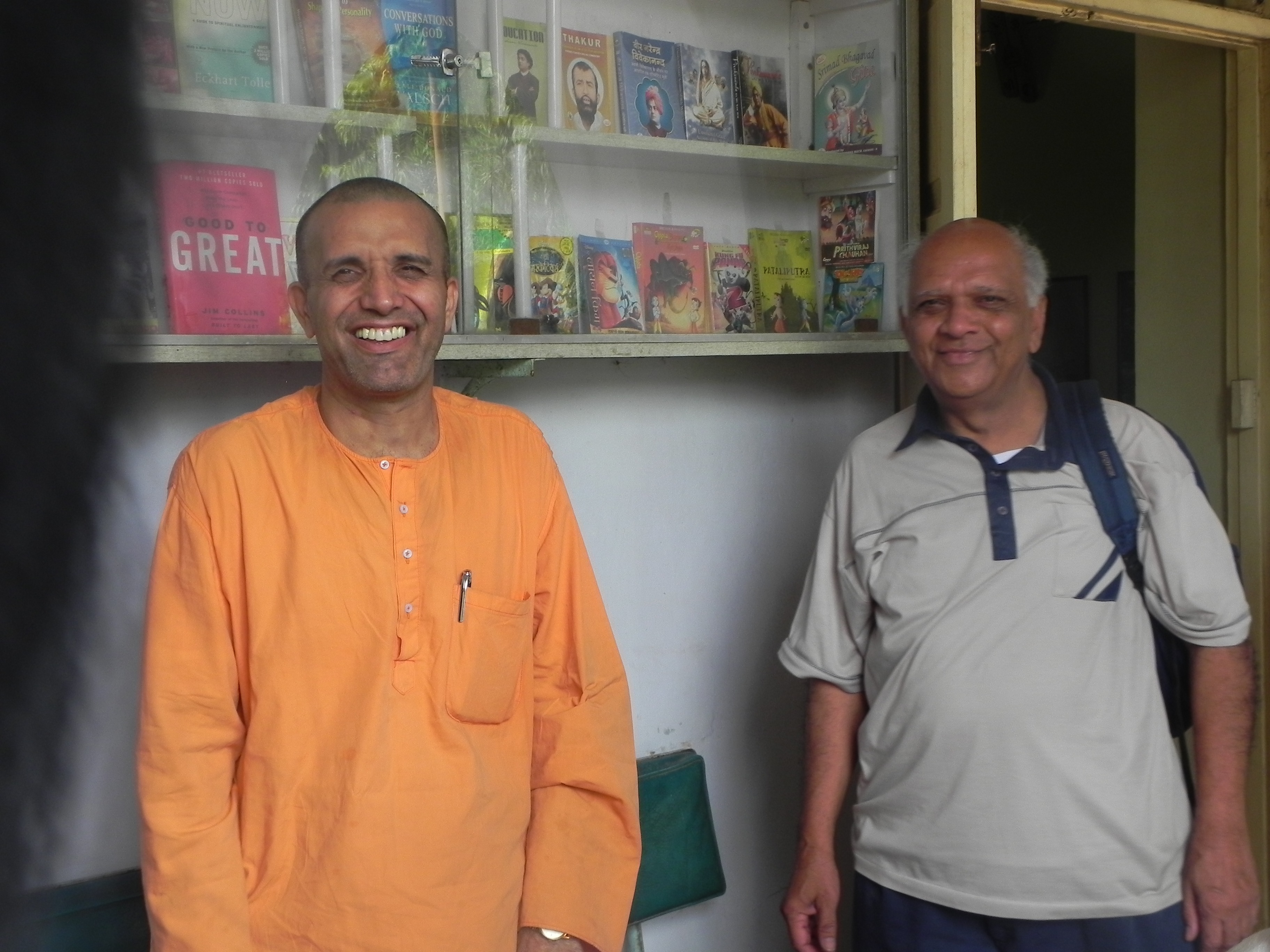


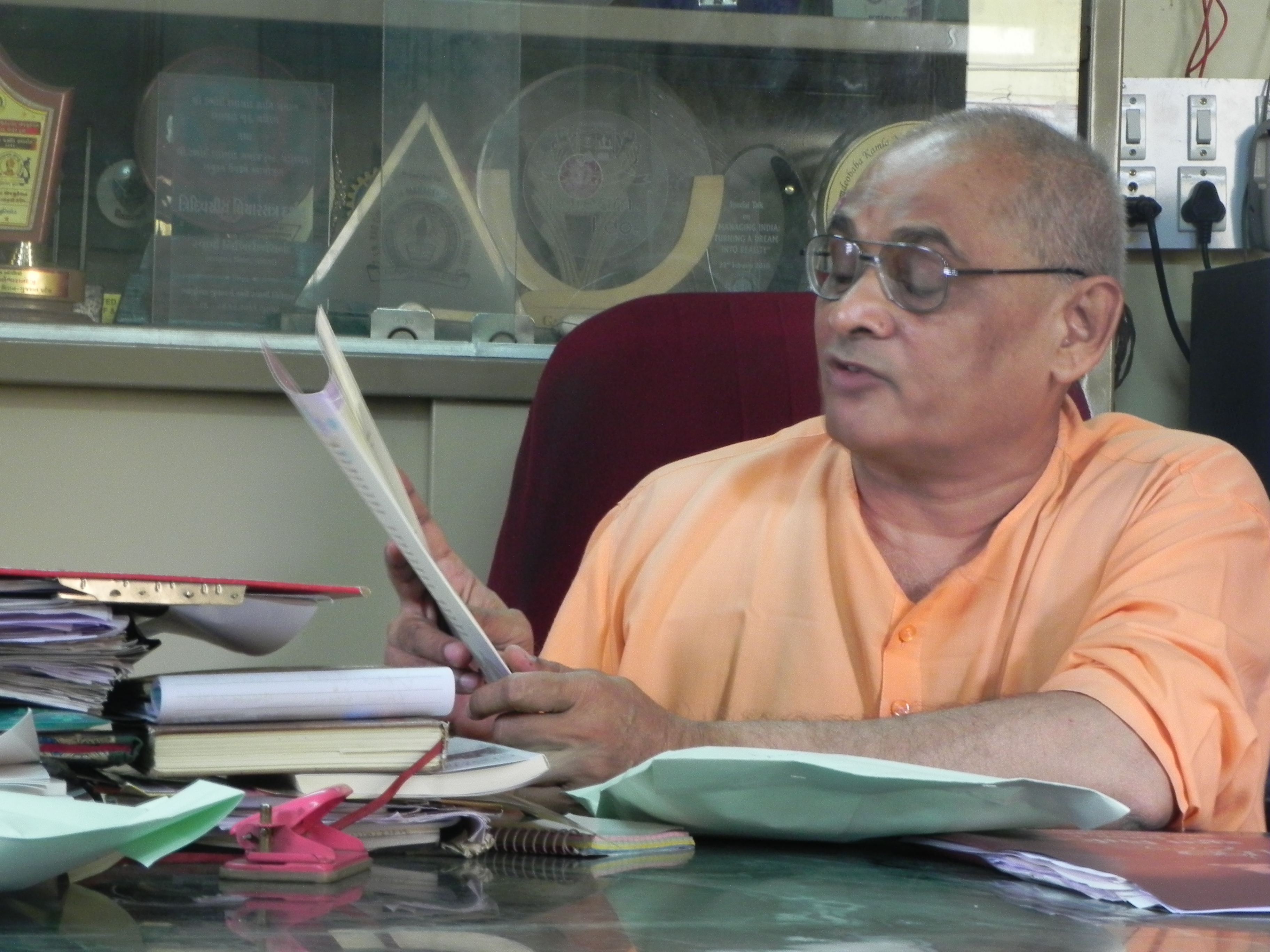
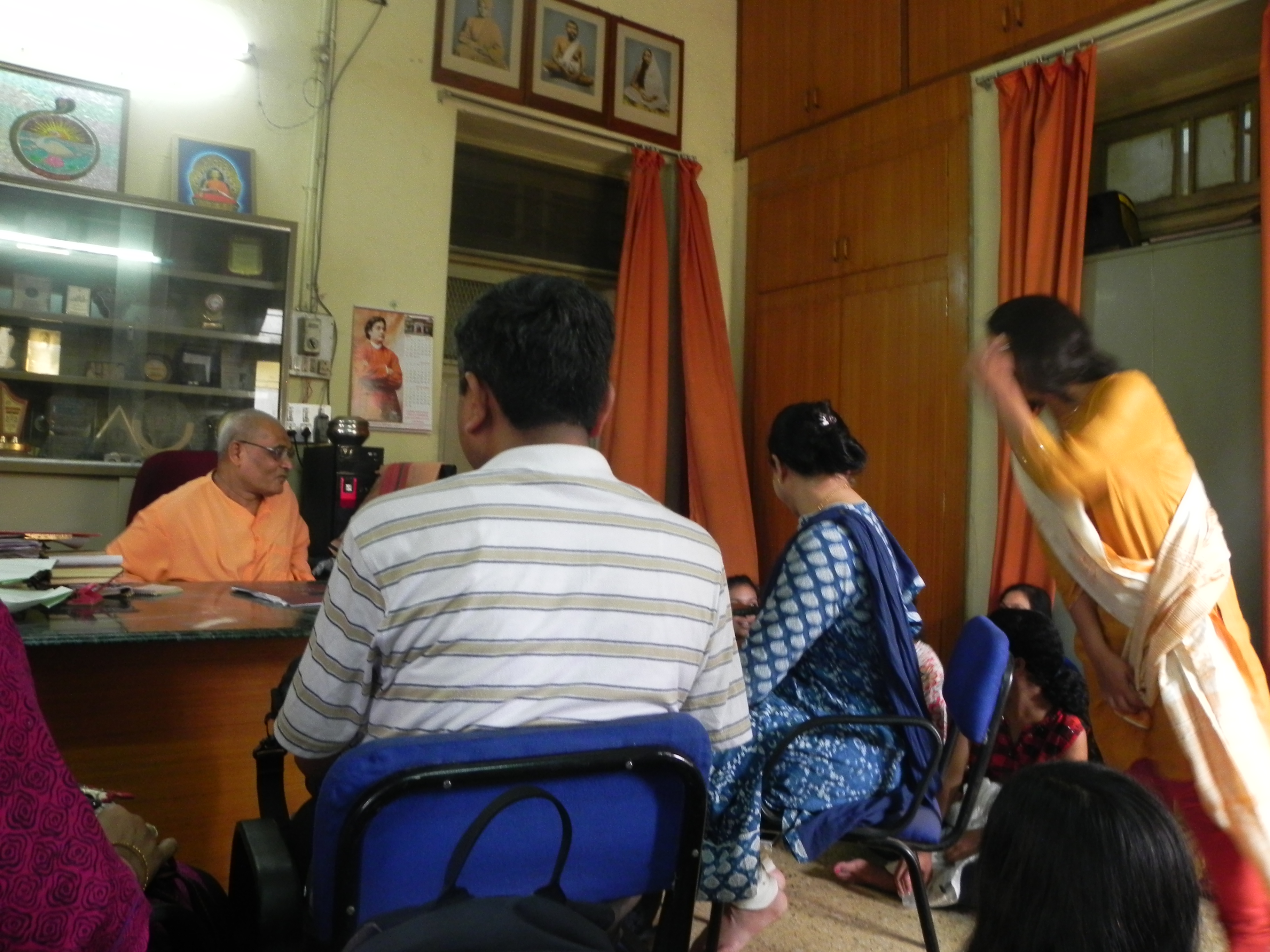


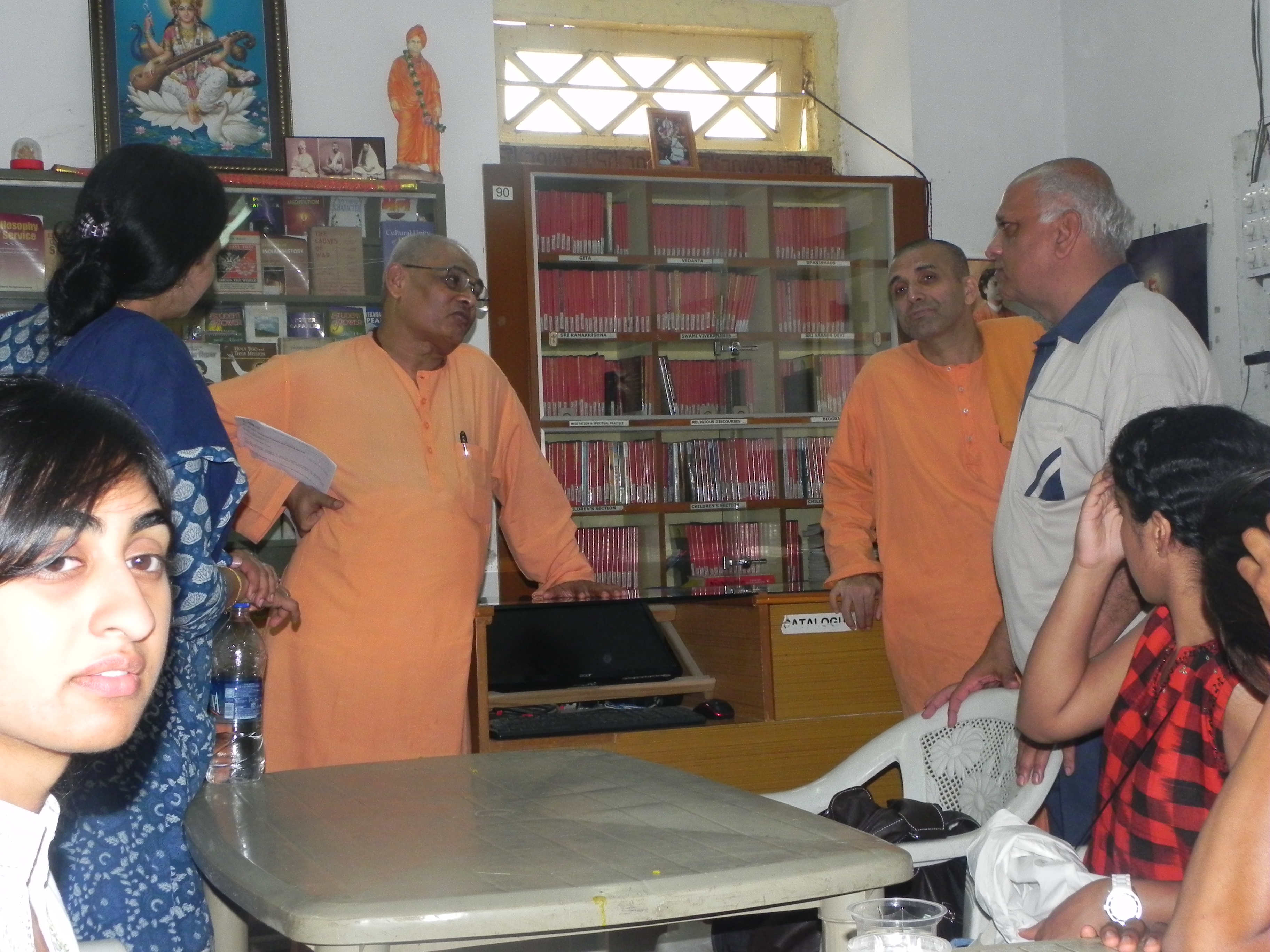
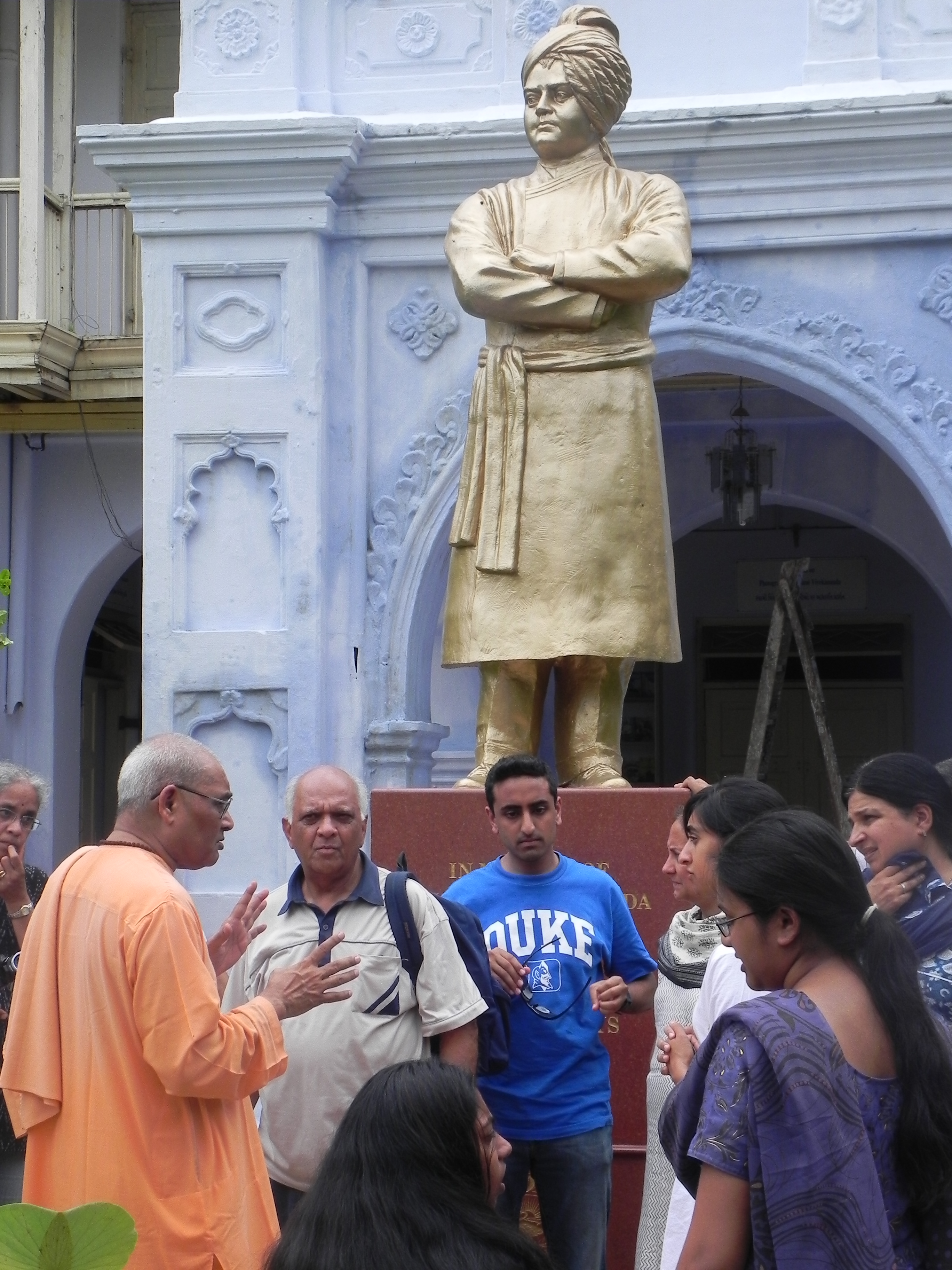
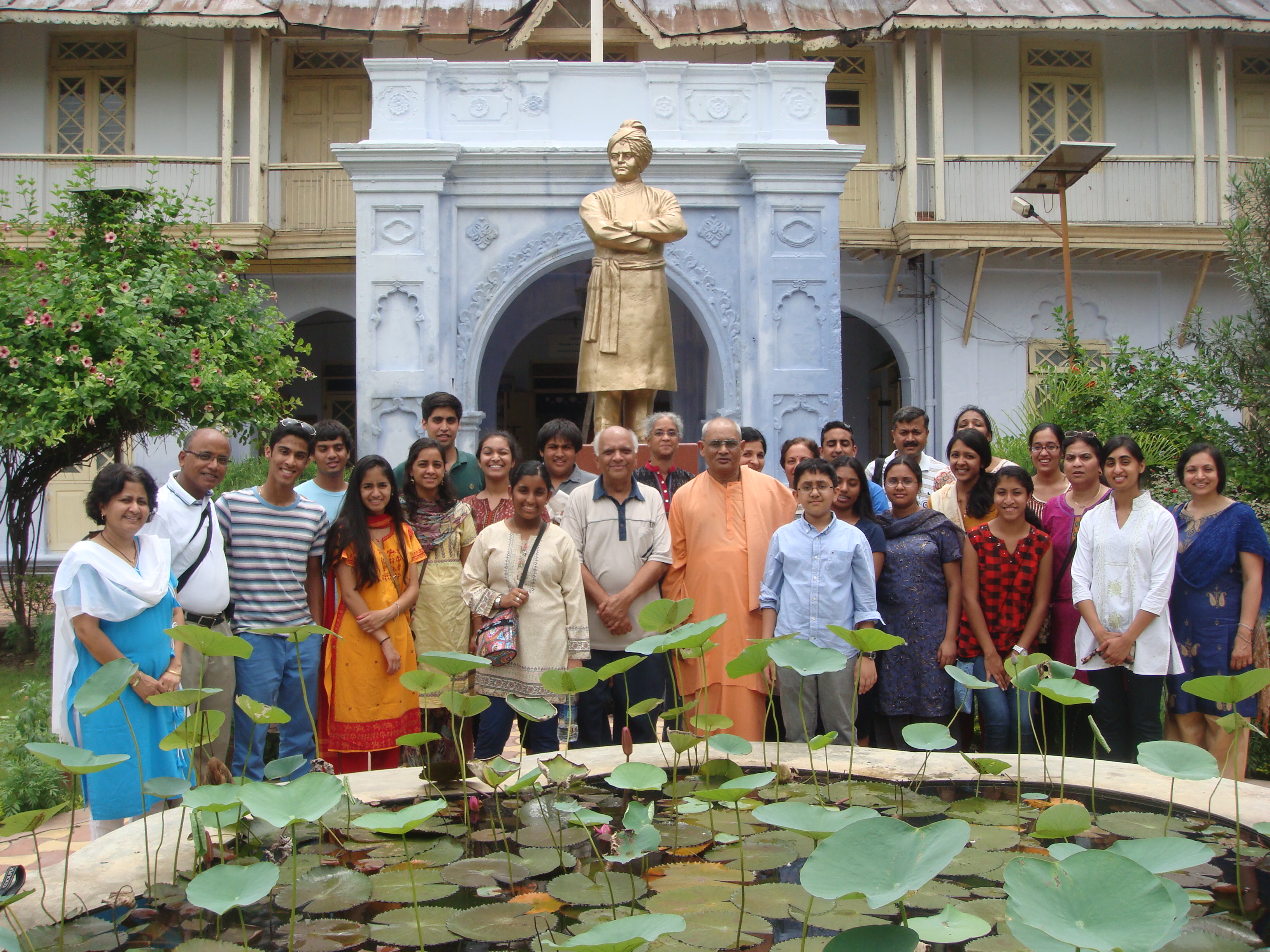

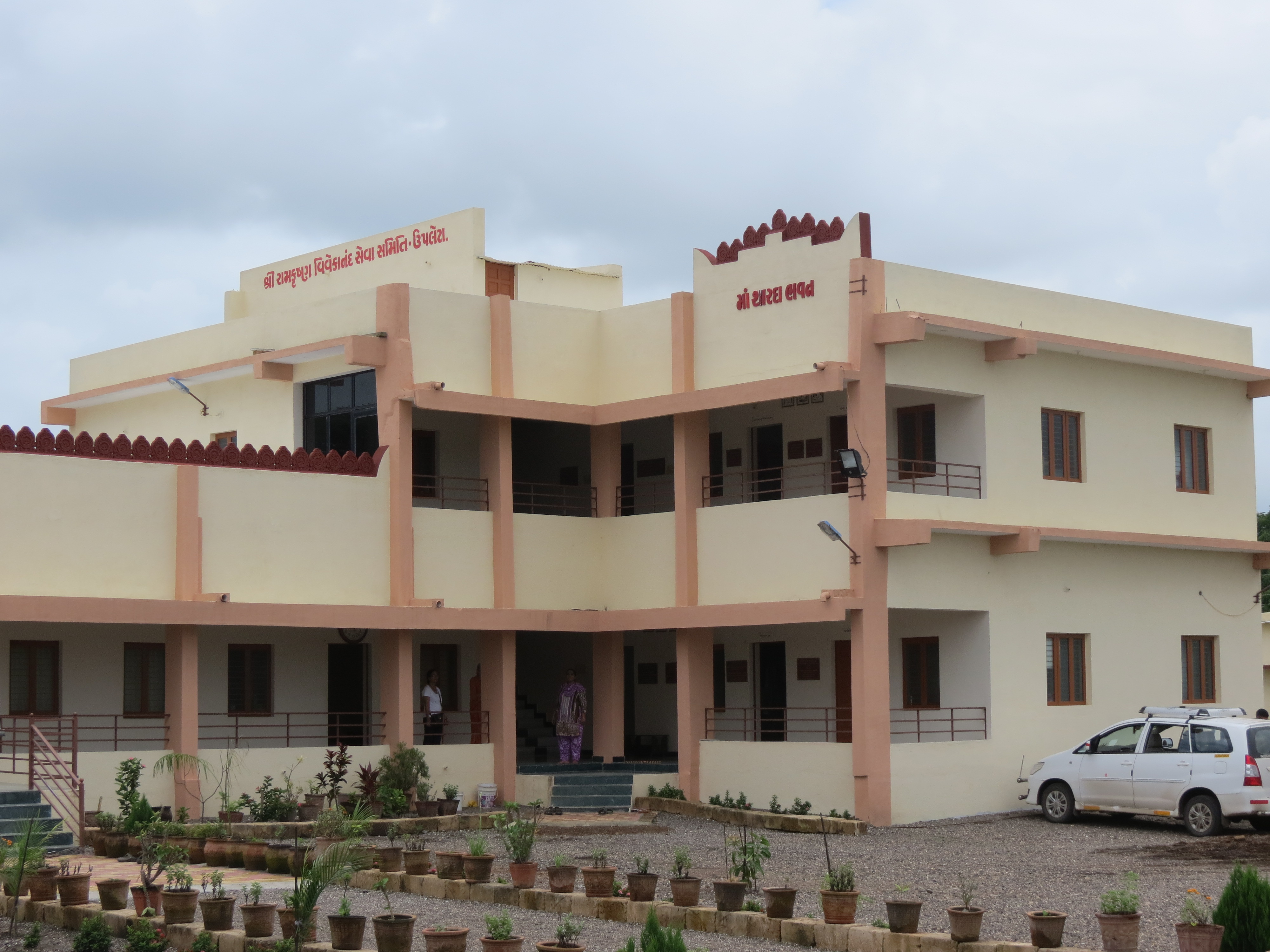
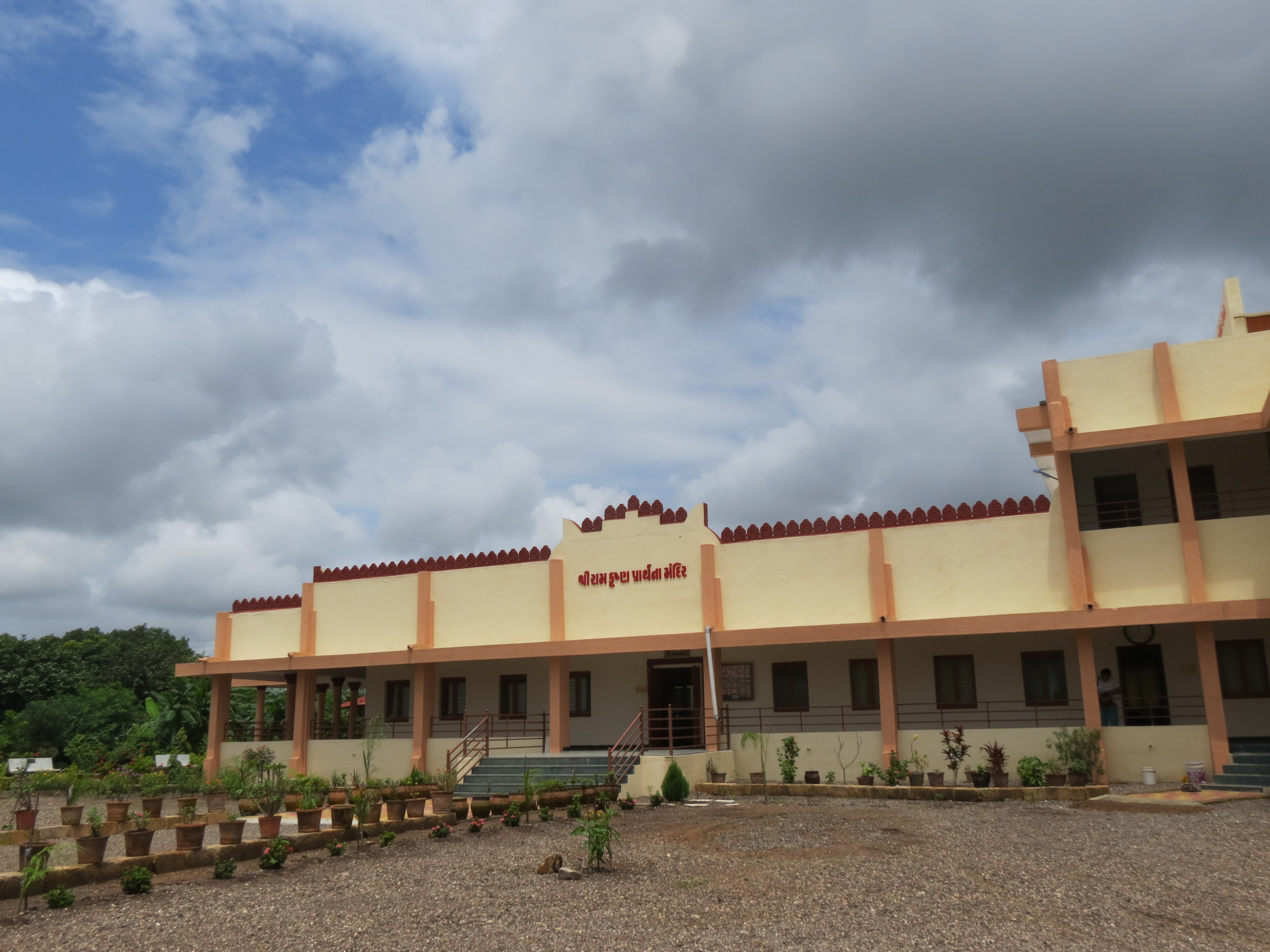


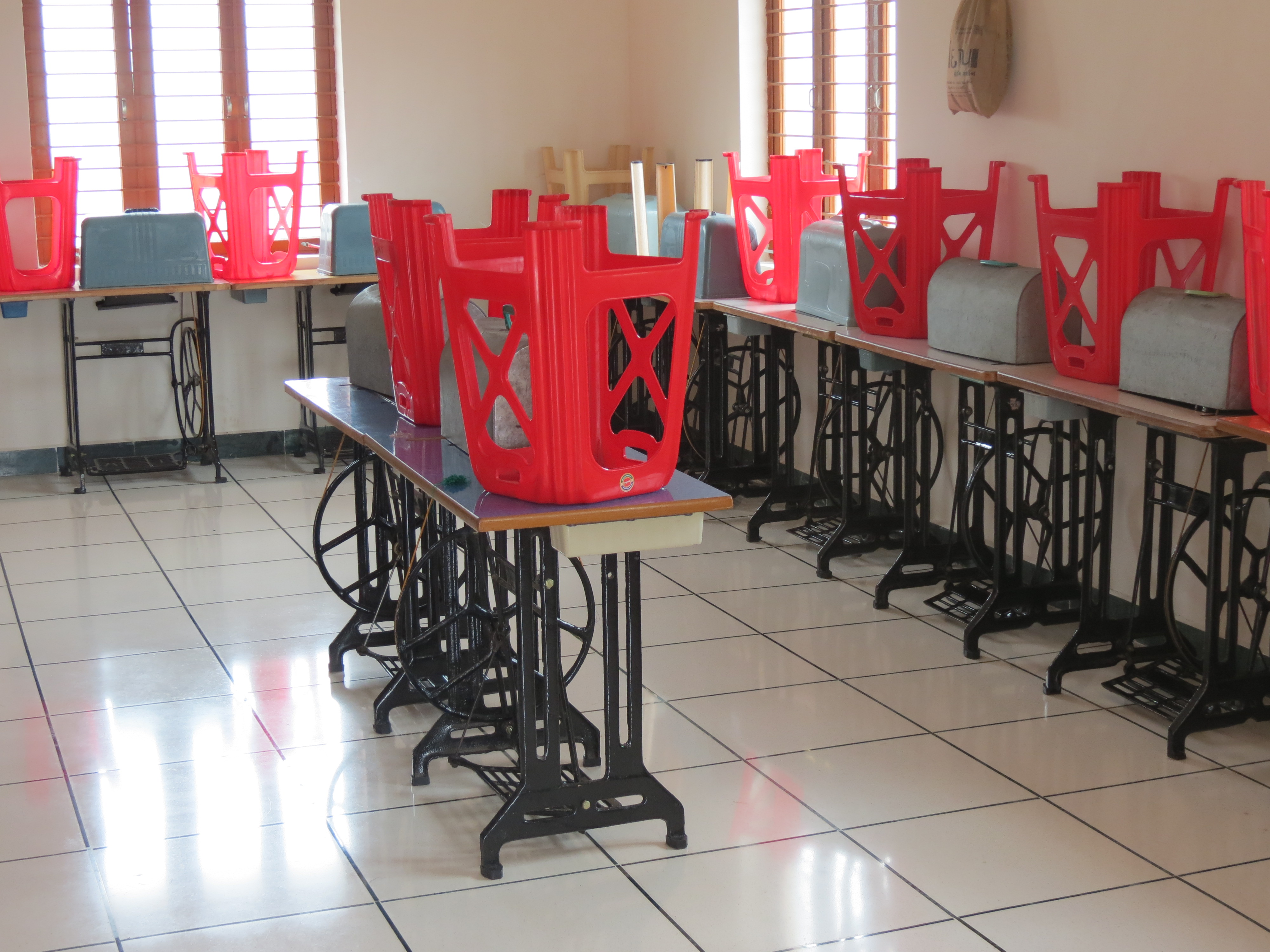


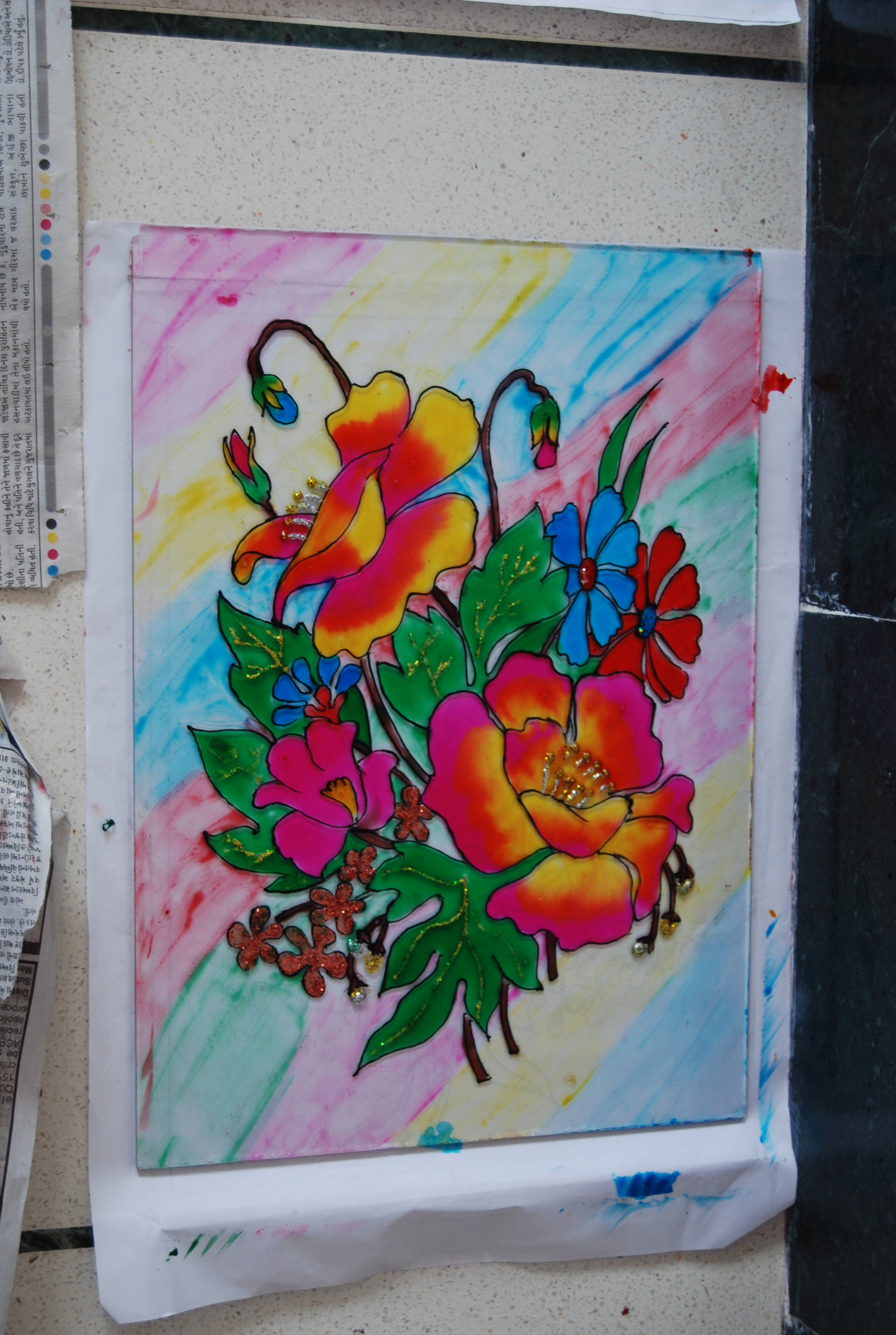

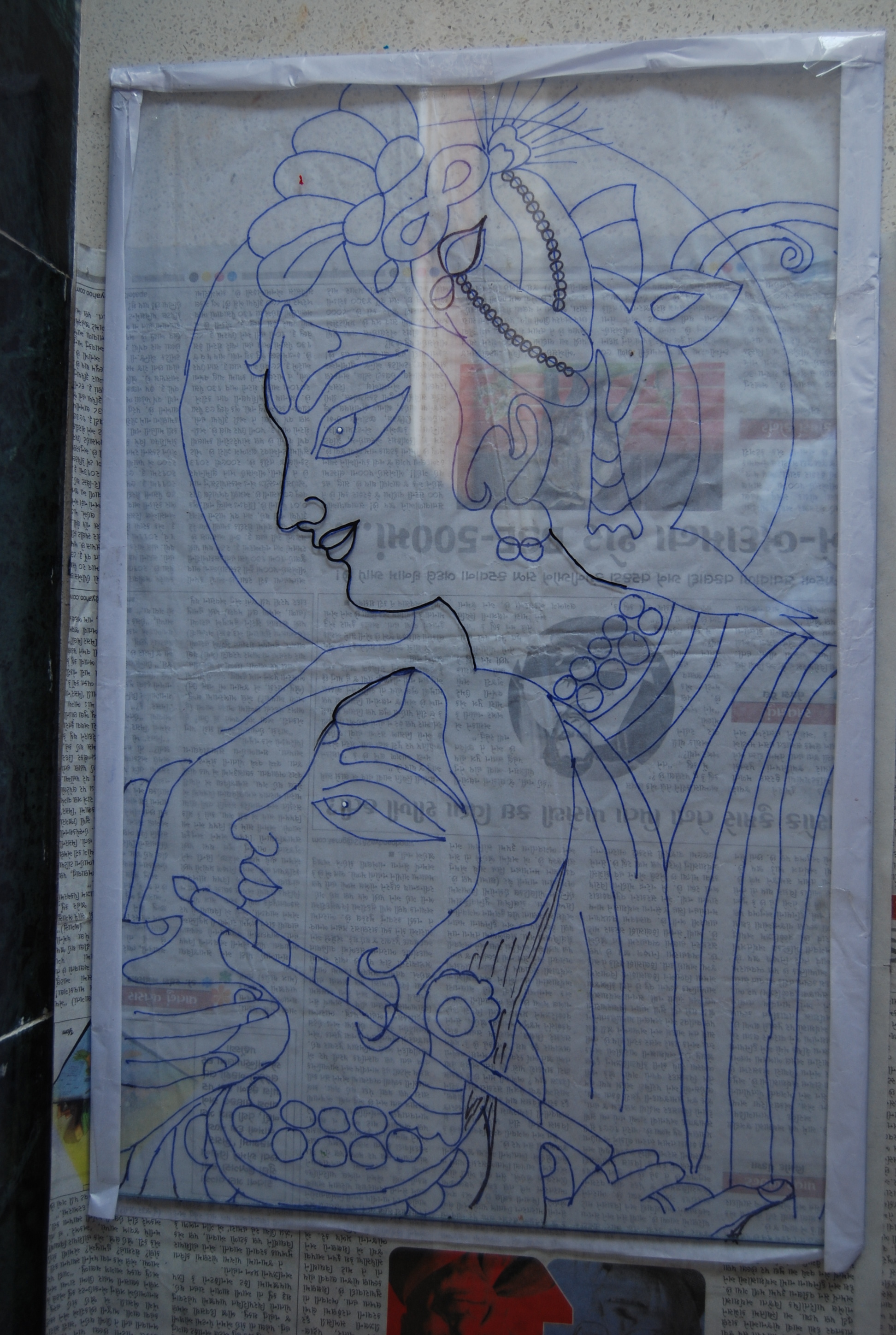


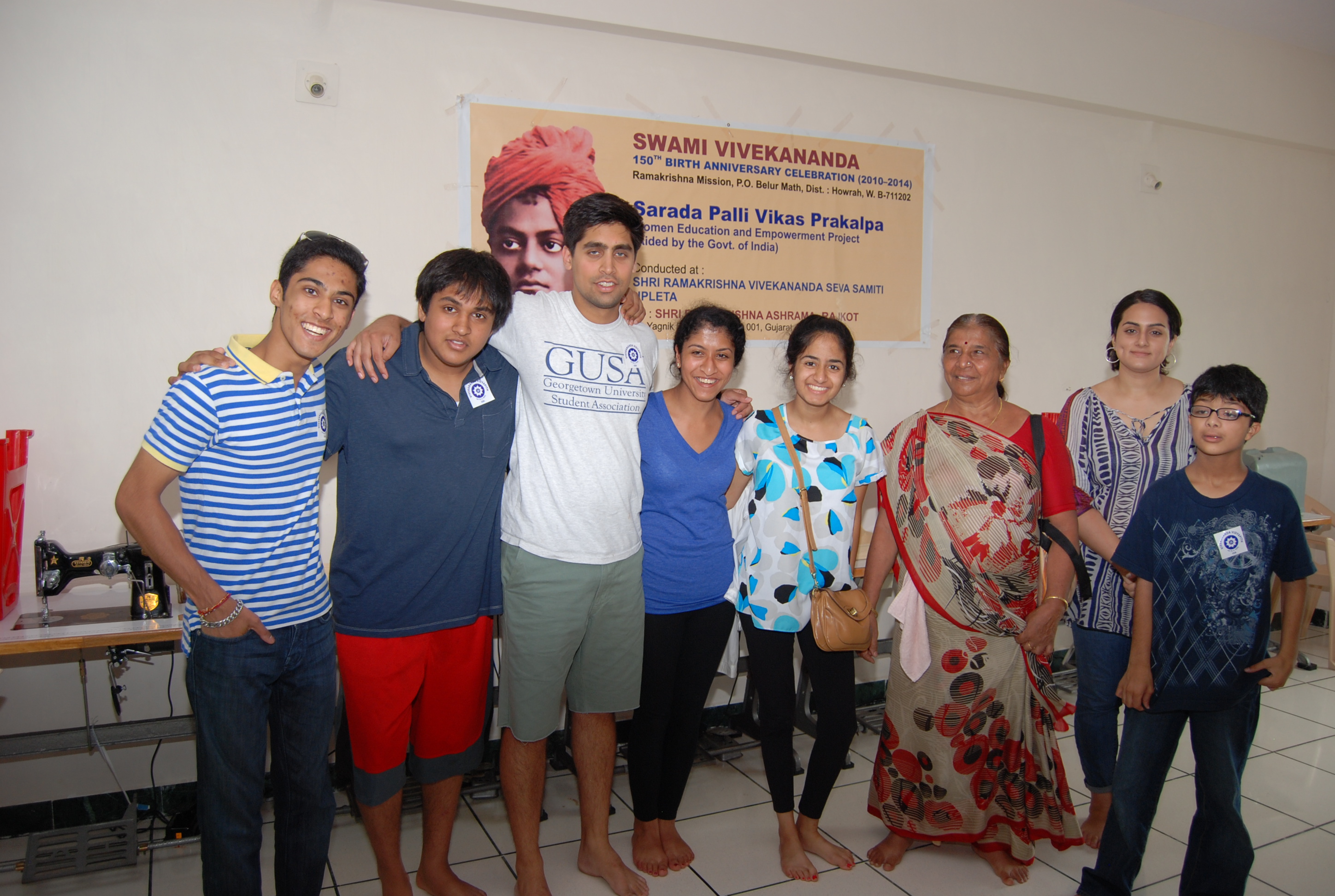


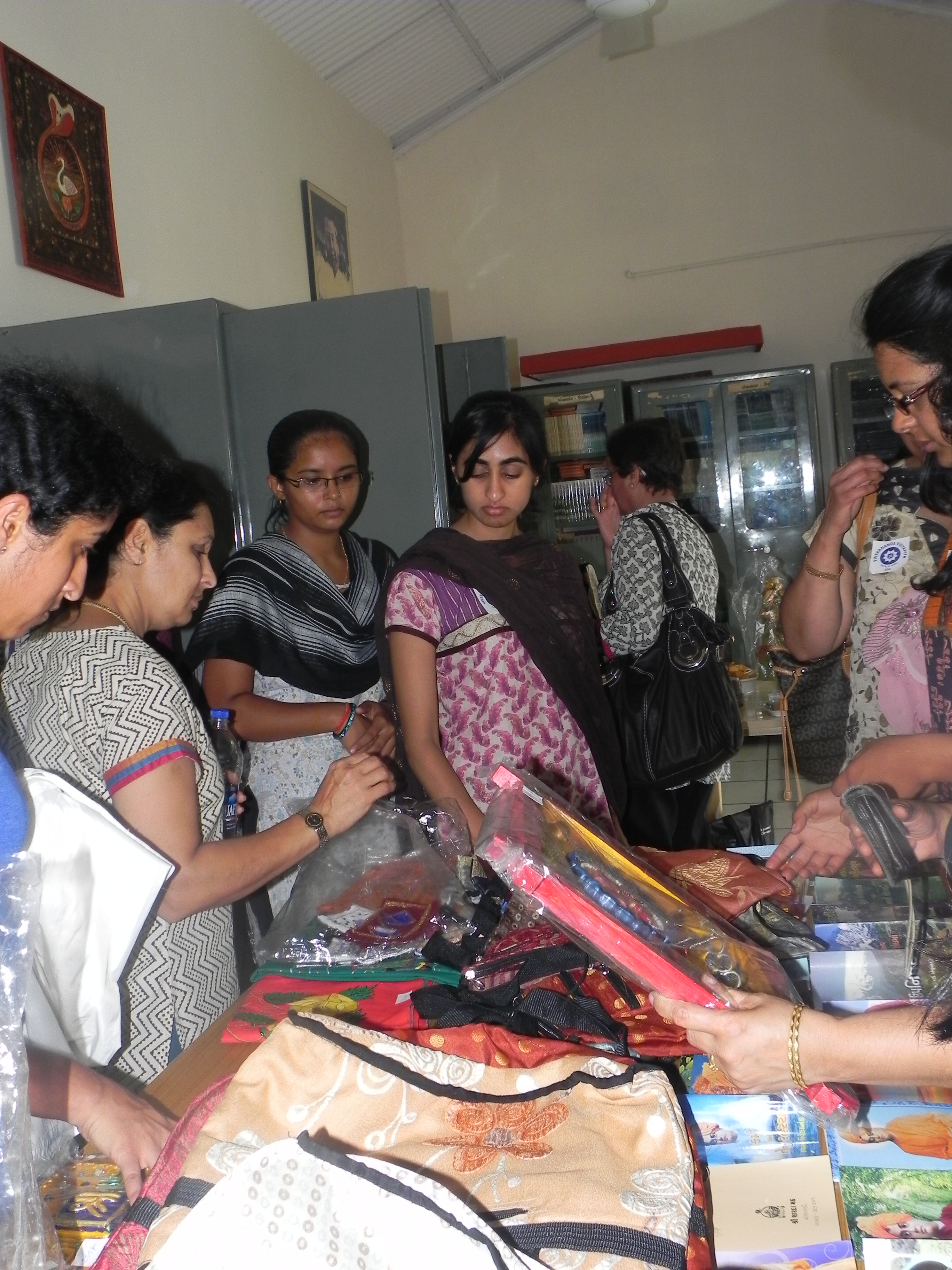
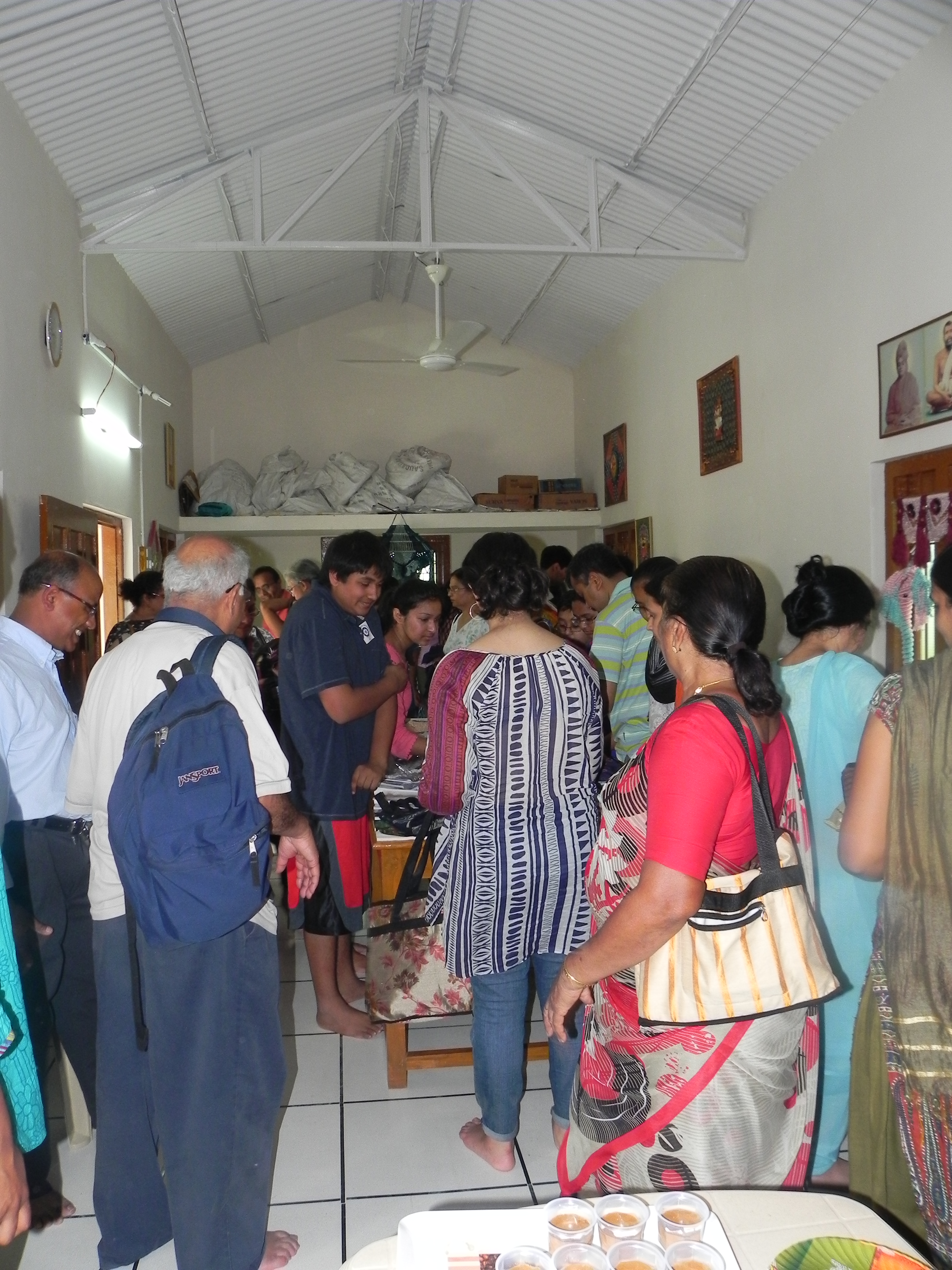


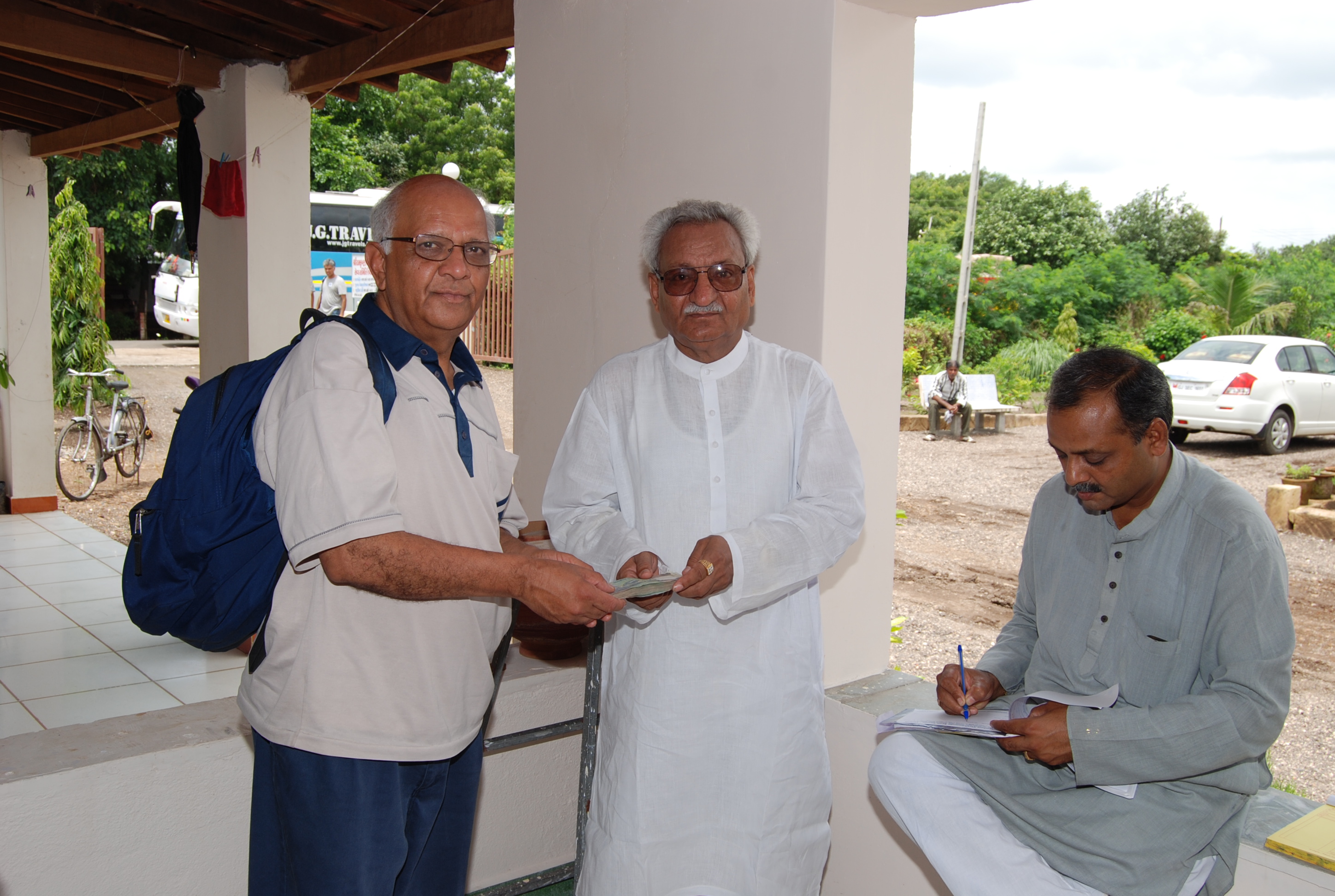



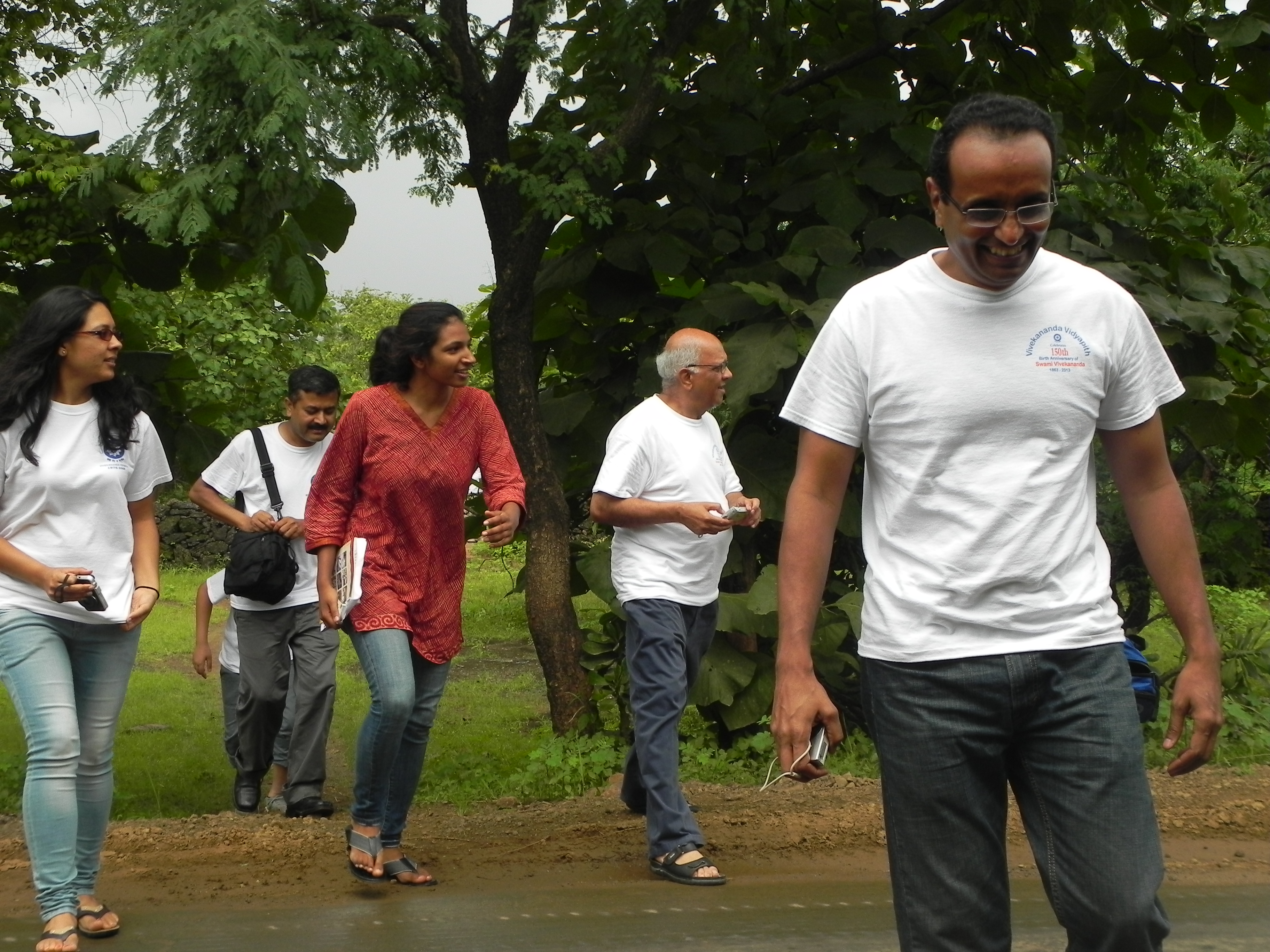


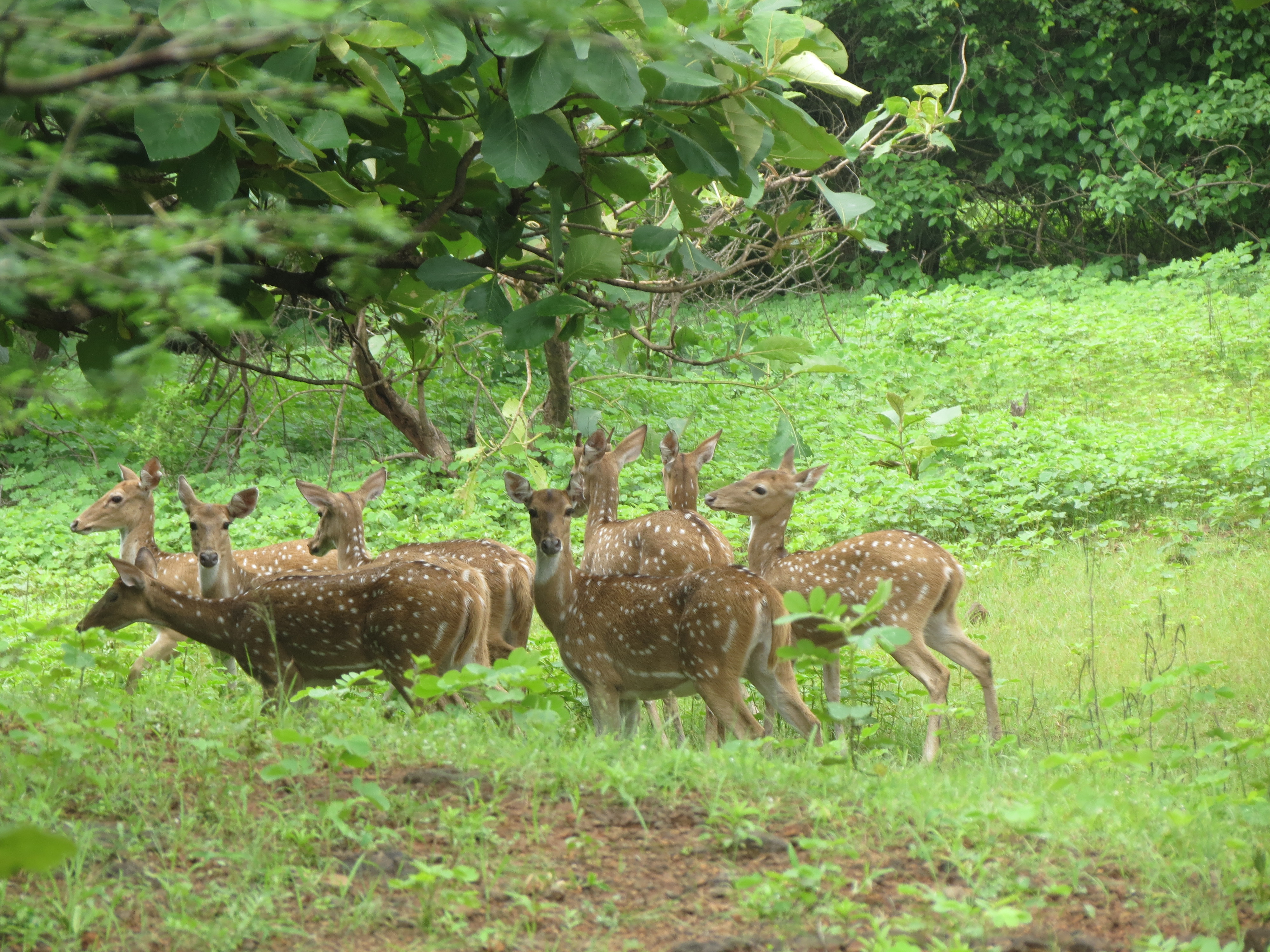
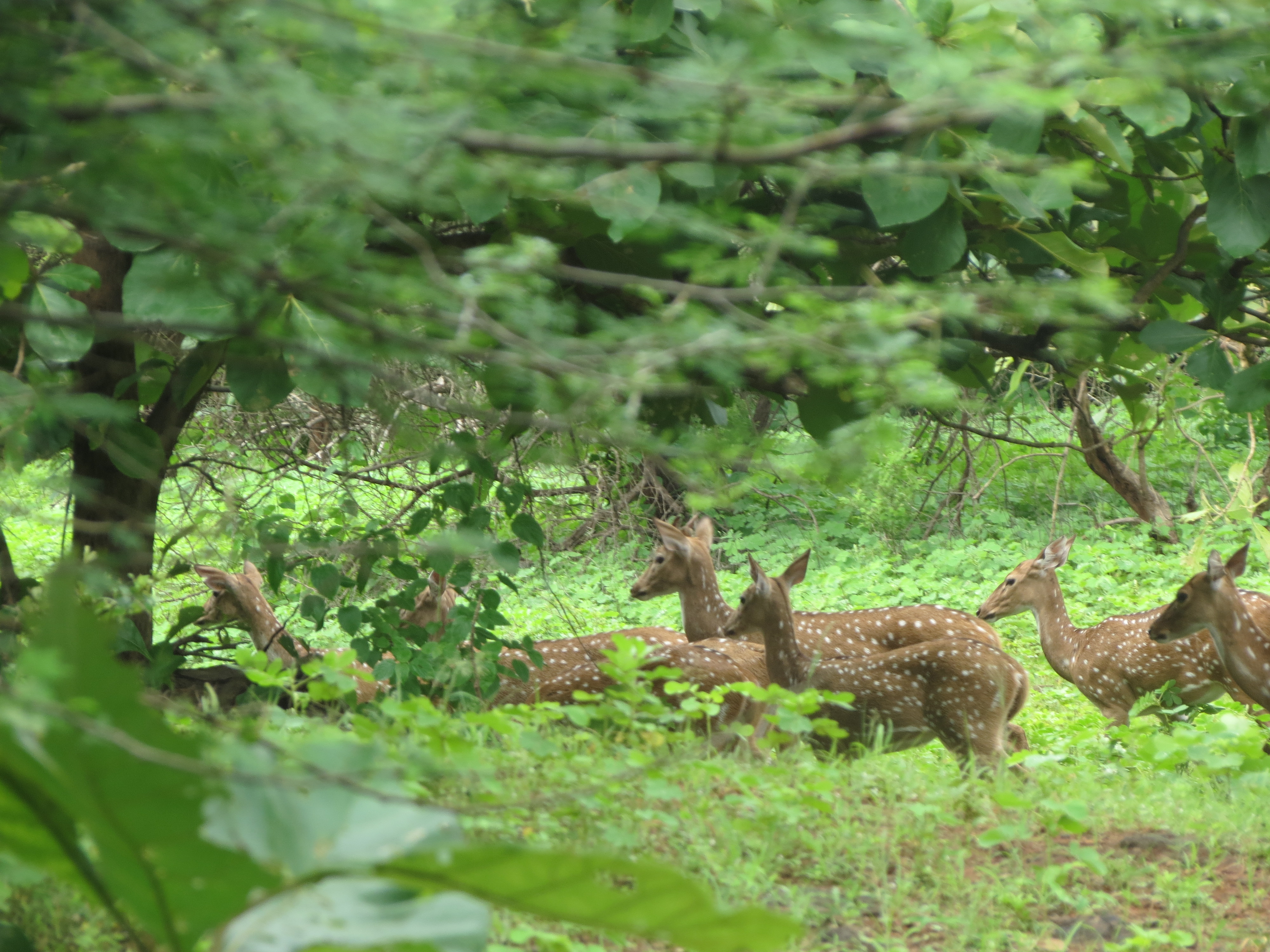



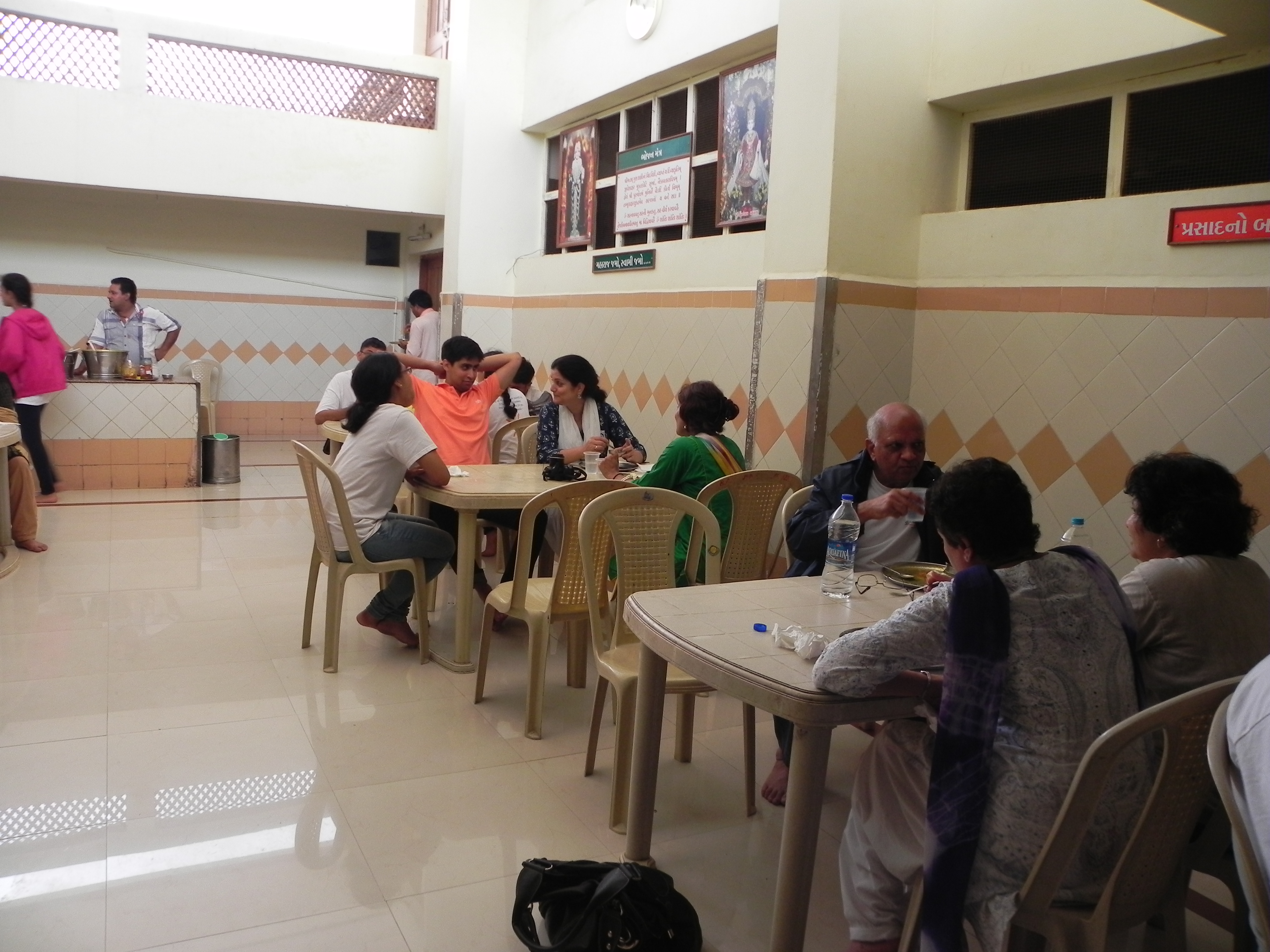


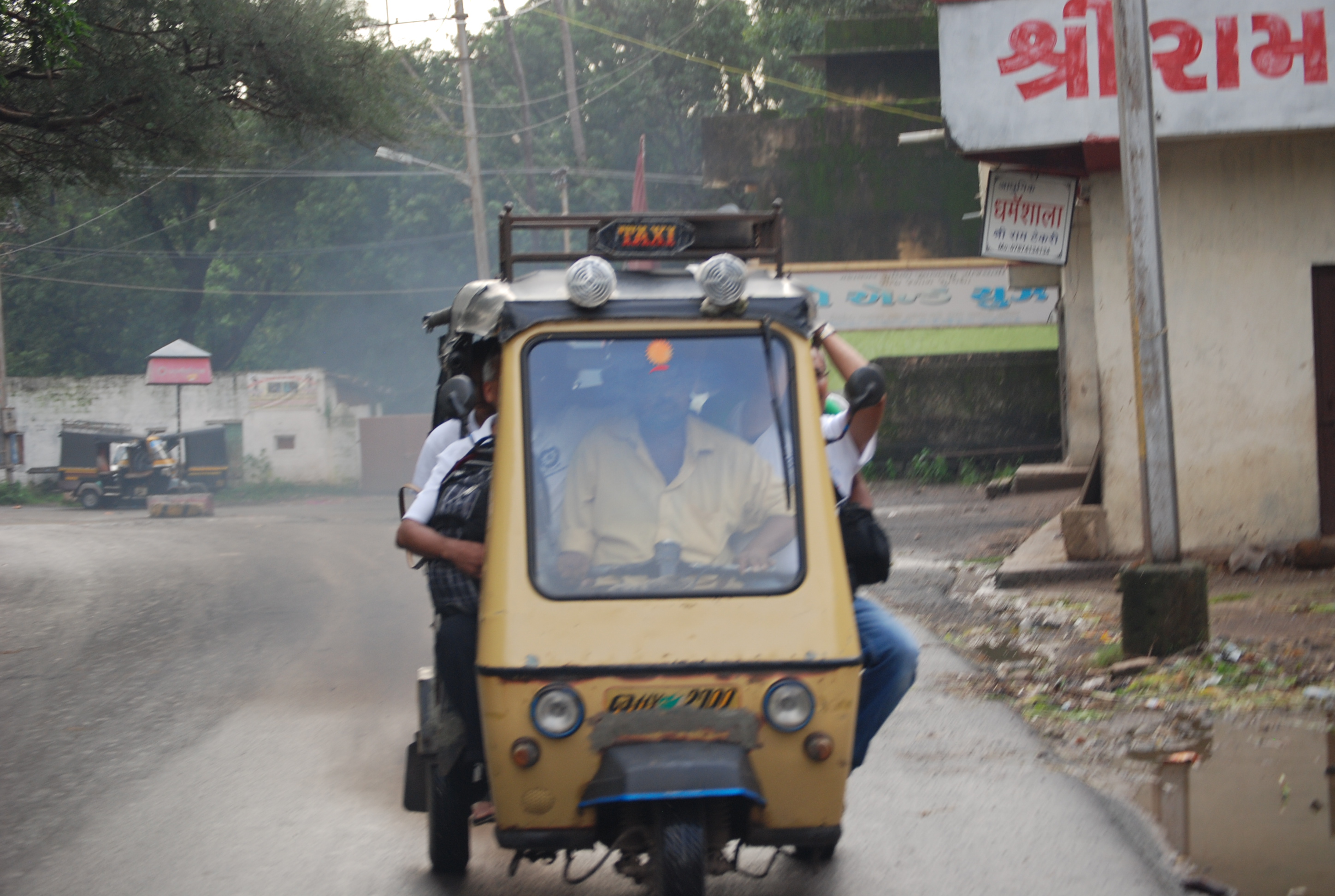

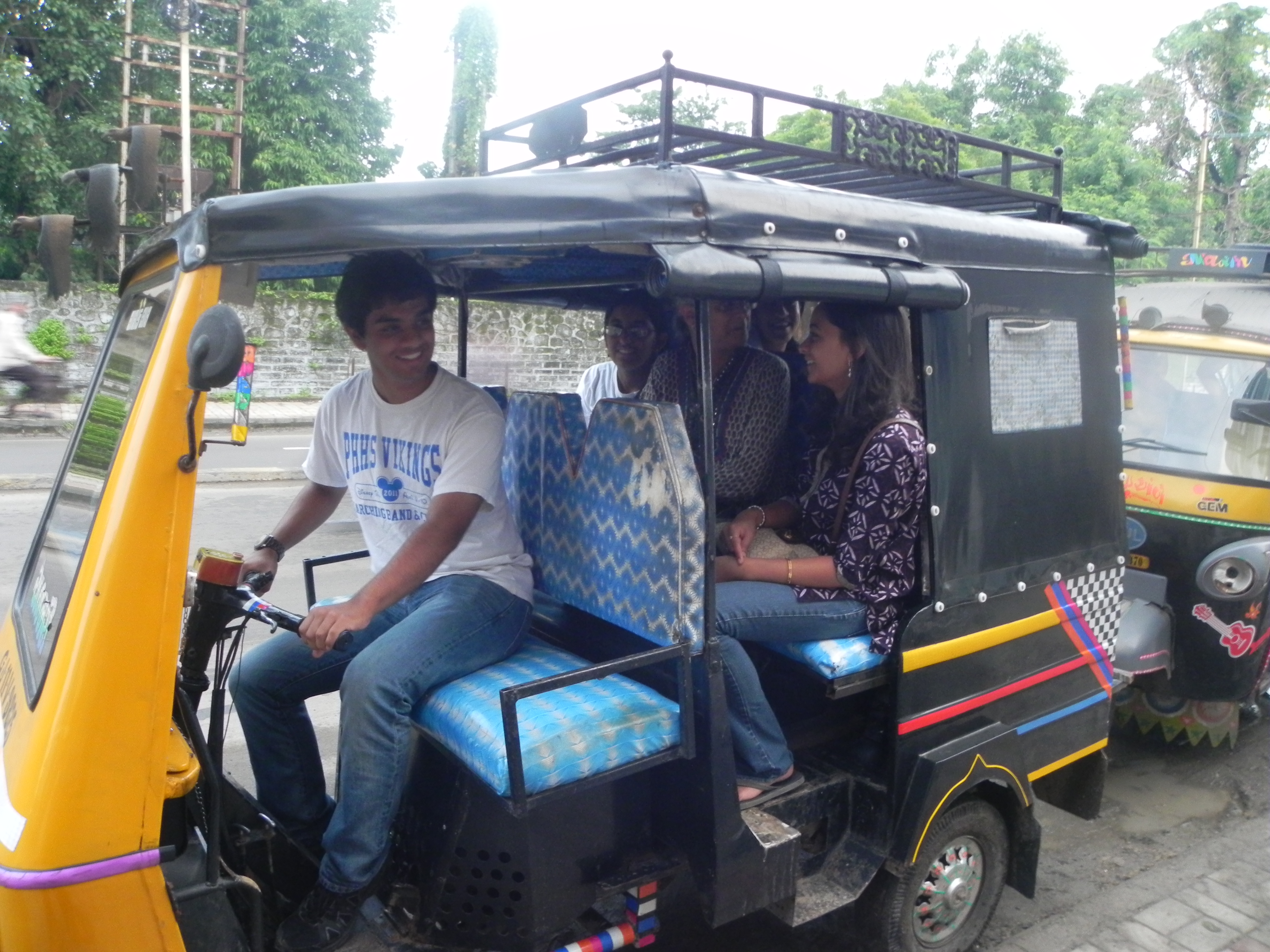



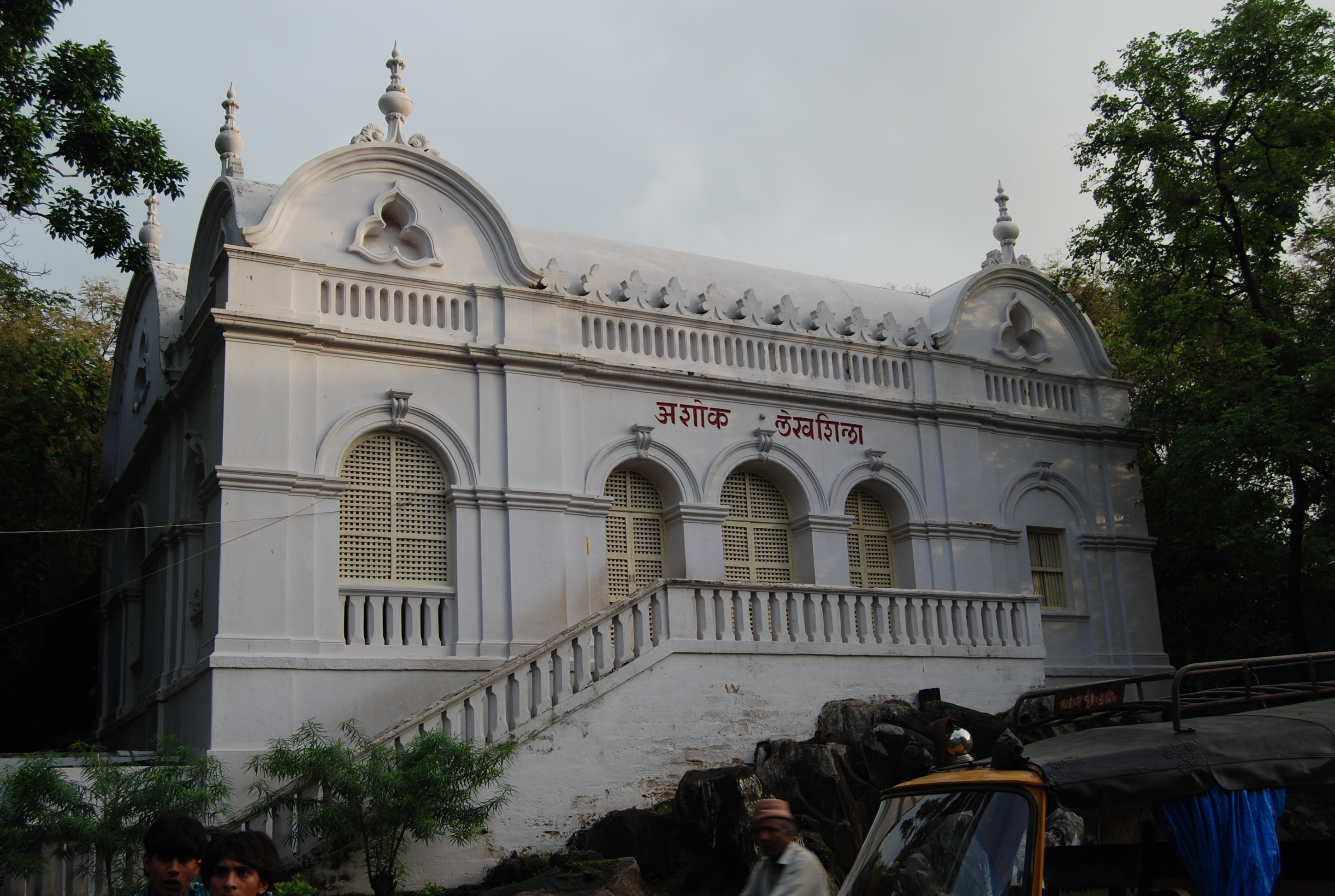
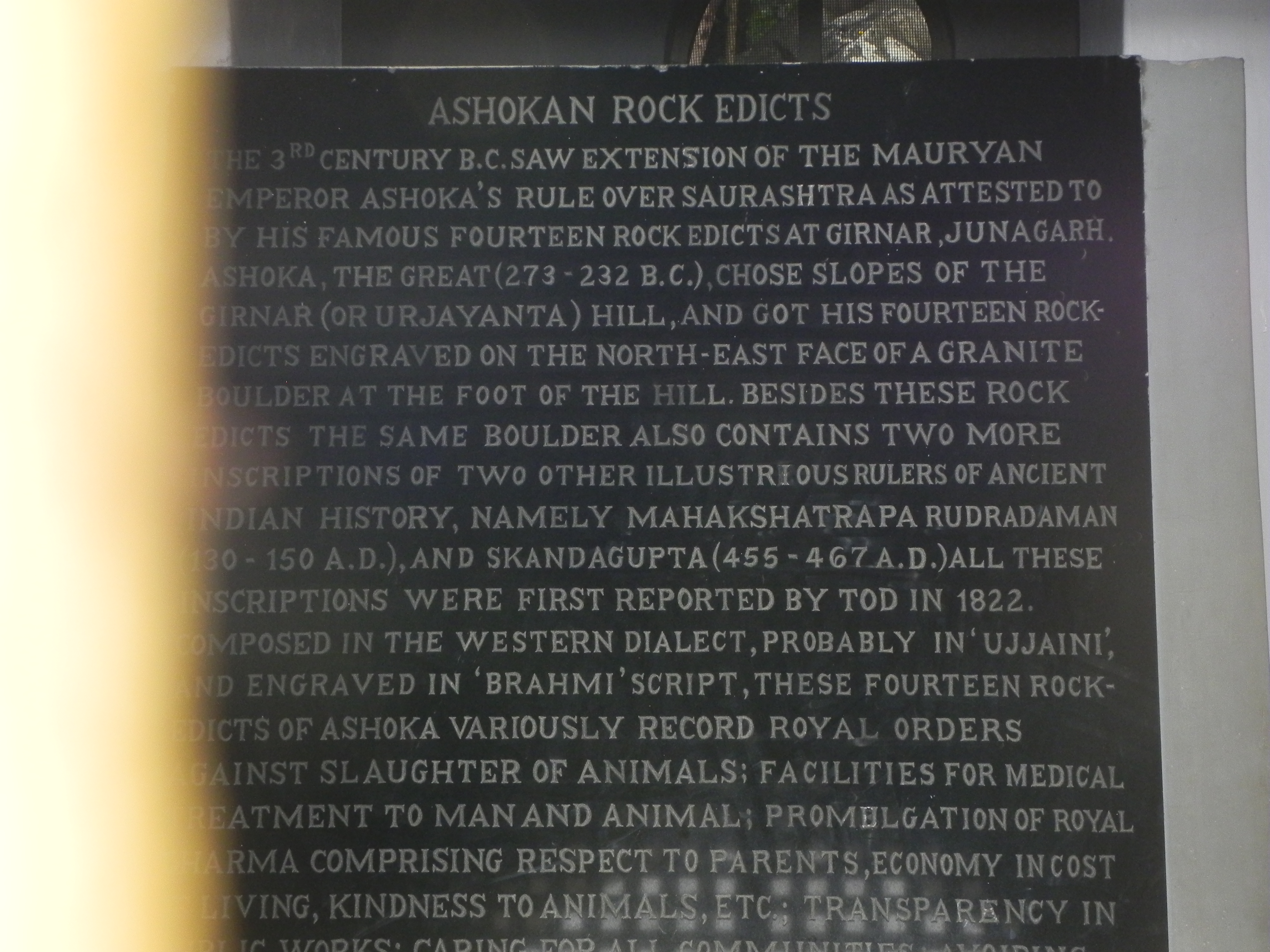


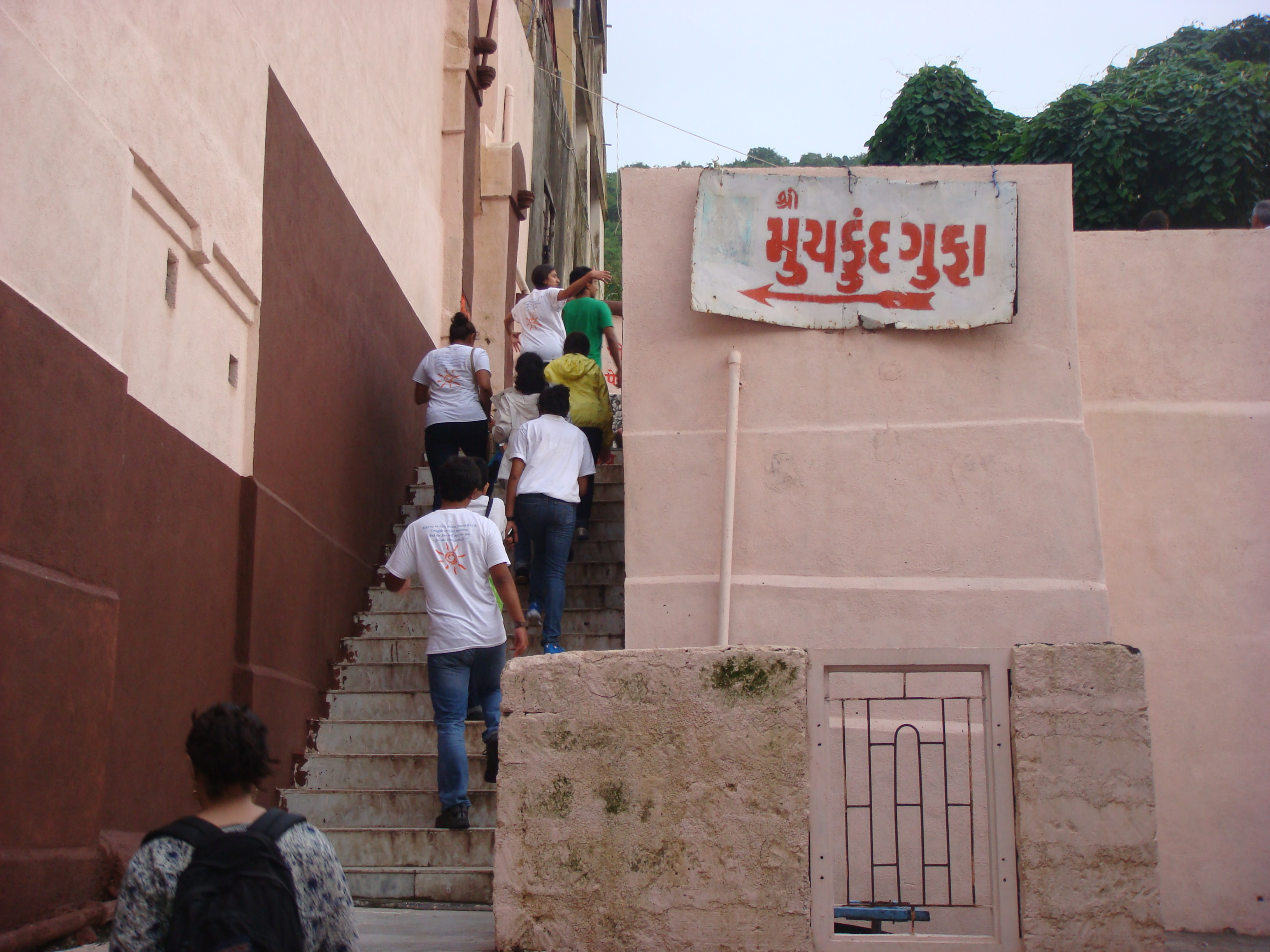

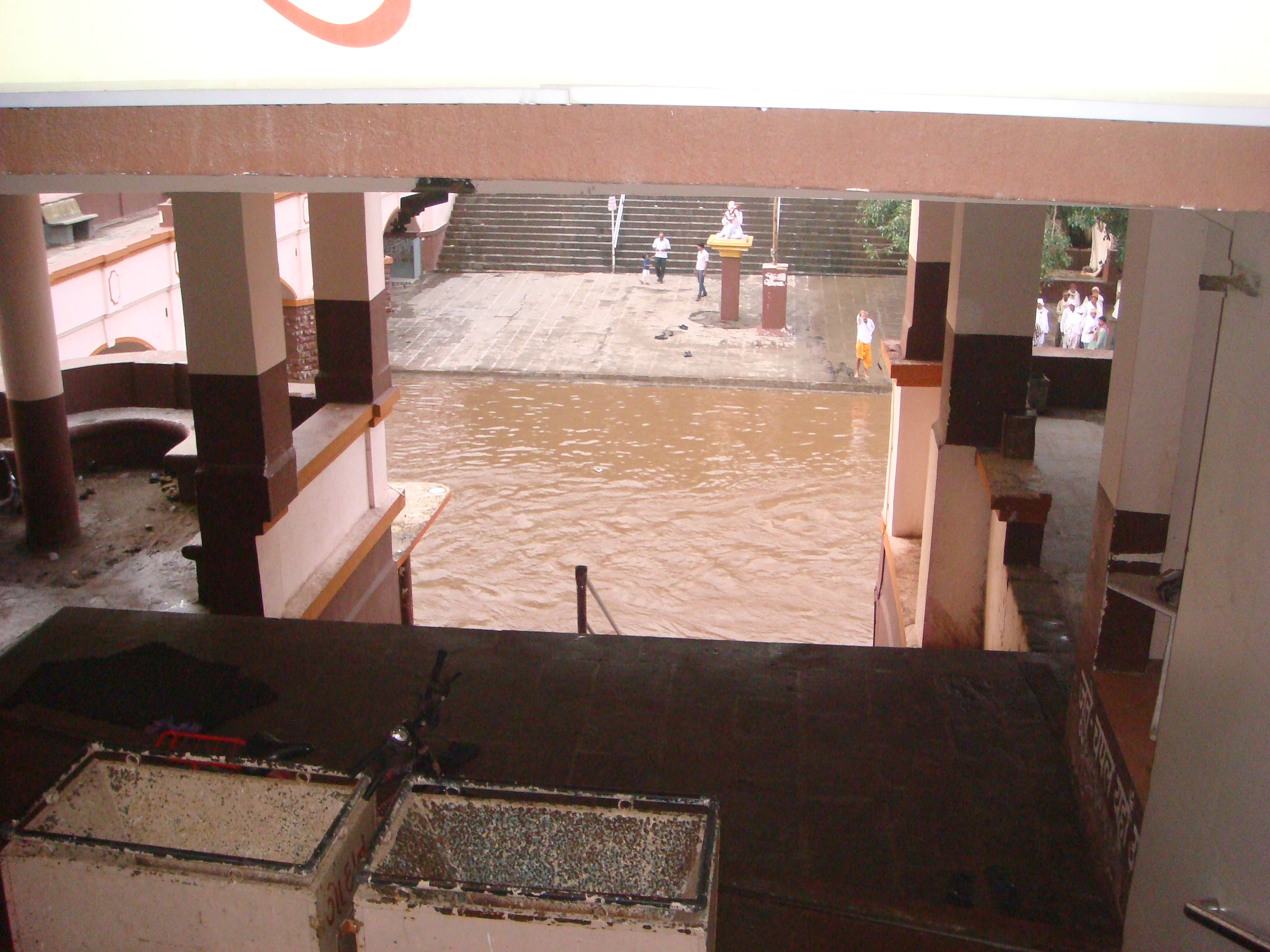

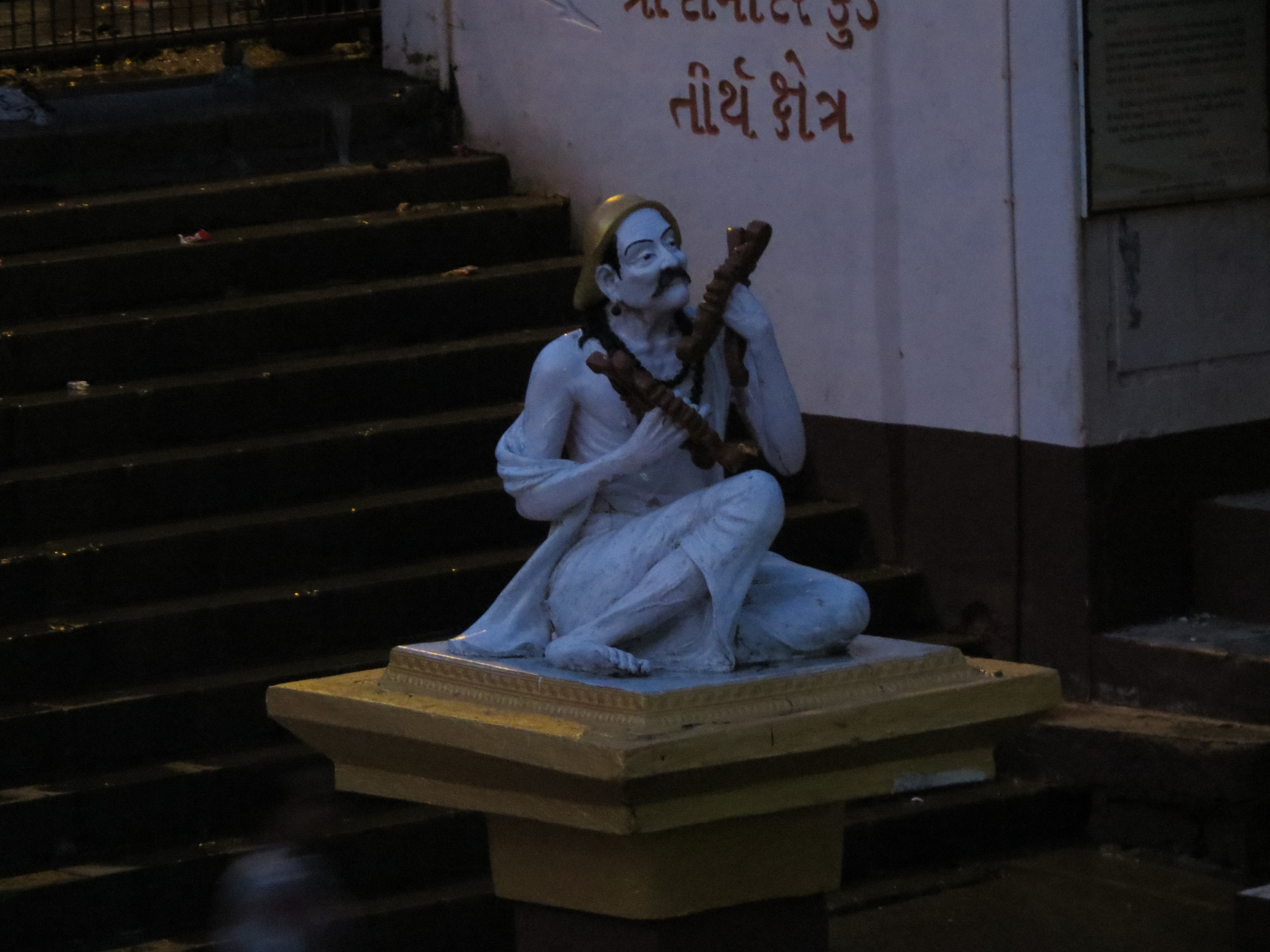

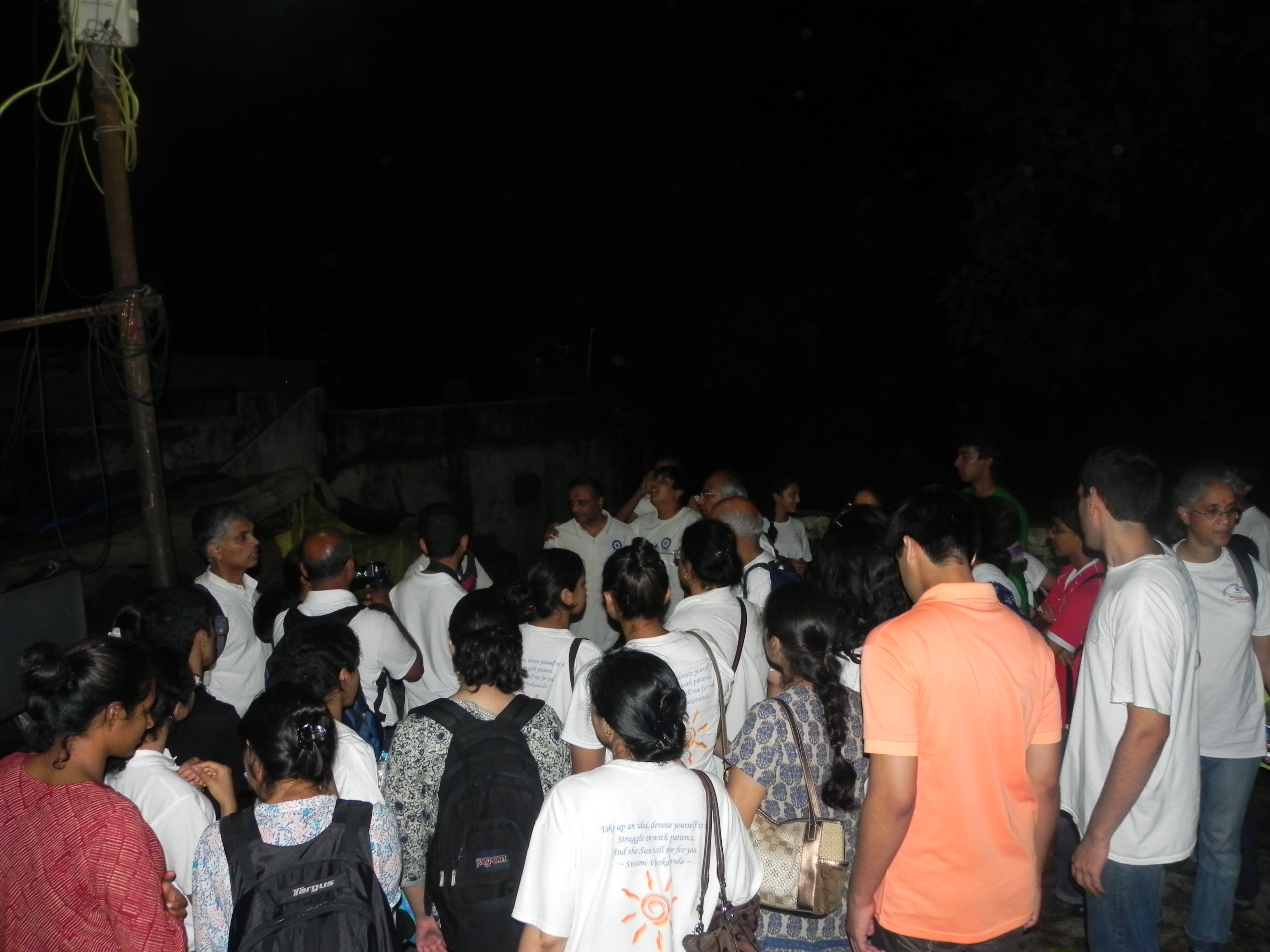


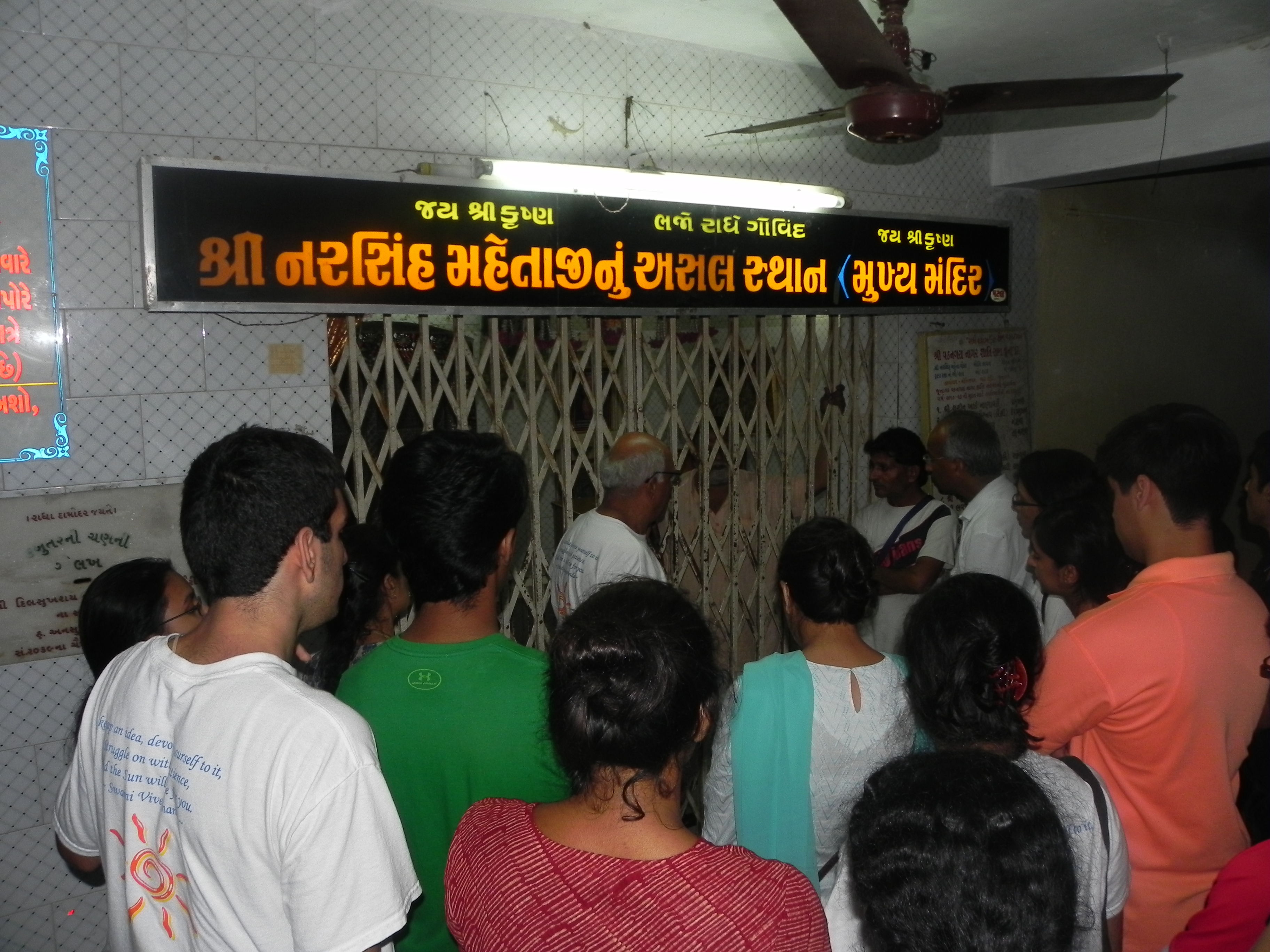


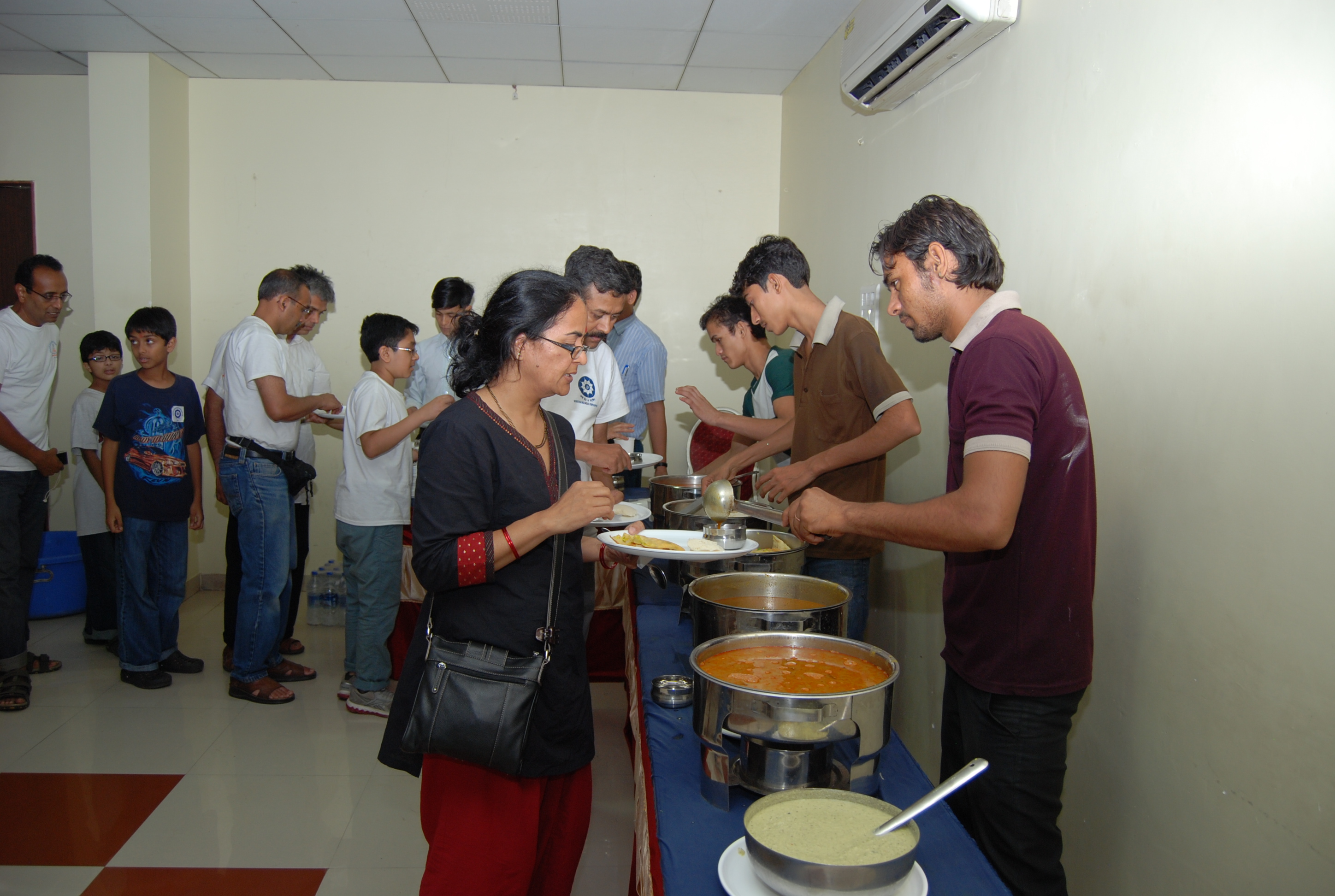


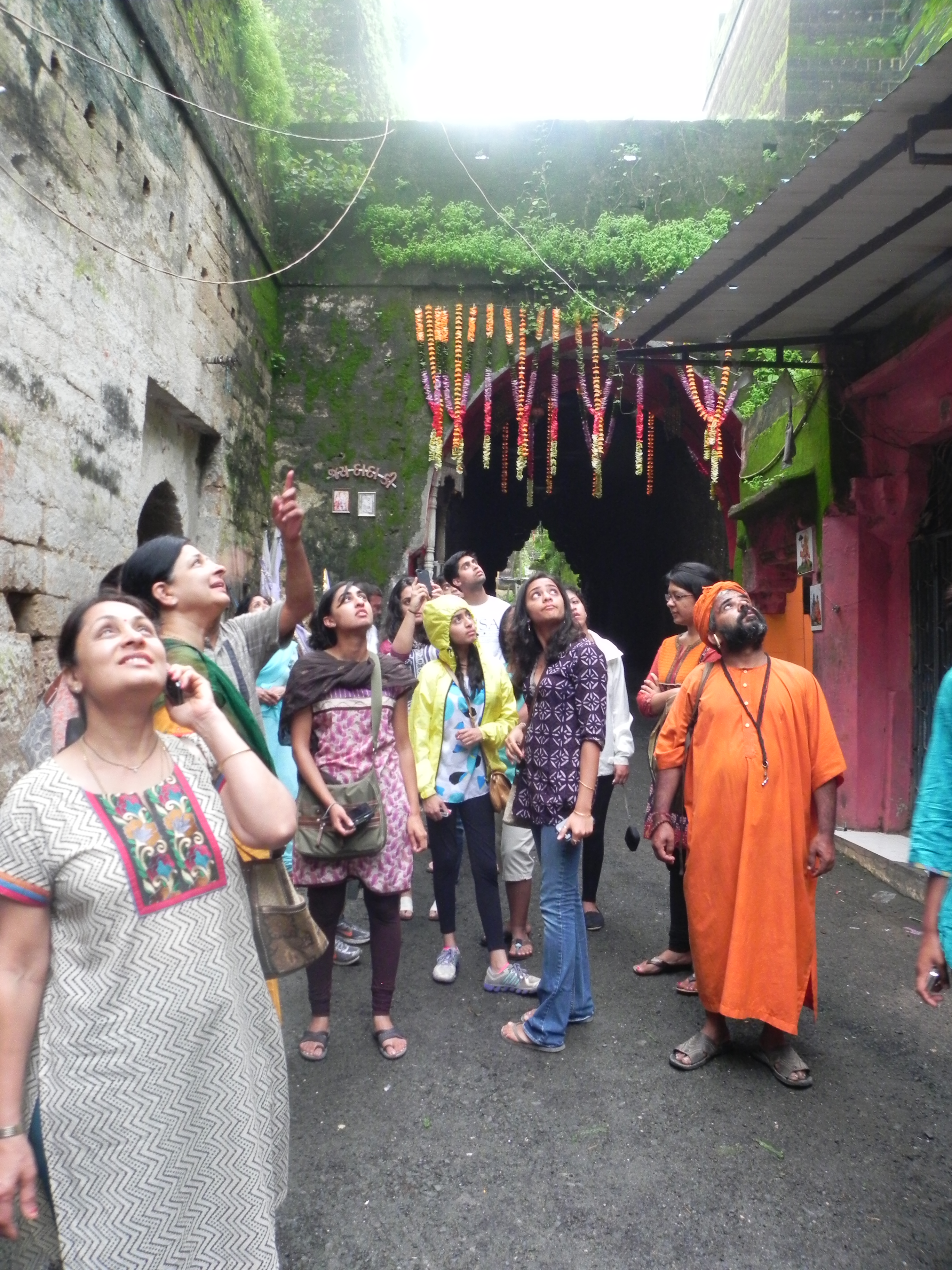


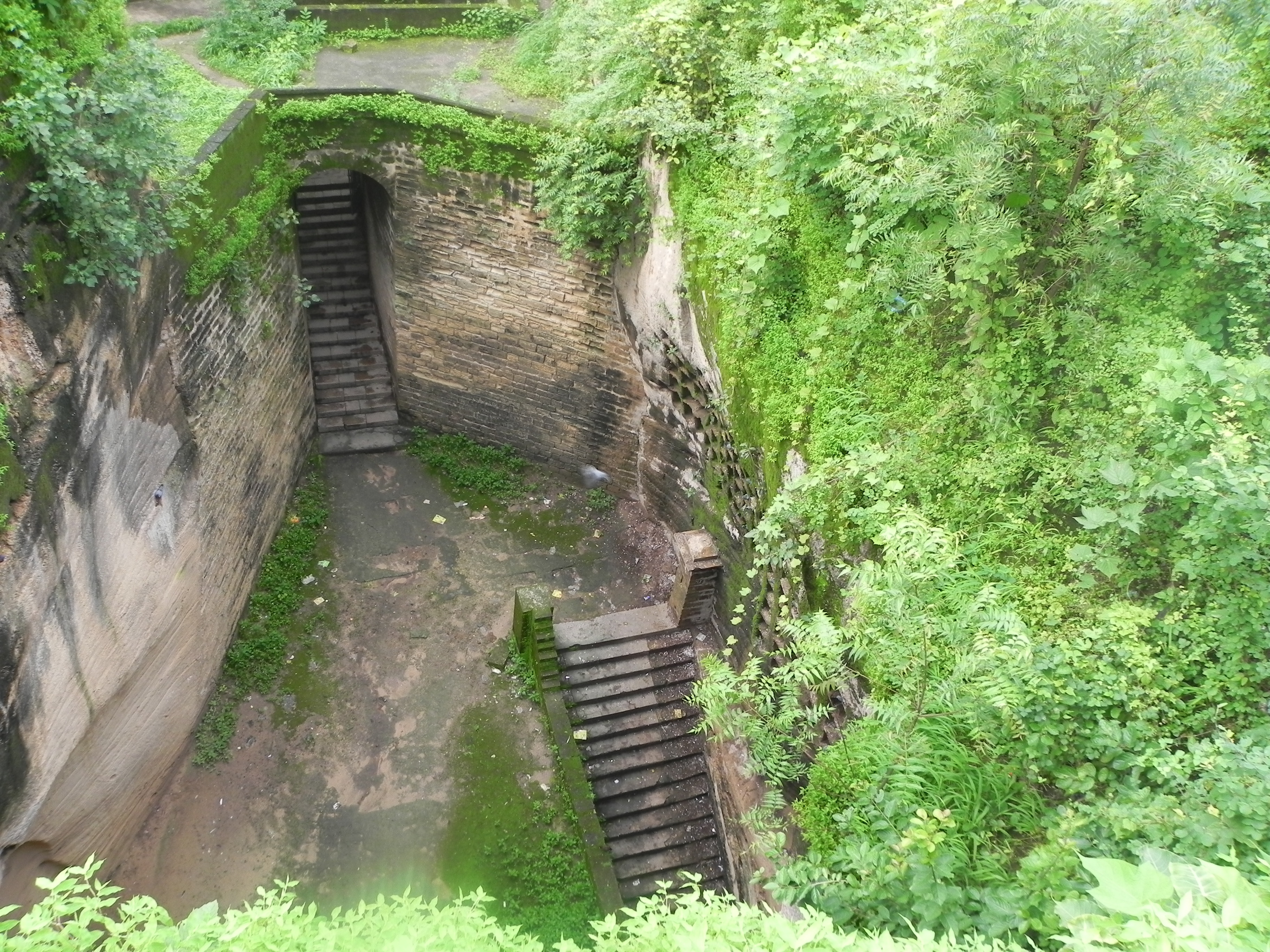

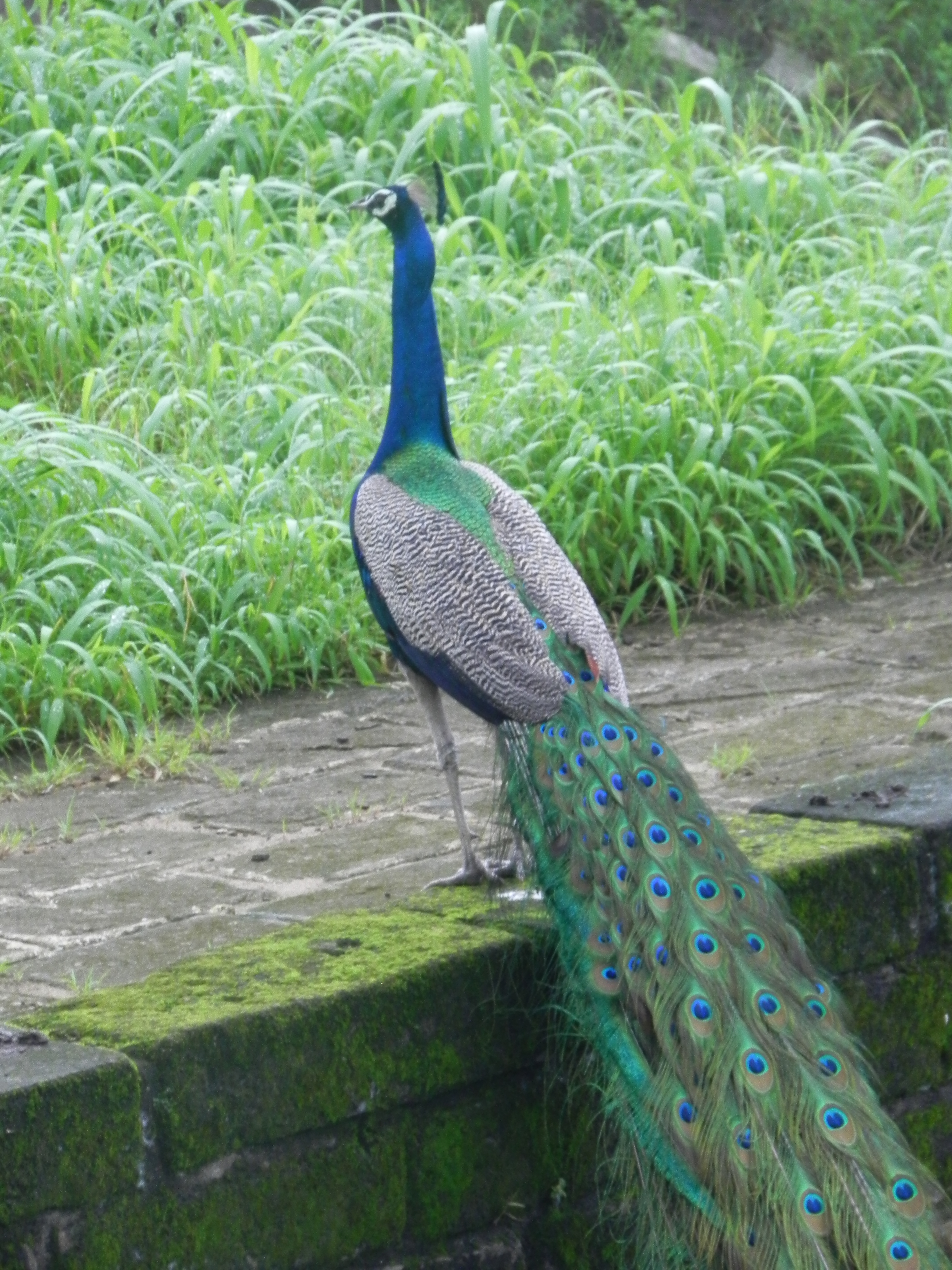









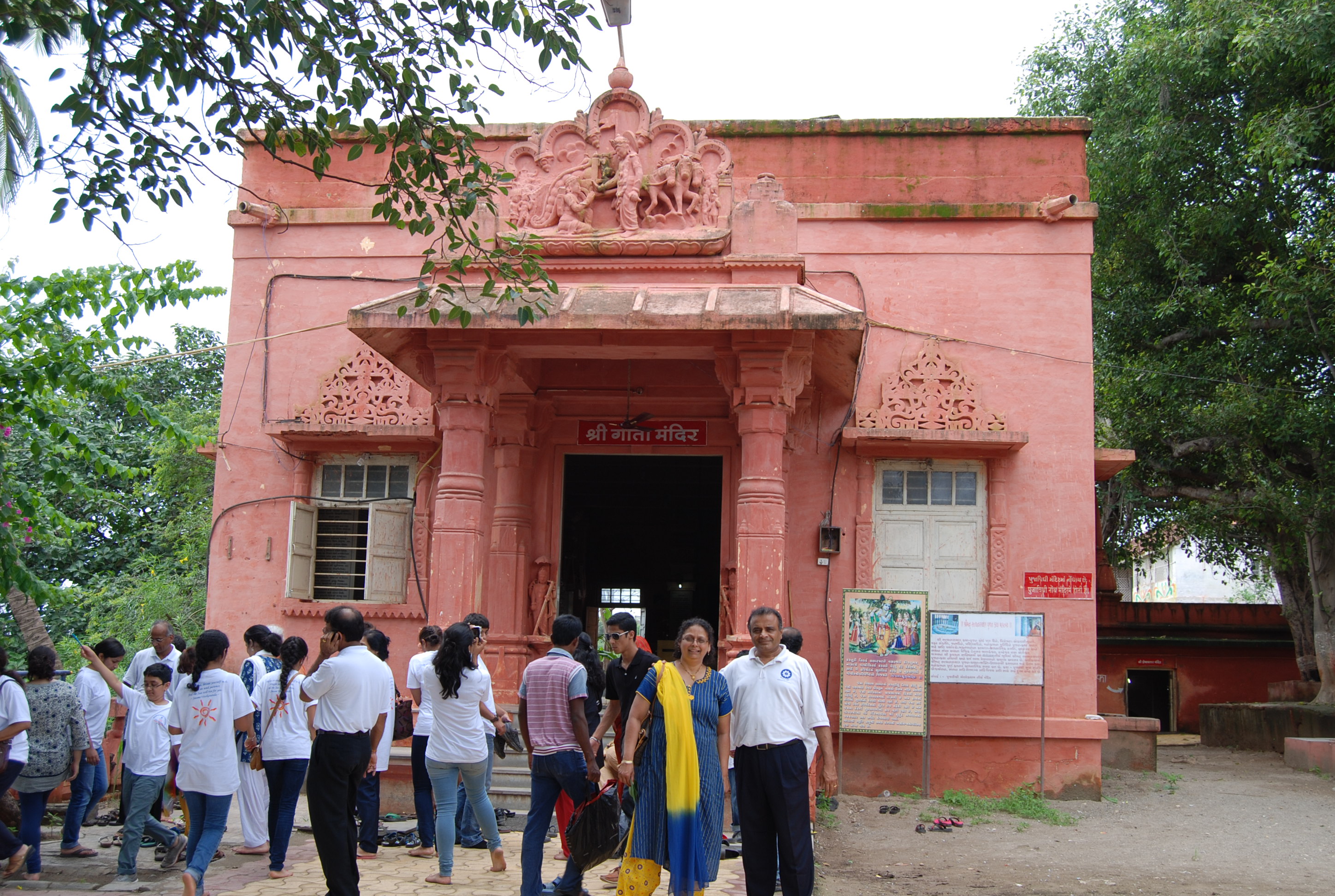
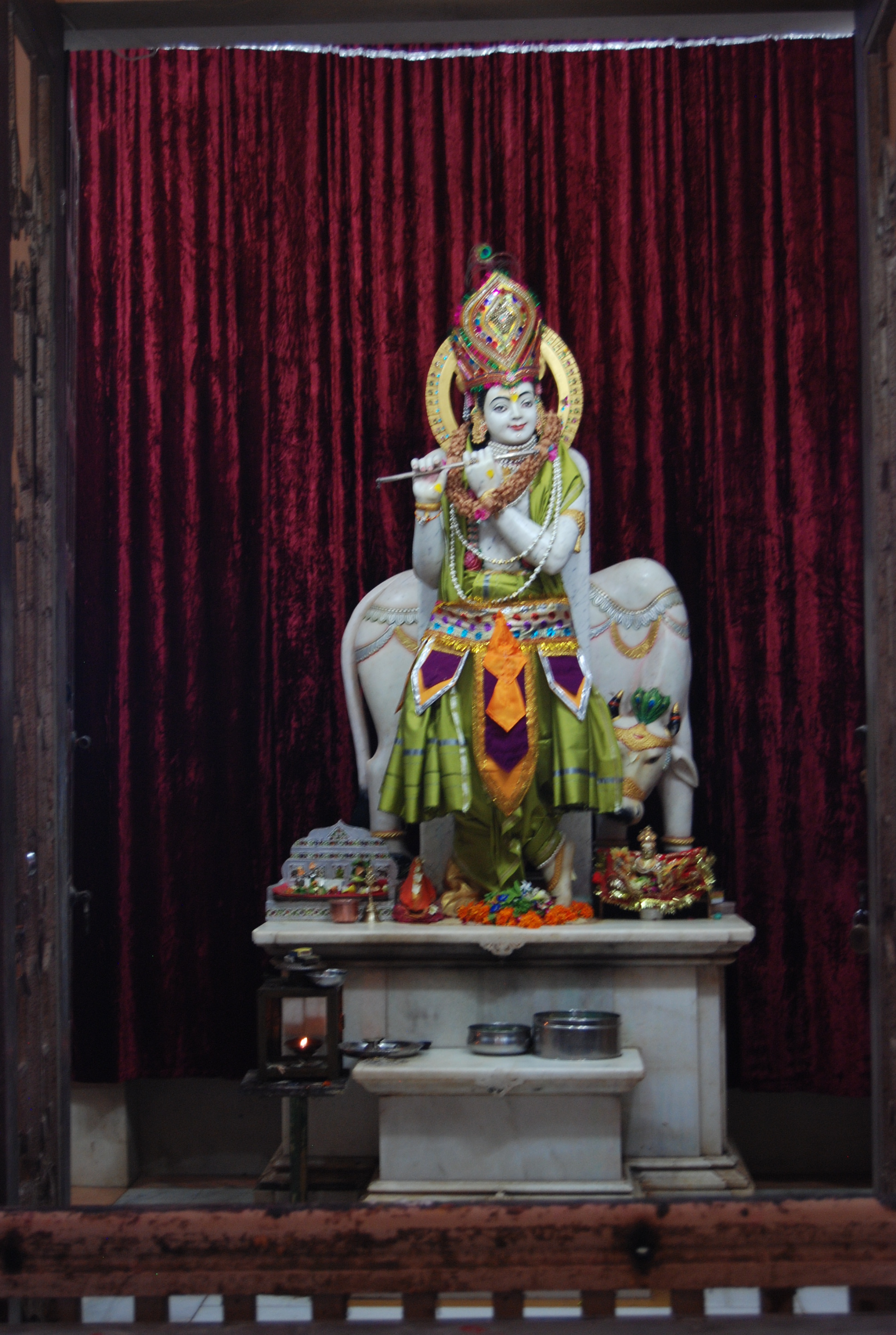
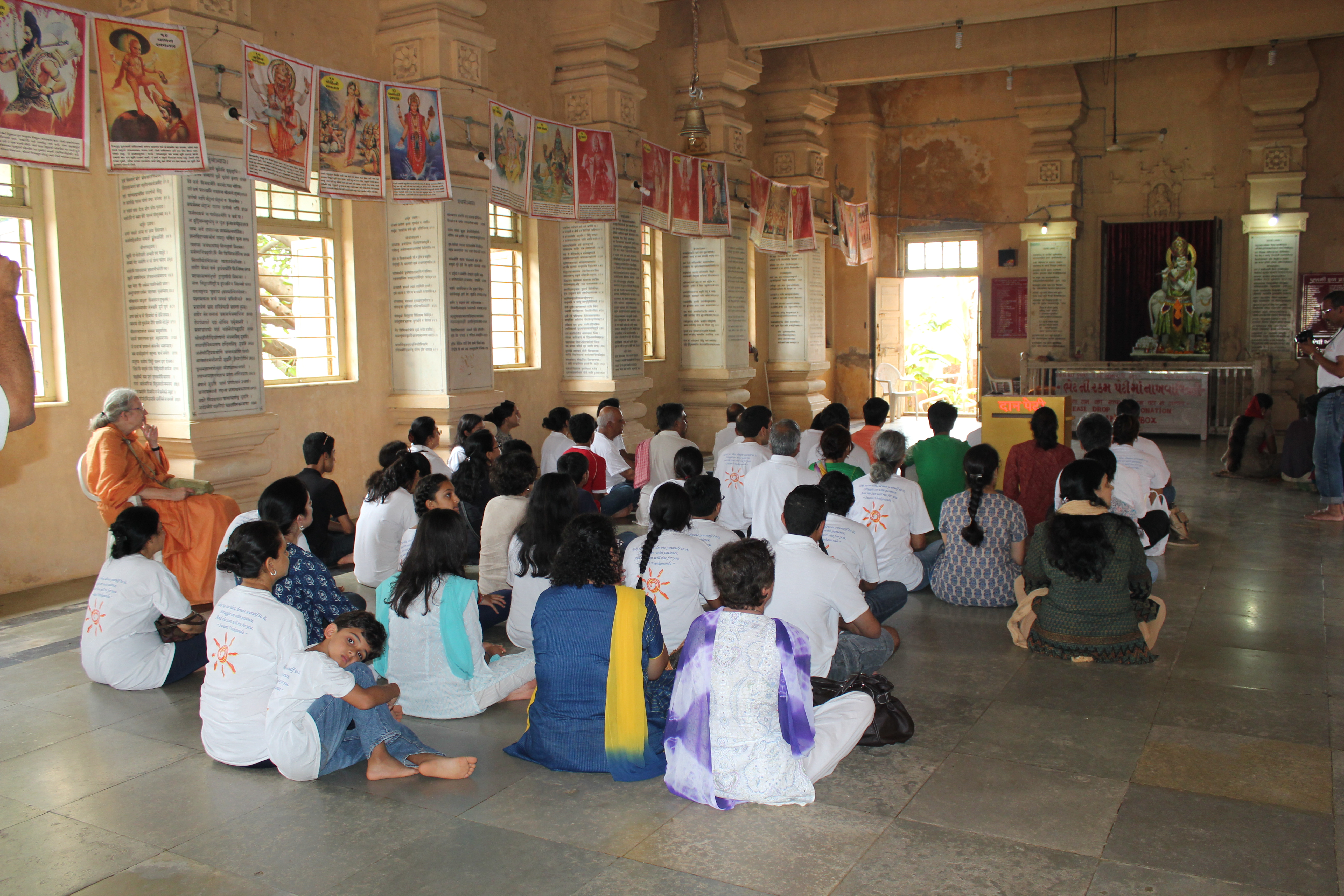

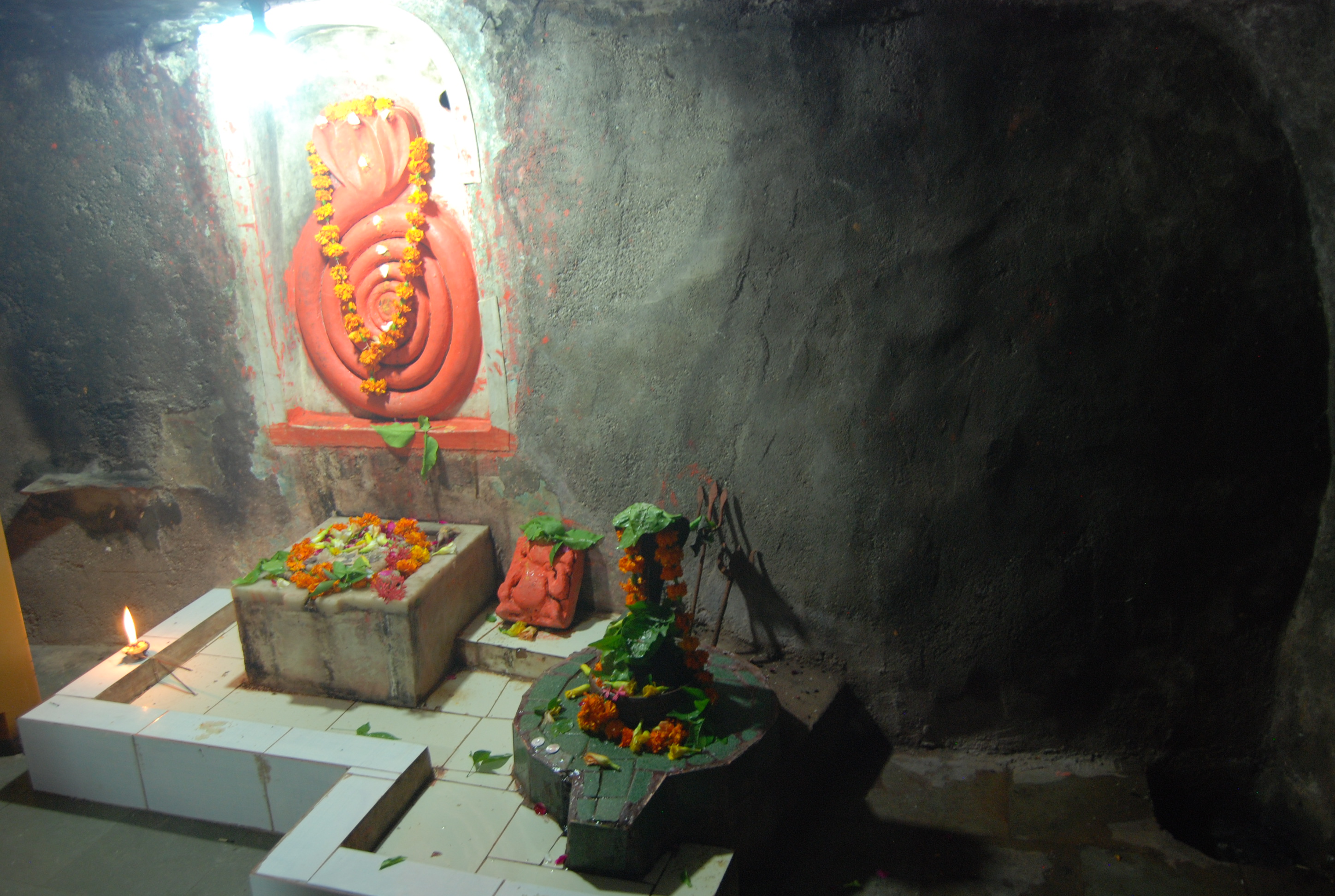

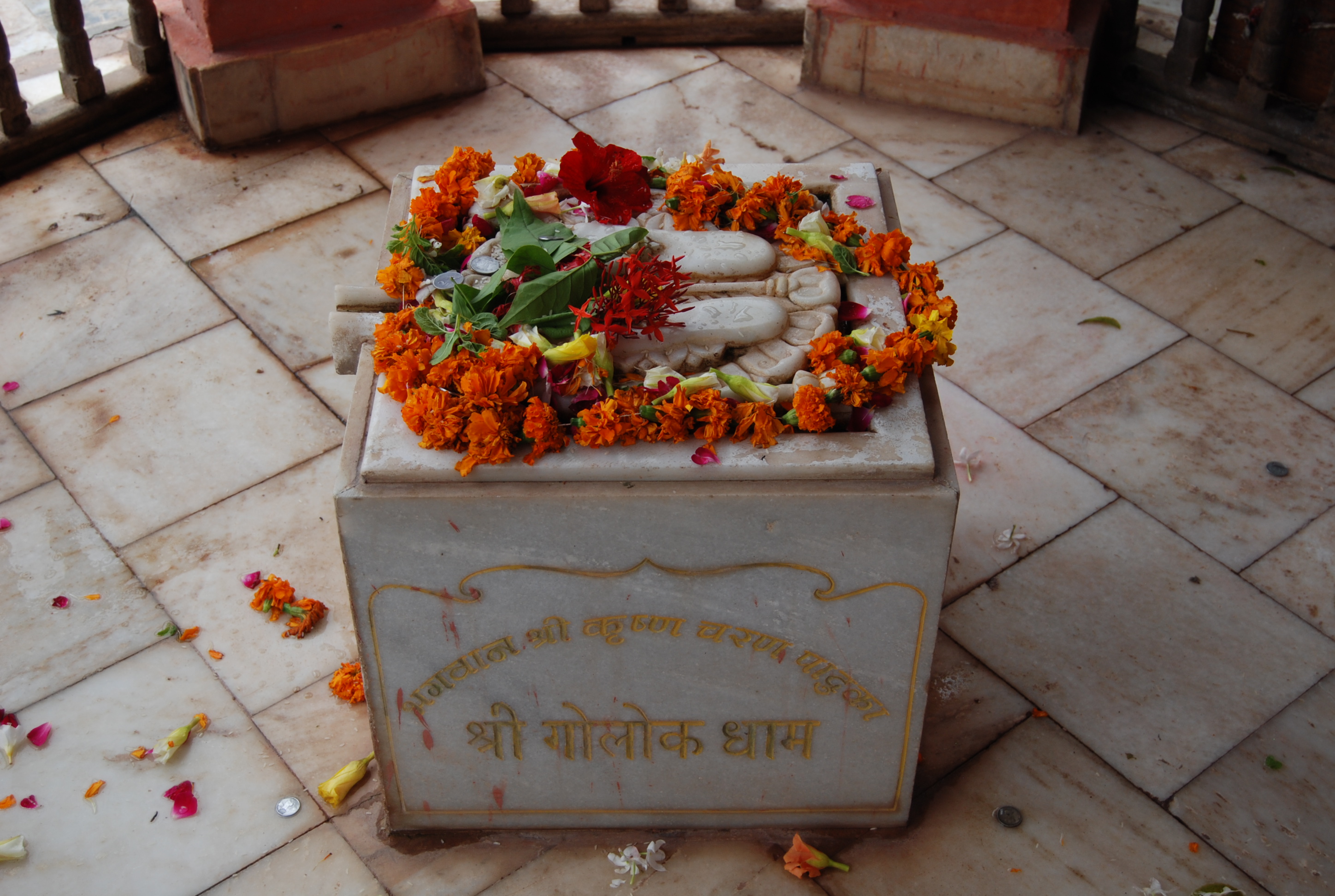
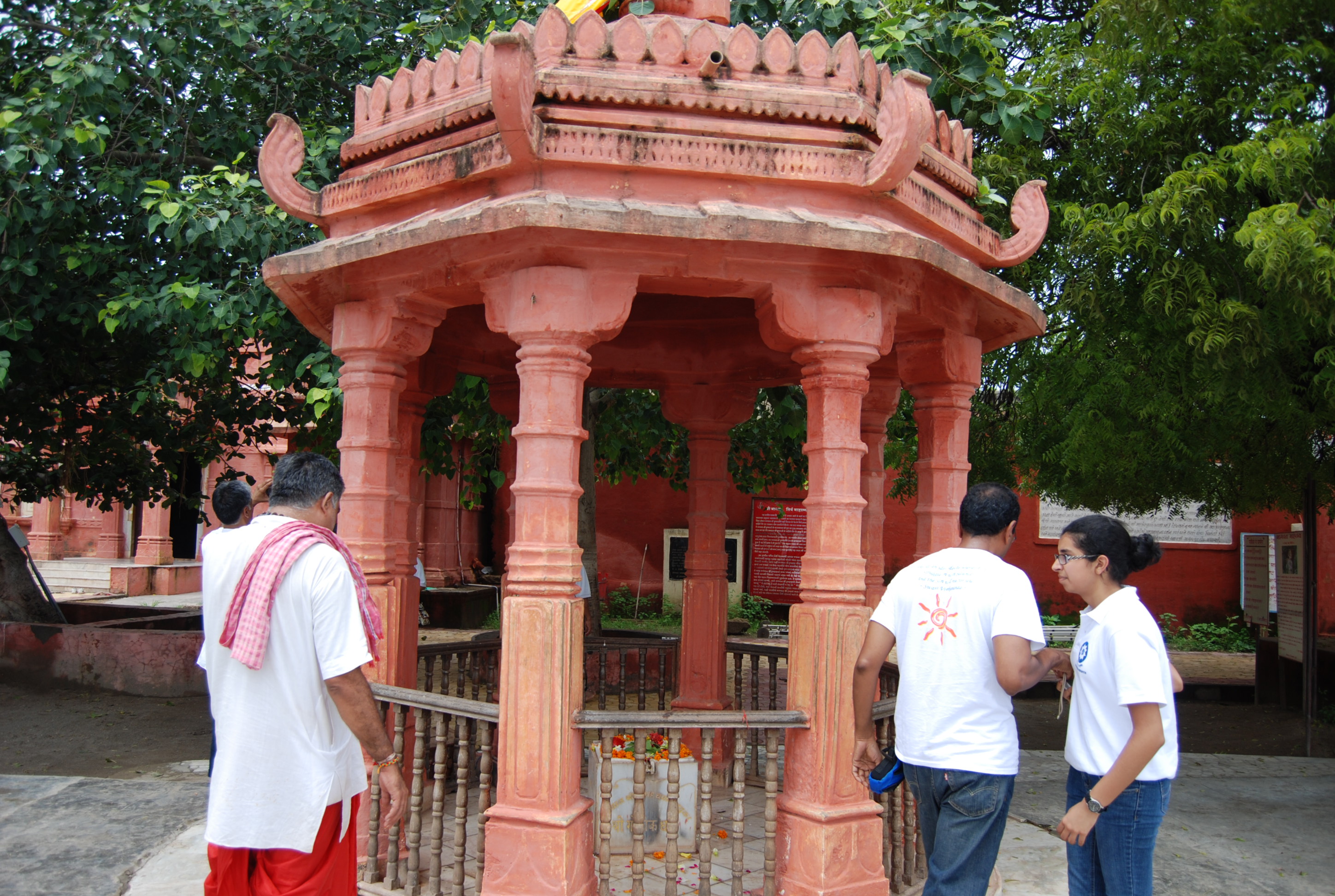


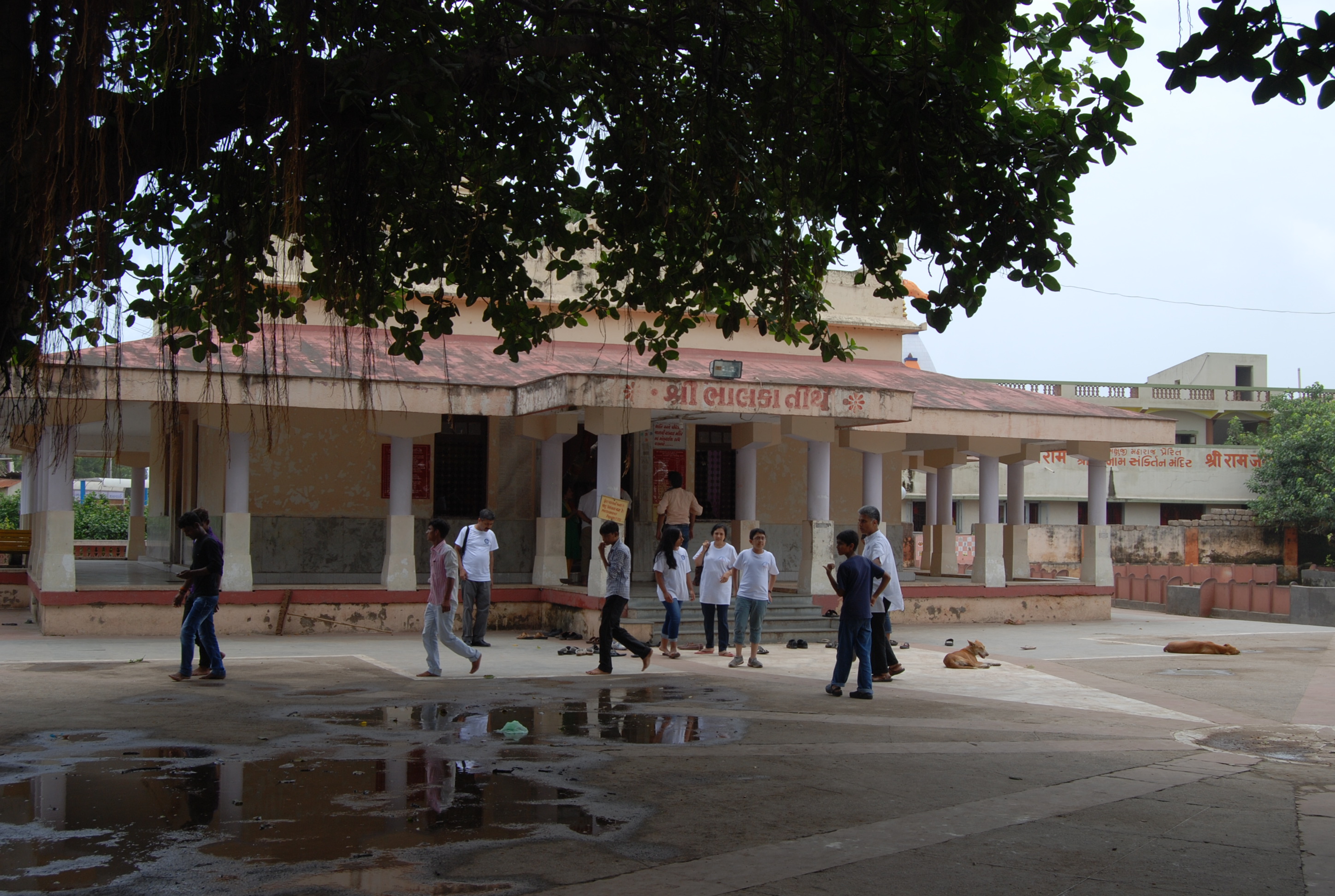


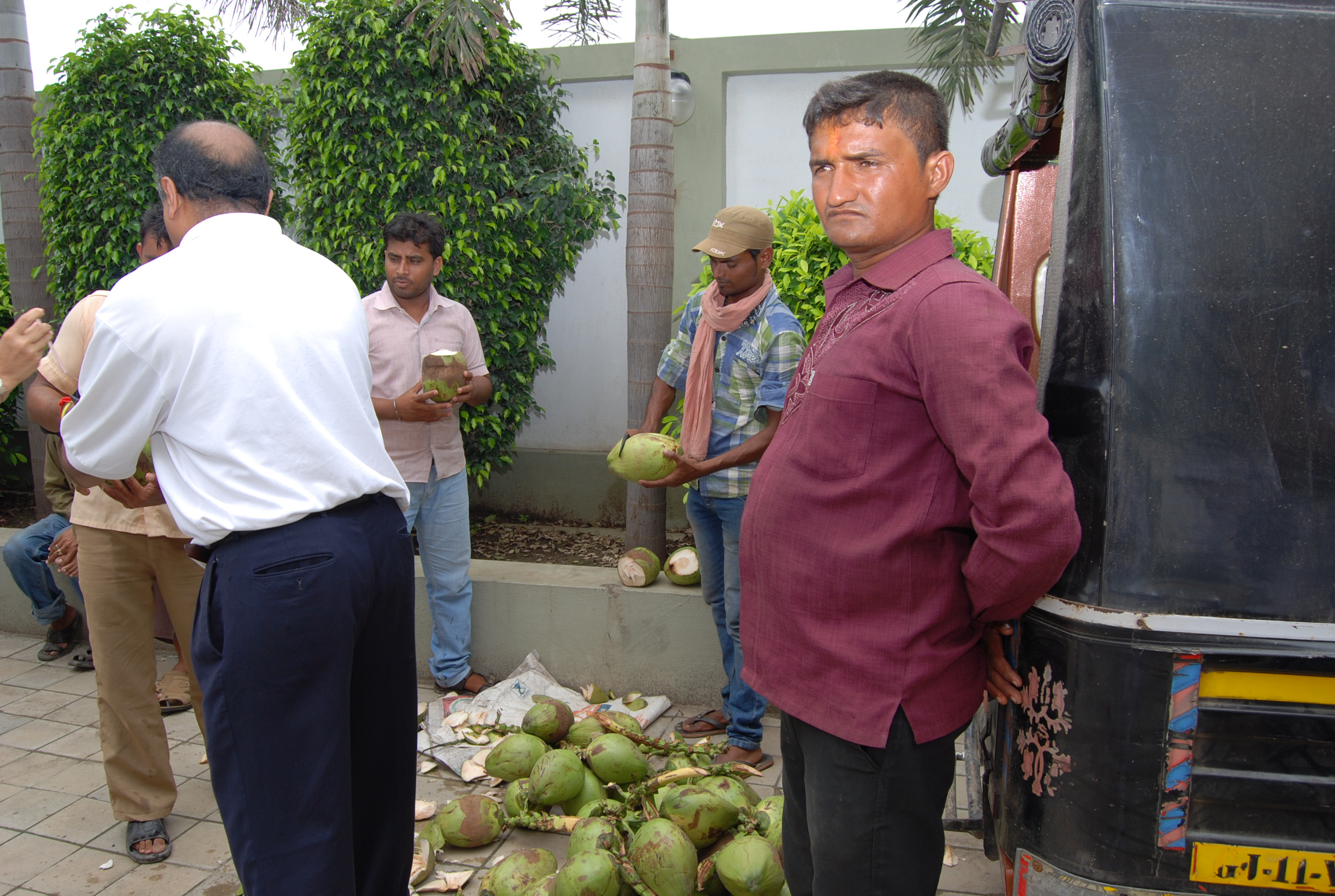
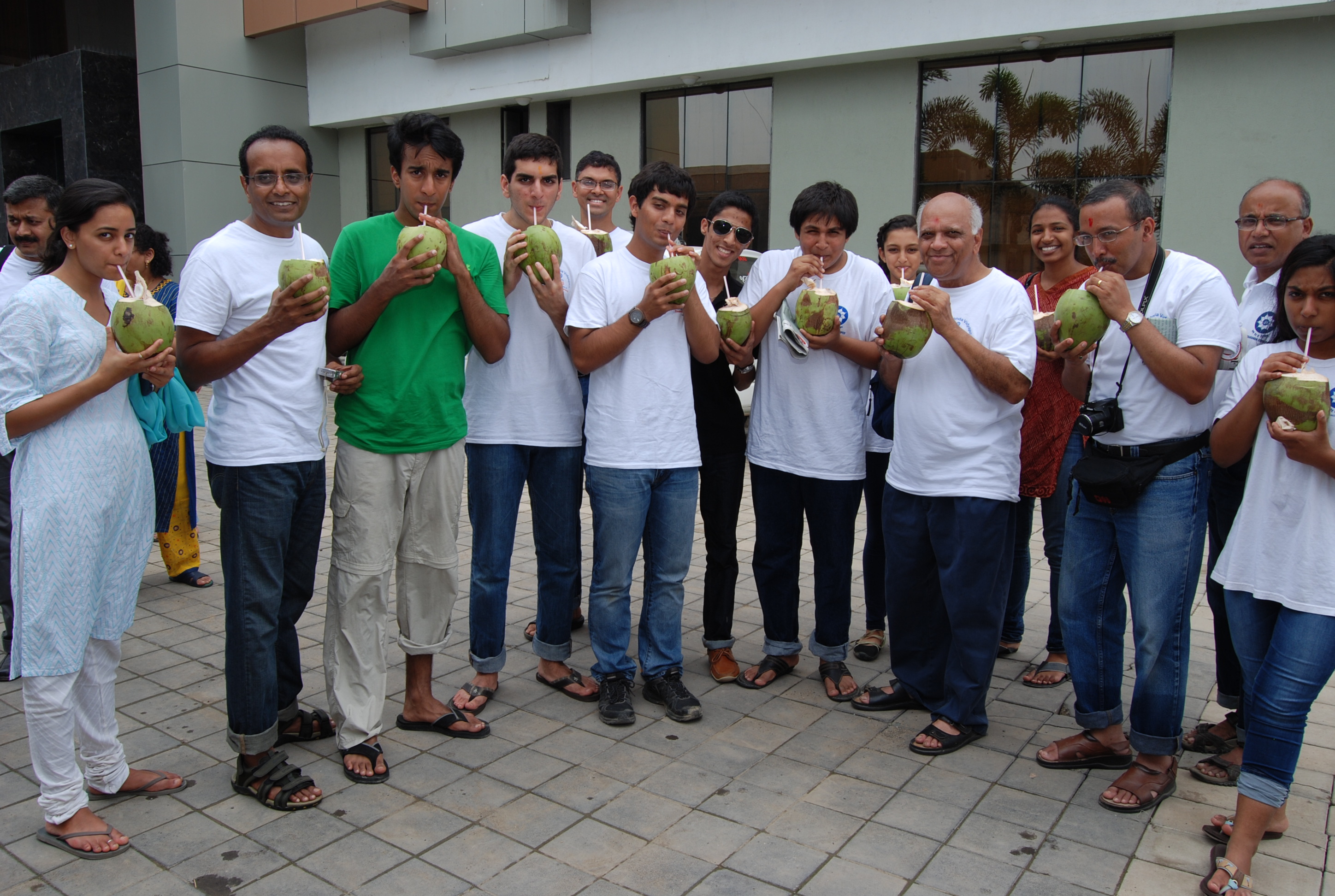

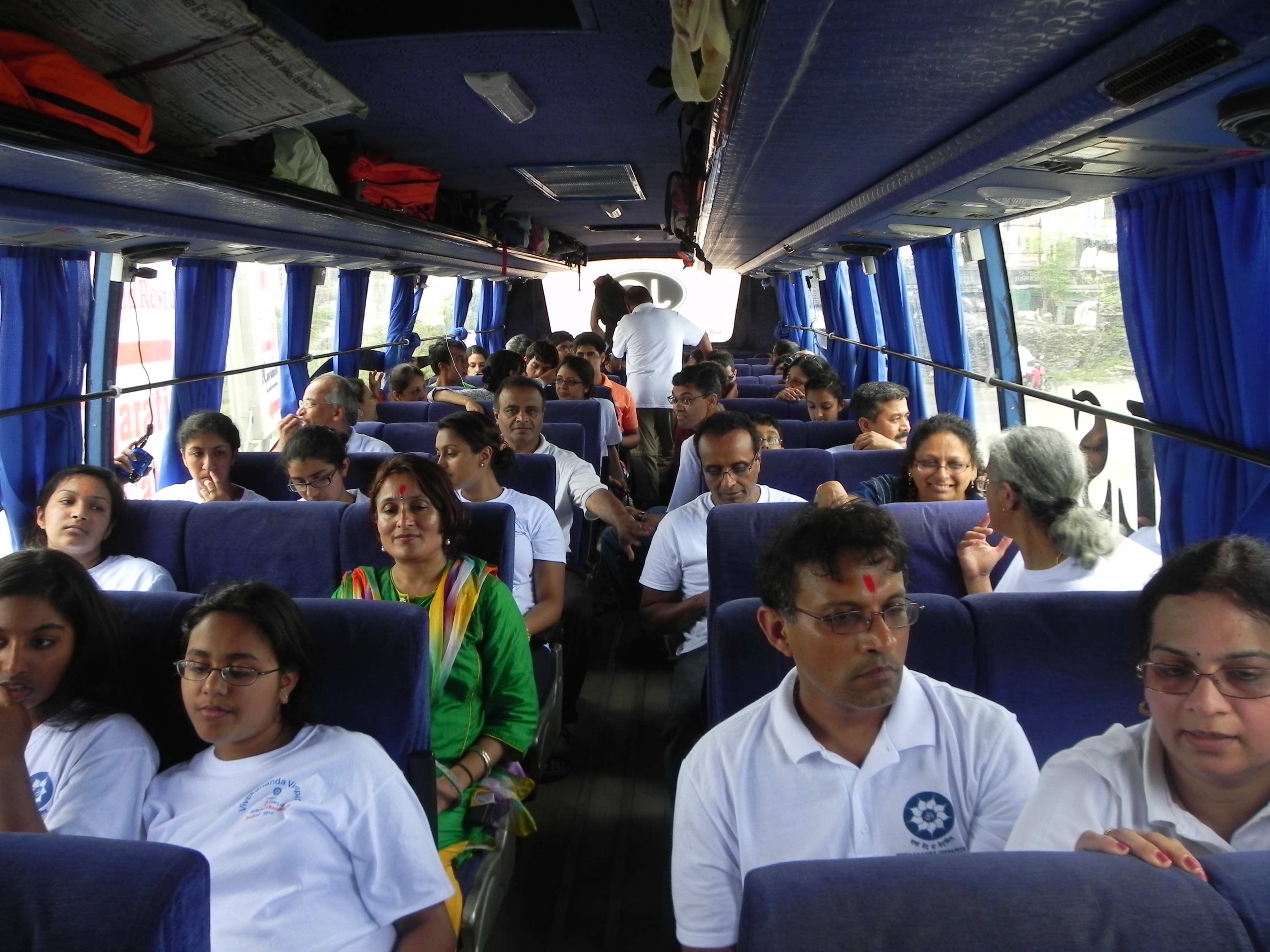

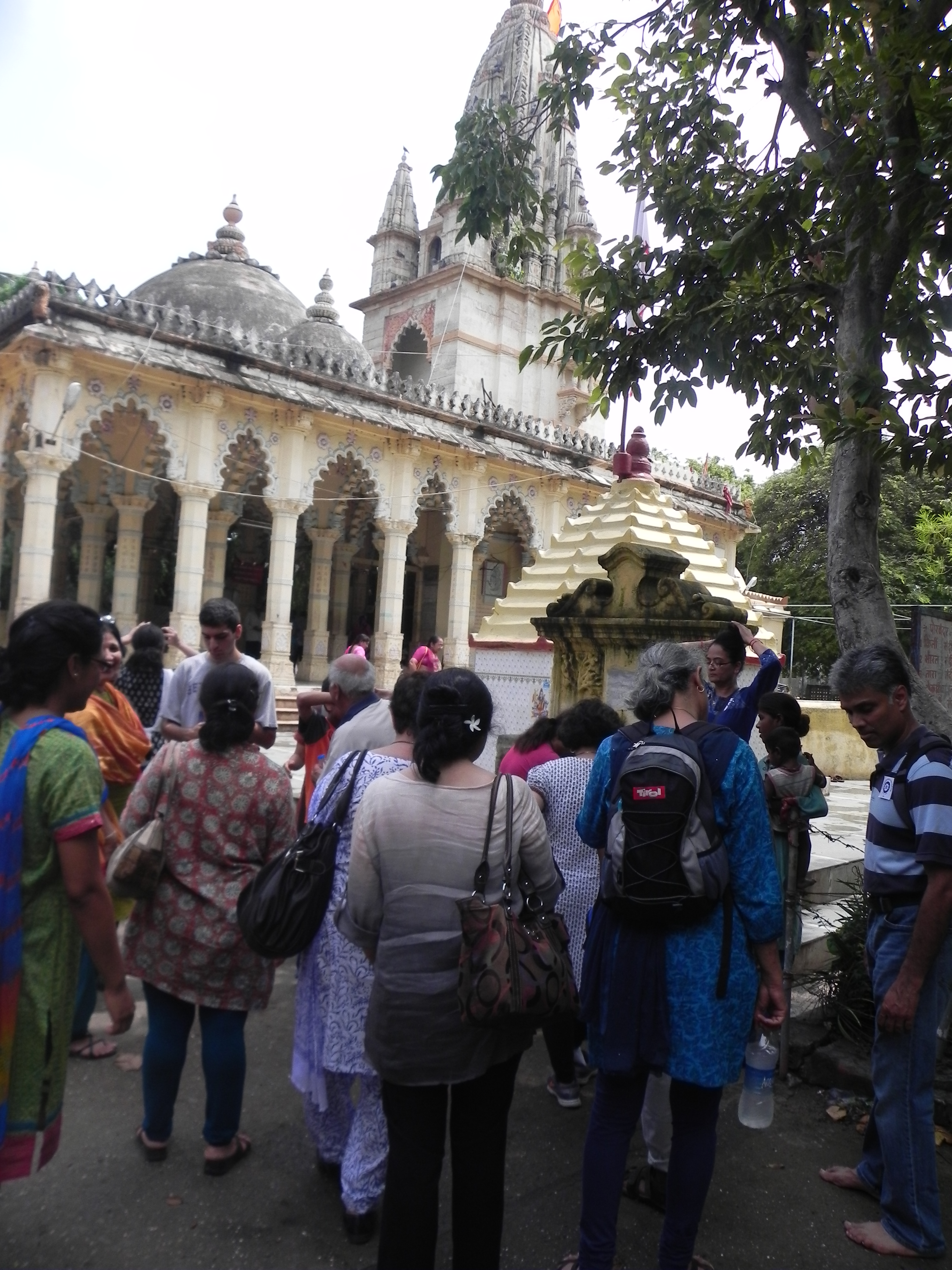


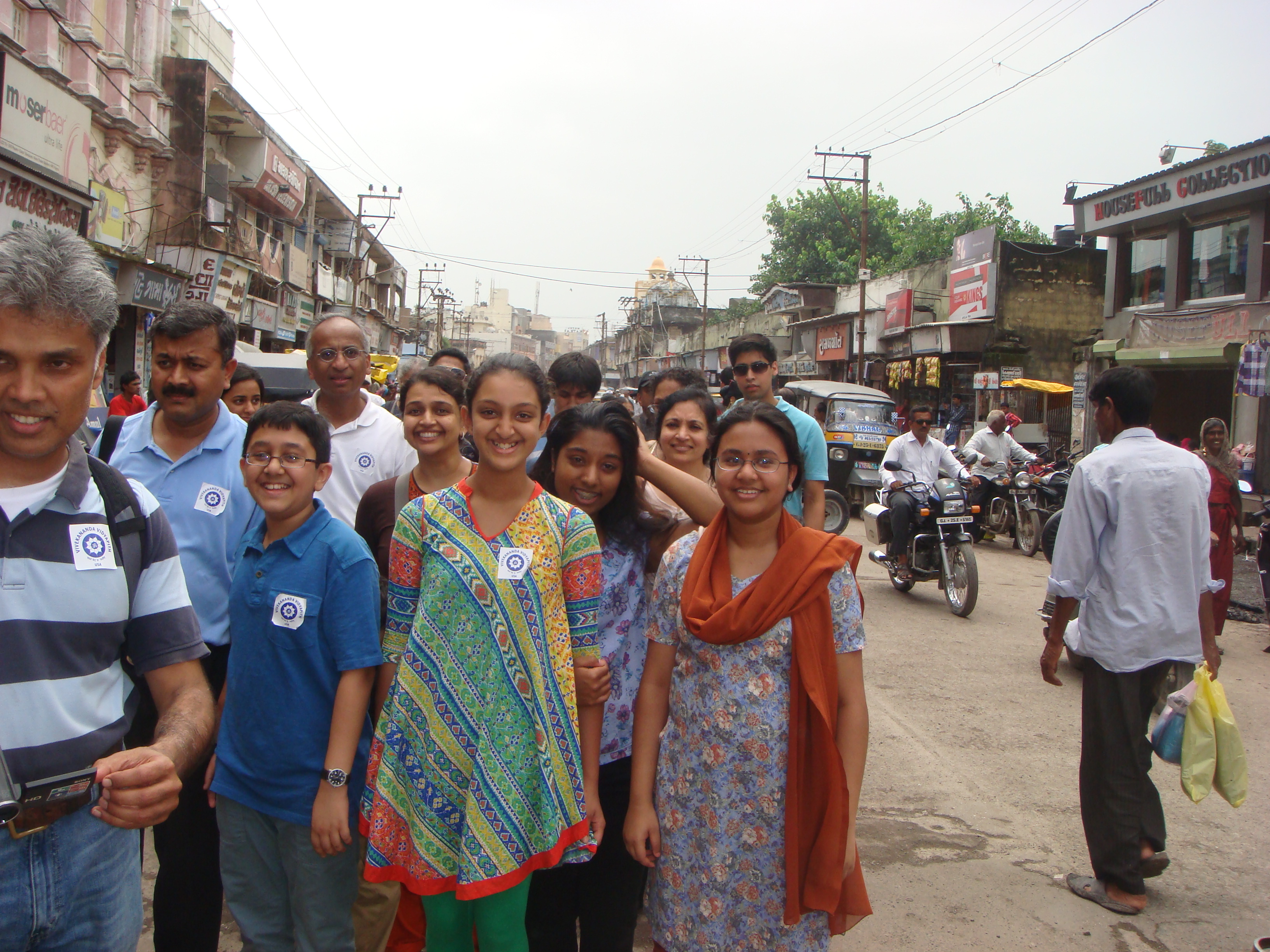
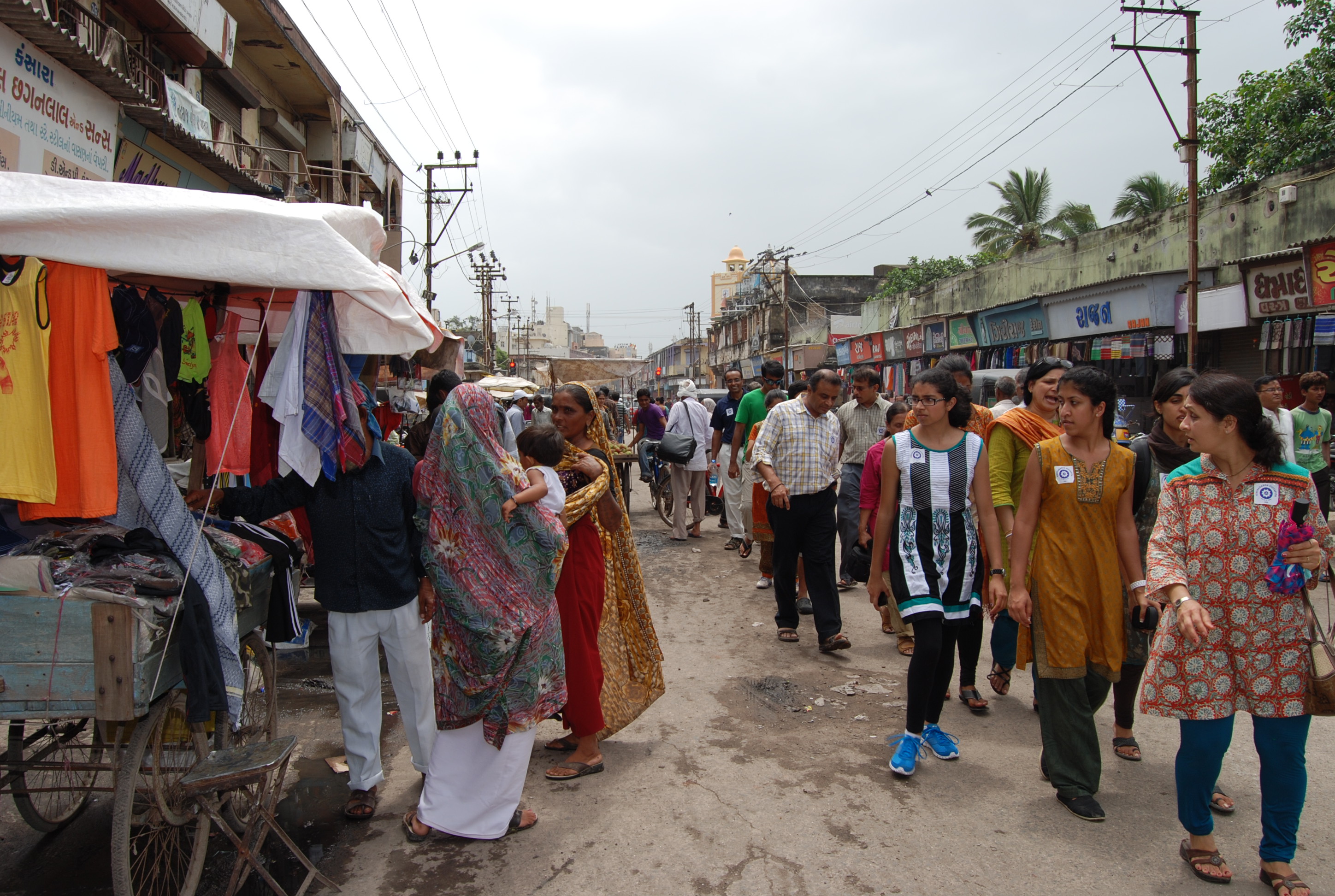


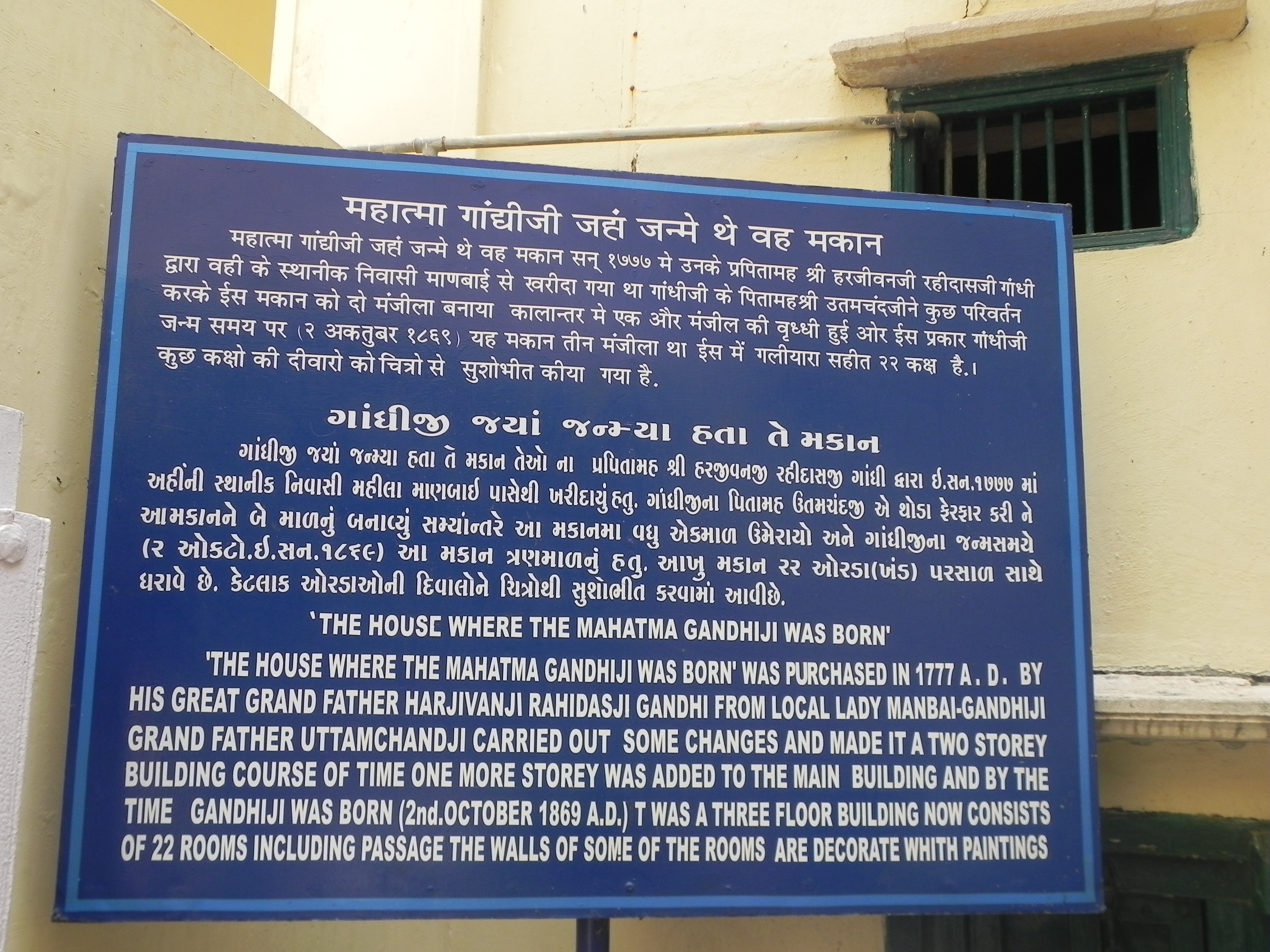


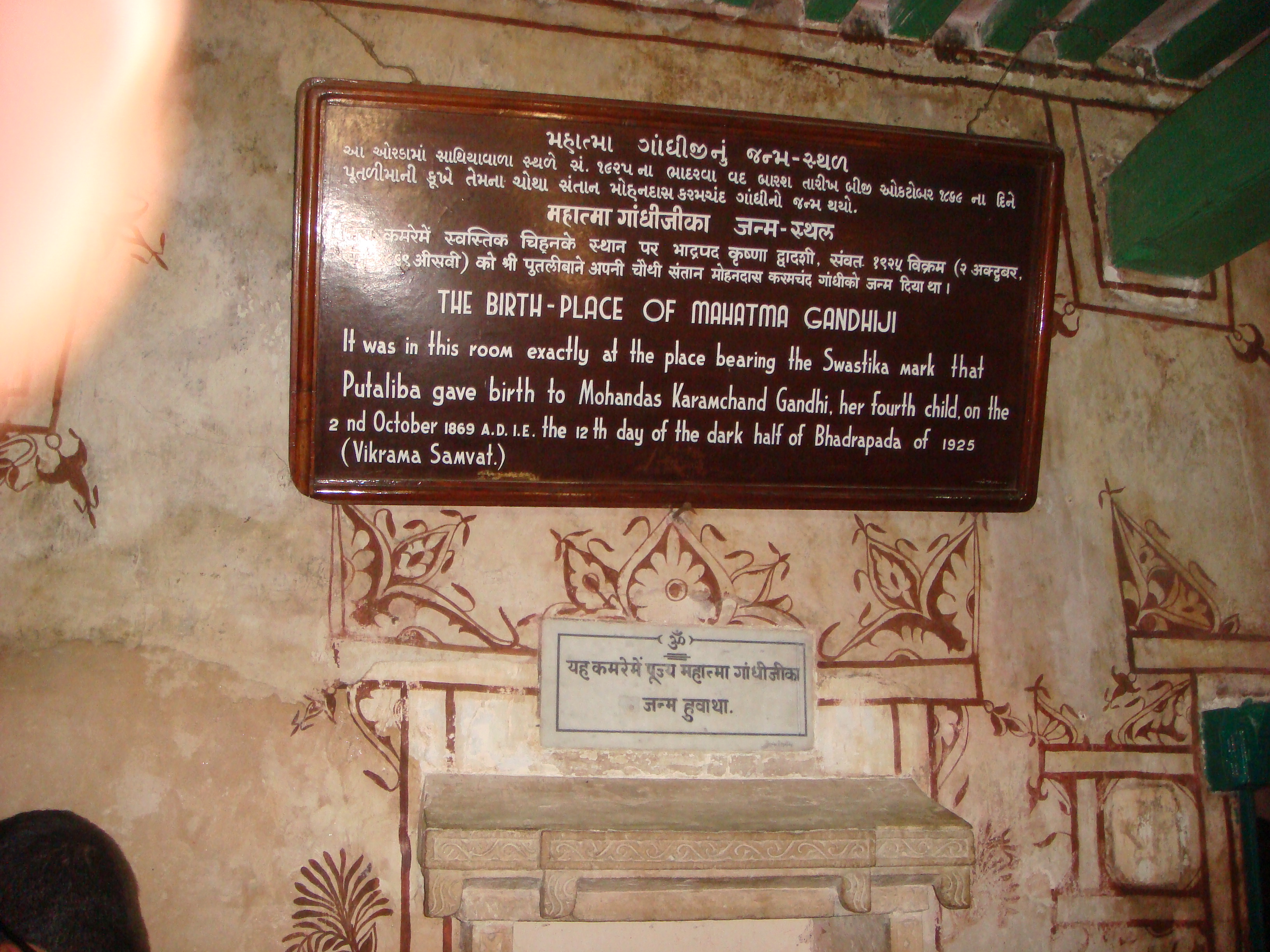


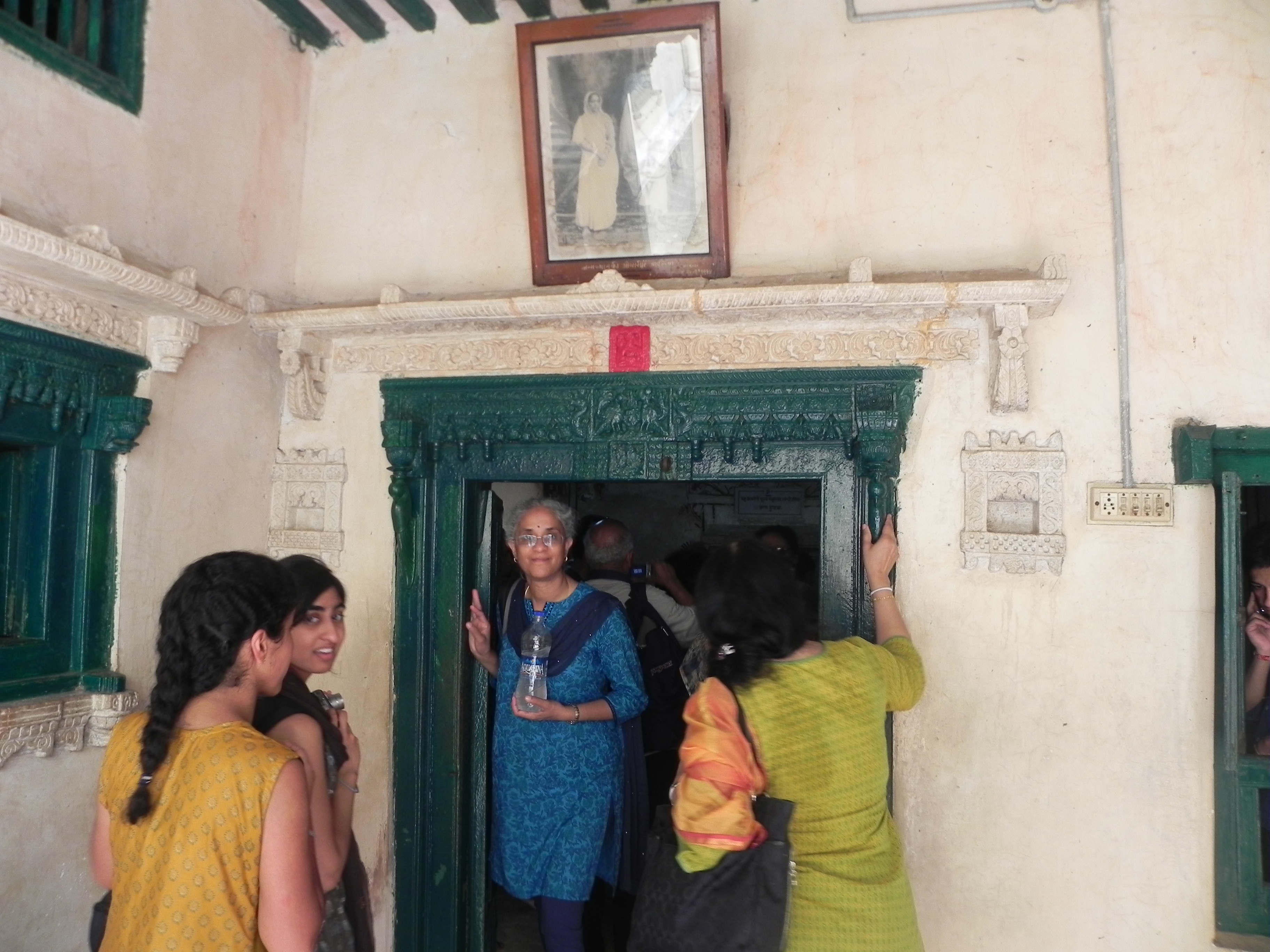
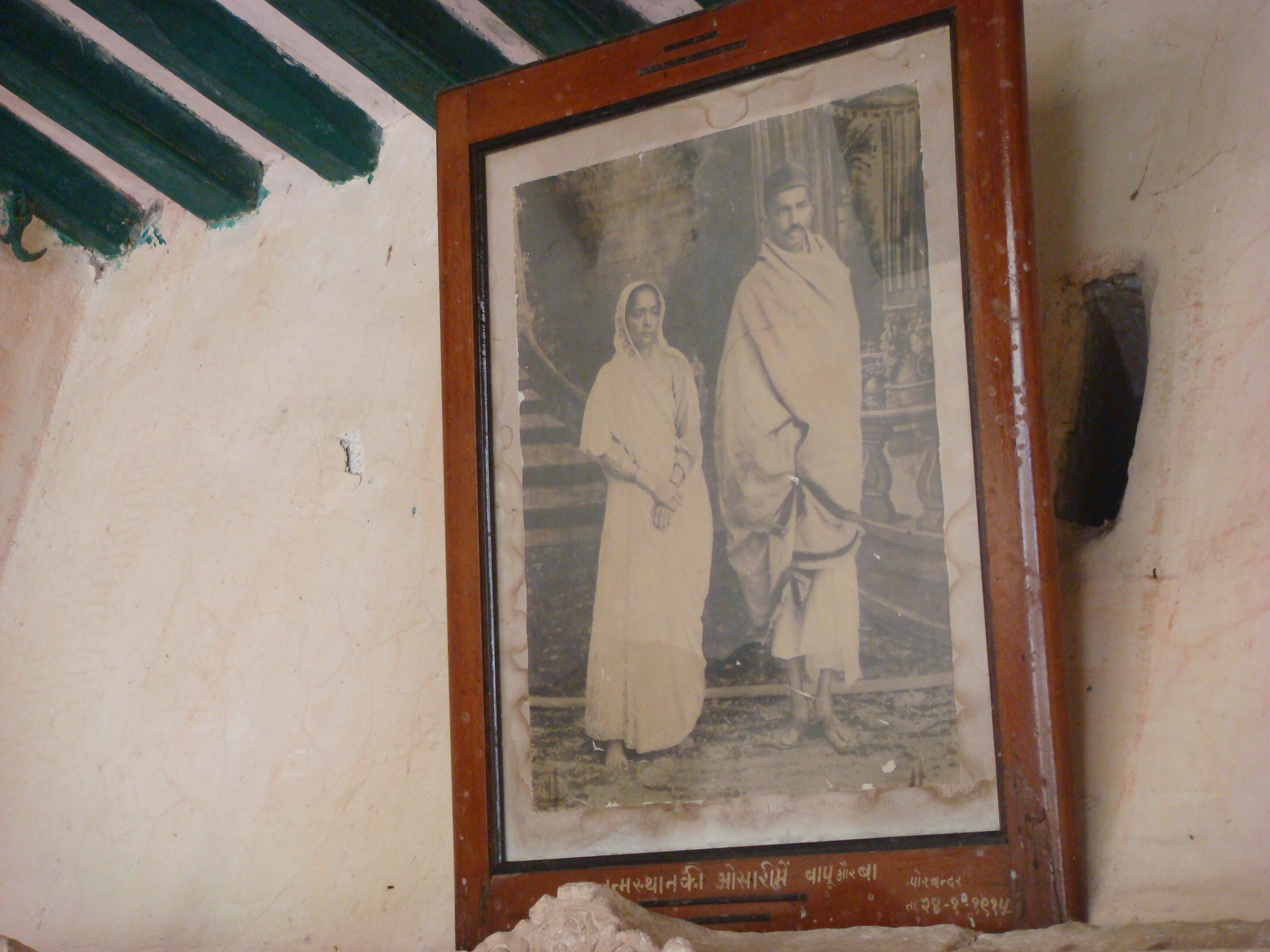

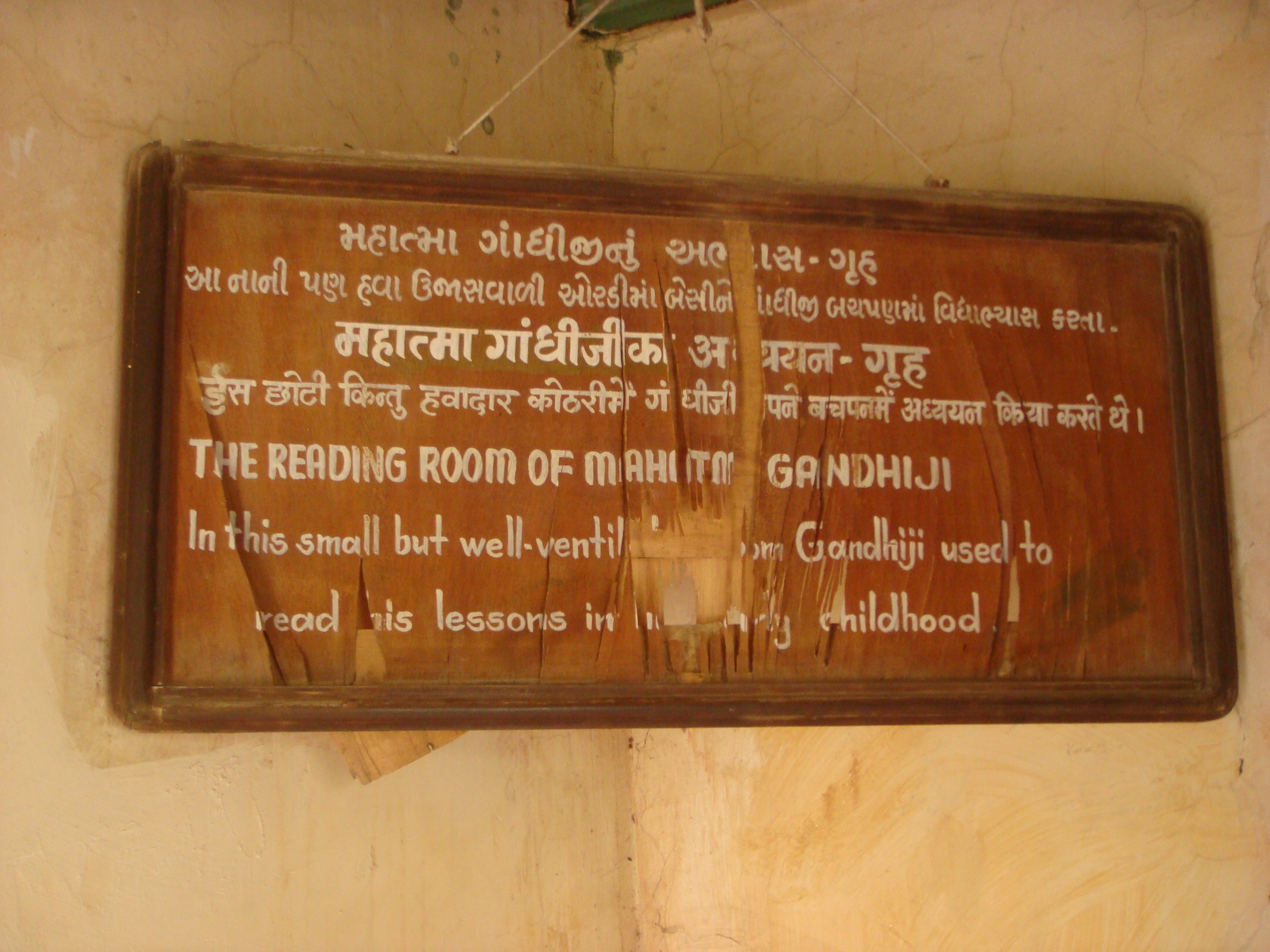


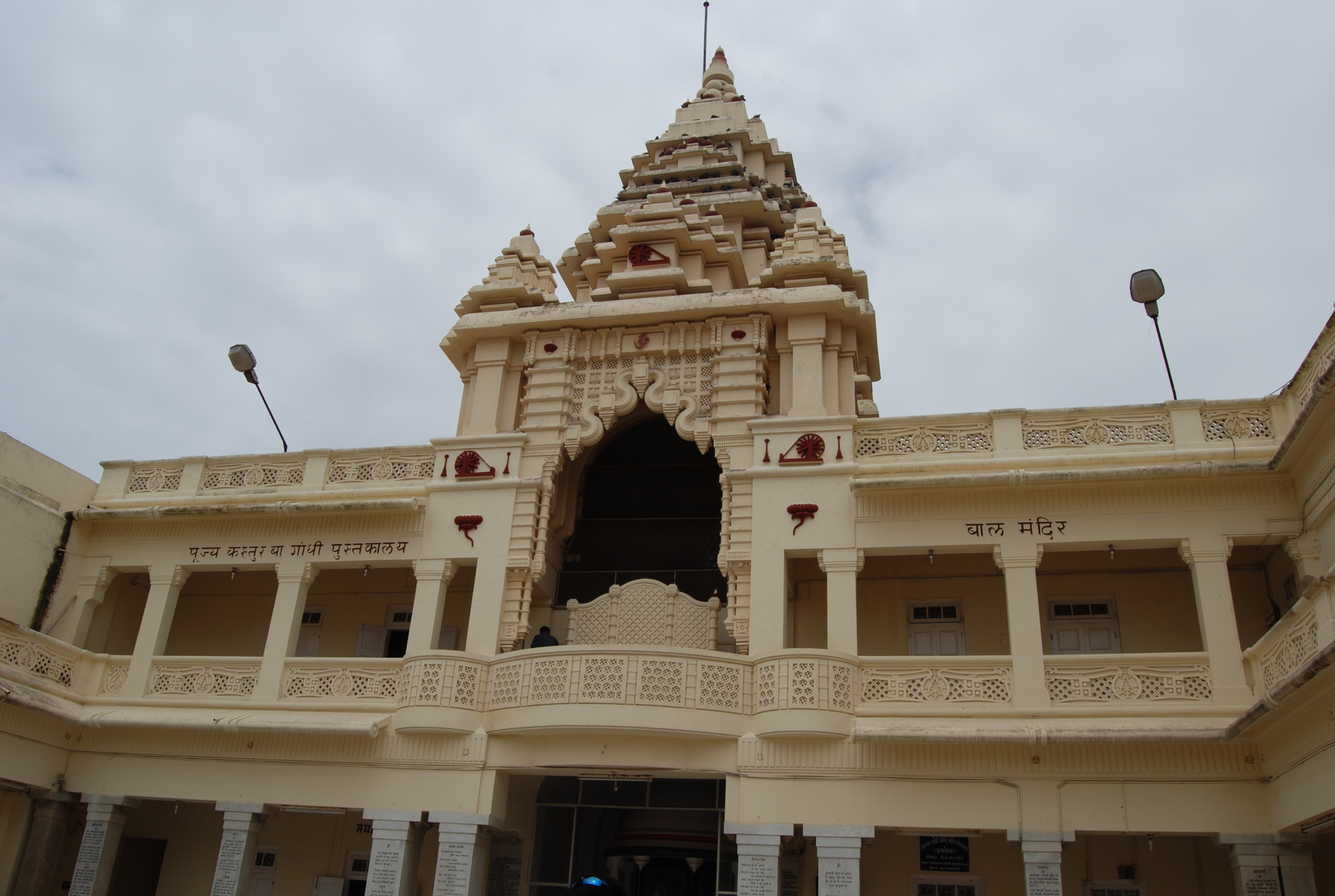

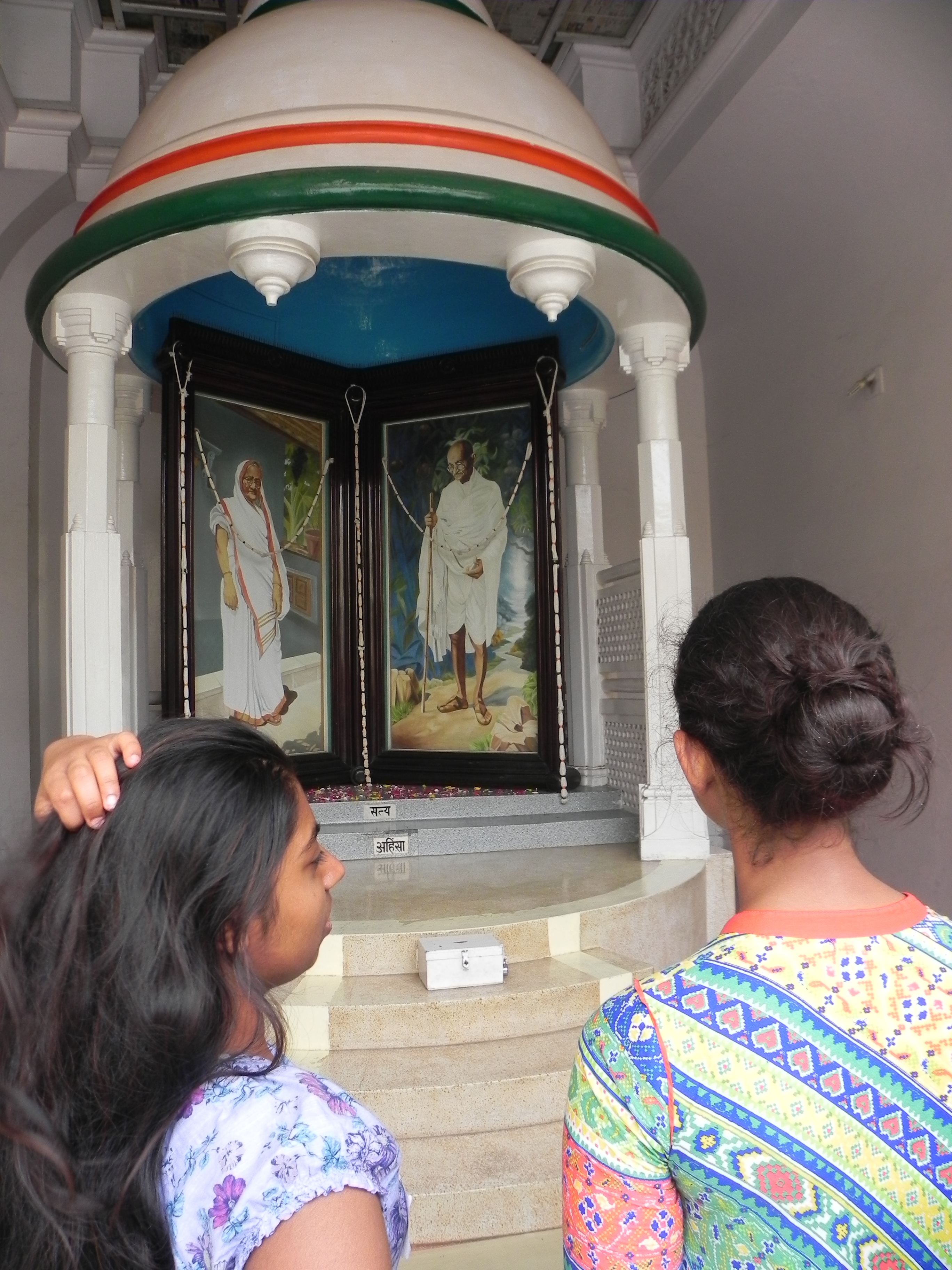


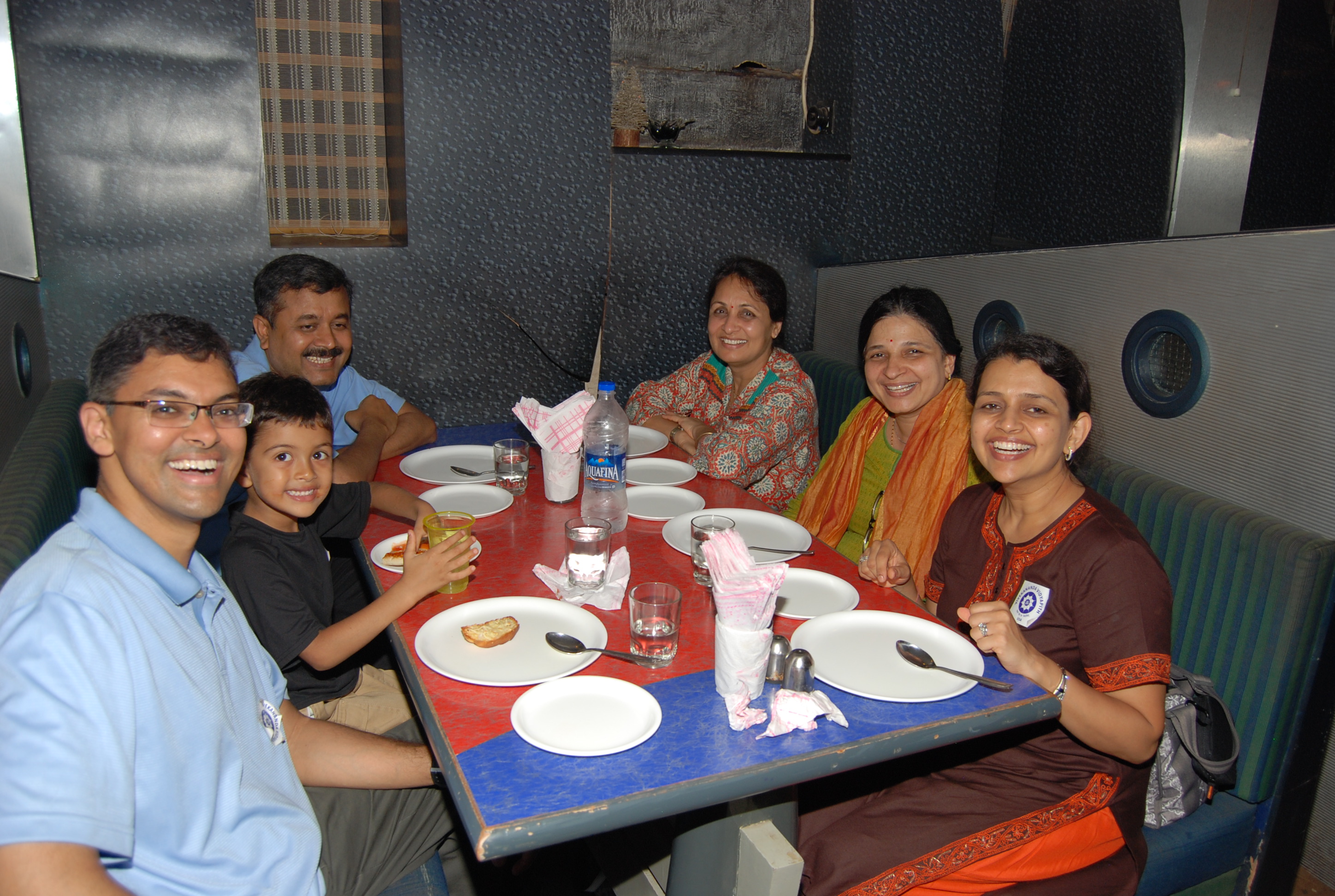
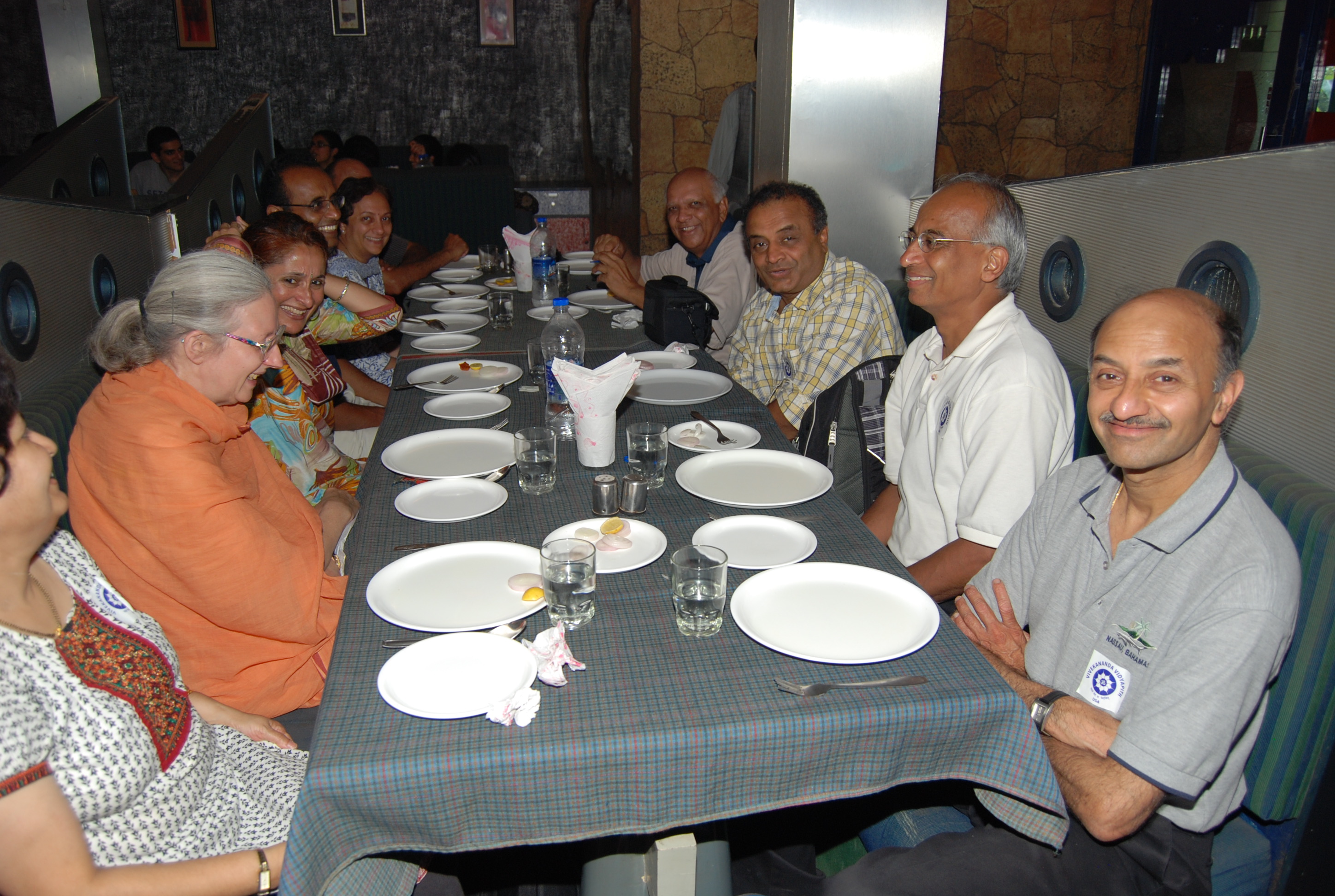
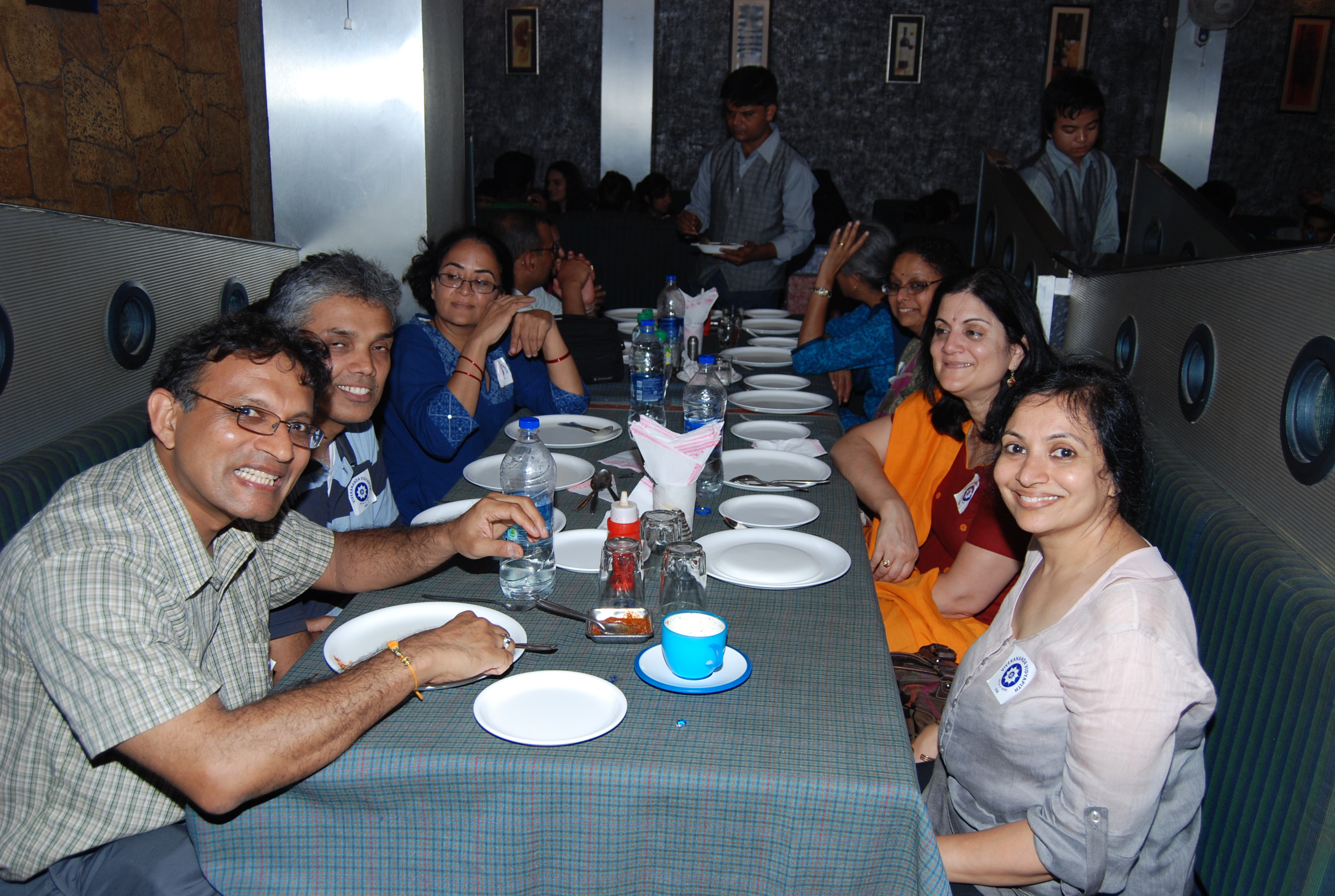

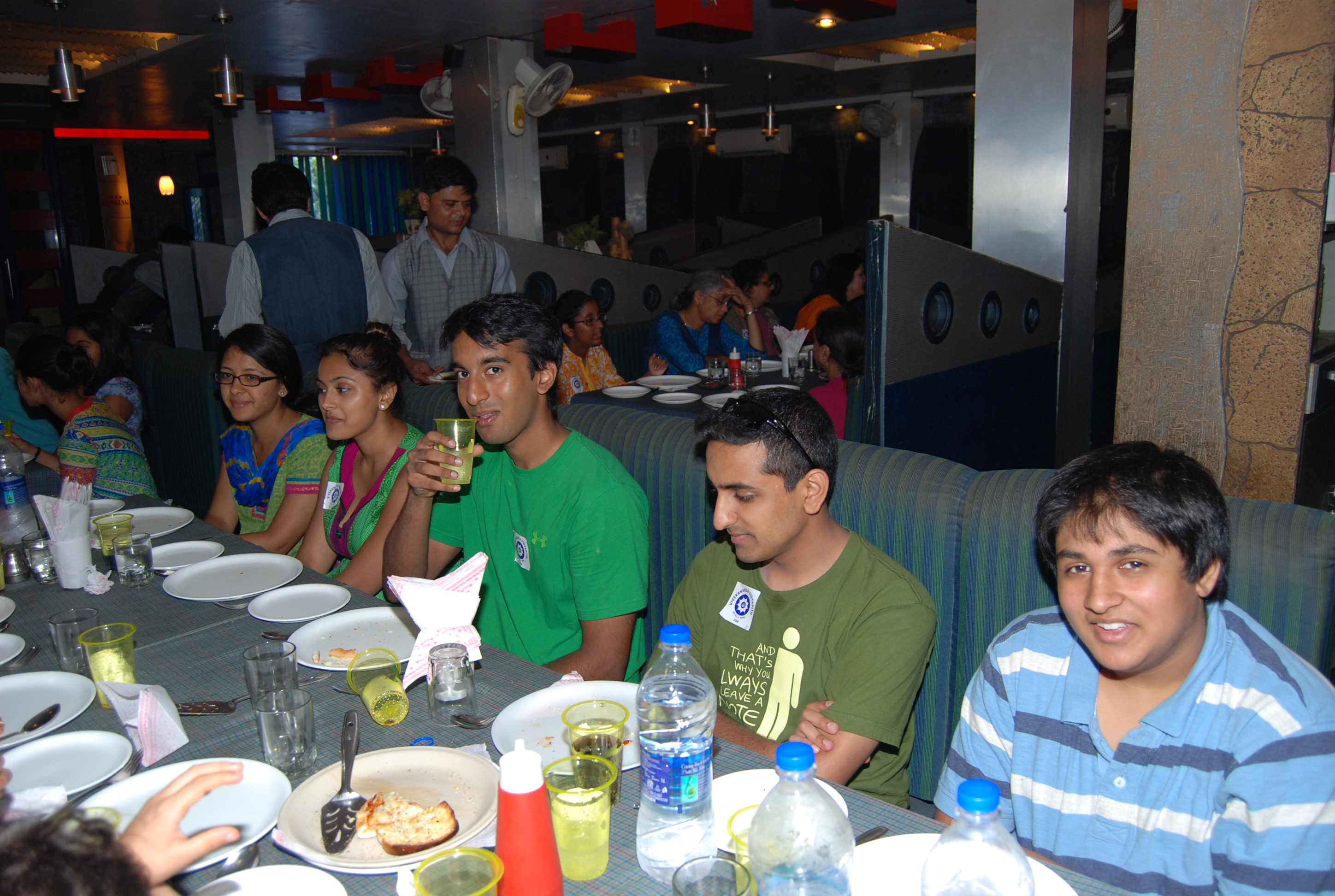




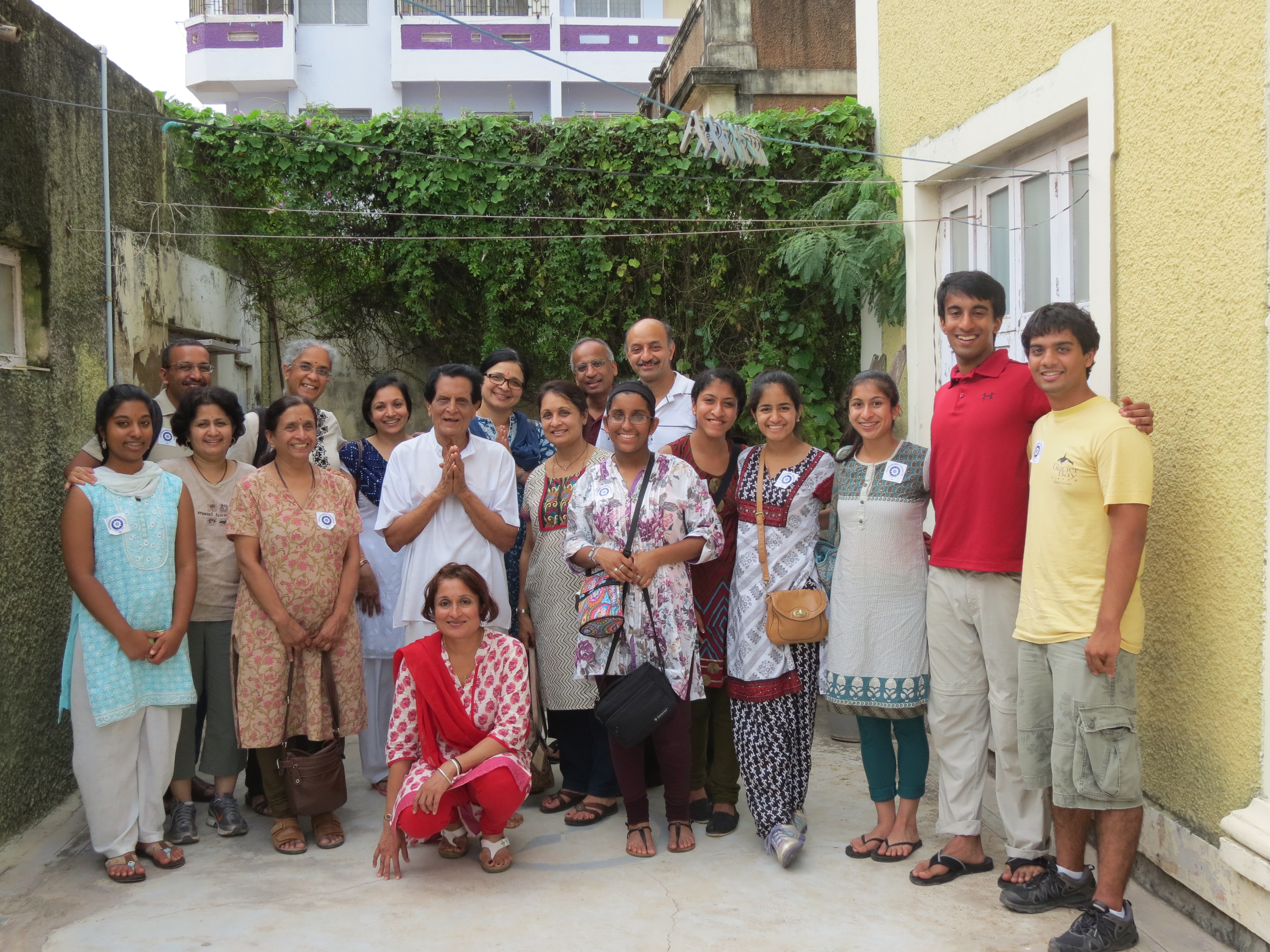
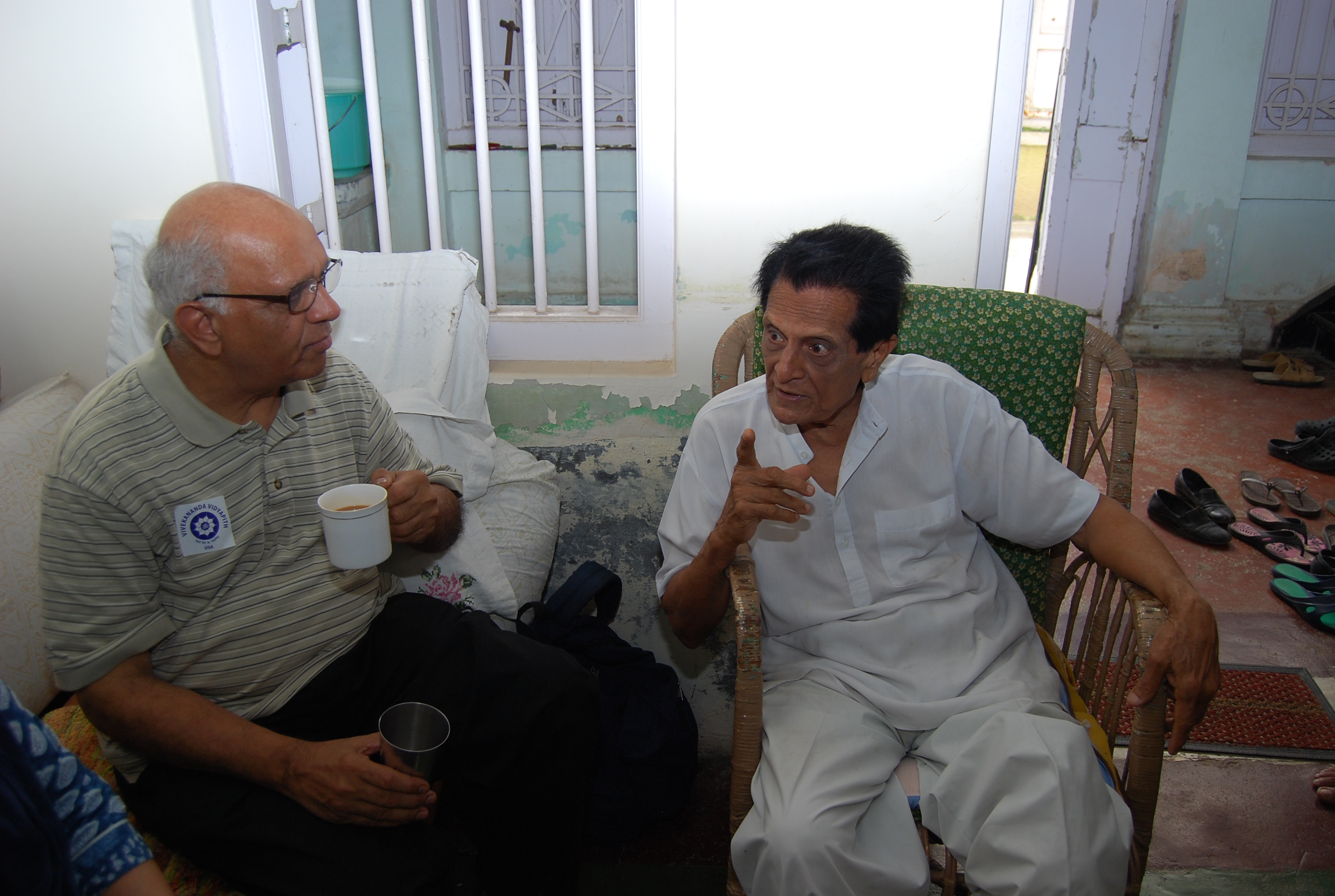

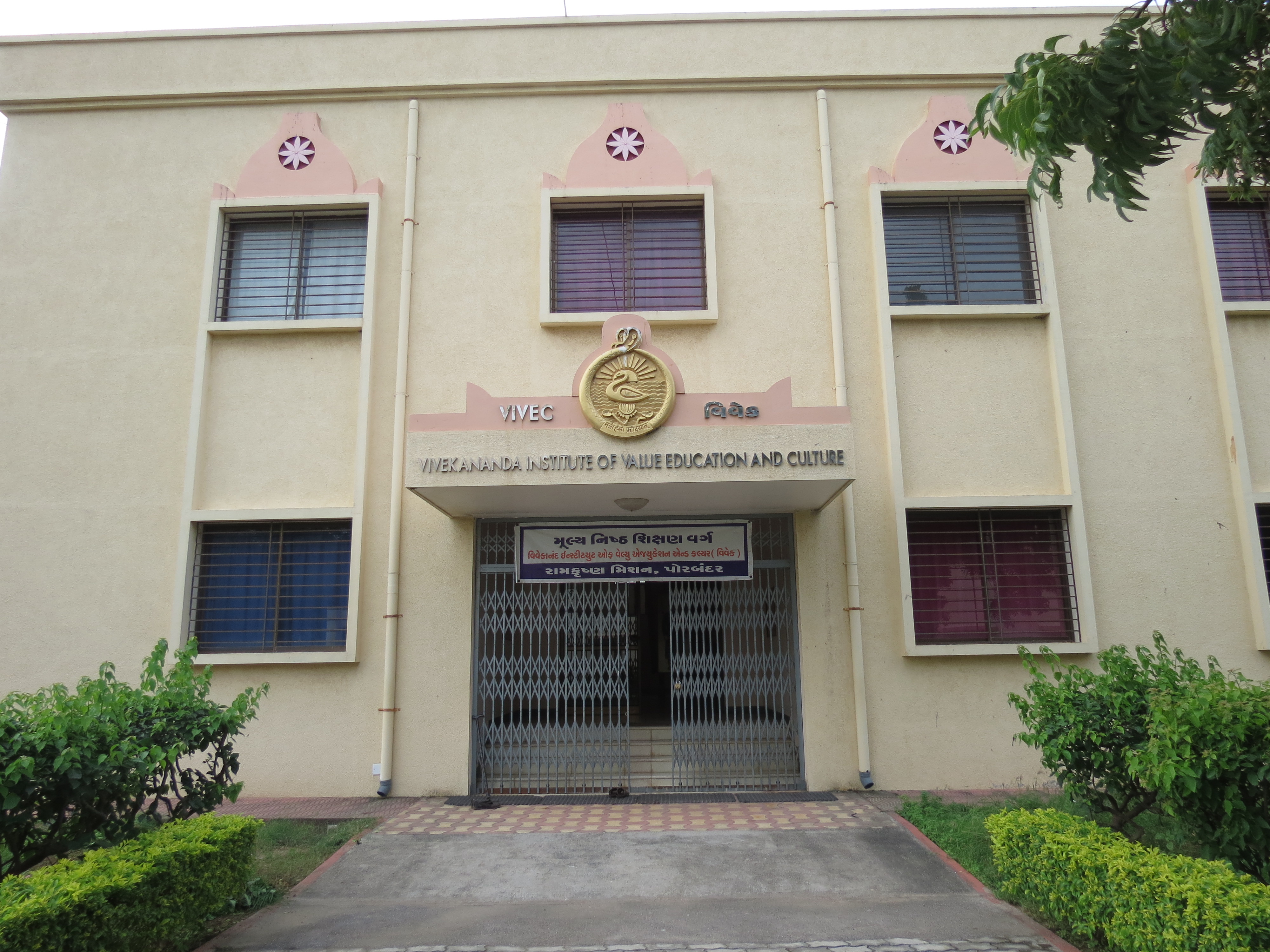

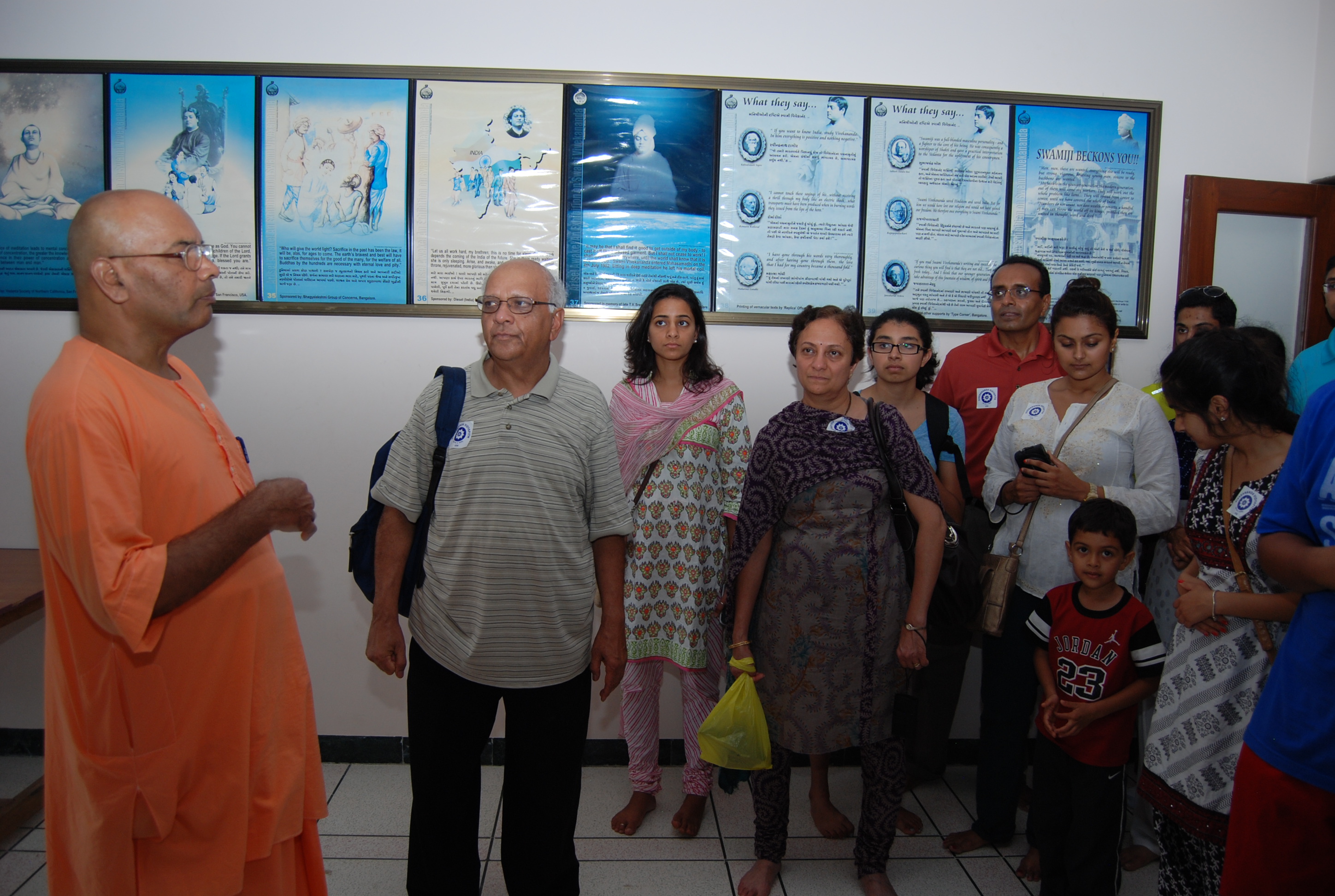
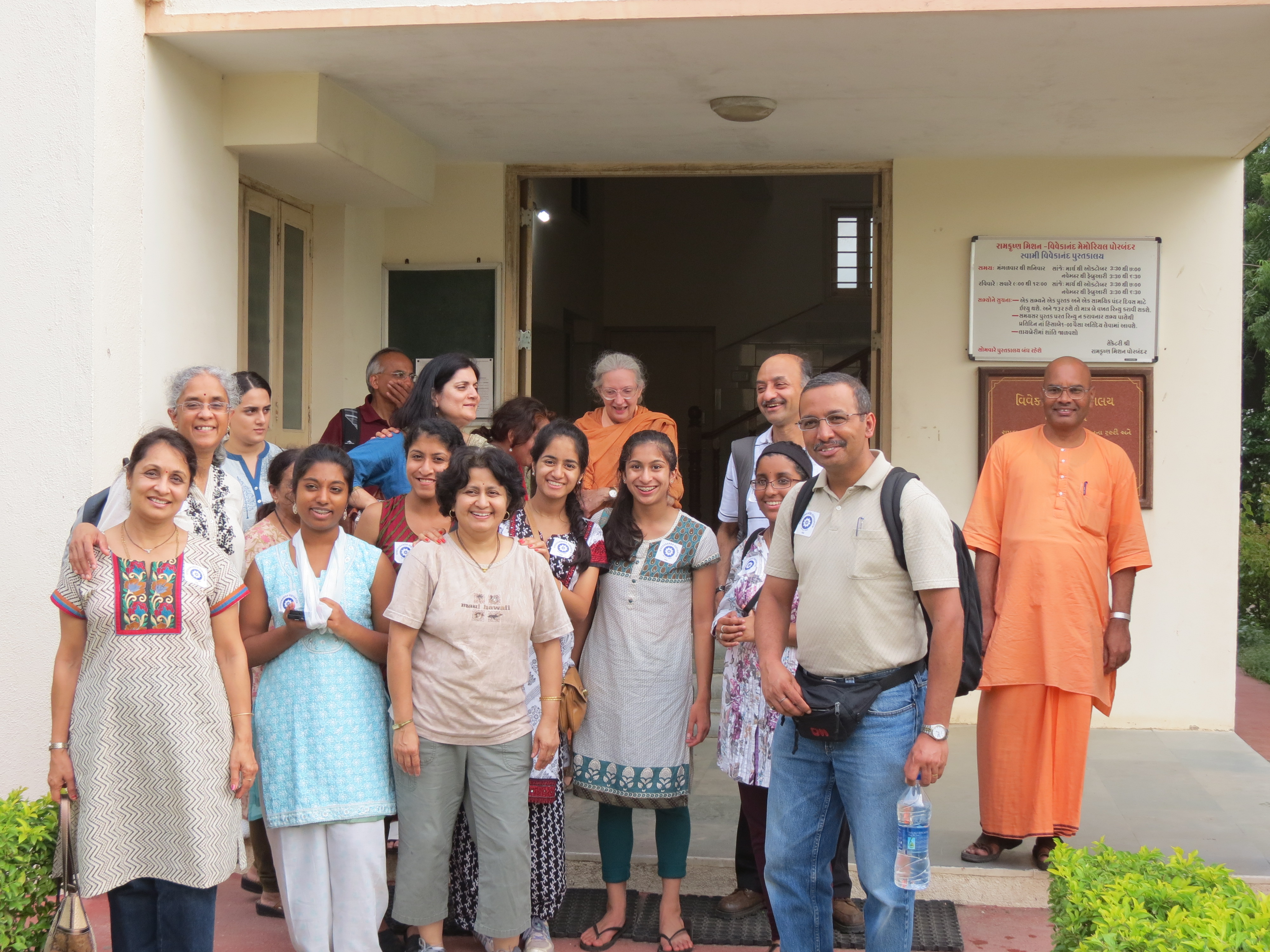

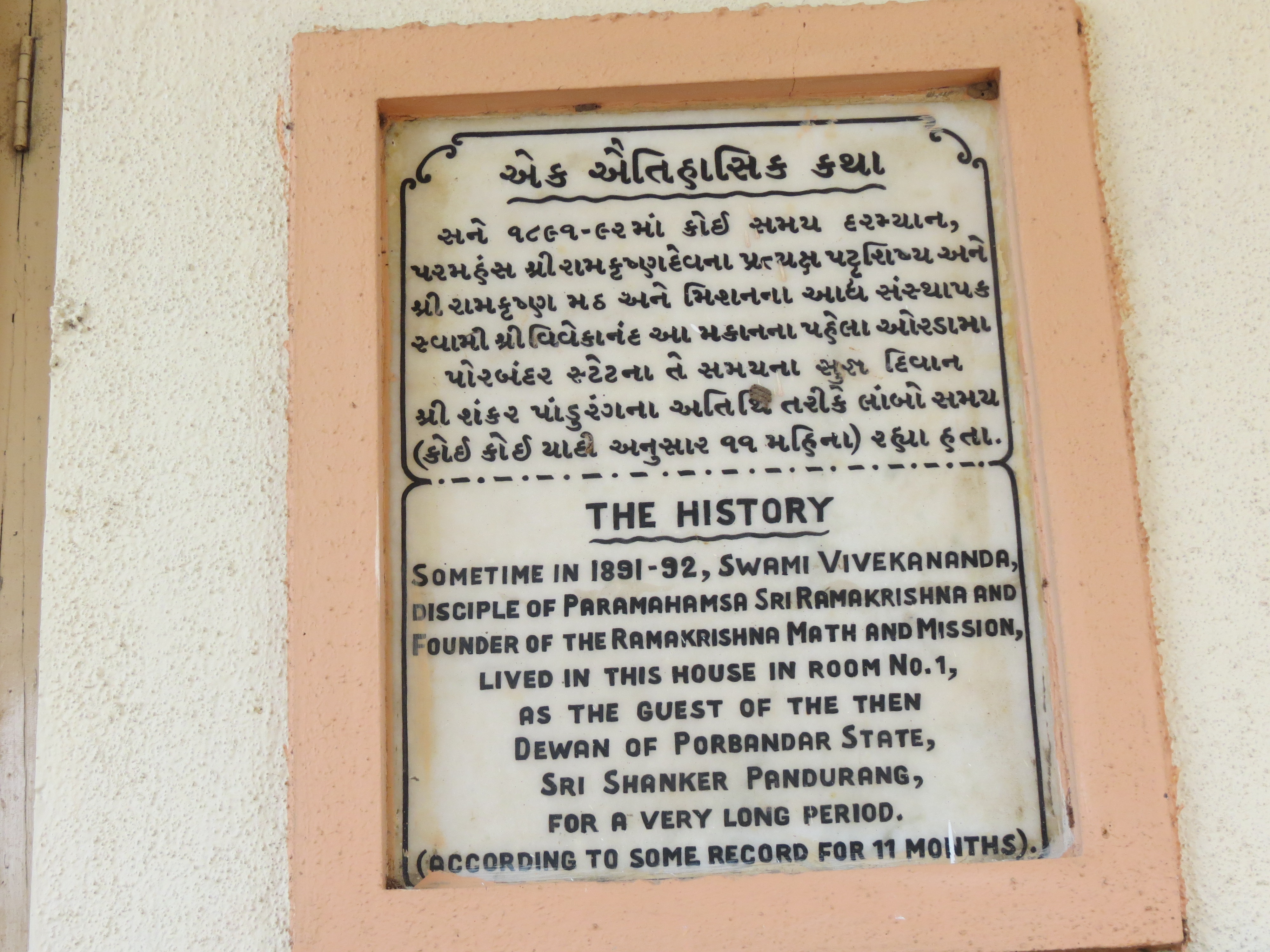

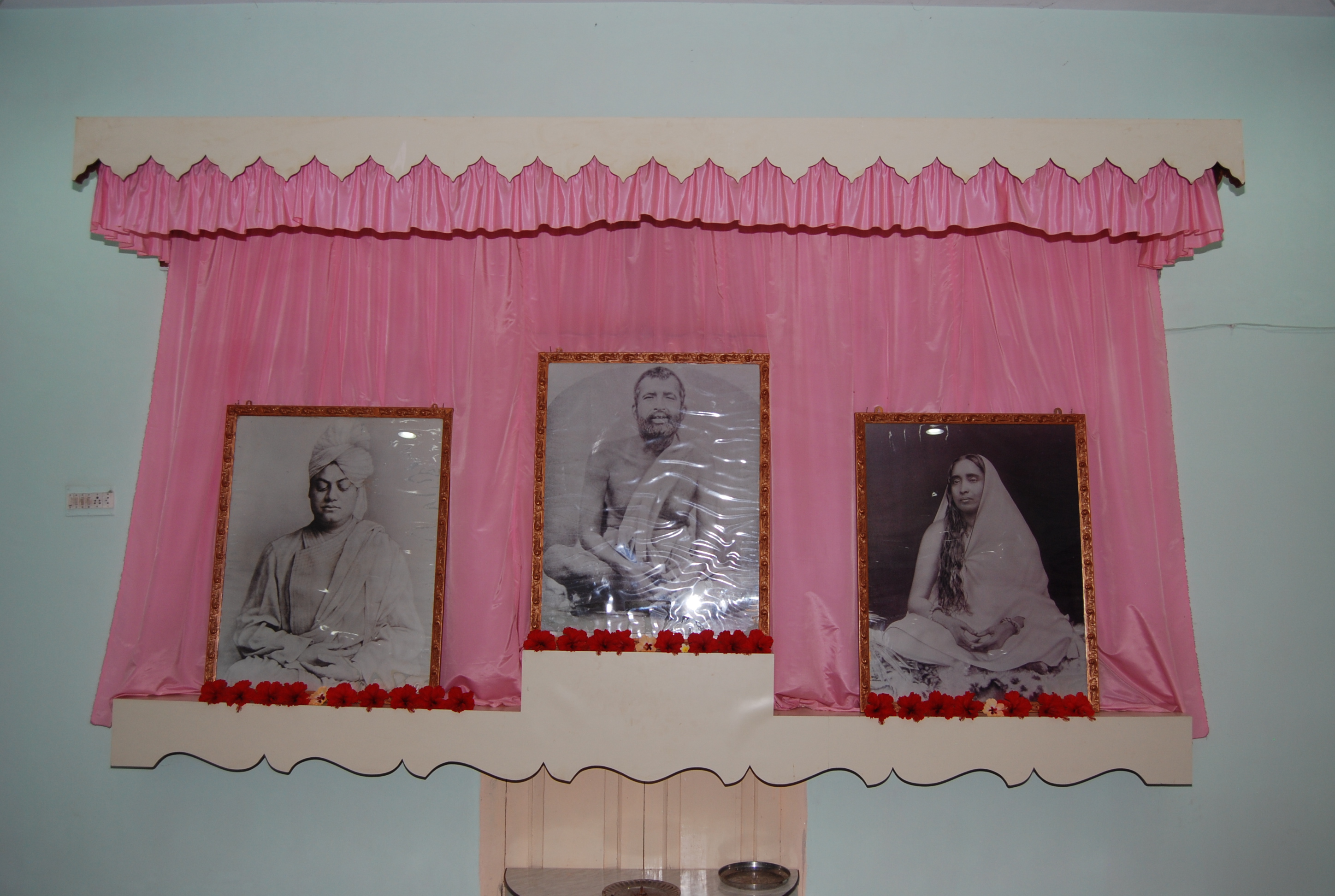


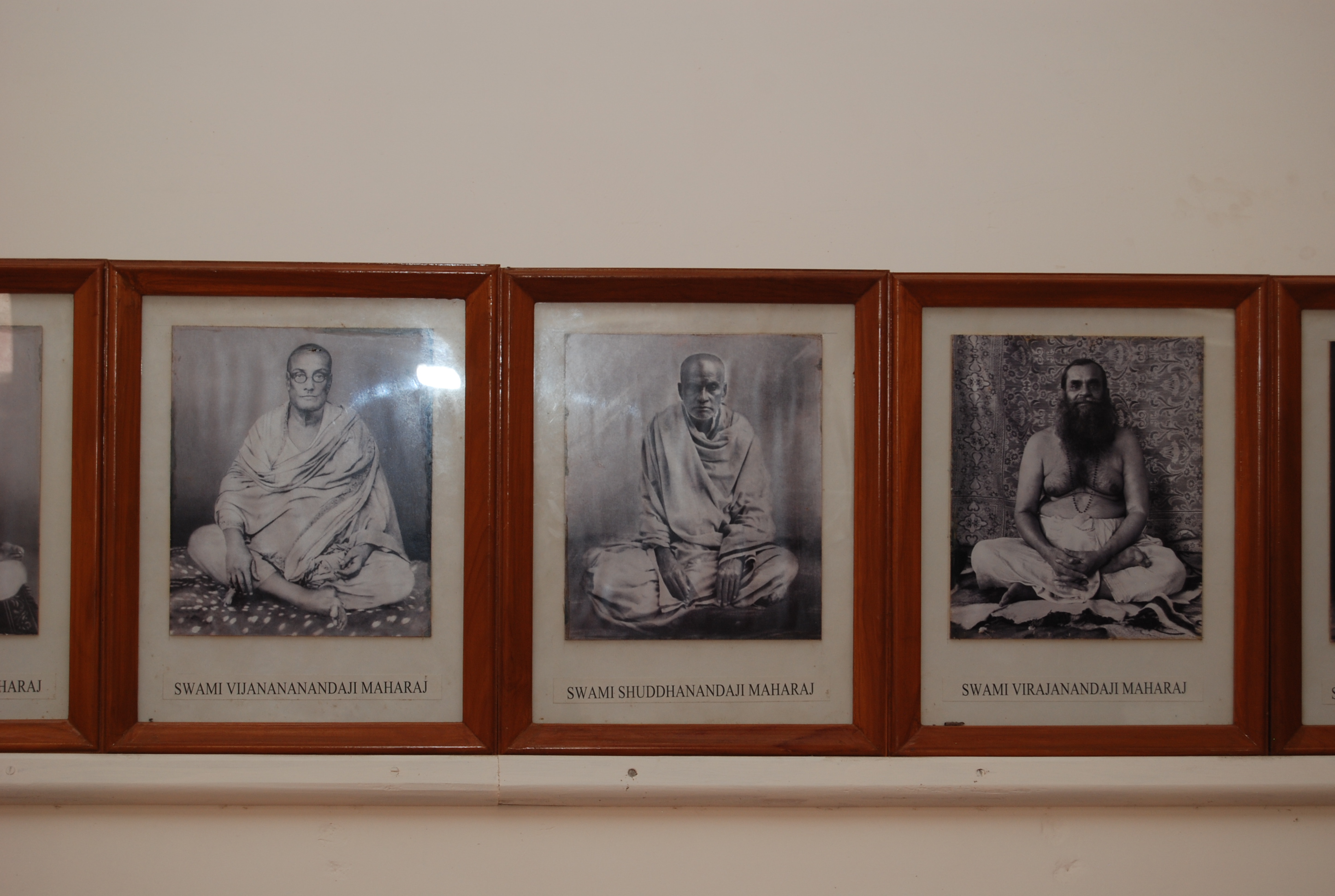
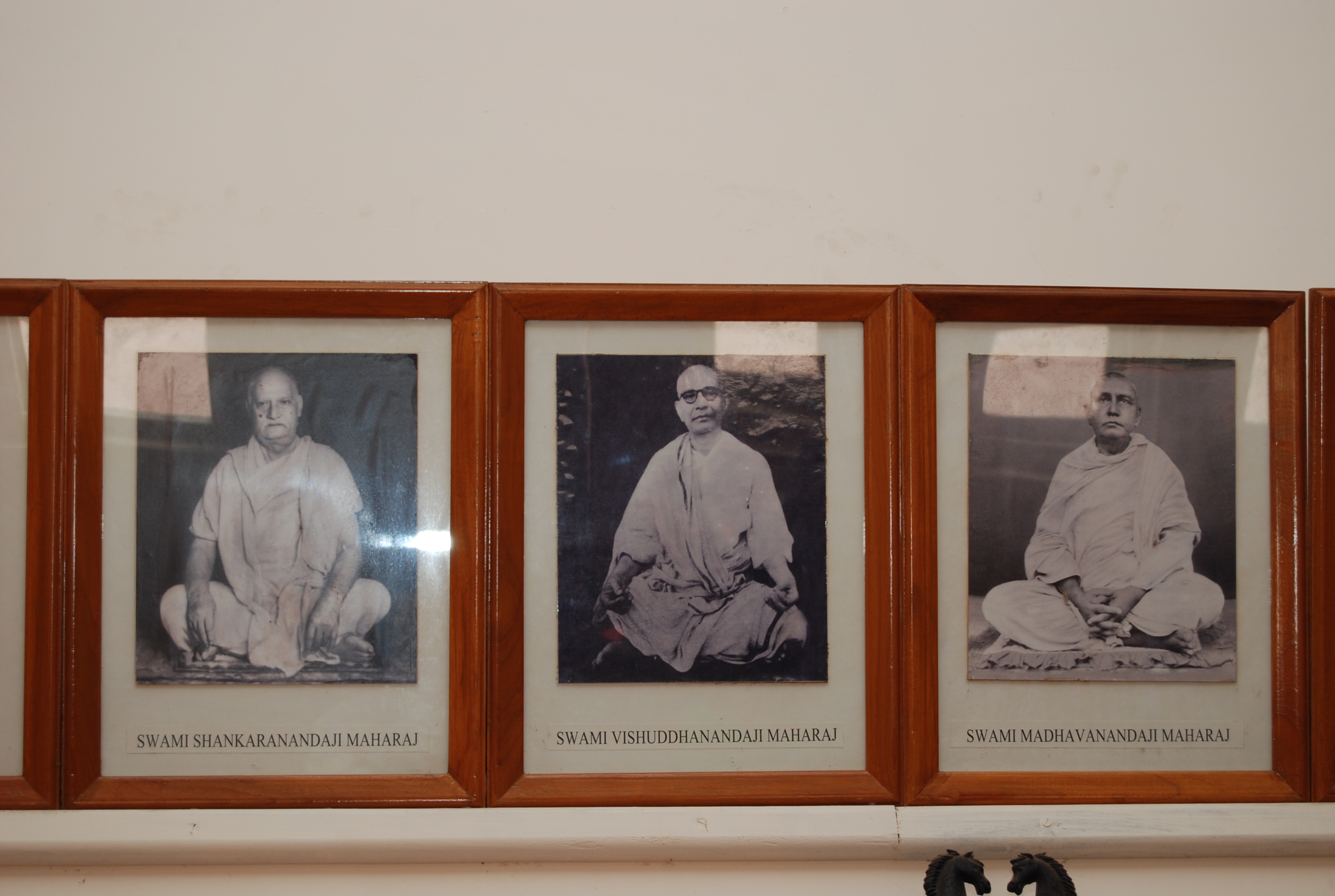
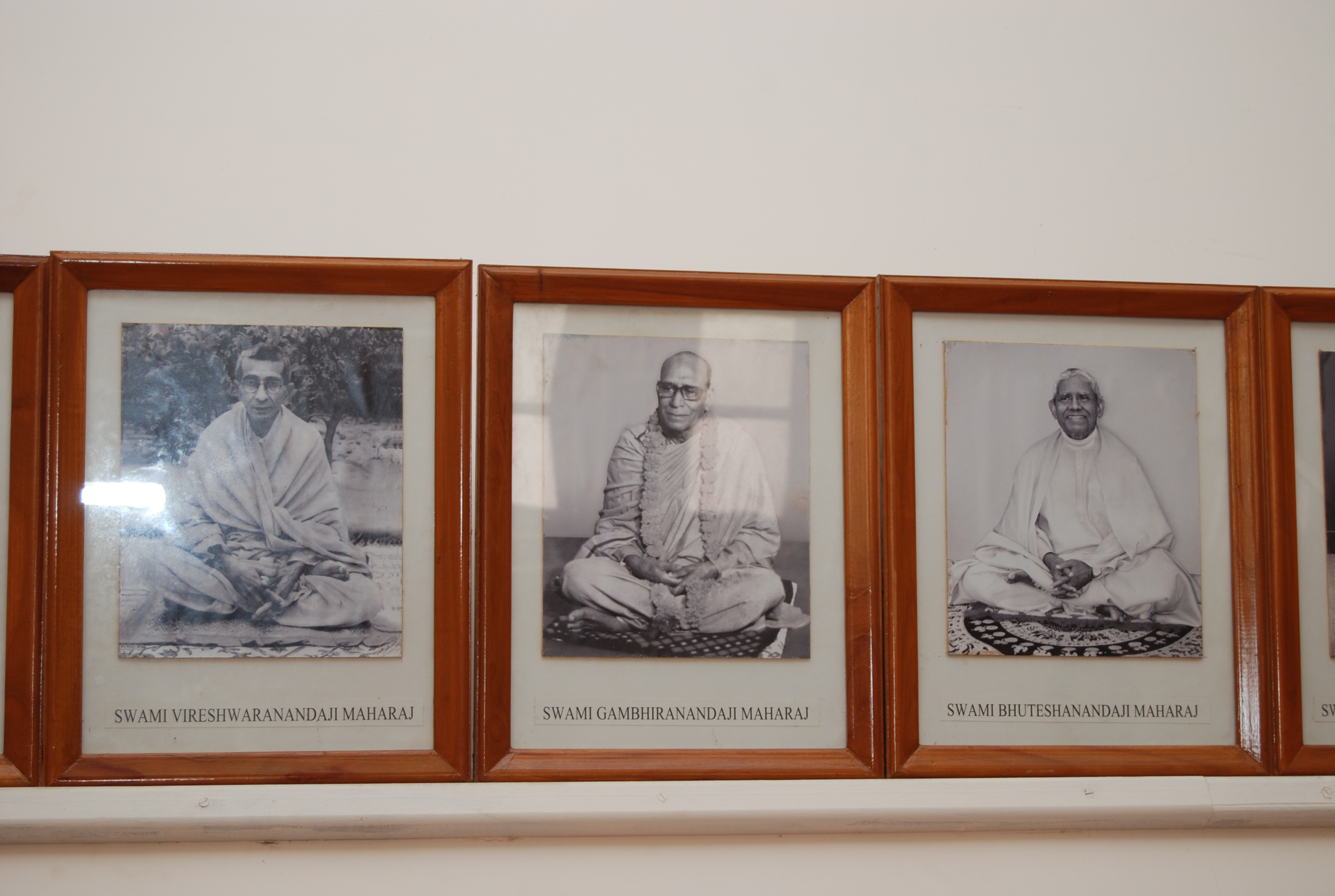


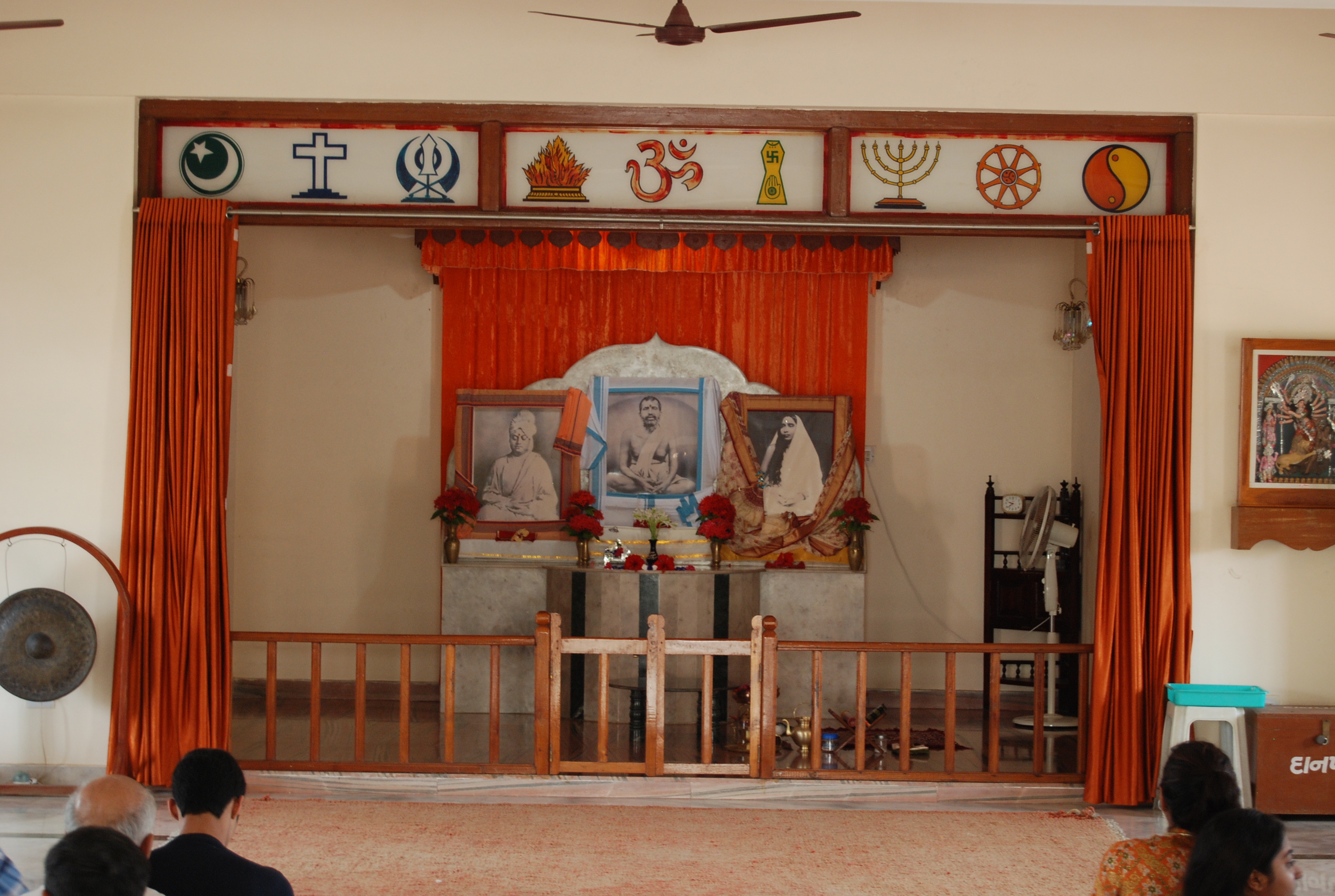


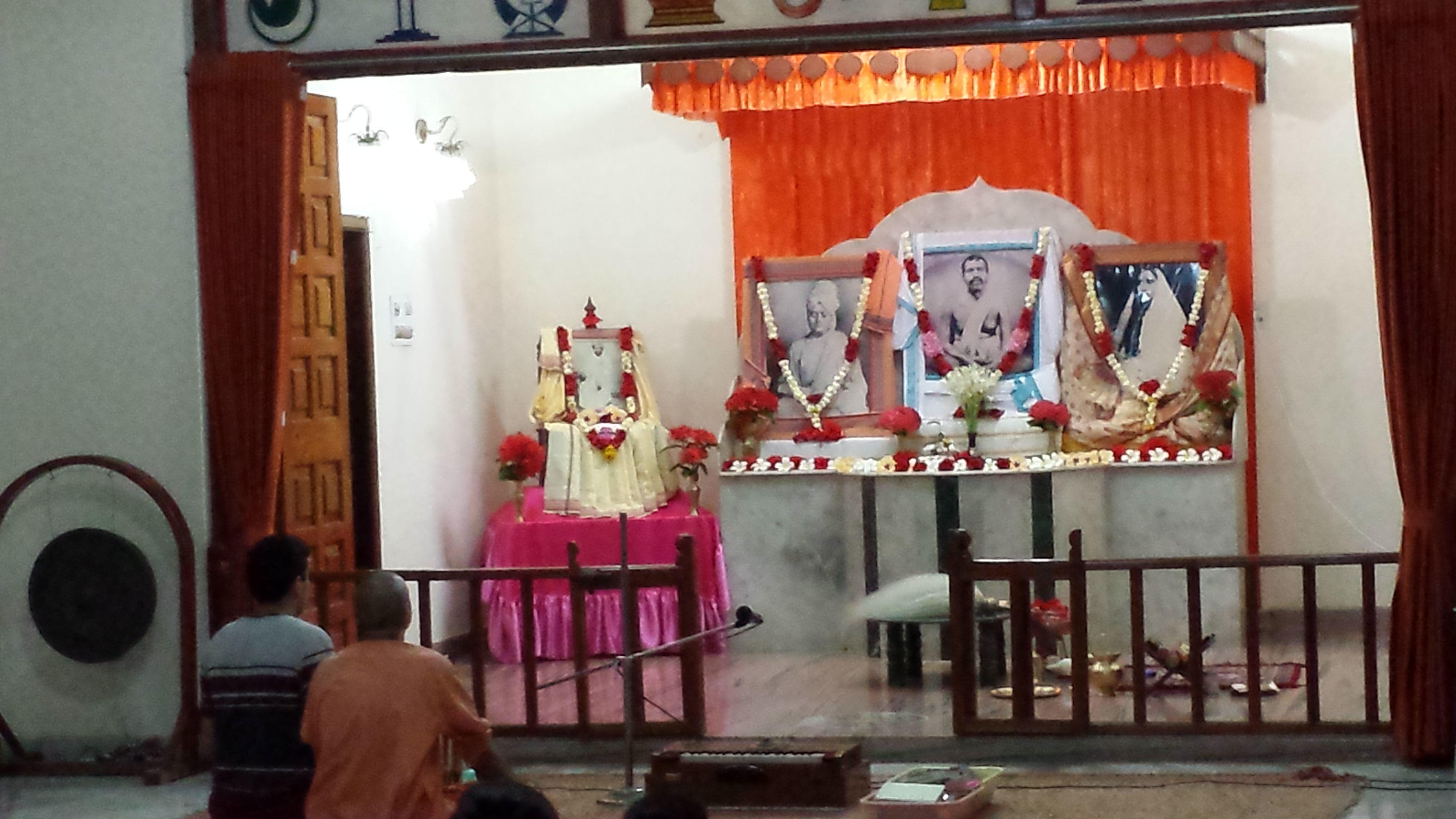


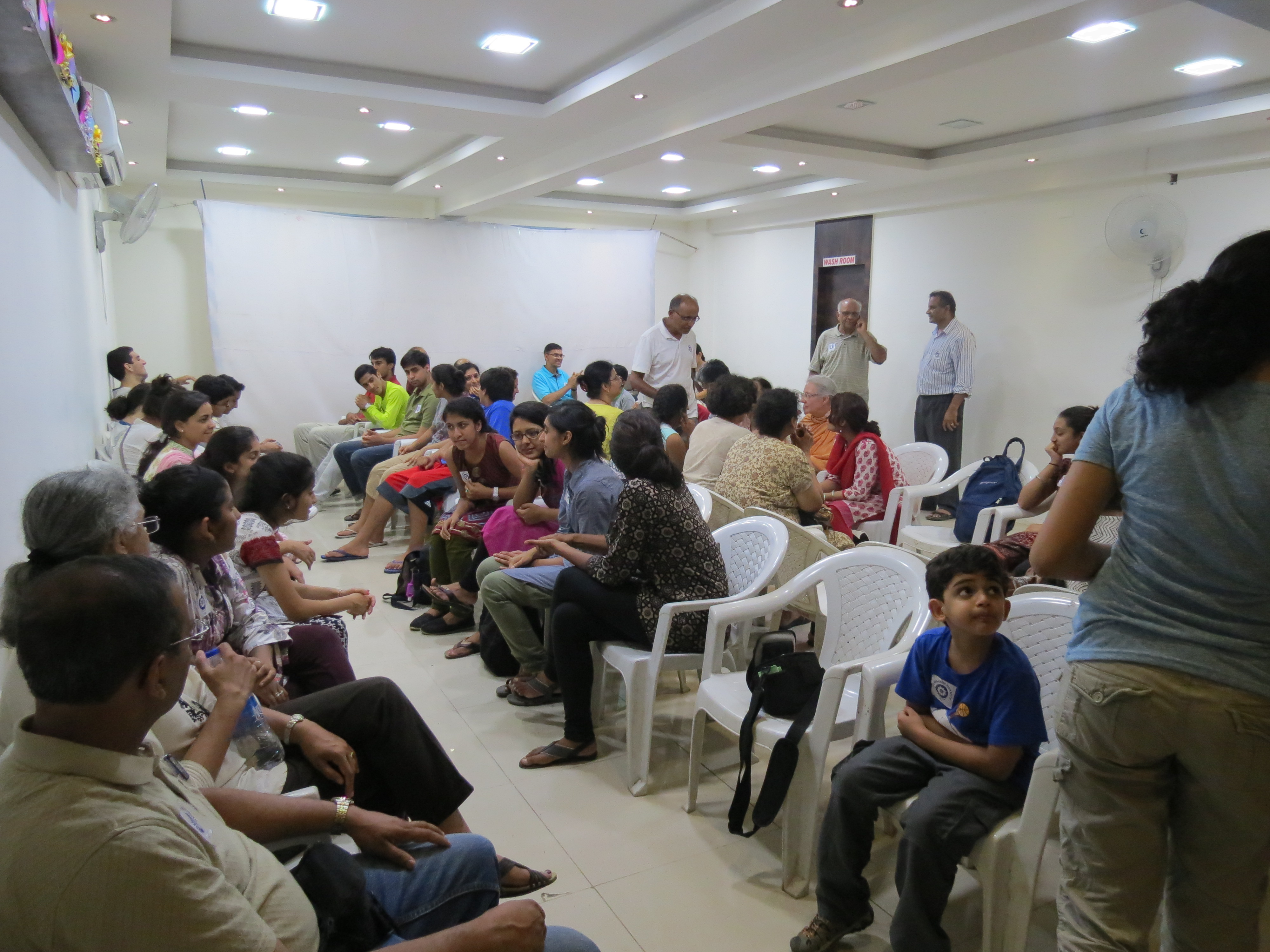


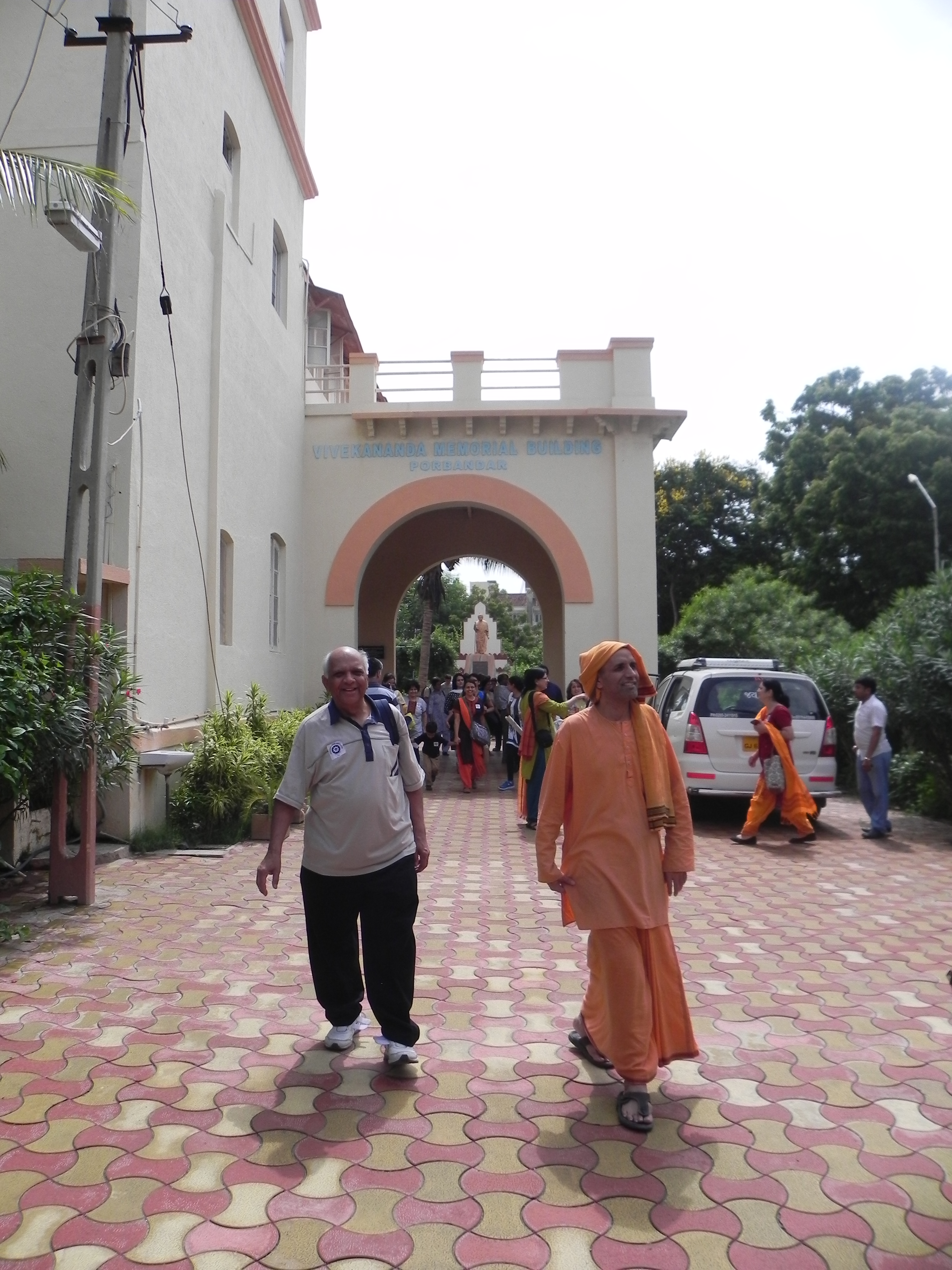


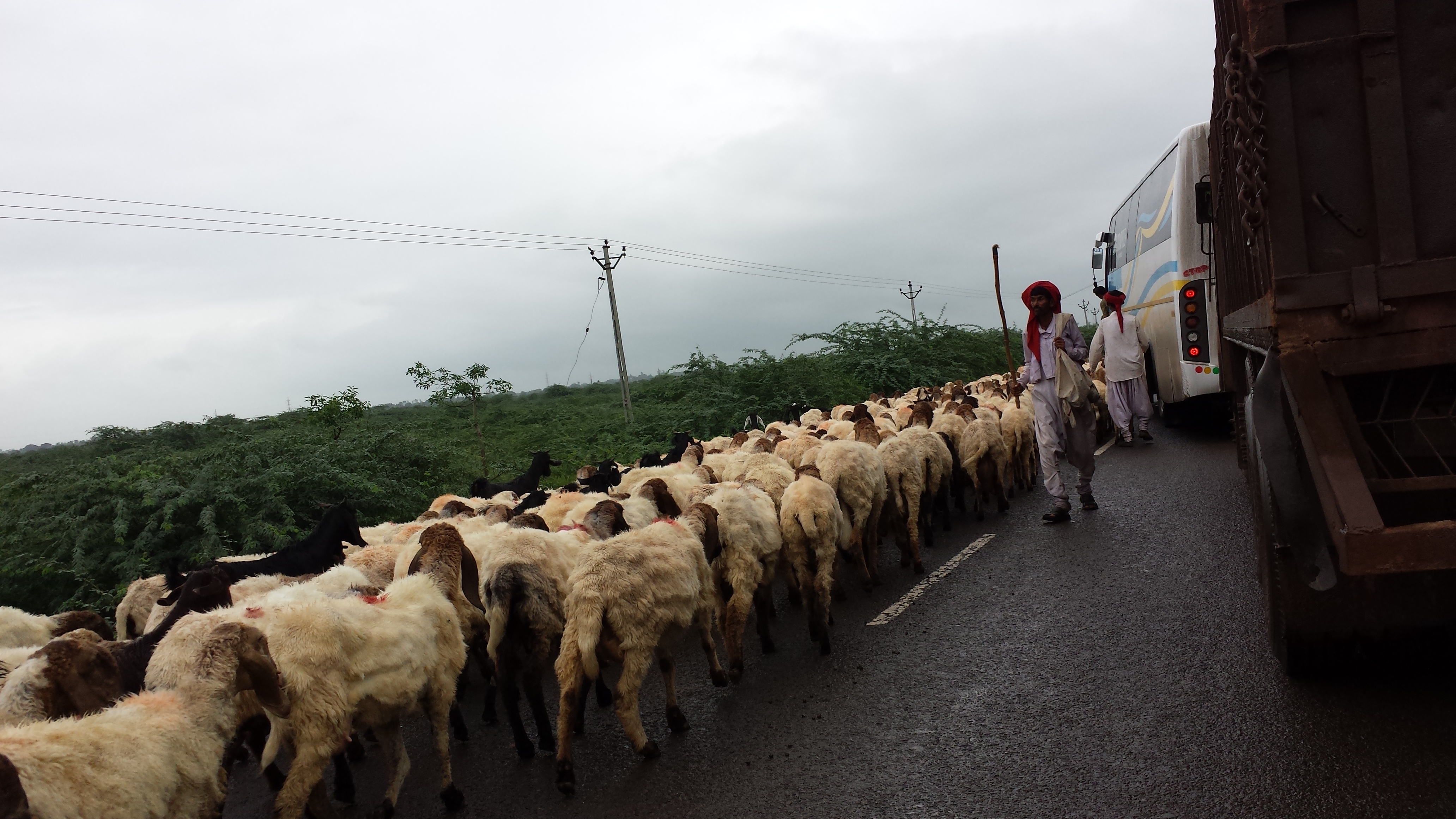


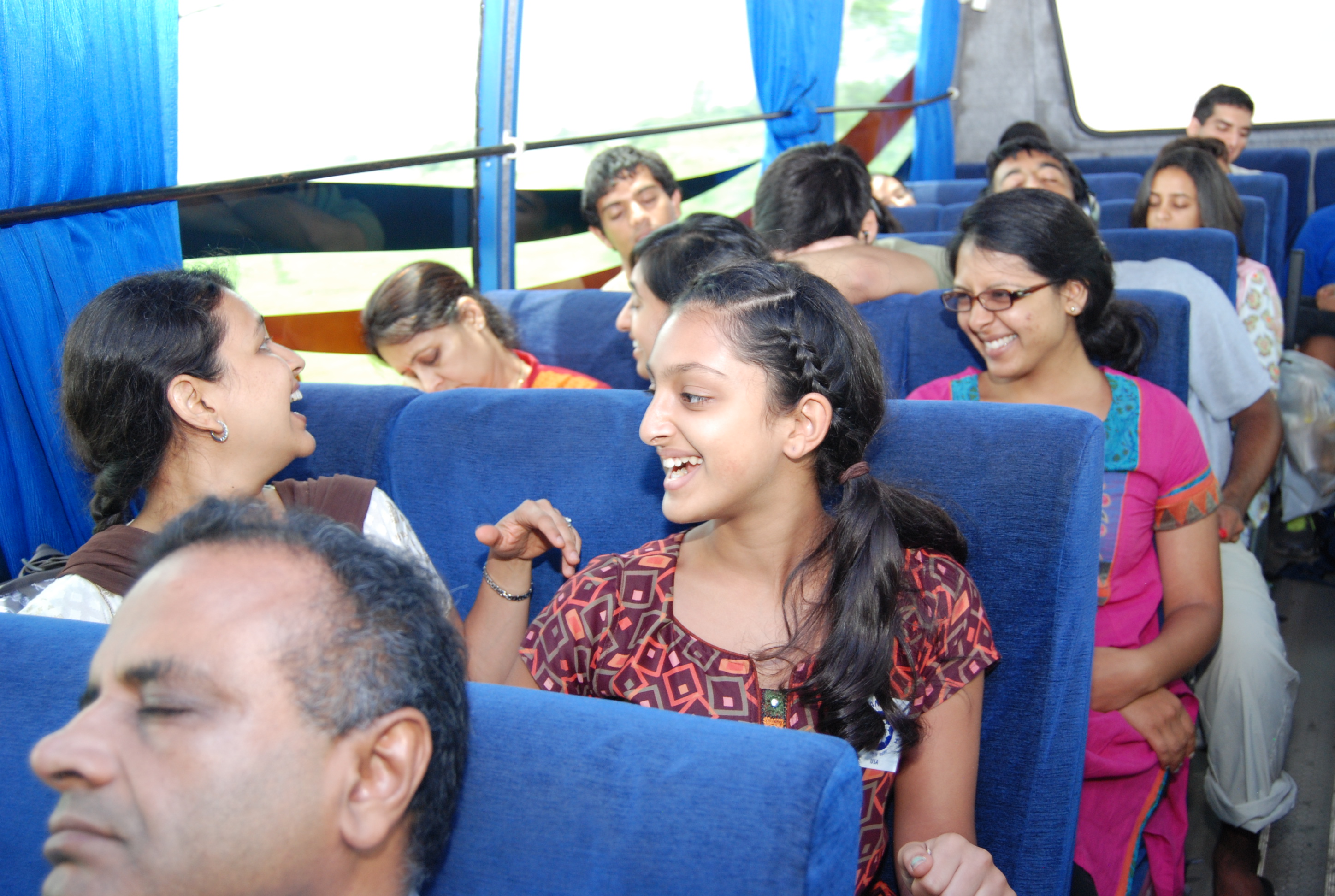
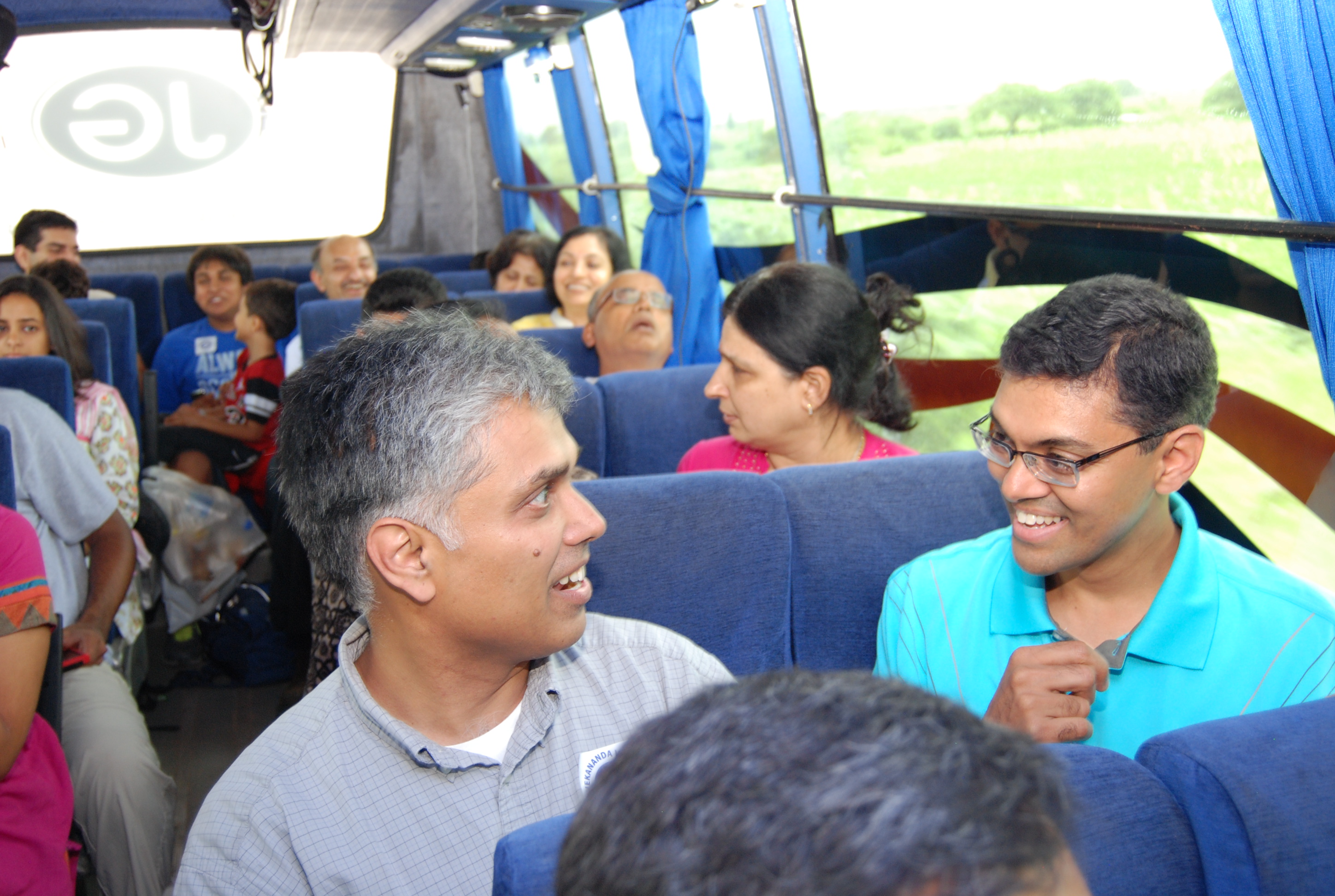


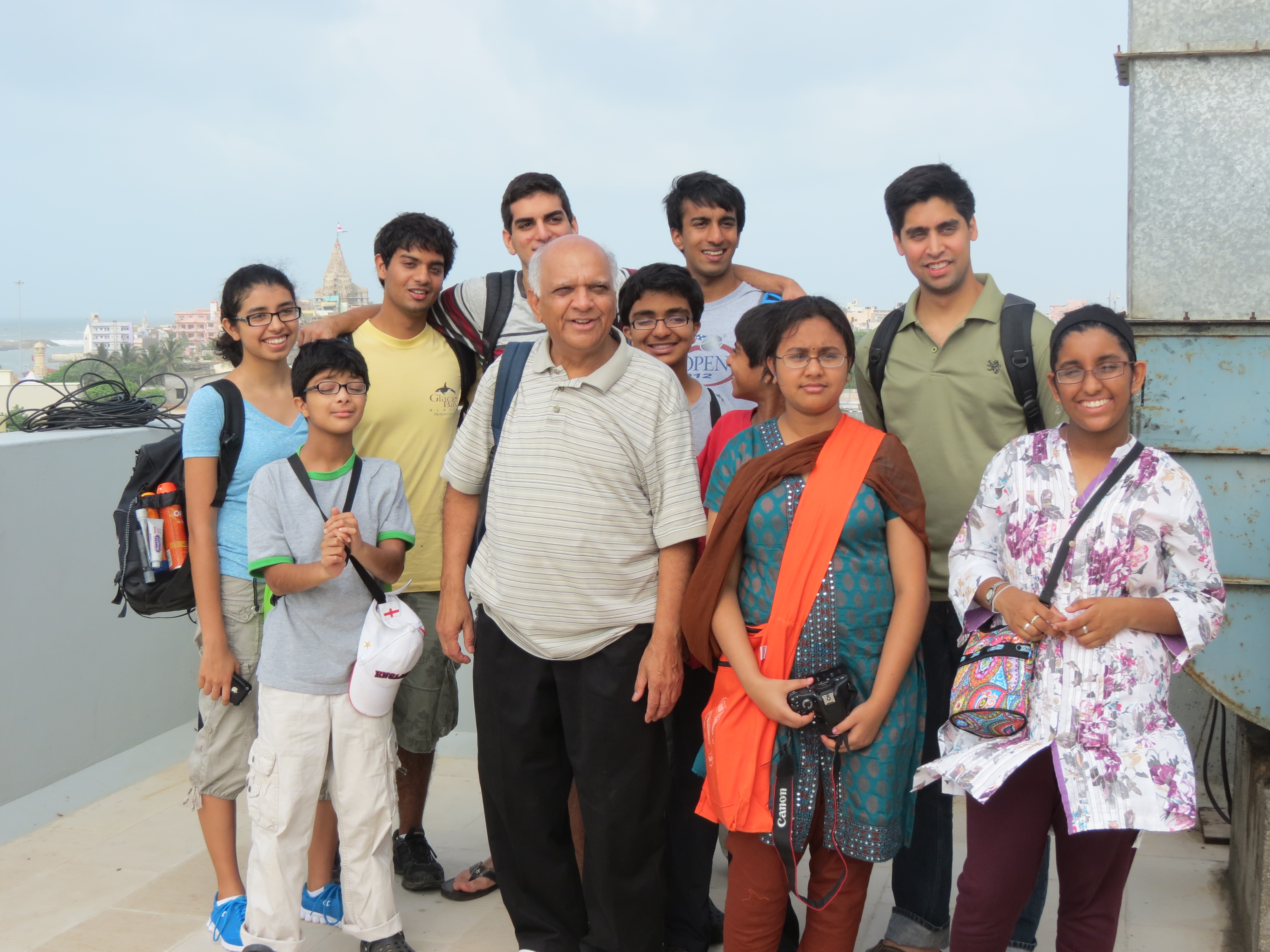




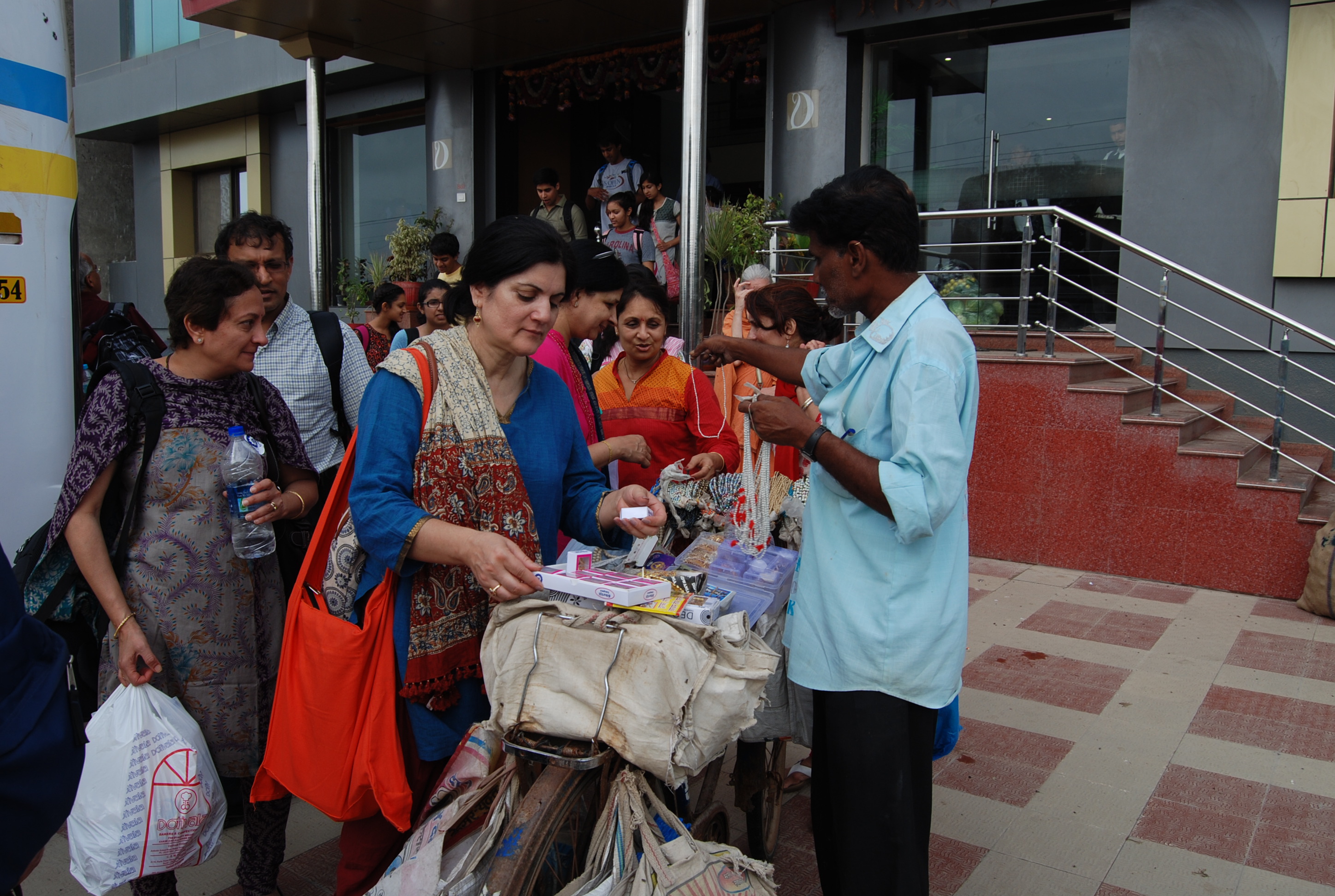


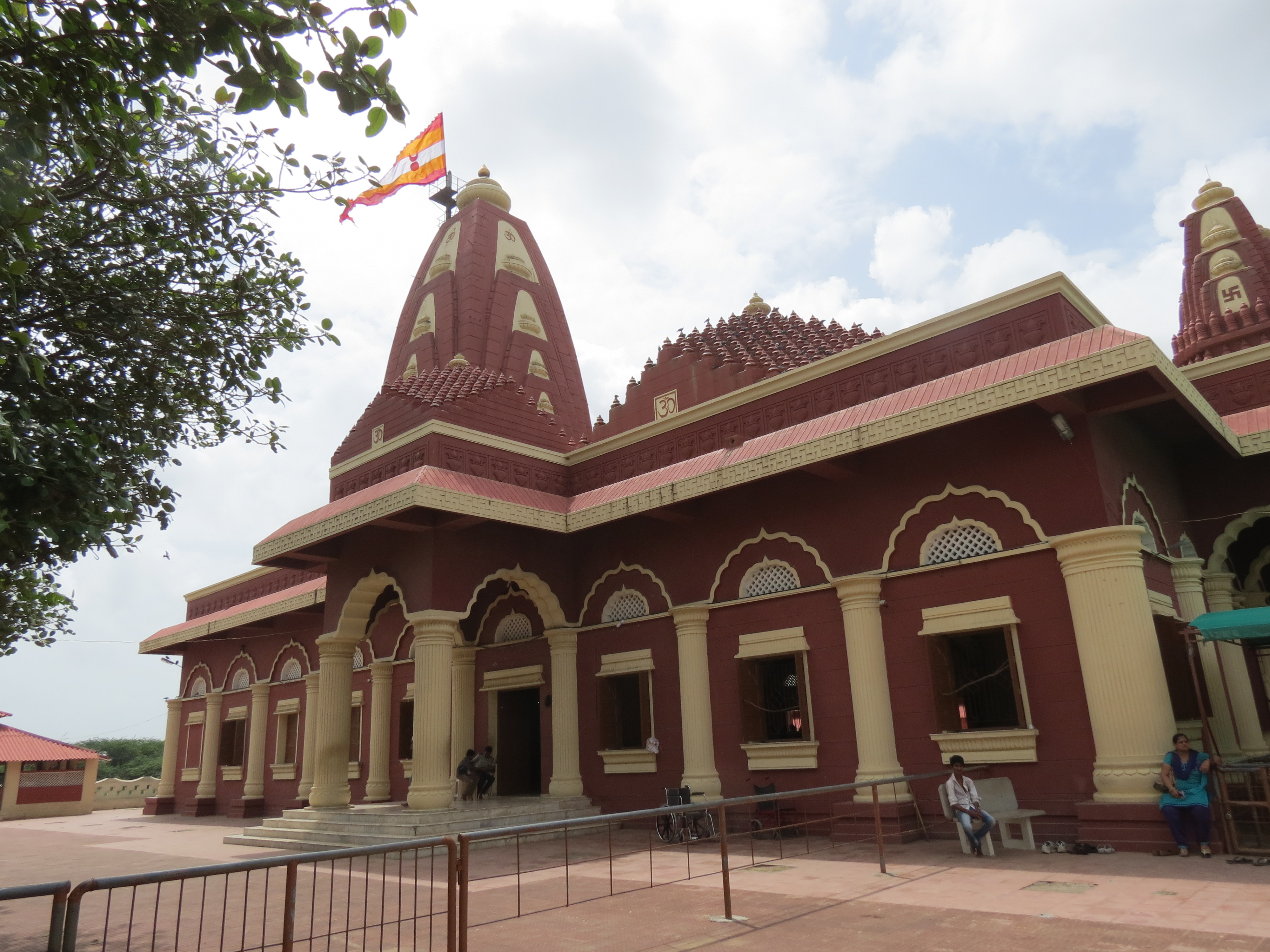
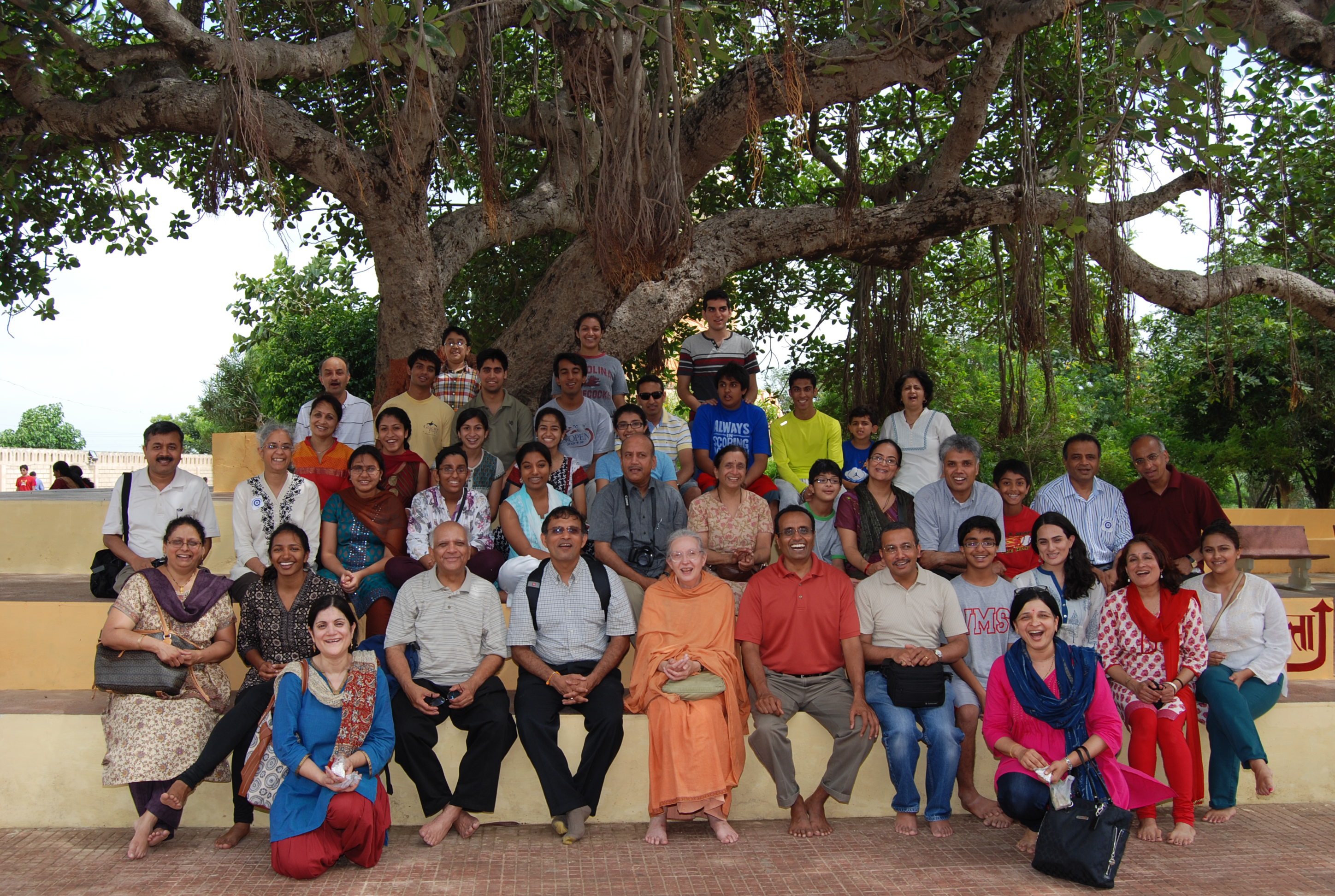
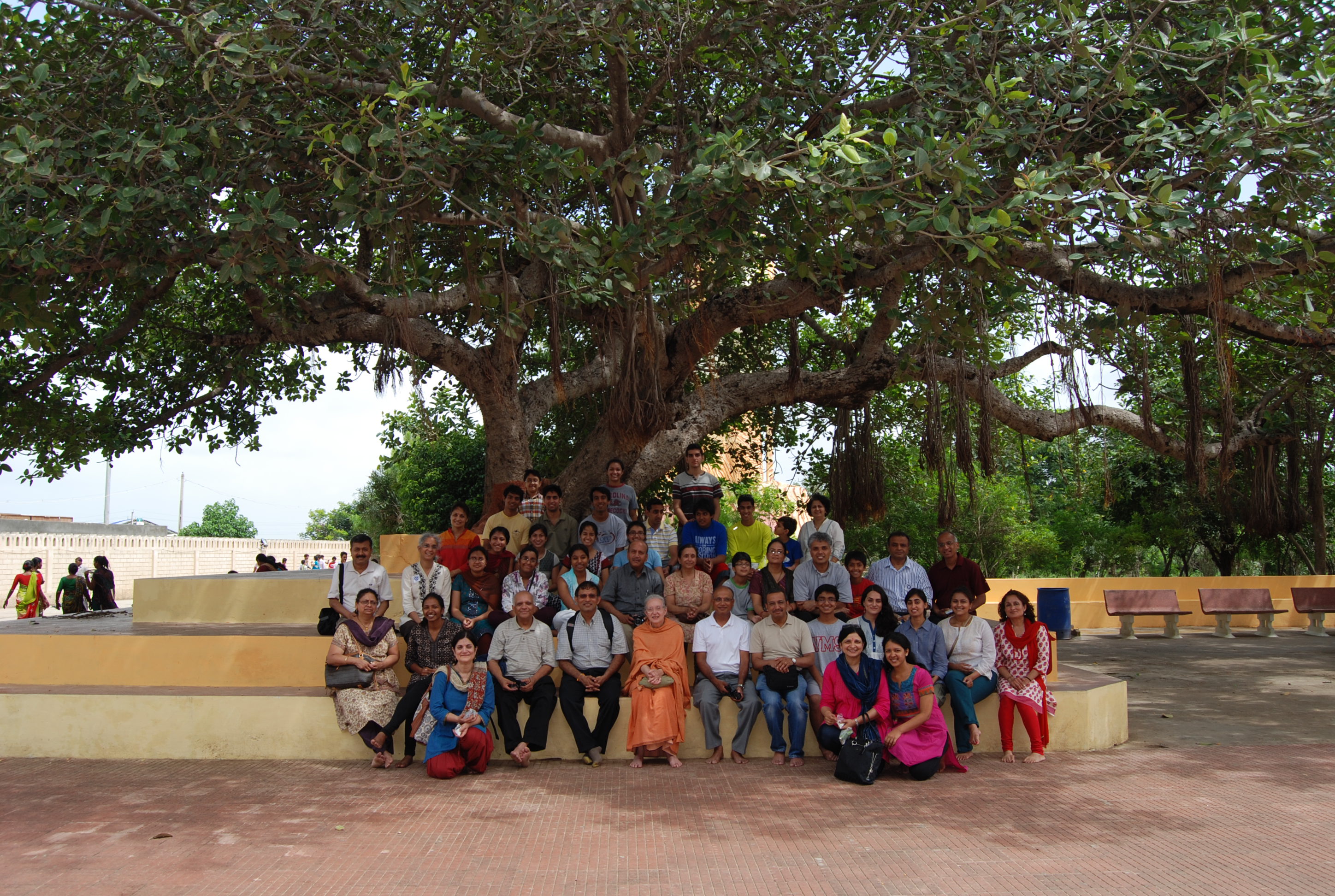


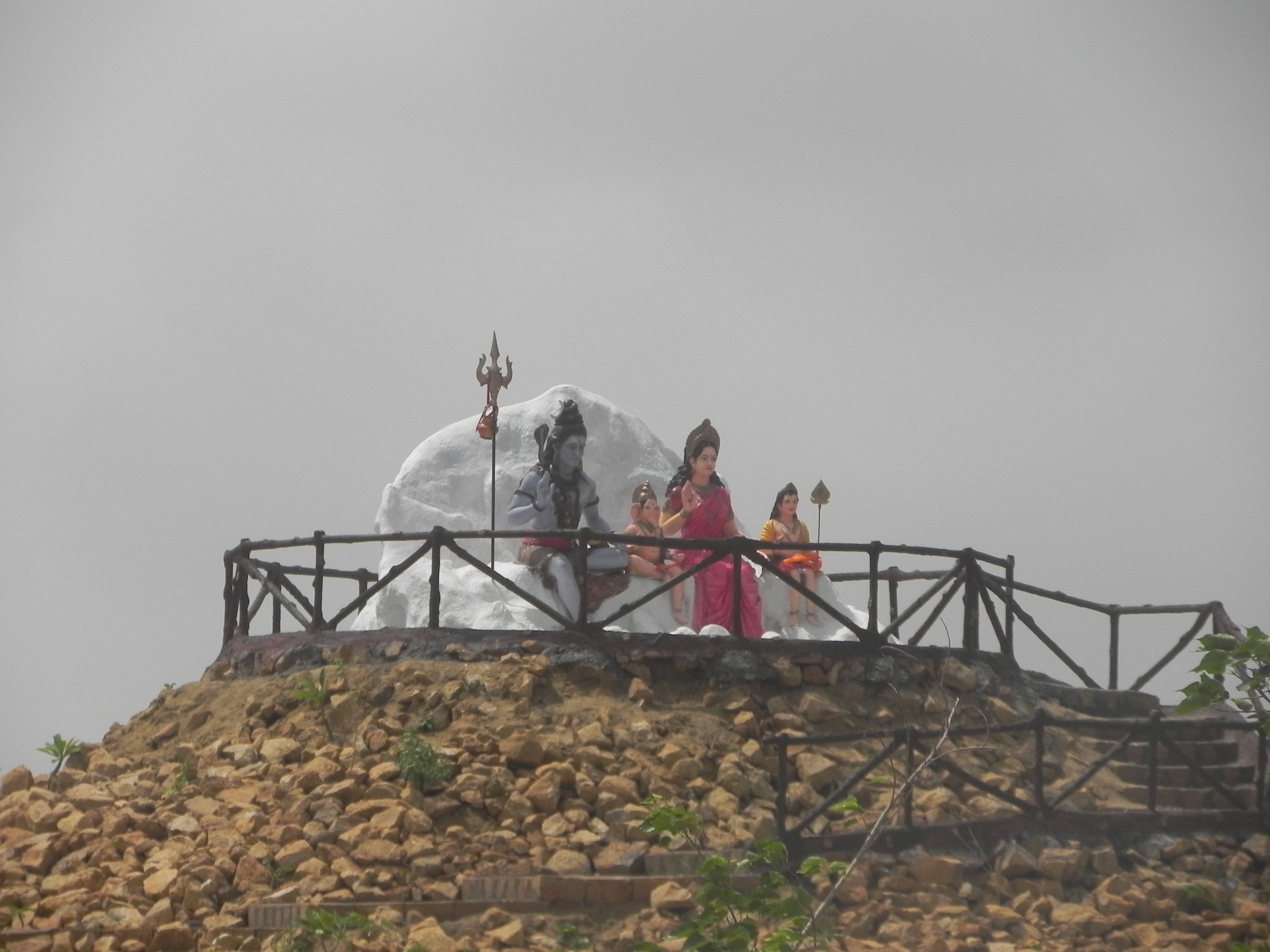


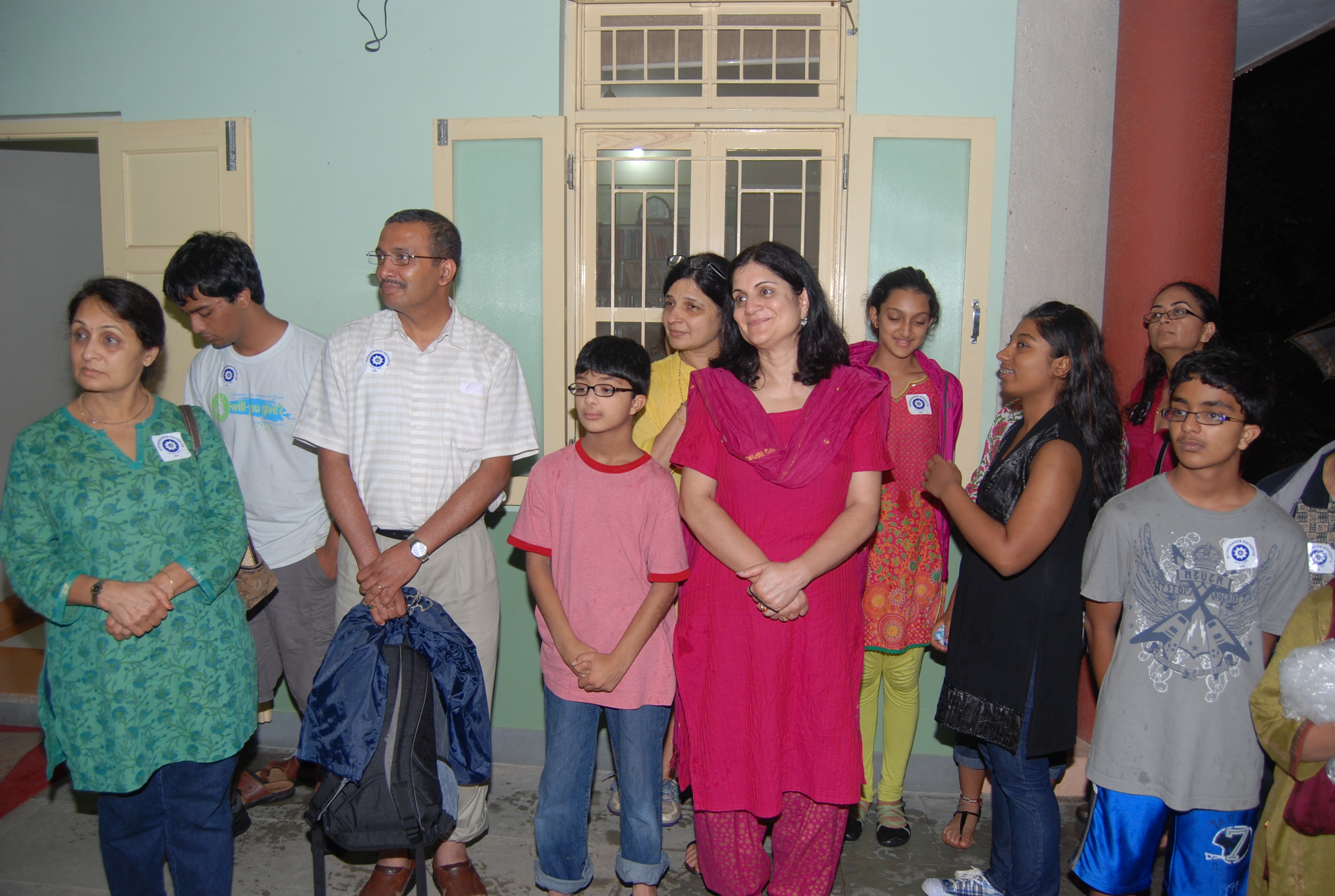
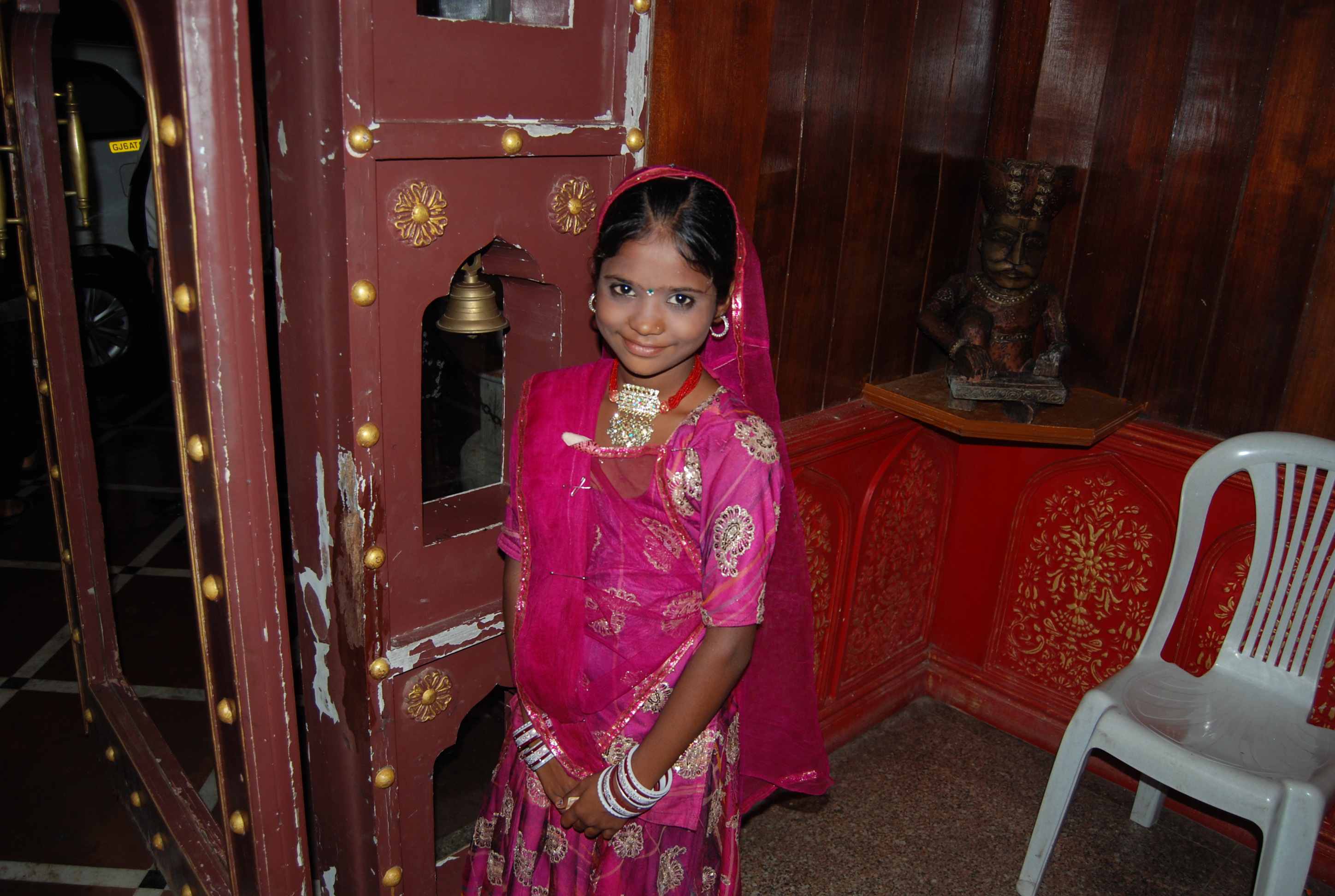


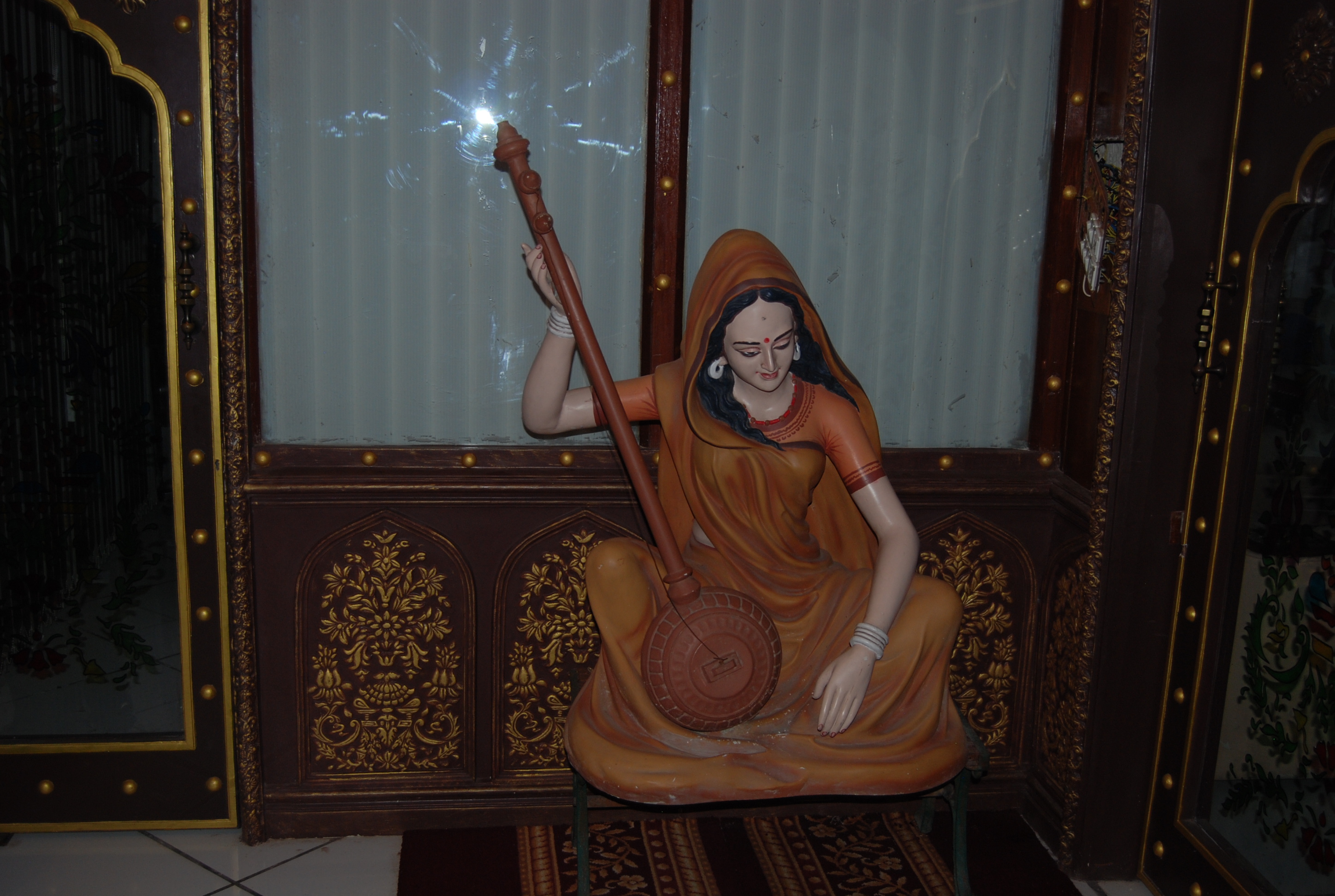


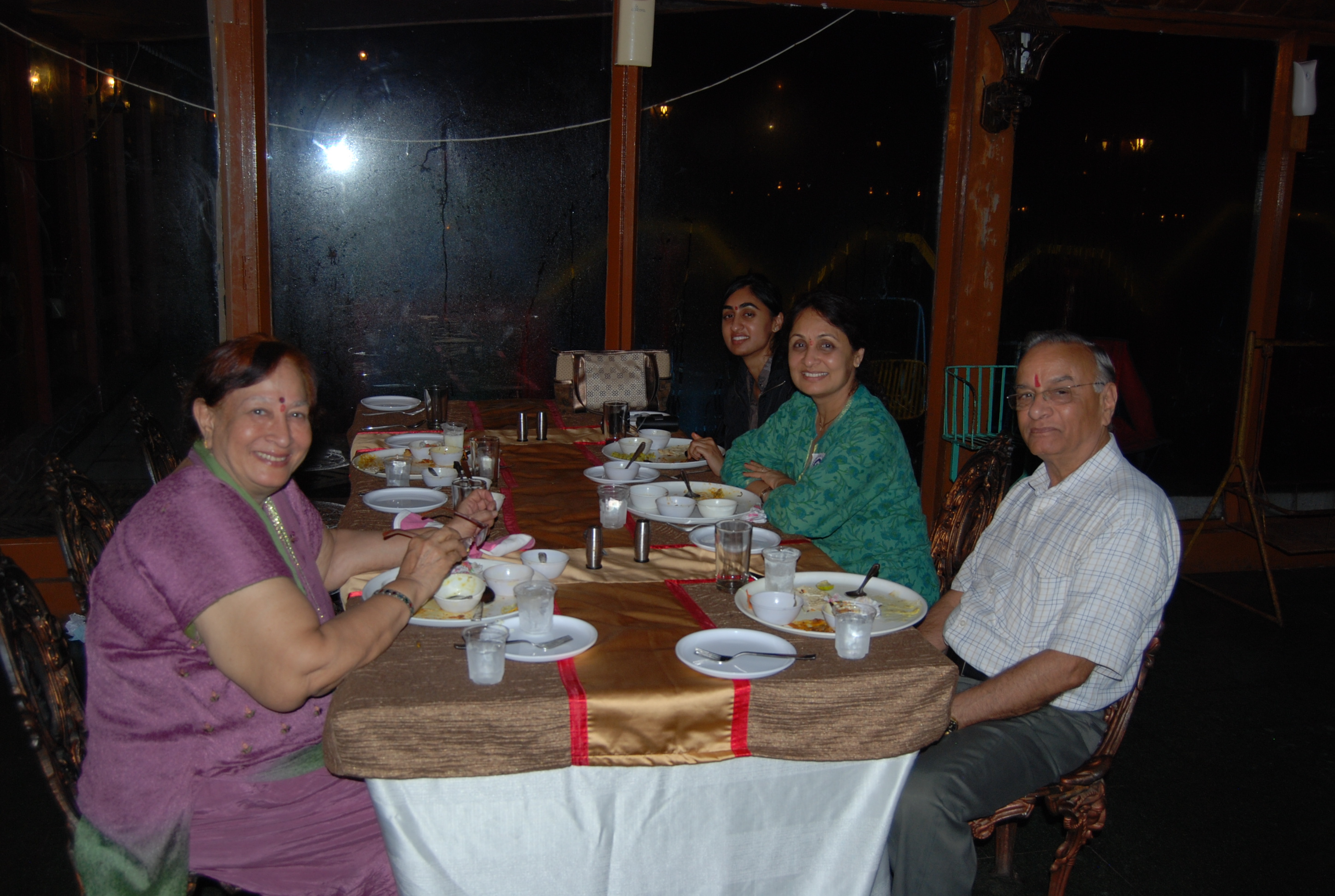


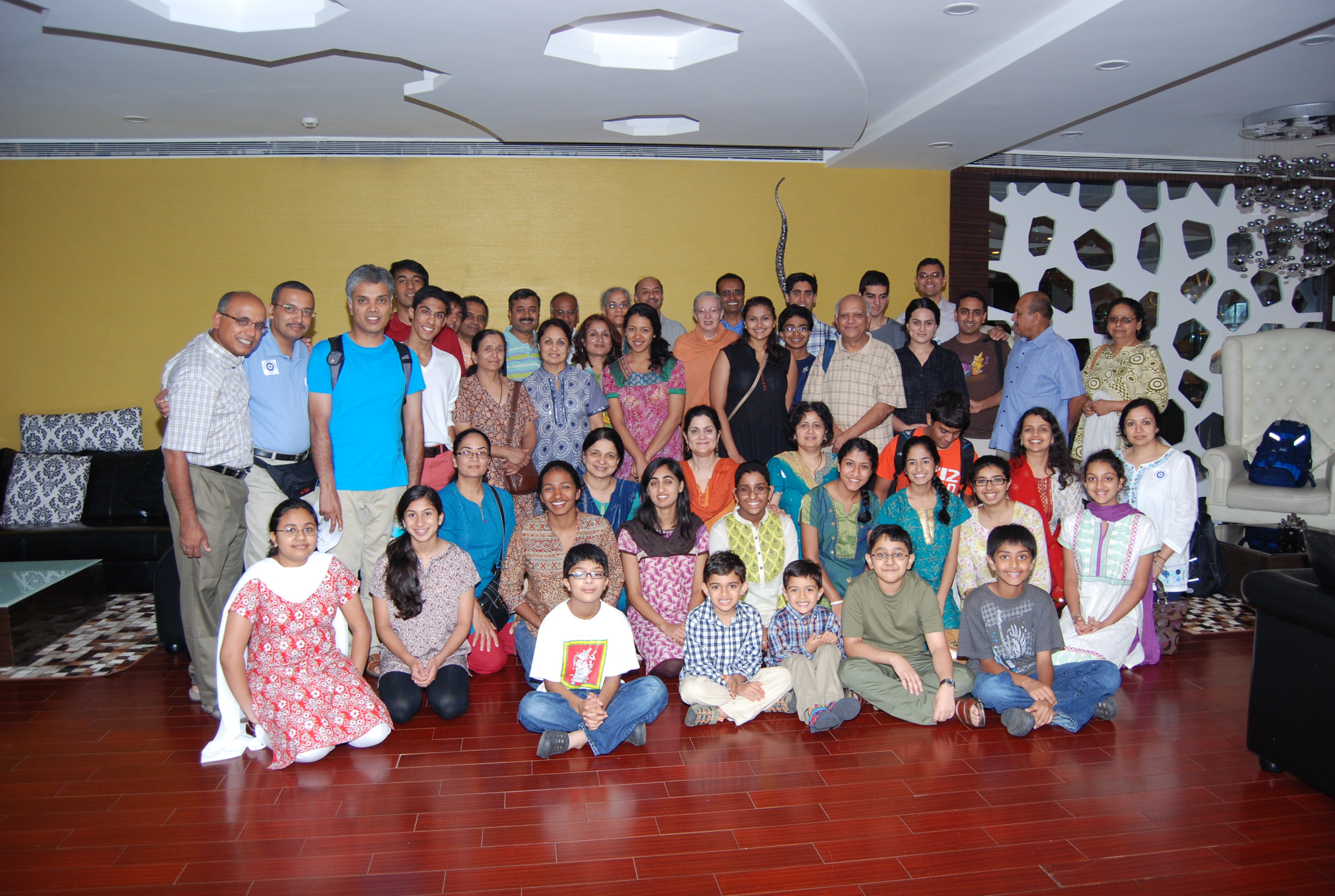


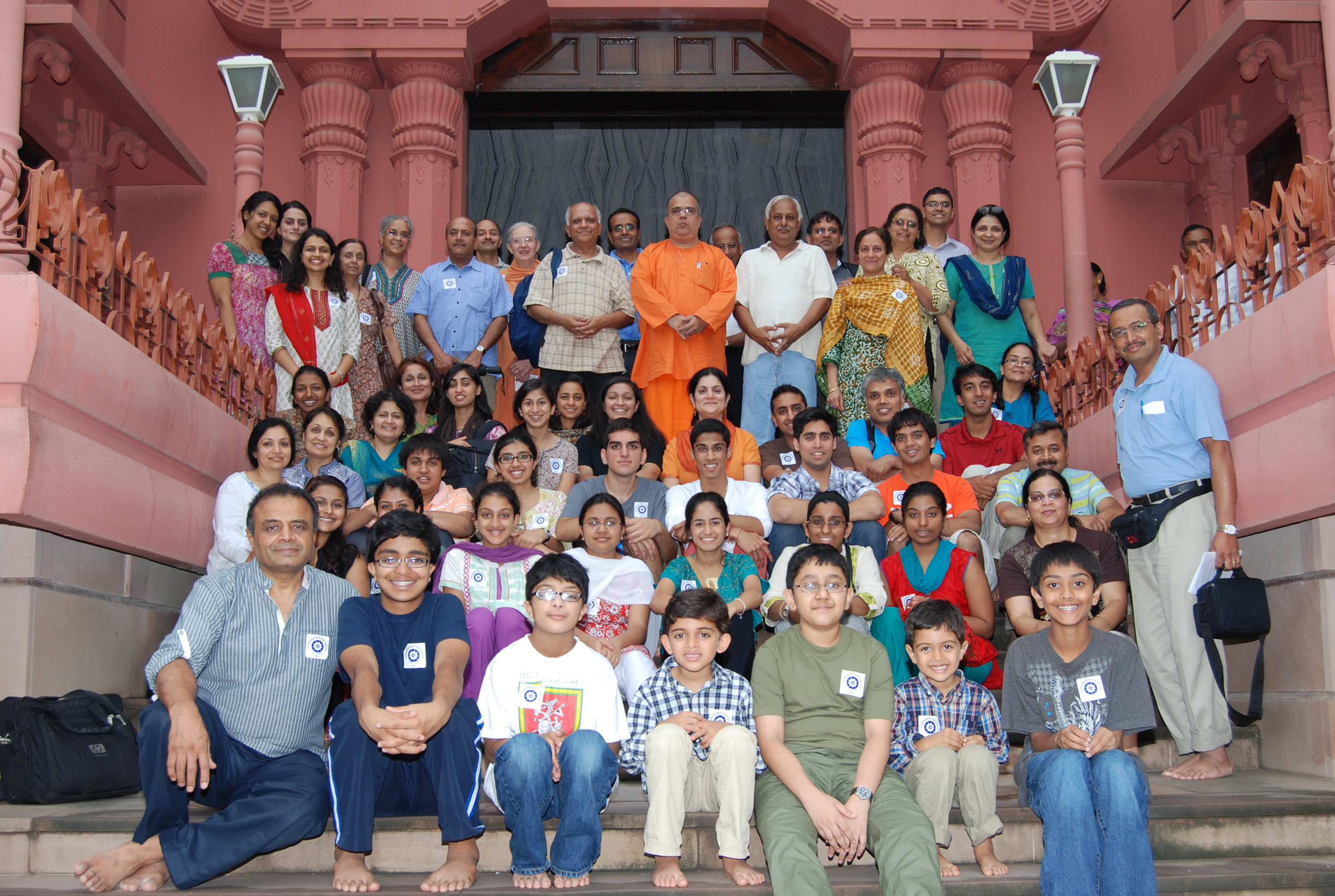


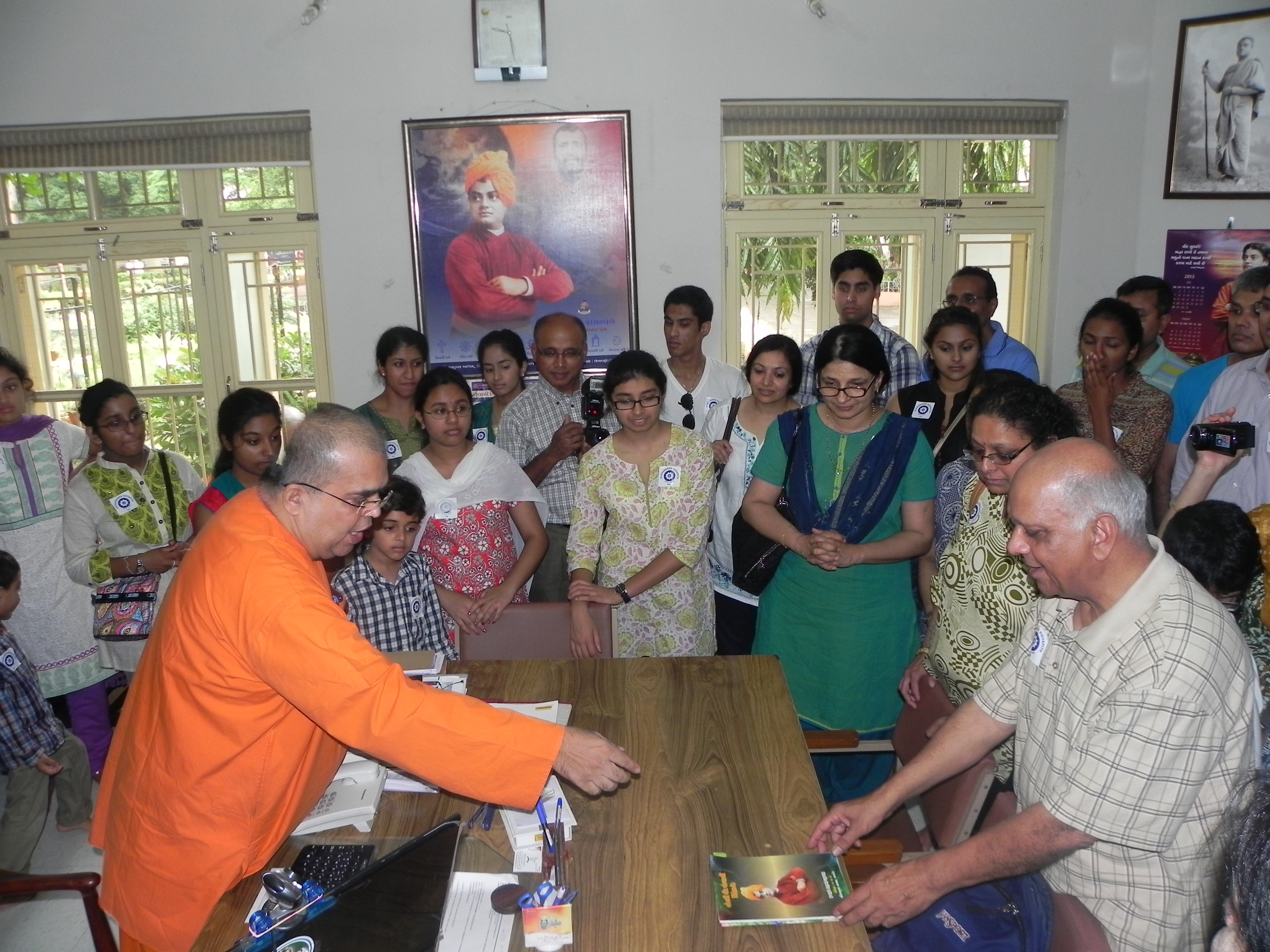

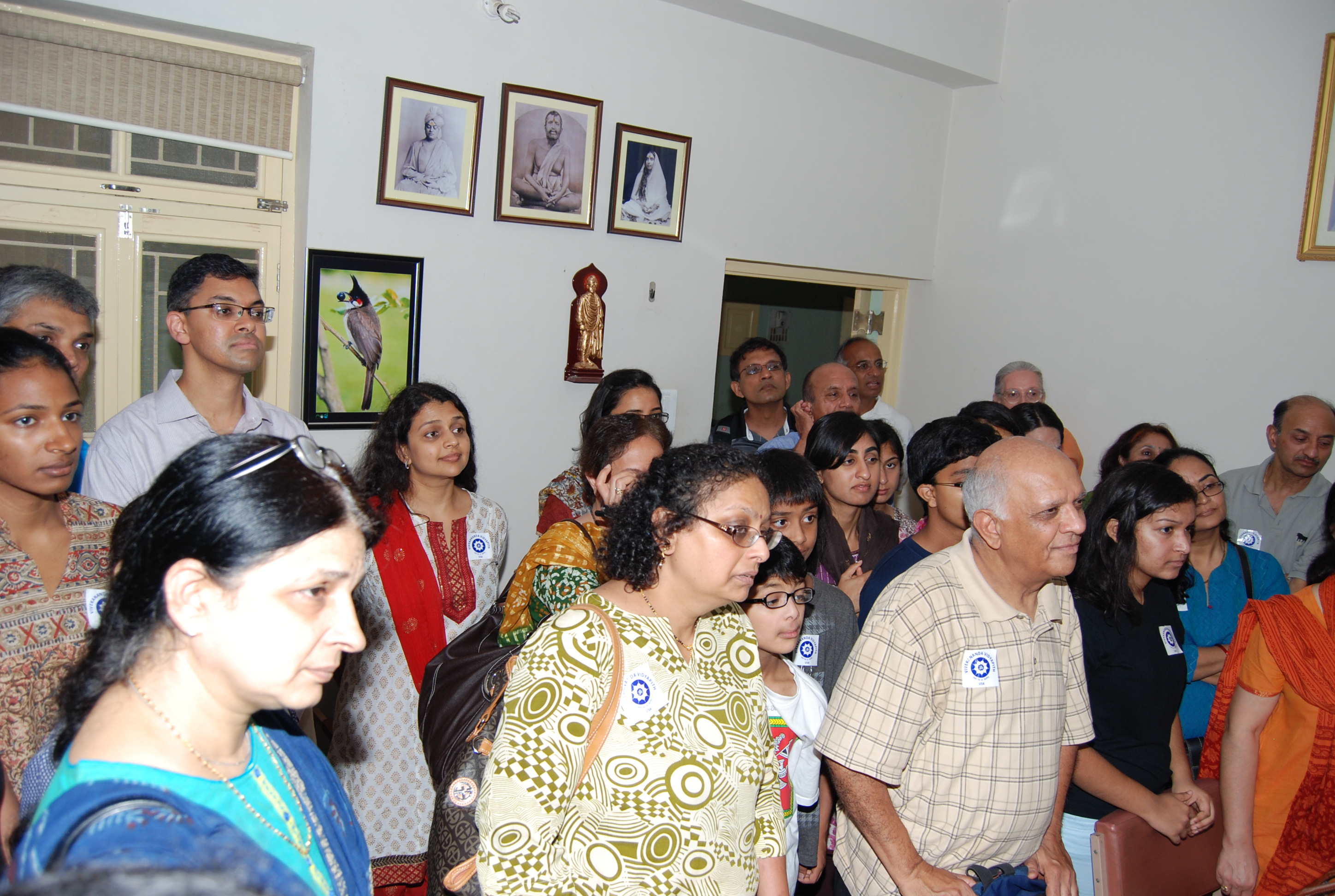


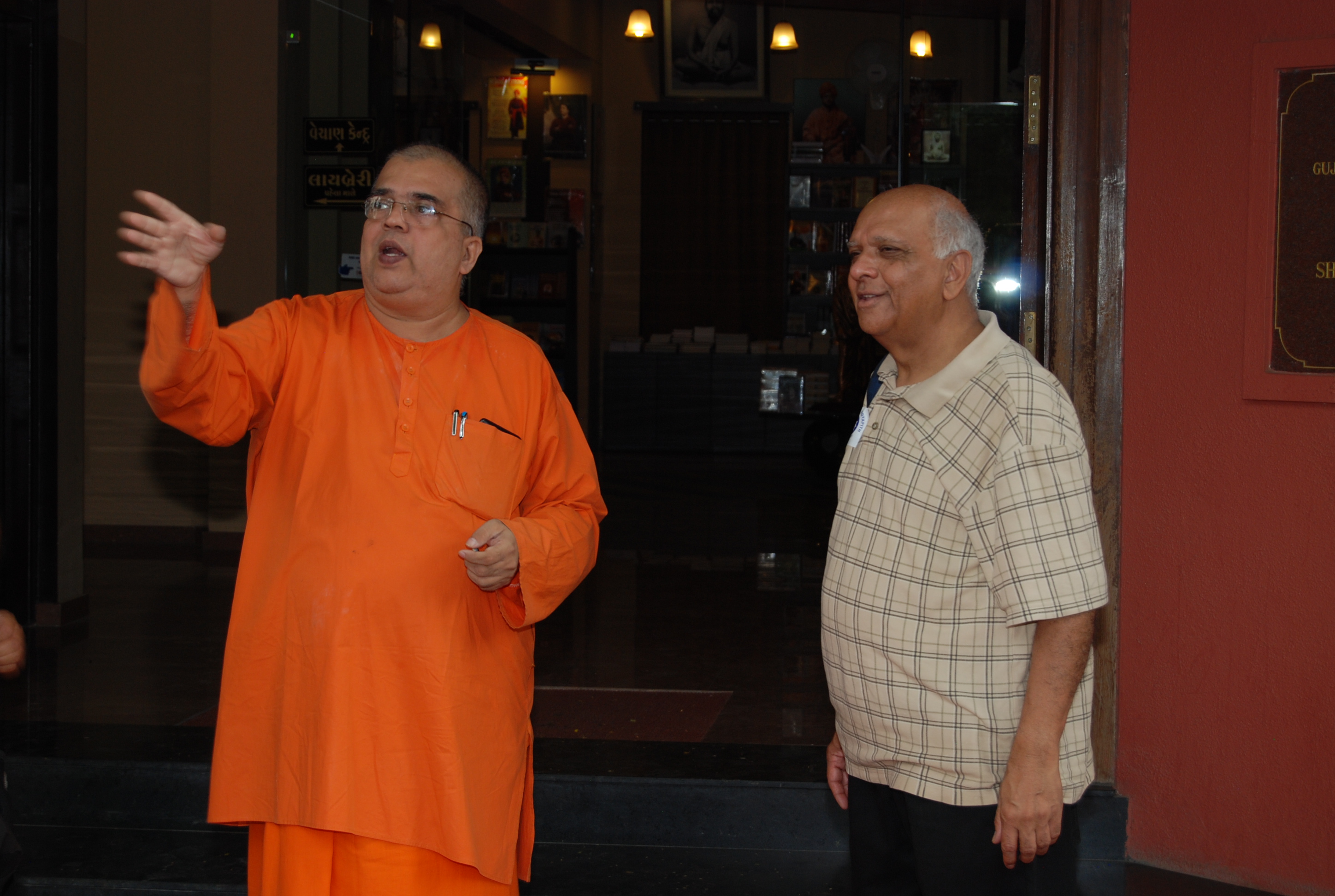

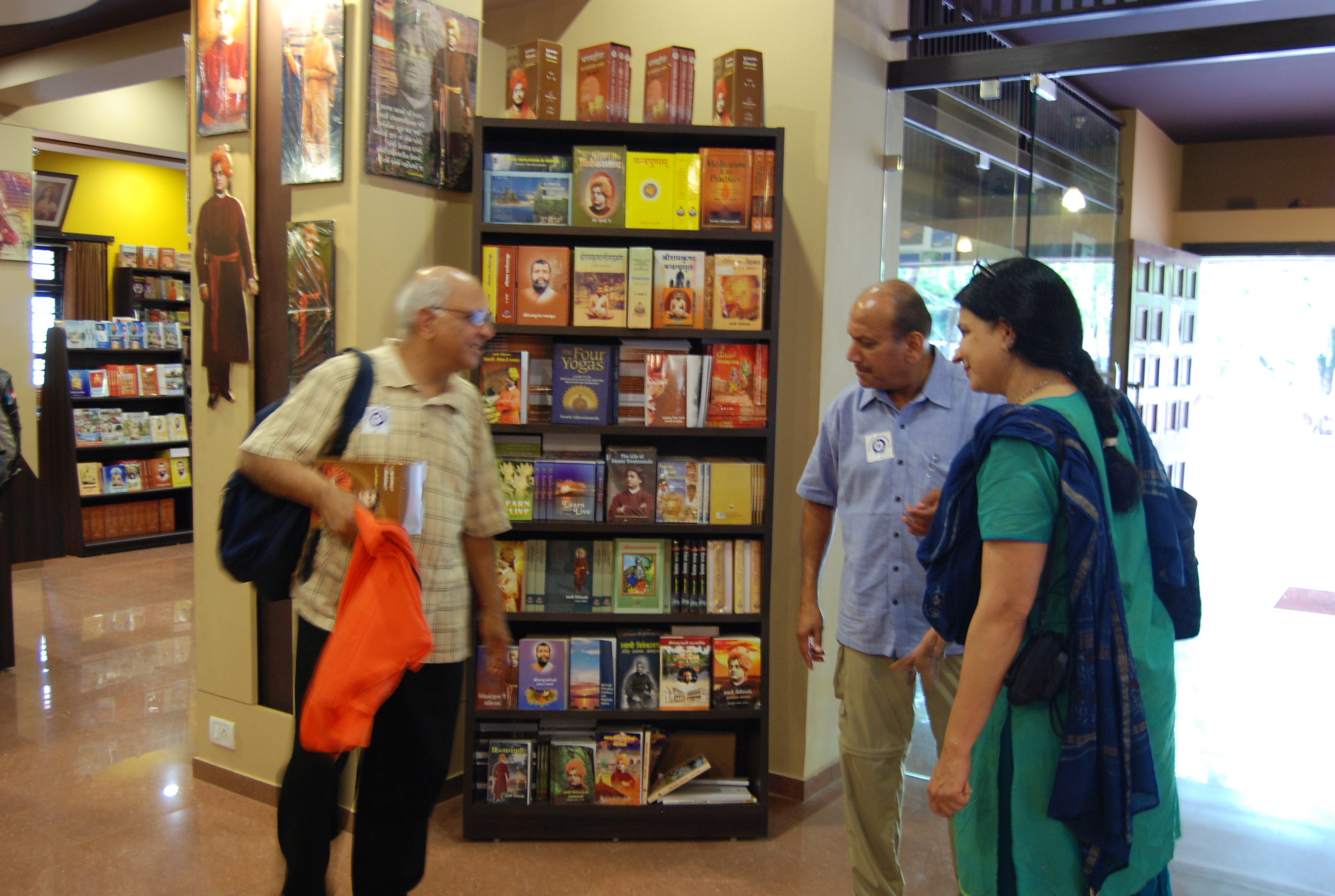
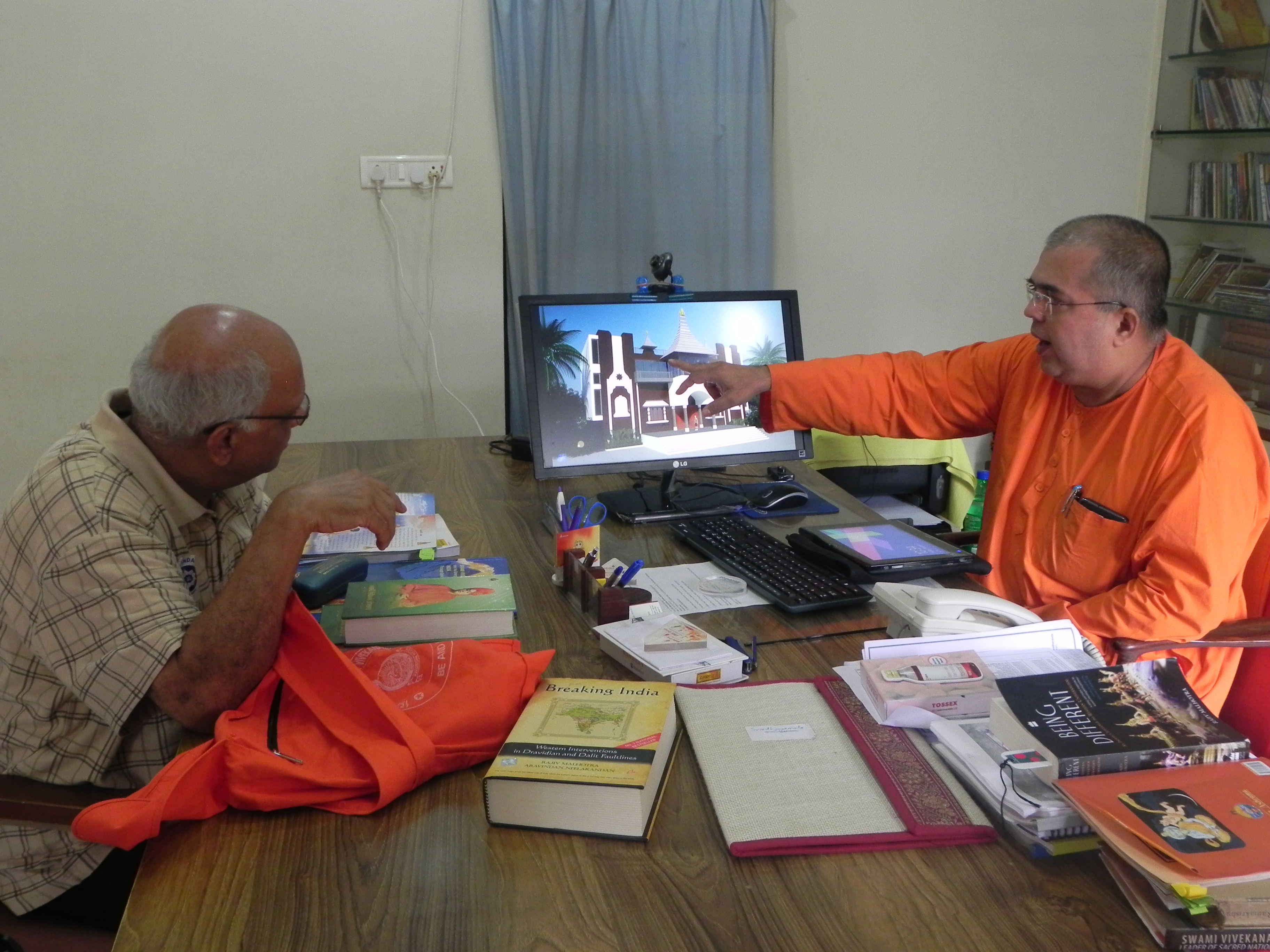
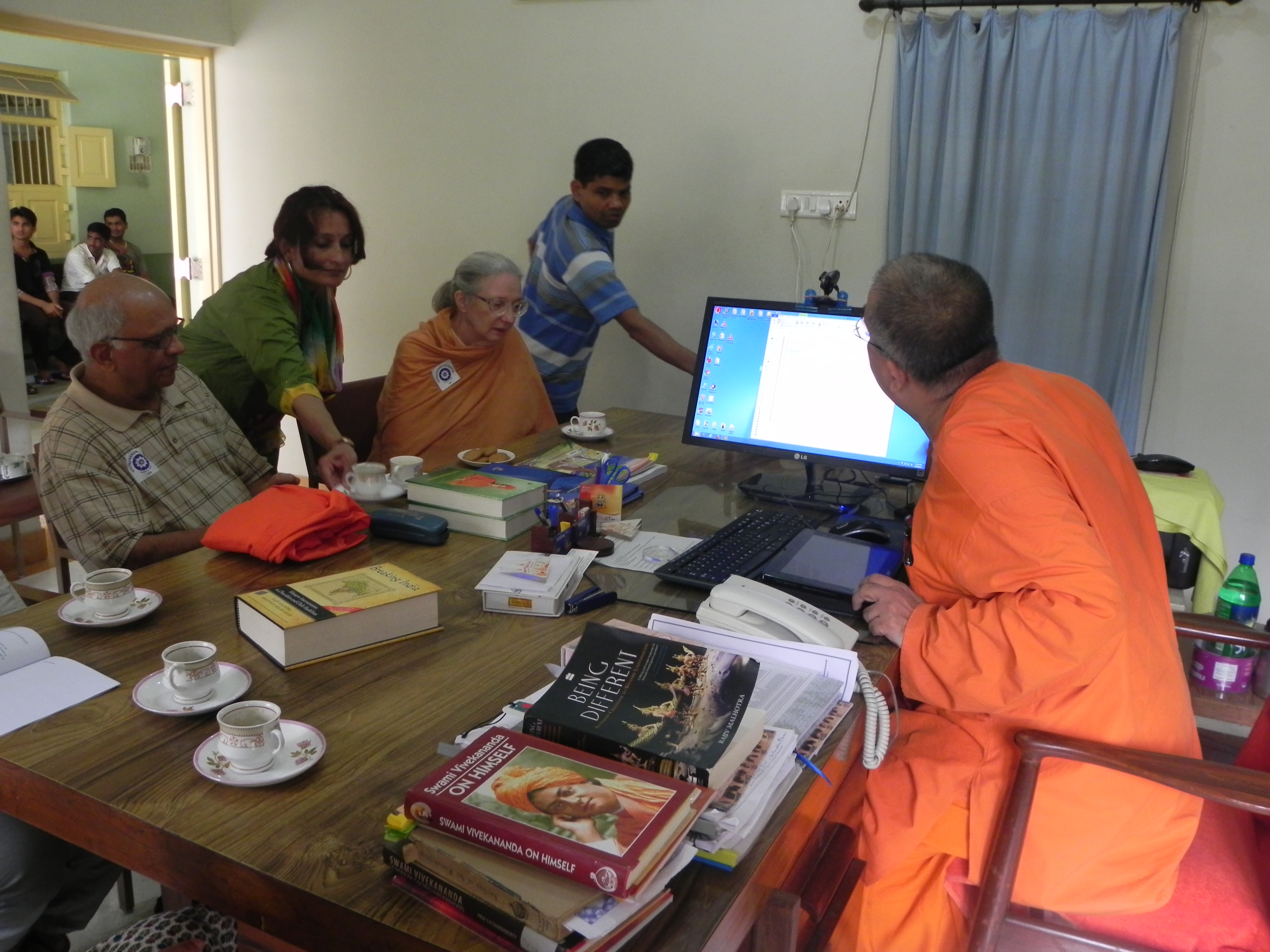

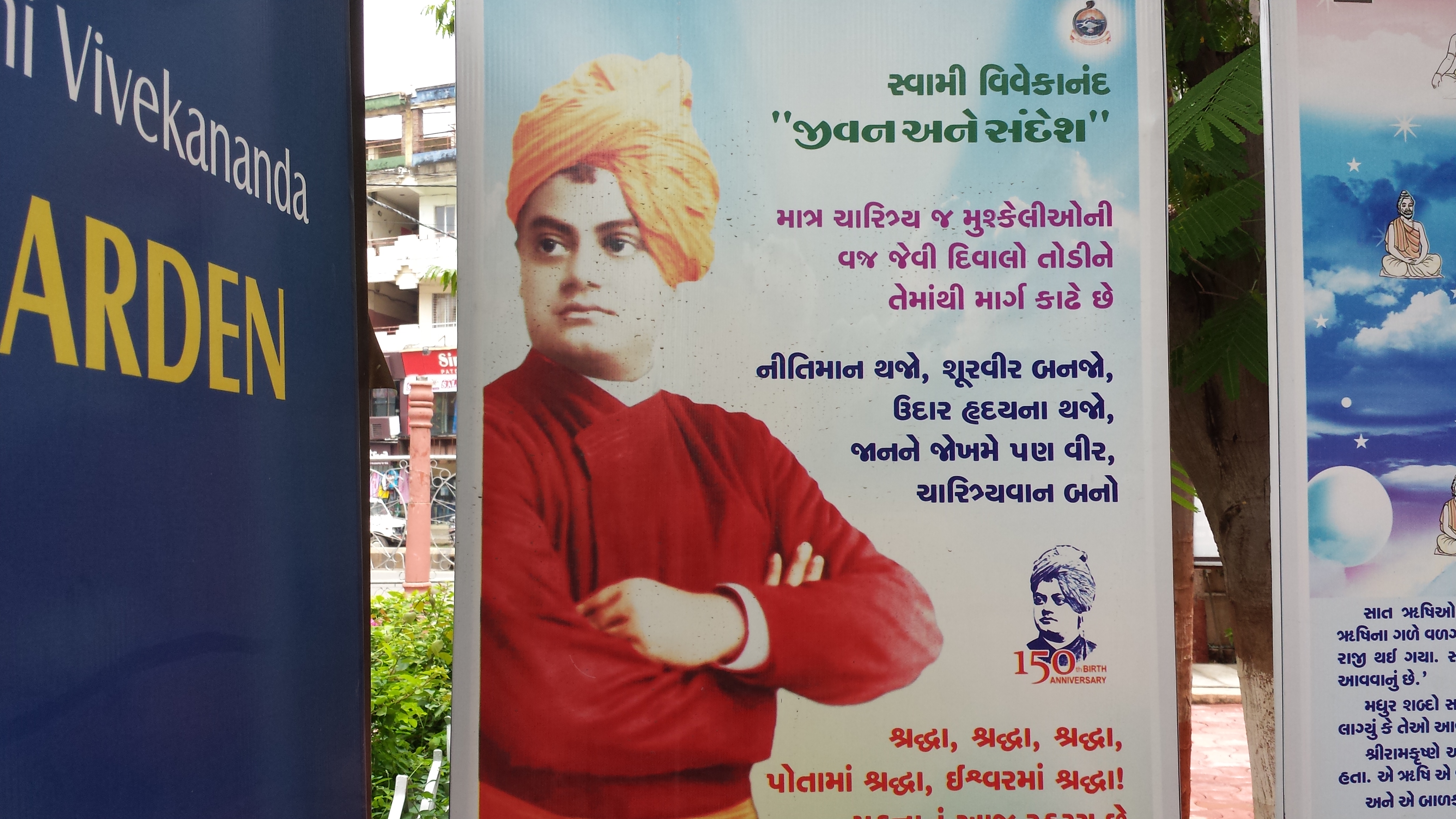

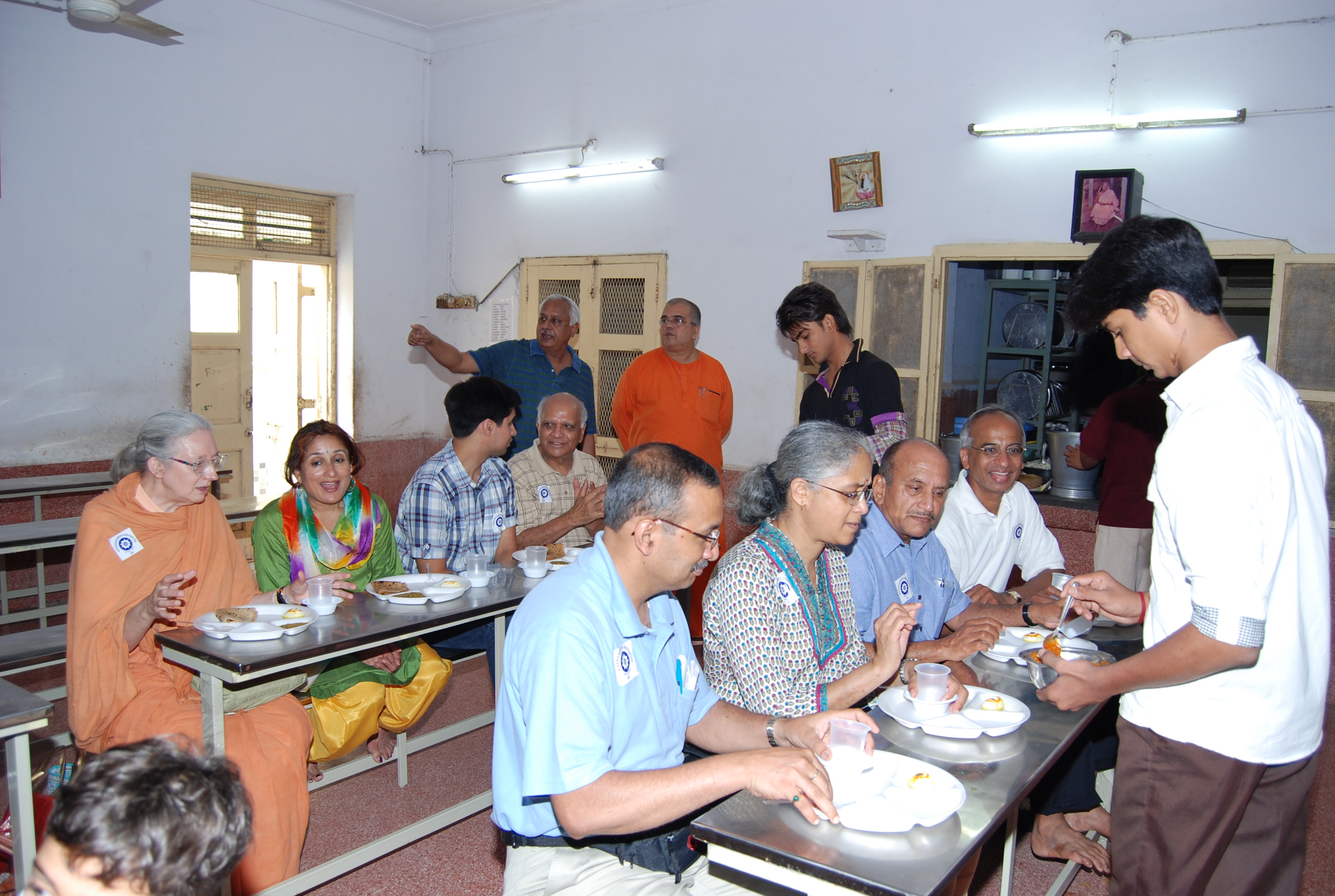
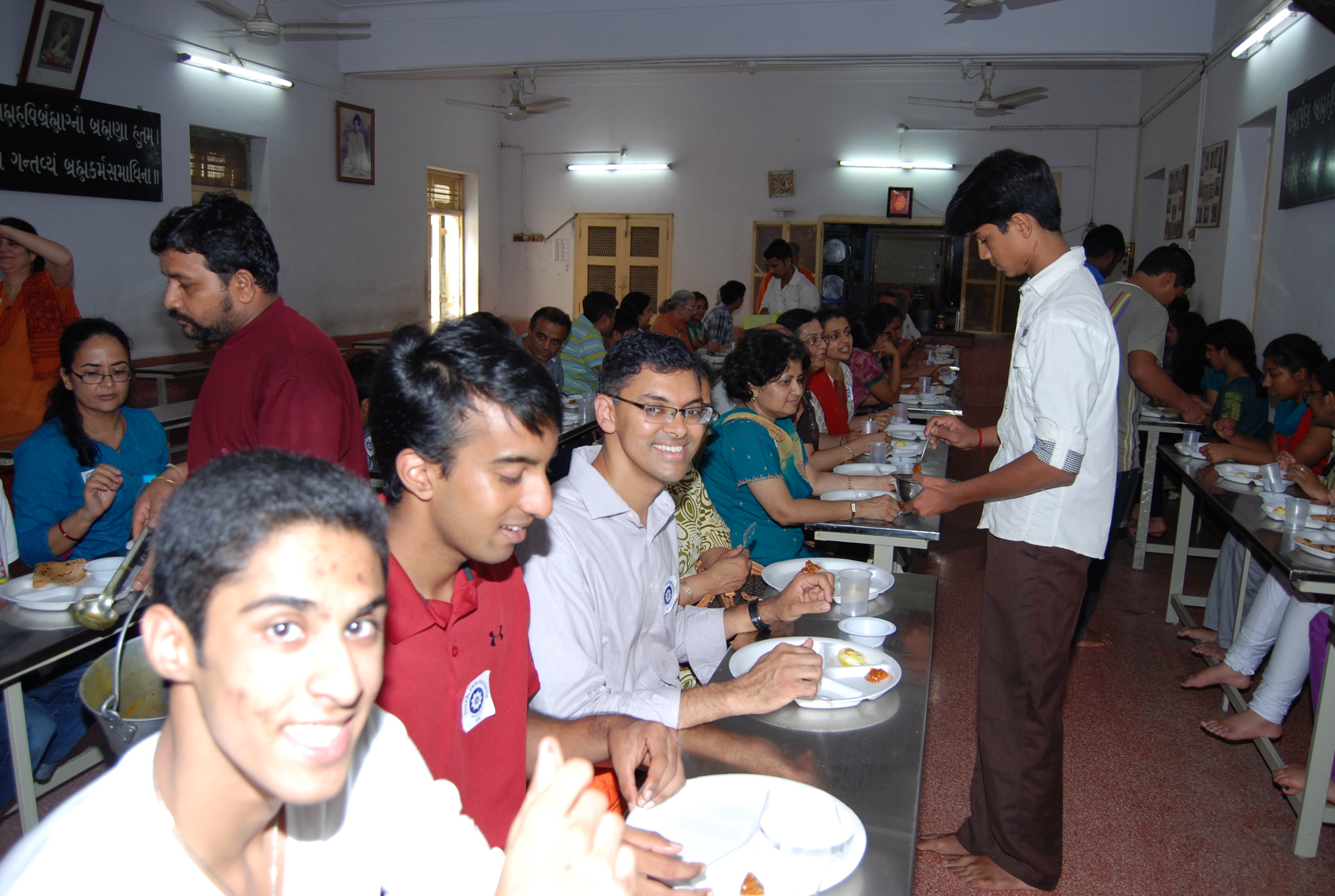
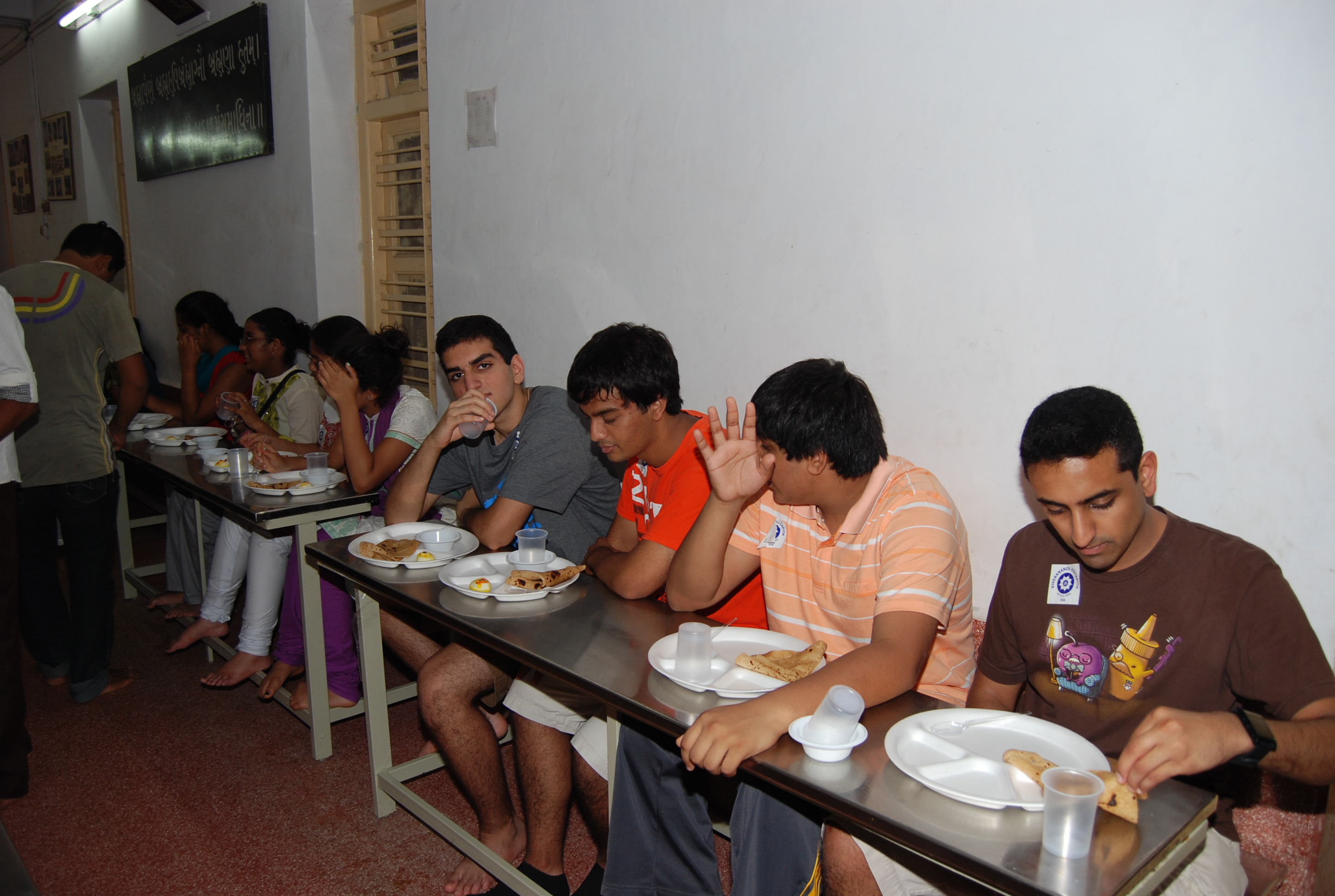


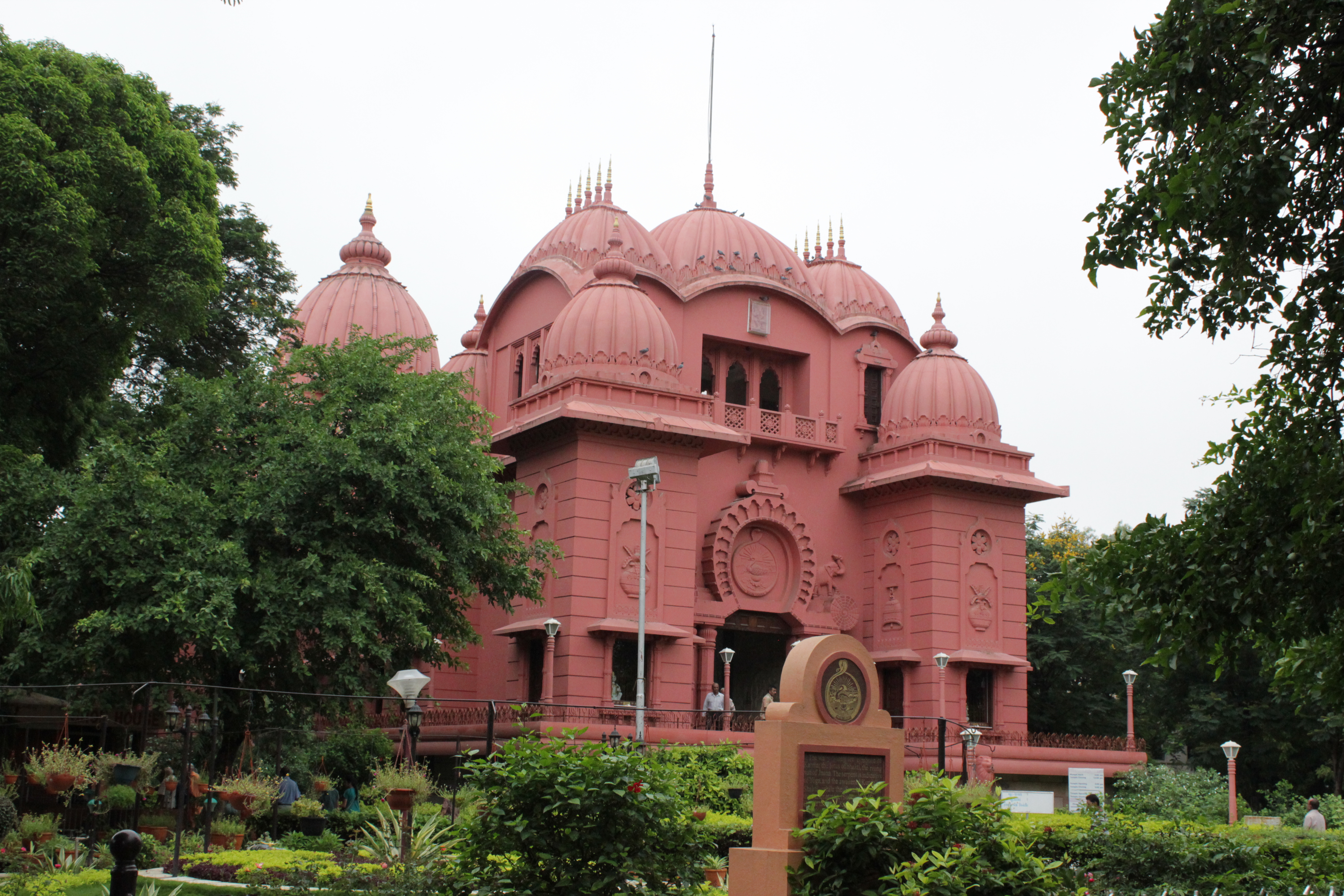

 mahendrajani