(In Vivekananda Vidyapith we celebrated Diwali 2022 with prayers, a Diwali Song, Glimpses of the last year’s activities, and the exhibition of the students’ projects (grades KG – 12th). A couple of alumni asked me to post my thoughts that I had shared with all during the Diwali celebration. The following is the modified speech for the post.)
“Let me pray for the good of all:
May all be happy,
May all be healthy,
May good come to all,
May no one suffer.
Om Peace! Peace be unto us! Peace be unto all living beings!
We are all very happy that after three years of pandemic lockdown and online celebrations, we are getting together in person to celebrate this important festival.
The Diwali song which will be presented soon talks about a few simple but important things we do during Diwali time. We decorate our homes, pray to our God, meet and greet our friends and family, and wish all good health, prosperity, happiness, and inner peace.
Diwali is a festival of lights and a day of celebration of the victory of Rama over Ravana, good over evil, light over darkness, knowledge over ignorance, and love over hatred.
Happiness, inner peace, knowledge, and victory of the good over the evil come when we hold on to the Truth, the Ultimate Reality, something that is permanent, unchanging, divine, our true identity, which we call Atman, or God, or Brahman.
What is God? Once Vandana Aunty was teaching students in Vidyapith and this question came. She told students, ‘If you want to know what is God, you add one more ‘O’ in it. God is Good. God is all goodness. In each one of us, there is something that is pure, divine, good, with full of virtues and love. But, we cover it with other thoughts. There is something good in us and if we listen to it, then it guides us on a righteous path. This is what we call conscience.
Swami Vivekananda says in the Raja Yoga, “We hear “Be good,” “Be good,” and “Be good”. It is taught all over the world. Every child all over the world has been told, “Do not steal,” “Do not tell a lie”. But, nobody tells the child how he/she can help to do them. The child has to be taught to control his/her mind first”.
In order to control the mind, first we have to develop a passion to love goodness and live a decent life.
Swami Vivekananda, in his lecture on “Hinduism,” refers to a conversation from the Mahabharata. During their exile, Queen Draupadi asked King Yudhishthira why he has to suffer so much even though he was the most virtuous and religious man. King Yudhishthira said, “Behold, my queen, the Himalayas – how grand and beautiful they are. I love them. They do not give me anything; but it is my nature to love the grand, and the beautiful; therefore I love them. Similarly, God is the source of all beauty, of all sublimity. God is the only object to be loved. My nature is to love God, and therefore I love. I do not pray for anything; I do not ask for anything. Let God place me wherever He/She likes.” Thus, we have to love God because God is all good, and all divine.
Swami Vivekananda in the Inspired Talks says, “Love God, love God, love God.” In order to do that he says to connect all daily activities to God. Getting up in the morning, and sitting on the bed we can do some prayer before other thoughts fill up our mind. The best prayer is the shlokas 13 – 19, of the 12th chapter of the Bhagavad Gita. They describe the characteristics of a devotee. If we recite them in the morning, then they will stay with us the whole day and guide us to live a virtuous life. For example, if we hate someone during the day, then our mind reminds us from the shloka, ‘A beloved devotee of God is the one who hates none’. We should take some time out in the morning and evening to do some prayer, or Japa, or meditation to connect ourselves with God. We can read something from inspiring books when we get time. We have to offer all our work to God. Thus, whatever we do, we do it with our full heart and focused mind because we are going to offer it to God. We want to please the God residing within. We don’t work to please anyone. When God is pleased all are ultimately pleased. Thus, if we can connect all our daily activities to God (the embodiment of Goodness), then wherever we go that place becomes a place of pilgrimage, every word we speak will be inspiring, and our life will be a blessing to ourselves and to society. Then comes the victory of good over evil, then we imbibe the three aspects of the light; burning impurities, love for all, and acquiring knowledge that tells us what is permanent and what is temporary. Eventually, we get fulfillment, inner peace, and bliss. Then, every day will be a festival of light in our life.
I wish Happy Diwali to all of you. I wish you happiness and inner peace.
Today, all over the world the devotees of Lord Shiva are celebrating Shivaratri. During the day, and at night, special worships being offered to Lord Shiva in the temples and in the homes of the devotees. On this day, I would like to think about the meaning of an inspiring hymn of Lord Shiva written by Saint Tulsidas Goswami. This hymn describes various qualities of Lord Shiva and is filled with devotion. It creates a picture of Lord Shiva which is helpful to meditate and feel his presence.
Shri Rudrashtakam
(Written by Saint Goswami Tulsidasa)
I salute to Lord Shiva, who is
Ishwara – the Lord of the Universe, Ishaana
Nirvana Rupam – Free from all bondages – Upadhis
Vibhum – Manifested from Brahma to the blade of grass
Vyapakam – Omnipresent
Brahma and Veda Swaroopa – is Brahman and Vedas
Nijam – Established in one’s true identity – Pure Consciousness
Nirgunam – Devoid of three gunas – beyond the three gunas
Nirvikalpam – devoid of Dvanda – duality
Niriham – Desireless
Lives in Chit-Akasha (pure consciousness)
I salute to Lord Shiva, who is
Nirakara – formless
Omkara Mula – the root of the Omkara – Nirguna Brahman
Turiyam – Being one with Brahman (beyond Jargrata, Dream and deep sleep
Gira Jnana Go-atitam – beyond speech, knowledge, and senses
Isham – Lord
Girisham – one who lives on the mountain Kailash
Karalam – Terrible when we remain in the material plane
Mahakala Kalam – The Time of the time
Kripalam – Gracious
Gunagara – Full of virtues
Samsara Param – Beyond the Samsara
I salute Lord Shiva, who is
Tusharadri Sankash Gauram – Having complexion like Himalaya
Gabhiram – Serene
Manobhuta…- in whose body there is a divine luster of millions of Kamadeva
Sphurana…- on whose head there is beautiful Ganga with charming sound
Lasat Bhaaal Balendu – on whose head there is a crescent moon
Kanthe bhujanga – one whose neck there is a snake
I salute Lord Shiva, who
is wearing beautiful earrings which move
Has a beautiful eye-bros
Has beautiful big eyes
Prasana ananam – is always happy
Nilakatham – has a blue neck
Dayalam – is Compassionate
Mrugadhish charma ambaram – is wearing the tiger skin
Munda malam – is wearing a garland of human skulls
is my most beloved and
is the lord of the universe
I take the name of Lord Shiva who is
Prachandam – Huge, Virat, Terrible
Prakrutha – the best
Pragalbham – Luminous
Paresham – The supreme Lord
Akhandam – The only One
Ajam – Birthless
Bhanu Koti Prakasham – Shining like thousands of suns have risen
Trayah shula…- Holding Trishula and removing three kinds of sufferings
Bhavani Patim – Husband of Goddess Parvati
Bhava Gamyam – who can be realized by devotion
O Lord Shiva, who is
Kalatita – Changeless
Kalyan – Auspicious
Kalpantakari – In whom the cycles of the universe end
Sada sajjannanda data – who always give joy to the devotees
Purari – destroyer of Tripura
Chidananda – Satchidananda – the embodiment of Bliss
Sandoha – purifies the mind
Mohapahari – Remover of the Moha (delusion)
Manmathari – the remover of the lust
Be pleased with me and give me your vision
People do not get happiness and peace of mind and their sorrows won’t be removed until they take refuge at the feet of Lord Shiva (the husband of Goddess Parvati) and take his name. O, Lord Shiva! You reside in all beings. Be pleased and gracious to me and give me your vision.
O Lord Shiva! I do not know any Yoga, how to do japa, and the way of worship. I just take refuge at your feet. I am burnt with the sufferings of life and the cycles of birth and death. Please save me from these sufferings. I salute you again and again.
(Thanks to Shri Ghanashyambhai Senjalia for providing the Sanskrit text.)
(The following post is based on a talk I have given at Vivekananda Vidyapith’s Youth Day Celebration, January 4, 2020.)
Dear Students, teachers, parents, helpers, and friends:
We are very happy to celebrate Swami Vivekananda’s birthday as “A Month-Long Youth Day Celebration”.
In India, from 1985, January 12th, Swami Vivekananda’s birthday, is being celebrated as “National Youth Day”. On this day, all over India, the Government and other organizations hold various programs celebrating Swamiji’s birthday. In fact, all over the world people celebrate Swami Vivekananda’s birthday remembering his life and teachings. Swami Vivekananda lived only for 39 years (1863-1902), but his positive impact will continue to inspire people in India and all over the world for years to come.
Who was Swami Vivekananda? He was a Saint, Prophet, Philosopher, Devotee, Karma Yogi, Jnana Yogi, Raja Yogi, Patriot, World Teacher, Musician, Orator, Poet, Visionary, Reformer, and many others. Swami Vivekananda said about himself that he was “A Voice Without A Form”. He was a voice of the infinite which is lying within all of us as our conscience. He was the voice of all the scriptures.
Swami Vivekanand’s main message is: “Each soul is potentially divine. The goal is to manifest this divinity within by controlling nature, external and internal. Do this either by work (Karma Yoga), or worship (Bhakti Yoga), or psychic control (Raja Yoga), or philosophy (Jnana Yoga) – by one, or more, or all of these – and be free. This is the whole of religion. Doctrines, or dogmas, or rituals, or books, or temples, or forms, are but secondary details.”
His lectures given in the USA and UK on the four Yogas, namely Raja Yoga, Karma Yoga, Bhakti Yoga, and Jnana Yogas, give us the essence and practical guidelines based on the teachings of the Upanishads and Bhagavad Gita. Everyone should read these lectures. This is one of his unique contributions to the world.
Swami Vivekananda had realized and manifested the divinity in his thoughts, speech, and actions. Recently, I heard from Swami Sarvapriyananda, Minister and Spiritual Leader of the Vedanta Society of New York, that there are two kinds of realizations of our own divine identity (Atman or Brahman): One described by Shri Shankaracharya – realize that “I am Brahman.” and second described by Swami Vivekananda – “The manifestation of the inner divinity in our thoughts, speech, and actions.” Swami Vivekananda’s manifestation of the divinity includes Shri Shankaracharya’s realization. In order to manifest the divinity, one has to realize first that “I am Atman” or “My True Nature is Divine.”
Swami Vivekananda has said, “It may be that I shall find it good to get outside my body – to cast it off like a worn-out garment. But I shall not cease to work. I shall inspire people everywhere until the world shall know that it is one with God.” He has inspired millions of people in the past and will continue to inspire people to realize their divinity lying within and manifest it through unselfish service to humanity.
Today, I would like to share the thoughts which come to mind when I sing the bhajan, “Jaya Vireshwara Viveka Bhaskar…” in honor of Swami Vivekananda.
Jaya Vireshwara – victory to Vireshwara.
Swami Vivekananda’s childhood name was “Vireshwara” from which the adorable name “Biley” came. His mother Bhuvaneshwari Devi felt that Lord Vireshwara Shiva gave her a son and therefore she and her husband Vishwanatha Datta named the boy Vireshwara. As a young boy, he was fully energetic and naughty. He used to run around and play lots of mischiefs. Four people needed to catch him and control him. Finally, to calm him down his mother used to pour cold water on his head saying “Shiva, Shiva, Shiva’. He knew the stories of Ramayana and Mahabharata. He loved to meditate. He used to meditate for a while and used to check if he had developed a ‘Jata’ (long matted hair) like Lord Shiva. He had his own gym and a drama company of young boys. He loved to read. Swami Vivekananda’s other childhood’s name was Narendra or Naren. We can learn many things from his childhood.
Viveka Bhashkara – Swami Vivekananda’s “Viveka” was like a blazing sun. Viveka means the power of discrimination between ‘truth’ and ‘untruth’, or ‘right’ and ‘wrong’, or ‘helpful’ and ‘harmful’. He was very sharp and analytical. Sri Ramakrishna said that he was like an open sword. Not a single bad or harmful thought can come closer to him. In Viveka Chudamani, Shri Shankaracharya says that in the spiritual path the first thing needed is “Viveka’.
In Kathopanishad Lord Yama says that in life at every step a person has to make a choice between Shreya (preferable) and Preya (pleasurable). Shreya helps a person to make spiritual progress and leads to the Highest Knowledge, peace, and bliss while Preya fulfills the worldly desires of the body and mind and leads to ignorance, suffering, and restlessness. One who has ‘Viveka’ selects always Shreya while deluded people select Preya.
Jaya Jaya Sri Vivekananda: Victory to Vivekananda – one who enjoys having sharp Viveka. Before Sri Ramakrishna passed away, he had given symbolic ‘Sanyas’ to the young disciples by giving them ocher cloths.
After Sri Ramakrishna passed away, under the leadership of Narendra, all brother disciples took monastic vows and changed their names to the monastic names. I have heard that Narendra wanted to keep his monastic name as Swami Ramakrishnananda, but he found that his brother disciple Shashi Maharaj wanted to have that name. Narendra told him that his (Shashi Maharaj’s) devotion for Sri Ramakrishna is very deep, so he can keep that name. Then, Narendra kept his monastic name as Swami Vivekananda.
Indu Nibhanann Sundara lochan: Swami Vivekananda as a young man Narendra was very handsome. He had beautiful eyes. Once when he asked Devendranath Tagore (Ravindranath Tagore’s father), “Sir! Have you seen God?” Then, Devendranath said to Narendra that he has the eyes of a Yogi, and he should practice meditation.
Vishwa – Manava Chira Vandya: Swami Vivekananda saw God in all human beings and in everything. He taught all to see Unity in Variety, the One God residing in people with various colors, cultures, and countries. He was a “Universal Man.” He cannot be confined to one country. Those who understand his life and teachings will revere him eternally.
Prema Avirala: Swami Vivekananda loved all; especially he loved people who were poor, miserable, weak, neglected and crushed by society. As a young child, he used to give away precious things to poor people including his mother’s expensive saris to satisfy their hunger and basic needs. He told his brother disciples that for a while put away all gods and goddesses and serve poor and miserable people seeing God in them.
Usually, spiritual seekers want to attain “Moksha” and be free from the cycle of births and deaths. But, out of his love for humanity, Swami Vivekananda said, “May I be born again and again, and suffer thousands of miseries, so that I may worship the only God that exists, the only God I believe in, the sum total of all souls.”
Kanti Suvimala: He was pure in mind. The purity was shining from his personality. He was simply majestic.
Adhigata Veda Vedanta: Swami Vivekananda had studied all the Vedas and Vedanta, has realized the truths of them and he taught these truths to the people in the scientific language of the time. We find that in the Baranagar Math Swami Vivekananda and his brother disciples were studying scriptures. As a wandering monk, when he was traveling all over India, he was eager to meet people who were experts in the scriptures and to discuss with them about various topics. When he came to the USA, he brought with him many scriptural books and later he was requesting people residing in India to send him the books he needed.
Tyaga, Titiksha, Tapasya Ujjvala: His sacrifice, forbearance, and austerity were unparalleled. His father passed away and his mother and siblings had no money to acquire daily meals. The family was dependent on Narendra. On the other hand, he had the goal of God-realization and service to humanity. He loved his family dearly, but his goal was calling him. Finally, he put a stone on his heart and renounced the world to achieve his goal of ‘God Realization and Service to Humanity’. In the Baranagar Math and during his wandering period he did severe austerity to keep his mind in constant communion with Brahman, the Ultimate Reality. He bore patiently all the hardships and sufferings during this time. Even in the USA he had to go through many hardships to continue his work of explaining the principles of Vedanta and guiding people for their spiritual upliftment. His book on Raja Yoga is considered a standard guideline for the Yoga Practices.
Chitta Nirmal Shanta: Swami Vivekananda was a perfect person as described in the Bhagavad Gita – he was clam within in the intense activity and when surrounded by a whirlpool of problems.
Karma Bhakti Jnana Trishula Dharana: Swami Vivekanand was an incarnation of Shiva. His trident was made out of three yogas – Karma, Bhakti and Jnana Yoga. His lectures given on these yogas are an excellent guide to realizing our inner divinity.
Chhedana Jiva Moha Bhandha: With that trident, he destroys the delusion and bondages of people.
Brahma Parayana Namo Narayana: He was “Sat-Chit-Sukha Swarupaya” always one with Brahman. Someone asked him how one should sit in meditation. He was showing the posture of sitting and then he was absorbed in deep meditation becoming one with Brahman. There are several noted incidents in which Swami Vivekananda was completely merged with Brahman during his meditation.
When he met Sri Ramakrishna first time, Sri Ramakrishna said to him, “O Lord! I know that you are the ancient sage Nara – the incarnation of Narayana – born on earth to remove the miseries of mankind.”
Dehi, dehi, charanarvinda: On this day we salute to Swami Vivekananda and pray that we learn from his life and teachings, build up our character, realize that our true identity is divine and serve all unselfishly.
Celebrating 533rd Birthday of Shri Chaitanya Mahaprabhu
On Thursday, March 21, 2019, all over the world, the devotees of Shri Chaitanya Mahaprabhu (1486 – 1534) celebrated his 533rd birthday. He was a scholar, a poet, and a great teacher. He had learned all the scriptures and was well-versed in the six systems of philosophy, especially in the ‘Nyaya Shashtra’, generally known as the field of logic.
But, at one point he realized that all this book learning could not give him inner peace, satisfaction, and the fulfillment of the heart. He realized that for most people during his time, the path of devotion could uplift people towards spirituality and was most appropriate for focusing one’s mind on God. It was because of his love for God that he could embrace all with love and serve all unselfishly–irrespective of their cast, learning, and economic status. He taught his disciples to be moral, humble, to forbear, to chant the name of God, and to serve all beings.
On this occasion, I would like to remember the meeting of the famous Pundit Sarvabhauma and Shri Chaitanya Mahaprabhu. The following write-up is based on the book “Shri Shri Chaitanya Charitavali” written by Shri Prabhudatt Brahmachari.
Shri Chaitanya Mahaprabhu and Pundit Sarvabhauma Bhattacharya:
Pundit Vasudev Sarvabhauma Bhattacharya was a famous scholar who had mastered all the scriptures. The king of Oddisa, King Prataparudra, had appointed him to run his school in the city Puri, near the famous temple of Lord Jagannatha. The pundit met Shri Chaitanya Mahaprabhu when the latter had come to the Jagannatha temple for the first time for darshana. He was attracted by the divinity manifesting through Shri Chaitanya Mahaprabhu’s face. Saurvabhauma went closer to him to know more about Shri Chaitanya. Upon seeing Lord Jagannatha for the first time, Shri Chaitanya Mahaprabhu became overcome with devotion and fell unconscious. People rushed to help him. The pundit too rushed to help the fallen sanyasi and asked people to carry Shri Chaitanya to his house. Pundit Sarvabhauma, his wife and his son respectfully served Shri Chaitanya Mahaprabhu as a sanyasi. Finally, upon hearing a couple of close devotees chanting the name of God, Shri Chaitanya Mahaprabhu regained consciousness.
When Pundit Sarvabhauma found out that Shri Chaitanya Mahaprabhu was from his hometown and that he knew the pundit’s father and relatives very closely, his love for Shri Chaitanya grew deeper. He started showing more respect for Shri Chaitanya Mahaprabhu. Since the pundit was older than Shri Chaitanya Mahaprabhu, he claimed that Shri Chaitanya was like his son and sought to guide him: “Do not go to the Lord Jagannatha temple alone. Also, a Sanyasi has to keep his mind occupied with spiritual practices. If you want, you can come to my school and listen to the study of the Vedanta Sutras.” Shri Chaitanya Mahaprabhu agreed. Pundit Sarvabhauma made arrangements for Shri Chaitanya Mahaprabhu and his close devotees to stay in Puri near his own house.
The next day, Shri Chaitanya Mahaprabhu went to Pundit Sarvabhauma’s school where the pundit himself was reading Shri Shankaracharya’s commentary on the Vedanta Sutras, called Shariraka Mimansa Bhashya. Shri Chaitanya sat there and started listening to the Sutras and their interpretations. Pundit Sarvabhauma was enjoying reading the commentary, providing various supportive shlokas and interpretations. For seven days Shri Chaitanya Mahaprabhu quietly listened.
After the seventh day, Pundit Sarvabhauma questioned Shri Chaitanya, “You have been listening to the reading and the interpretations for seven days, and yet you haven’t said a word about whether you liked it or not.” Shri Chaitanya Mahaprabhu humbly replied saying that he was asked to listen to the Vedanta Sutras, so he was simply listening. Pundit Sarvabhaum smiled and said, “I have not asked you to listen to the Sutras like a statue. If you have any questions, you should have asked them. And if you have liked something, then please share it.” Shri Chaitanya Mahaprabhu replied, “How can I understand such a deep subject, and how can I dare raise doubts in front of such a scholarly person like you?” Pundit Sarvabhauma said, “Please don’t be shy. Say what you have on your mind.”
Shri Chaitanya Mahaprabhu said, with a little hesitance, “I can understand the simple meaning of Bhagavan Vyas’s Vedanta Sutras, but the commentaries create some problems. It seems to me that in many places the respectable commentators try to twist the meaning of the words to bring out the meaning they want. Sometimes they force meaning in the Sutras which is not there.”
All the students around them were startled by this statement.
Pundit Sarvabhauma countered, “What are you talking about? Shruti’s main goal is to establish that the goal of life is to realize the Nirguna Nirakar Brahman (Formless Brahman devoid of any gunas). Shariraka Mimansa Bhashya exactly establishes the One Brahman (which is without the second) and is devoid of name and form.”
Shri Chaitanya Mahaprabhu replied, “I have nothing against the description of the Nirguna Nirakar Brahman.” Then, giving a few examples SCM said, “Shruti talks about both: Saguna and Nirguna Brahman, Sakara and Nirakara Brahman, Brahman with and without form and Brahman with and without characteristics. But, commentators only emphasize the Nirguna Nirakar Brahman and ignore the Saguna Sakara Brahman. I do not like these one-sided interpretations. Both forms of Brahman are important. The interpretations to establish Nirguna Nirakar Brahman may be appealing to people who are head-oriented, those who are more logic-oriented and who enjoy being analytical. But, they do not appeal to those who are heart-oriented, who enjoy loving God and for whom feelings are more important than logic. ”
Pundit Sarvabhauma said, “The commentators do not create their own meanings. They try to bring out the meaning which Bhagavan Vyasa was trying to express.”
Sri Chaitanya Mahaprabhu said, “Bhagavan Shankaracharya, Ramanujacharya, and Madhvacharya have interpreted the same Sutras differently. Each one has his own interpretation. They all are great teachers and are respectable. But, each one established his own philosophy from the same sutras. Now, how can we consider one interpretation correct over another? Each teacher interpreted the sutras according to the philosophy he wanted to establish.
Shri Chaitnaya Mahaprabhu continued, “Lord Vyasa wrote six scriptures, eighteen puranas, and the fifth Veda called the Mahabharata. Even after writing all these scriptures, he was not happy and had no peace of mind. He felt he did not do enough to help humanity. It was this feeling that propelled him to write the Shrimad Bhagavatam, which finally brought him the peace of mind he was seeking. Lord Vyasa writes in the Shrimad Bhagavatam (10.14.32), “Really the cowherd boys who lived in the Vrajadhama were very fortunate because their friend (Shri Krishna) was Blissful, Supreme Ideal, and the Eternal Brahman.” Can Lord Vyasa who wrote this ever insists that only the formless Brahman is real and all forms of God are imaginary and false?
Pundit Sarvabhauma sat quietly for a while and then finally responded, “Oh! Then Sri Shankaracharya’s all the reasoning and teachings are incorrect because in all his commentaries he had established the formless Brahman and said that the world with names and forms appears due to the ignorance and is not real. He asked everyone to realize that his/her true identity is nothing but Brahman.”
Shri Chaitanya Mahaprabhu said, “The intellect is given by God. By establishing Advaita Vedanta Sri Shankaracharya had showed the highest state that can be reached through logical reasoning and reflection. But, let us look closely at Shri Shankaracharya’s heart. The very Shri Shankaracharya who said that the highest state is ‘I am Brahman,’ has also written the following shloka while sitting on the banks of the Ganga, his eyes filled with tears of love for God: “O God! In reality there may not be any difference between you and me. Nevertheless, My Lord, ‘I am yours’ but ‘You are not mine’. Even though there is no difference between the ocean and its wave, we can only say that ‘a wave belongs to the ocean’. We never say that, ‘the ocean belongs to its wave’.
Then, Shri Chaitanya Mahaprabhu quoted another shloka from the Shrimad Bhagavatam (1.7.10), “ Those who have studied all the scriptures, from whose hearts the attachment and ego have been destroyed, and who silently enjoy the bliss of the Atman within, they also enjoy loving God for love’s sake. They do not want anything from God. They are naturally drawn to the virtues and form of God. Wise people, therefore, cannot help but love God.”
Pundit Sarvabhauma found an opportunity to show his knowledge of the scriptures. He gave nine different meanings of that shloka. Sri Chaitanya Mahaprabhu praised Pundit’s erudite interpretations and told him that there are more than nine interpretations of the shloka. The pundit could not believe it. Shri Chaitanya Mahaprabhu gave another additional nine interpretations of the shloka! With that, Pundit Sarvabhauma’s ego was completely crushed. He found that his knowledge and understanding of the scriptures were limited. He felt that he is in front of an Incarnation of God and he should seek Shri Chaitanya’s blessings and guidance. Pundit Sarvabhauma fell at the feet of Shri Chaitanya Mahaprabhu and said, “O Lord! Please forgive me. I am deeply engrossed in this world of delusion. O Govinda! O Damodara! O Madhava! I surrender to you. Please lift me up from this ocean of Samsara, the world of pairs of opposites.”
Then, Pundit Sarvabhauma asked the following three important questions to Sri Chaitnya Mahaprabhu. The answers to these questions are beneficial to all of us:
Pundit Sarvabhauma’s Three Questions:
Question 1:
Pundit Sarvabhauma: “O Lord What is the best way to develop one-pointed devotion for the lotus feet of God?”
Shri Chaitanya Mahaprabhu: “One cannot give the same medicine and the same dosage to all patients who have the same disease. An expert doctor figures out the type of medicine and the dosage that suits each patient. The same principle applies to meals. There are three benefits of meals: (1) nourishment of the body (2) satisfaction to the mind and (3) removal of the hunger. But, for the nourishment of the body and removal hunger, the same food is not given to everyone. It is good that a person eats what suits him or her. In the scriptures, various paths have been described to realize God, but in the present time, there is no better and easier path than repeating God’s name.
Question 2:
Pundit Sarvabhauma: “O Lord! What is the way to repeat God’s name?”
Shri Chaitanya Mahaprabhu: “There is no particular way to repeat God’s name. Whenever you have time, wherever you are, and whatever situation you are in, just repeat God’s name. Repeat God’s name in a fixed number, meditate on the form of God which you like, sing God’s glories through hymns, bhajans, and dhoons, and listen, reflect and discuss God’s life incidents and virtues with devotees. The point is to keep the body, mind, and the senses engaged in the thoughts of God.
Question 3:
Pundit Sarvabhauma Bhattacharya: “O Lord! How should we meditate on God?”
Shri Chaitanya Mahaprabhu: “First, make sure that your senses and your mind do not run around aimlessly in the world. While working in the world, keep the form of God in your mind and the name of God on your lips. Whenever your mind goes away from the form of God, look up and remember the loving form of God.
After the conversation, Pundit Sarvabhauma went home accompanied by Pundits Jagadananda and Damodara. He then prepared a few dishes to offer to Shri Chaitanya Mahaprabhu and sent them with the pundits along with two following shlokas that he, himself, had composed:
“I take refuge at the feet of the One, who is full of compassion, the ancient Purusha, who incarnated with the name of Shri Krishna Chaitanya to teach knowledge, renunciation and the path of devotion to all beings.
As a bee enjoys sipping honey of a flower and remains around the flower, may my mind deeply enjoy remaining immersed at the holy feet of Shri Krishna Chaitanya who has incarnated on earth to re-establish the path of devotion which was lost in time.”
Reflections: In the Bhagavad Gita, Shri Krishna described four Yogas as four paths to realize God or to realize the Ultimate Reality. These four Yogas are Raja Yoga (the path of self-control and focusing the mind), Jnana Yoga (the path of reasoning and reflections), Bhakti Yoga (the path of devotion to God), and Karma Yoga (the path of unselfish actions). According to one’s mental chemistry, one has to follow one or more Yogas and combine them proportionally. Swami Vivekananda Wanted his disciples to practice all the four Yogas in which one can engage one’s head, heart, and hands to attain the goal.
We are very fortunate that Sri Ramakrishna was born before us and made the spirituality real, tangible, and clear. From his life, he showed that the highest state of “God Consciousness” is real. While living like a normal person in the world he showed that one’s mind can be uplifted often to the level of God Consciousness. He guided his disciples to God Realization and showed us that the goal of spirituality is tangible. There are various and contradictory looking thoughts in spirituality, but Sri Ramakrishna showed that they are not contradictory. For example, he said that God has a form and God is also formless. The ocean water has no form. But, due to cold, at some places the water becomes ice. Similarly, by the devotion of the devotee, God assumes a form. Then, when the sun of knowledge shines, then the ice melts and becomes the formless water.
We can know Sri Ramakrishna’s life and teachings through Swami Vivekananda’s lectures, Shri Mahendranath Gupta’s “The Gospel of Sri Ramakrishna”, Swami Saradananda’s “Sri Ramakrishna and His Divine Play” and other direct disciples’ teachings. They had personally witnessed Sri Ramakrishna’s life and had received guidance from him. Thus, Sri Ramakrishna’s life is not a myth.
Sri Ramakrishna’s life and teachings are like a big ocean of nectar in which we can take deeps and uplift ourselves spiritually. To celebrate his birthday, we have to reflect upon one of his life incidents or his teachings. Sri Ramakrishna’s many teachings are ‘sutratmaka’, like formulas. We can easily remember, reflect, and follow them.
I was thinking about one of Sri Ramakrishna’s main teachings:
(In Bengali) “মানবজীবনেরউদ্দেশ্য–ঈশ্বরলাভ”
In Devanagari transliteration: “मानब जीबनेर उद्देश्य – ईश्वर लाभ”.
In English, “The Goal of Human Life is – God Realization.”
For most people, the goals of life are: going to school, going to college, study, get a degree, find a good job, make as much money as possible, acquire name-fame, recognition, power, position, get married, have a family, raise children and grand-children and die. Enjoy the world as much as you can. For the majority of people, these goals are satisfactory. Every now and then questions may come about the significance of these goals, but people brush them off as useless thoughts.
However, for some people, these goals are not satisfactory. They ask questions, such as : (1) is there any purpose for my birth? (2) Is there any meaning in my life? (3) Money, power, worldly pleasures do not give longer lasting happiness. Is there something else which can give me permanent happiness which does not depend on any worldly object or a person? (4) Is there life after death? (5) What is my true identity? (6) is there something beyond my body and mind?
For such inquiry-oriented people who cannot be happy with the temporary pleasures of the world, Sri Ramakrishna reminded the goal of life and it is ‘God Realization’. From his life, he showed that ‘God Realization’ is not an abstract or imaginary thing. He showed that this goal can be achieved in life.
Human beings want to know, to be immortal, to be fearless, to be permanently happy, and to love and to be loved. “God-Realization’ gives all these things and more.
Sri Ramakrishna showed a way to realize God. He said that regularly go into solitude, pray to God, discriminate between what is temporary and what is permanent, and keep holy company. When a person has an intense desire to see God, then God reveals to that person.
May we practice what Sri Ramakrishna taught and make progress towards the achievement of this goal of human life – God Realization.
Today, all over the world people are celebrating the New Year. In New York, the New Year drops in the form of a ball on the Times Square Building. Everywhere people celebrate the starting of a new year in various ways.
From the Vedanta point of view, ‘Space and time are thoughts in the mind. The Self (Atman) is beyond the mind and therefore It is beyond time and space. We divide the infinite time into various parts according to our convenience. Thus, for the pure Vedantist, there is nothing new in the New Year. ’
But, for the devotees, it gives an excuse to celebrate a particular day with worship and spiritual practices. It is a day to reflect upon the past year’s activities and plan for the next year’s activities to make progress in the spiritual path. It is a day to do special prayers and receive blessings of God directly or indirectly through Saints and Holy Souls.
A question comes: Do we have to pray to God for His/Her blessings? Wouldn’t God give His/Her blessings without praying? I thought of the answer as follows. God always showers His/Her blessings to all, but we are not aware of these blessings. When we pray, we are tunning our minds to God and thus realize God’s blessings. Actually, our life itself is a blessing of God. But, because of our ignorance and selfishness, we think that our life is not a blessing, or it is a partly blessing and partly a curse, or a complete curse. Through spiritual practices when our ignorance dissipates, we find that our life is an opportunity to attain the highest knowledge – the realization of our true identity which is divine and it is Sat-Chit-Ananda (Existence-Knowledge-Bliss Absolute). Then, all our fear and limitations of the little-self go away, we understand the meaning of our life and the meaning lying behind the universe, and we experience infinite bliss within which does not depend on any worldly object or a person.
When we pray we are trying to spiritualize our body and mind. On the other hand when we indulge in the pleasures of the body and mind, then we are materializing our spirit. When we materialize our spirit, then we lose the purpose of life.
Swami Vivekananda said, “My ideal can be put into a few words and that is: to preach unto mankind their divinity, and how to make it manifest in every movement of life. The more our bliss is within, the more spiritual we are. Let us not depend upon the world for pleasure.”
A thought on worship: On the New Year day, many temples, churches and other religious places have special worships of God. Those who believe in God with form offer various things like sandal paste, flowers, incense, lamp, sweets, and food. This is similar to when we receive and honor a holy person at our house or in an institution. Finally, we have to grow and worship the living God residing in all. At that time, we see God in all and when we serve a person we feel as if we are serving God. Then, we will be always living in the presence of God and never feel separated from God. This is really the highest state and it is not easy to realize it. But, we must strive to attain this state.
Swami Vivekananda asked us to worship the living God. Someone has said, ‘If you cannot see God in the person living next to you, then there is no need to look further for God.’
Happy New Year! We wish that in the coming year, with our spiritual development, we all experience inner peace, bliss, and fulfillment.
(The following blog is based upon my thoughts I shared with Vivekananda Vidyapith’s students, teachers, parents, and helpers during Youth Day Celebration Speech Competitions held on Saturday and Sunday, January 6th and 7th of 2018.)
Swami Vivekananda (1863-1902) lived only for 39 years, but his life and teachings will continue to inspire people as long as a single person on earth searches for the eternal truth. All over the world, we can see the positive and uplifting effect of Swami Vivekananda’s life and teachings helping the humanity for its good. His teachings about strength, the divinity of the soul, oneness of existence, and harmony of religions have been appealing to more and more people. These teachings encourage them to search for their inner divinity and try to manifest it in their thoughts, speech, and actions, especially through their unselfish service to the society. His emphasis on serving the “Living God,” the sum total of all living beings, touches the hearts of even atheists.
We could see a fraction of this positive effect during the Vidyapith’s Youth Day Celebration Speech Competition. The temperature during last Friday, Saturday, and Sunday were in single digit close to zero degrees Fahrenheit and the wind-chill was in negative degrees. But, the Vivdyapith’s students and helpers joyfully loaded and unloaded a truck in the cold with the things needed for the competition. Several other people worked unselfishly for countless hours to make this competition a great success. For all of them, it was a labor of love. Also, almost all the students from grades sixth through twelfth came for the competition and presented their excellent speeches. The students, teachers, and the helpers were inspired by Swami Vivekananda’s life and teachings.
The following are few of my thoughts I shared with the Vidyapith’s students, teachers, and helpers:
“Swami Vivekananda is our beloved teacher, leader, and a role-model. He was a saint, a prophet, a yogi, a great teacher, an orator, a poet, a reformer, a humanitarian, a patriot, a world-leader, a visionary and many more.
He told about himself that, “He is a voice without a body.” His voice was and is the voice of the Vedanta – the Upanishads and the Bhagavad Gita. He also said that “As Buddha had a message for the east, he has a message for the west.”
There are many teachings of Swami Vivekananda which we have to learn and practice in our life. As students, one teaching we have to really learn is his definition of education. He said, “Education is the manifestation of the perfection already in man.” By ‘man’ he meant men and women. This perfection is the perfection of the Atman dwelling in each one of us. We have to realize this perfection and then try to manifest it in our thoughts, speech, and actions.
To me, the simple meaning of perfection is ‘Be happy with what we have and be always ready to improve our performance.’ With this simple rule, we will constantly improve our study, our work, and our performance in every field.
There is another aspect of education. In schools and colleges, we learn about the topics related to the physical and mental world. There, we do not learn about our true identity which is beyond our body and mind. For that, we have to learn to go deeper within ourselves and search for our true identity. Swami Vivekananda says that our true identity is divine. In order to search our true identity (or divinity dwelling within), Bhagavad Gita has described four paths, namely Bhakti Yoga, Jnana Yoga, Karma Yoga and Raja Yoga. We can do every day four simple spiritual practices which cover all these four yogas: (1) Spend few minutes doing prayer, Japa and meditation, (2) read couple of pages from inspiring books and seek holy company which encourages us in our search for our true identity, (3) practice values which help us realize this true identity (for example the values described in the 12th chapter of Bhagavad Gita shlokas 13-19), and (4) do unselfish service. If we do these four practices regularly and properly, then definitely we will go deeper within and realize our true identity which is divine.
Note that the goal of all the Vidyapith’s classes and all activities including this speech competition is to help us to learn about our true identity (the divinity dwelling within) and encourage us to realize it and manifest it in our thoughts, speech, and actions. But, we have to do our homework by practicing the above mentioned four practices. Just as we do homework after taking classes in schools and college and educate ourselves, similarly in this search also we have to do our homework.
What do we get by realizing our inner divinity? We see that each person irrespective of his/her color of skin, religion, culture, country, physical appearance or any external difference is divine. The basic life-force in all beings is the same. Once we realize that then we love all and be ready to help all. We do not hate anyone. We will get control on our lower nature including our anger, jealousy, greed, lust, ego, and other impurities. We become sincere, honest, and humble. This makes us a better person fit to live in the society.
When we realize this inner divinity, then we can understand Swami Vivekananda’s teachings of Vedanta, namely the divinity of the soul, oneness of existence, harmony of religions, and service to the ‘Living God’. With oneness of existence, we realize ‘unity in diversity’. This is the best way to celebrate Swami Vivekananda’s birthday. May we all get inspired by Swami Vivekananda’s life and teachings and make our life blessed.”
Monday, January 12, 2015 is Swami Vivekananda’s 152nd birthday. All over the world, people who have been inspired by Swami Vivekananda will be celebrating his birthday with great joy.
Since 1984, India celebrates every January 12th, Swami Vivekananda’s birthday, as a National Youth Day. On that day, students in schools and colleges all over India participate in parades, youth conventions, youth-related seminars, presentations of speeches, recitations, essay-writing contests, yoga-asanas, and various athletic events.
Who was Swami Vivekananda? He was a saint, a prophet, a yogi, an Incarnation of all loving and compassionate Lord Shiva, a great orator, a poet, a writer, a musician, a great teacher, a scholar, a visionary, a thinker, a philosopher, an explorer of Vedanta, a humanitarian, a social reformer, a patriot, a lover of humanity and much more. His multi-faceted personality is blinding to the human eyes. He lived only for 39 years, but his positive impact on the society will go on inspiring people for thousands of years.
In 1976, on the occasion of America’s Bicentennial Celebration, the National Portrait Gallery in Washington, D.C. displayed a large portrait of Swami Vivekananda as a part of its exhibition, called “Abroad in America: Visitors to the New Nation: 1776 -1914. ” This exhibition paid tribute to the great personalities who visited America from abroad and made a deep impression on the American mind. The commemorative volume of the exhibition reads: “The Swami charmed the audiences with his magical oratory, and left an indelible mark on America’s spiritual development.”
One can buy the commemorative volume “Abroad in America: Visitors to the New Nation: 1776 -1914” from amazon.com. The following is the cover page:
The Cover page of the book
The following link connects to the Facebook page of the Ramakrishna Vivekananda Center in New York, which has posted the cover and a few pages of the commemorative volume along with several photos.
The life and teachings of Swami Vivekananda can be a great source of inspiration for anyone who aspires to achieve something positive in life.
The best way to celebrate Swami Vivekananda is to reflect upon and practice a couple of his teachings. Let us do just that.
Everyone likes to achieve success in life. No one likes to fail. Swami Vivekananda gives a guideline on how to achieve success in life.
Swami Vivekananda says, “Take up one idea. Make that one idea your life – think of it, dream of it, and live on it. Let the brain, muscles, nerves, every part of your body, be full of that idea, and just leave other ideas alone. This is the way to success.”
Of course, the practice of this idea must be helpful and not harmful. It must be helpful to all beings, not just few. Let us think how we can apply this teaching in our lives.
First: We have to find a good idea. How do we find good ideas? For this we have to read inspiring books, especially biographies and teachings of people who have done something good to the world.
We have to be in the company of people who are engaged in doing some good to the world. Company plays an important role. We learn much more from living examples of good people and being in the company of good people. We have to fill our minds with good ideas. And another thing we have to remember is that if we do not fill our minds with good ideas, then our minds will pick up all kinds of harmful or useless ideas.
Second: We can reflect upon all the good ideas we collected, write about these ideas, and discuss these ideas with people who are interested in doing good things. Most importantly, we have to think of the following few things:
(i) What exactly do these good ideas mean?
(ii) Which idea appeals to me most?
(iii) Why should I practice this idea?
(iv) How can I practice this idea?
Swami Vivekananda advises us to “dream of that good idea.” Dream that we have practiced this idea in life and have been successful.
Third – Live the idea. When we try to practice a good idea in our lives, two things come:
(i) Obstacles and difficulties: If our good idea is challenging, then we may face more obstacles and more difficulties. But we should not take them negatively. Obstacles and difficulties come to test the intensity of our desire to practice the good idea. They come to measure our sincerity, commitment, and determination to attain success in manifesting the good idea in our lives. If there are no obstacles or difficulties, then we do not value the good idea. Obstacles and difficulties also build our mental strength. In spite of obstacles and difficulties, if we continue to work for the good idea, we can build up our mental strength and confidence in ourselves.
(ii) Failures: If we read biographies of people who lived inspiring lives and had done some good to the humanity, we find that they all met failures. Not a single one had an easy ride. They all had tremendous faith in themselves. Swami Vivekananda said, “Throughout the history of mankind, if any one motive power has been more potent than others in the lives of great men and women, it is that of faith in themselves. Born with the consciousness that they were to be great, they became great.”
In addition, people who have been doing good work successfully take struggles positively. We all know that Thomas A. Edison failed 10,000 times to invent the light bulb. But he said, “I have not failed. I have just found 10,000 ways that won’t work.” We should also remember another quote of Thomas A. Edison: “Many of life’s failures are people who did not realize how close they were to success when they gave up.”
Thus, if an idea is good and we have checked it for its goodness, thought about it, dreamt about it leaving all other ideas alone, and worked for it, then success will surely come.
Reflections:
(i) Now, not everyone has to have a new good idea to work towards to make a life successful. If someone had a good idea and we work towards that same idea with others, we can also be successful. Some great ideas need a team of people. Learn how to work as a team for a great idea and working for it will not be a small thing. It will give us fulfilment.
Rockefeller Center Christmas Tree
People from all over the world come to see the Rockefeller Center Christmas tree. It is grand. It has 10,000 light bulbs and thousands of decorations. Each light bulb shining separately cannot create the same grandeur. Yet, on the other hand, each light bulb is important as each of the other 10,000 light bulbs. We can be those individuals who shine like light bulbs working as a team for a great cause.
(ii) If we work unselfishly for a good cause, then we will realize that ultimately a good idea comes from the Almighty Creator who has created this universe and has created our body and mind. Hence, if we are working for our own good idea or for someone else’s good idea, we will be working for the Creator’s idea. We then become an instrument working for the Creator.
(iii) I have never seen a person who even though living alone, cooks delicious dishes every day for him or herself, sits on a dining table alone, and enjoys eating these dishes. Usually, when a person is alone, he/she finds any food, whether leftovers or junk food, that can fill the stomach.
However, when one cooks for a family he/she loves, one enjoys cooking. Similarly, along with our family, there is more joy in cooking and feeding guests whom we love most than simply feeding ourselves. The reason is that our Soul or Atman is connected to everyone. When we remove the idea of our body and mind, then what remains is Atman. This Atman is the same in all and we are all connected by that Atman. So when we cook for ourselves only, there is little joy coming from the fulfillment of the desire of our body and mind. When we cook and eat with other people, we feel more joy because we are connected with them. Those who do unselfish service find that when they work for the good of all beings, then infinite joy comes from within, as if the Atman is dancing with joy in seeing that all are happy.
Swami Vivekananda said, “This life is short, the vanities of the world are transient, but they alone live who live for others, the rest are more dead than alive.” There is very little joy in selfishness. Unselfishness is what brings infinite joy.
I have only taken one of Swami Vivekananda’s teachings in this post. You can select one that you like, think about it, and live it.
May the year 2015 brings peace, prosperity, and progress to all of you.
Kalpataru Day:
Sri Ramakrishna
To the devotees of Sri Ramakrishna, January 1st is considered to be a Kalpataru Day, meaning a day which fulfills all desires, especially spiritual desires. Spiritual progress brings inner peace, true happiness, wealth of knowledge, and fulfillment.
On January 1, 1886, Sri Ramakrishna, in the midst of intense pain of throat cancer and physical weakness, came down from his second floor room, walked to the devotees and blessed them. At that time the desires of all the devotees who were present were fulfilled. That is why it is called a Kalpataru Day.
Eat mangoes!
People were asking Sri Ramakrishna whether there is life after death or what happens after a person dies or other similar questions. Sri Ramakrishna used to tell them to eat mangoes and not to bother their heads with the details of how many branches, leaves, or mangoes the mango tree has.
Where are mangoes? Where is the tree?
Once a famous painter Nanda Basu asked Sri Ramakrishna where the mango tree is and where are the mangoes. Sri Ramakrishna said that God is infinite, but God is also a Wish-fulfilling Tree, called a Kalpataru Tree. All our wishes would be fulfill if we go closer to God. Then, we will find that four fruits called Dharma (Rightousness), Artha (Wealth), Kama (Worldly Desires), and Moksha (Freedom from all Bondages) are lying under the tree.
Worldly minded people ask God for Artha and Kama, Jnani (Those who seek Knowledge) ask God for Dharma and Moksha, while devotees of God ask God for only devotion or love for God.
Devotees enjoy taking name of God, constantly thinking of God, serving devotees of God, and loving unselfishly the children of God.
On Wednesday, May 14, 2014, all over the world devotees of Lord Buddha will be celebrating his birthday. It is a time to remember his life and teachings.
Kathopanishad 2.1.1
Kathopanishad says, “The Creator has made all senses extrovert. Therefore all being look outside for happiness. Few wise people turn their senses introvert and look within to realize their own True Identity (Atman) whose nature is Infinite Consciousness, Knowledge, and Bliss.”
Lord Buddha is one of those few wise people who turned their senses introvert and realized their True Identity which he called Nirvana.
The life and teachings of Lord Buddha are very well known. They had appealed to people all over the world for more than 2500 years and still are appealing.
Why Lord Buddha’s life and teachings were appealing for all these years?
(1) Sense-pleasures Vs Self-realization: Because, his life is a glowing example to the world that wealth and sense-pleasures are not enough to get the highest happiness, true peace of mind, satisfaction, and fulfilment of life. Lord Buddha realized that wealth and sense-pleasures, not only cannot avoid the sufferings of life, but rather add more sufferings in life. Wealth and sense-pleasures cannot avoid the mental threat and agony created by old age, disease, and death. As a prince Siddhartha he had all the sense-pleasures available to him, had a beautiful wife and a son, and he could have ruled as a powerful king over a large kingdom. But, he thought all these as useless to solve the fundamental problems of life, and to find true peace for him and for others. One thing appealed to me most is that he had not seen any misery in his own life and still he could think of the miseries of life in general and miseries of all humanity. He wanted to find a permanent solution to remove his own future miseries and miseries of all people.
(2) Exemplary Struggle to Realize the Truth: Lord Buddha as a Siddhartha went to all the great teachers available at that time to find the permanent solution of the miseries of life and he practiced what they said with full heart and mind. Teachers said that by fasting one can control one’s senses and then can focus one’s mind on the Truth. By fasting he reduced himself to bones. He was eating only two beans a day. But, during all his practices he kept his mind open, he reasoned and watched himself whether he is progressing towards the Truth he was searching. Finally, he was not satisfied with what he was doing. He decided to live by himself and follow his inner conscience. He was determined either to realize the truth or die. He sat under the famous Bodhy Tree with a resolve not get up until he realizes the Truth. At that time all the temptations and questions came to his mind. He thought of returning home and have all pleasures of the world. His mind questioned what he gained by following all these practices prescribed by the teachers. But, his inner mind and urge for the Truth was immovable like a huge mountain. He disregarded all these thoughts and touched the Mother Earth and said, ‘O Mother Earth! You are my witness. Did not I do everything possible to realize the Truth? Do I not deserve to realize the Truth?‘ His faith in the Truth was firm. He had reached the stage to realize the Truth and he did.
(3) Love for Humanity: After attaining Nirvana, the highest Truth or a Highest State of a Human Mind, and with it the infinite bliss, his mind was debating whether to go and teach people the path to Nirvana or a state of absence of all miseries or to remain alone and enjoy the bliss himself. On one side his heart told him to go and help people who are searching this Truth to remove their miseries of life. But, on the other hand he had experience of people who are so engrossed in their sense-pleasures, who do not want to give them up and do not care for Truth or anything else. The inner struggle went on. Finally, his heart and love for humanity won the battle. He decided to share his experience and knowledge with all people. He thought there might be sincere people who are struggling to attain this state. He will be helpful to them.
Swami Vivekananda said about Lord Buddha’s love for all: “This great philosopher (Buddha) preached the highest philosophy, and yet had the deepest sympathy for the lowest of animals and never put forth any claims for himself.”
(4) Simple and Direct Teachings: Lord Buddha’s teachings are simple, direct and logical. During his time, people were either involved in intellectual entertainment of interpreting the scriptures or performing useless rituals which were deteriorated up to doing animal sacrifices in Yajna to go to heaven or torturing body to realize the Truth. Buddha saw people missing the goal of spiritual practices to remove the miseries of life and to attain peace and happiness in the present life. He was very practical. He avoided all the complexes of scriptures and taught people in simple terms what to do in life and what to attain.
Swami Vivekananda said, “He (Buddha) was the first who dared to say: “Believe not because some old manuscripts are quoted; believe not because it is your national belief, because you have been made to believe it from your childhood; but reason it all out, and after you have analyzed it and found out that it will do good to one and all, then believe it, live up to it, and help others to live up to it.”
(5) The Ideal Karma Yogi: Swami Vivekananda gave a series of lectures on Karma Yoga in New York during…… He concluded this series with a lecture “The Ideal of Karma Yoga.” In that lecture he said the following about Lord Buddha:
“Let me tell you in conclusion a few words about one man who actually carried this teachings of Karma Yoga into practice. That man is Buddha. He is the one who carried it into perfect practice. ….Buddha is the only prophet who said: “I do not care to know your various theories about God. What is the use of discussing all the subtle doctrines about the soul? Do good and be good, and all this will take you to freedom and to whatever truth there is.” He was, in the conduct of his life, absolutely without personal motives; and what man worked more than he?
* * *
Every teaching of Lord Buddha is great. Here I have selected a few of his teachings from the book “The Dhammapad” translated from Pali by Mr. P. Lal to celebrate his birthday.
The Dhammapad
Teachings:
(1) “Consider, Malunkyaputta, this story of a man wounded by a poisoned arrow. His friends, relatives, and well-wishers gather around him and a surgeon is called. But the wounded man says, ‘Before he takes out this arrow, I want to know if the man who shot me was a Kshatriya, a Brahmin, a merchant, or an untouchable.’
Or, he says, ‘I won’t let this arrow be removed until I know the name and tribe of the man who shot me.’
Or: ‘Was he tall, short, or of medium height?’
Or: ‘Was he black, brown, or yellow-skinned?’
What do you think would happen to such a man, Malunkyaputta? Let me tell you. He will die.
And that is what happens when a man comes to me and says, ‘I will not follow Dhamma until the Buddha tells me whether the world is eternal or not eternal, whether the world is finite or infinite, whether the soul and the body are the same or different, whether the liberated person exists or does not exist after death, or both exists and does not exist after death, whether he neither exists nor does not exist after death.’ He will die, Malunkyaputta, before I get a chance to make everything clear to him.
Being religious and following Dhamma has nothing to do with the dogma that the world is eternal; and it has nothing to do with the other dogma that the world is not eternal. For whether the world is eternal or otherwise, birth, old age, death, sorrow, pain, misery, grief, and despair exist. I am concerned with the extinction of these.
Therefore, consider carefully, Malunkyaputta, the things that I have taught and the things I have not taught. What are the things I have not taught?
– I have not taught that the world is eternal.
– I have not taught that the world is not eternal.
– I have not taught that the world is finite.
– I have not taught that the world is infinite.
– I have not taught that the soul and the body are the same.
– I have not taught that the soul and the body are different.
– I have not taught that the liberated person exists after death.
– I have not taught that he does not exist after death.
– I have not taught that he both exists and does not exist after death; that he neither exists nor does not exist after death.
Why, Malunkyaputta, have I not taught all this? Because all this is useless, it has nothing to do with real Dhamma, it does not lead to cessation of passion, to peace, to supreme wisdom, and the holy life, to Nirvana. That is why I have not taught all this.
And what have I taught, Malunkyaputta?
I have taught that
– Suffering exists.
– Suffering has an origin.
– Suffering can be ended, and
– There is a way to end suffering.
Why, Malunkyaputta, have I taught this? Because this is useful, it has to do with real Dhamma, it leads to the cessation of passion, it brings peace, supreme wisdom, the holy life, and Nirvana. That is why I have taught all this.
Therefore, Malunkyaputta, consider carefully what I have taught and what I have not taught.”
* * *
(2) Four Noble Truths & Eight-fold Noble Path:
Lord Buddha said,
(1) “There is suffering.
And this is the noble truth of suffering – birth is painful, old age is painful, sickness is painful, death is painful; lamentation, dejection, and despair are painful. Contact with the unpleasant is painful, not getting what you want is painful.
(2) Suffering has an origin.
And this is the noble truth of the origin of suffering – desire creates sorrow, desire mixed with pleasure and lust, quick pleasure, desire for life, and desire even for non-life.
(3) Suffering has an end.
And this is the noble truth of the end of suffering – nothing remains of desire, Nirvana is attained, all is given up, renounced, detached, and abandoned.
(4) Eight-fold Path to Nirvana.
And this is the noble truth that leads to Nirvana – it is the Eight-fold Path of
– Right views
– Right intentions
– Right speech
– Right action
– Right profession
– Right watchfulness and
– Right concentration.
* * *
(3) “I am now eighty years old, Ananda. The end of my journey has come. I drag my body along like a worn-out bullock cart, with great hardship.
It is only when my thoughts are completely concentrated on the inner vision that has no bodily object that my body is at peace.
Therefore, Ananda, be a lamp to yourself. Be an island. Learn to look after yourself; do not wait for outside help.
Hold fast to the truth as a lamp. Be an island. Only truth can save you. Do not look for any help besides yourself.”
…….
No, Ananda, no weeping. How often have I told you that it is in the very nature of life that what we love most must be taken from us? How can it be otherwise? What is born is doomed at the moment of its birth to die. There is no other way.
Some of you will say, ‘The Teacher is no more, we have no one left to lead us.’ But is not the Dhamma with you, and the Sangha? Have I not left these behind? Let them be your teachers.”
* * *
(4) “We are what we think,
Having become what we thought.
Like the wheel that follows the cart-pulling ox,
Sorrow follows evil thought.
And joy follows a pure thought,
Like a shadow faithfully tailing a man.
We are what we think,
Having become what we thought.”
* * *
(5) “Clear thinking leads to Nirvana,
A confused mind is a place of death.
Clear thinkers do not die,
The confused ones have never lived.
The wise man appreciates clear thinking,
Delights in its purity, and
Selects it as the means of Nirvana.”
* * *
(6) Words do not matter; what matters is Dhamma.
What matters is action rightly performed,
After lust, hate, and folly abandoned,
With true knowledge and serene mind,
And complete detachment from the fruit of action.”
* * *
Lord Buddha
Reflections:
(1) Lord Buddha had been labeled as Nihilist, Atheist, Non-believer, anti-Vedas etc. Personally I do not see Buddha as any of this. I think these are the labels reflect the minds of the people who labeled Buddha. To me, he was very practical. He found the essence of the scriptures and gave a very practical advice based upon his own realization of the Ultimate Truth. I do not see how his teachings contradict with the teachings of Bhagavad Gita, the essence of Vedanta. He simply did not go into the details of the philosophy. He wanted to remove miseries of his life and lives of all. For forty years he served humanity to bring peace and happiness in their lives.
(2) One of the things I liked in Lord Buddha’s teachings is that he wanted us to think, to reason and then accept if we are convinced. I think his life and teachings tell us: Think, Practice, Realize, and Serve.
This year all over India and abroad Ramanavami is going to be celebrated on Tuesday, April 8, 2014.
Lord Rama, Mother Sita, Lakshmana and Hanuman
Swami Vivekananda on Ramayana:
Swami Vivekananda gave a lecture on Ramayana at the Shakespeare Club, Pasadena, California, on January 31, 1900. In that lecture he said, “I am now going to speak to you of the two most ancient epics, called the Ramayana and the Mahabharata. They embody the manners and customs, the state of society, civilization, etc. of the ancient Indians. The oldest of theses epics is called Ramayana, “The Life of Rama.”
Sage Valmiki wrote the Ramayana in Sanskrit.
Srimad Valmiki Ramayana
Cultural India formed by Ramayana and Mahabharata:
In 1973, a classmate of my graduate school in New York asked me, “Did you meet another graduate student from India?” I said, “Yes, I did.” The classmate continued, “In which language you talk to each other?” I said, “English.” The classmate was amazed, “English! Why? Don’t you have an Indian language to talk to each other?” I told, “No. He is from South India and I am from North India and we do not know each other’s language. So, we talk to each other in English.” Then, I continued, “However, if I tell him that ‘my younger brother is like Lakshmana to me’ then he will immediately understand many things about my brother than any English speaking person who is not exposed to the Indian culture.” At that time I understood that Ramayana and Mahabharata had united whole India even though it had many languages. Political India was formed later, but the cultural India which was united by Ramayana and Mahabharata existed from ancient time. Also, this cultural India’s influence was not bounded to the ancient India (which was roughly combined by current India, Pakistan, Bangladesh, Tibet and Sri Lanka), but it permeated in much wider region. Most of this influence was spread through Ramayana and Mahabharata. We find this influence in olden Afghanistan, West Indies, Myanmar and others.
In early 70’s I met a family from West Indies living in Jersey City, New Jersey, who was celebrating Ramanavami every year. On Ramanavami day the husband used to dress-up as Rama and the wife as Sita, and then the whole family was worshiping picture of Rama and Sita with flowers and prayers.
In the time when television was not there and radio was not popular, story-tellers used to go place to place in India and tell stories of Ramayana and Mahabharata. I was fortunate to listen to such stories as a child from expert story tellers. Usually, they tell such stories in the evening for a week or two weeks. After listening to these stories when we went to bed, scenes after scenes of these great epics were passing through our minds and we looked forward to listen to the next episodes the following day. Many story-tellers (Kathkars) were saints and great devotees. That is how the cultural India was formed. All children in various parts of India listen to these stories and remained united with each other even though they had different languages and manners.
One such story-teller was Saint Tulsidas. He was telling people the story of Ramayana which was written by Rishi Valmiki in Sanskrit. Since many people did not know Sanskrit, Saint Tulsidas used to tell people Ramayana in their native Hindi language. Finally, he decided to write the story of Ramayana in Awadhi (this native Hindi language) which was filled with devotion to Sri Rama and Mother Sita. This story of Rama, known as Ramacharitmanas (completed in 1577) became part of daily life of millions of people.
Saint Tulasida’s Ramayana
Lord Rama and Mother Sita as role models:
Swami Vivekananda said, “Rama and Sita are the ideals of the Indian nation.”
He also said, “Rama, the ancient idol of the heroic ages, the embodiment of truth, of morality, the ideal son, the ideal husband, the ideal father, and above all, the ideal king, this Rama has been presented before us by the great Saint Valmiki.”
For thousands of years, millions of people of India followed the ideals described in Ramayana and thus they formed the foundation of the Indian culture. Upanishads and Shrimad Bhagavad Gita described the principles of the fundamental truth, while Ramayana produced Lord Rama and Mother Sita, the living examples in whom these principles have been manifested. Without living examples philosophy of life is meaningless.
We see in Lord Rama’s life all the characteristics of ‘a person with steady intellect’ described in Bhagavad Gita. There are several incidents in which these characteristics were manifested. For examples, in ‘Swayamvara,” no king lift up the Shiva’s bow. King Janaka was upset that there was no king strong enough to lift up the bow and hence his daughter Sita would remain unmarried. At that time Rishi Vishwamitra asked Rama to go and lift up the bow. Rama got up and walked to the bow. All eyes were focused on him. Sitaji was worried. But, Lord Rama was calm, focused, determined, and not egotistic but was filled with self-confidence. He not only lifted the bow, but broke it like a piece of straw. Second incident, the night before his coronation, he was exiled to the forest for 14 years. He was calm, kept respect for his mother Kaikeyi who was the cause of his exile, consoled his father and immediately prepared himself to go to the forest. His every dealing with every person was perfect.
Similarly, Mother Sita also forms a great ideal. Swami Vivekananda had great regard for Mother Sita. He said, “The question is not whether she (Sita) ever lived, whether the story is history or not, we know that the ideal is there. There is no other Pauranik (ancient) story that has so permeated the whole nation, so entered into its very life, and has so tingled in every drop of blood of the race, as this ideal of Sita. Sita is the name in India for everything that is good, pure and holy….If a priest has to bless a woman he says, “Be Sita!” If he blesses a child, he says, “Be Sita!” They are all children of Sita, and are struggling to be Sita, the patient, the all-suffering, the ever-faithful…Through all this suffering she experiences, there is not one harsh word against Rama. She takes it as her own duty, and performs her own part in it.”
As one advances in life, one finds that life has some pleasures and lots of suffering. The impacts of suffering are deep. Lord Buddha said that one truth in life is “there is suffering.” The question is how to face suffering. We can scream at others, get angry and throw things around, or try to run away from suffering, but it is not going to go away. Lord Rama and Mother Sita’s way is to face suffering with inner spiritual strength, forbear without complaint, and go on with life. At the end, there will not be any repentance and any negative reaction. We also gain more inner strength and deeper understanding of life.
Let us remember life of Lord Rama and Mother Sita, learn some meaningful lessons from them and follow these great ideals. This way we will be able to experience the strength of our inner divinity and innumerable potentials lying within us.
Note that Lakshmana, Bharat, and Hanuman are also great role models presented by Ramayana for us to follow.
Few proverbs related to Lord Rama:
Lord Rama has become part of Indian life can be seen by many proverbs or phrases people often use currently which are connected to him. These proverbs were evolved from the time of Ramayana till now.
Here are a few of these proverbs:
(Sri Ramakrishna used to say): “Jo Rama Dasharathaka beta, so hi Rama ghara gharame leta.” (in Hindi; Lord Rama who was a son of Dasharatha, the same Rama resides in every house – meaning same God is residing in each heart.)
(Swami Vivekananda used to say): “Jahan Rama vahan kama nahi, jahan kama vahan Rama nahi.” (In Hindi; Where there is Rama, there is no lust or desire. Where there is lust or desire, there Rama does not resides.)
“Rama kare so hoy.” (in Hindi; Everything happens by the will of Rama.)
“Rama rakhe tene kona chakhe.” (in Gujarati; No one can do any harm to a person who is protected by Rama.)
“Ko Rama?” (in Sanskrit; This is from a play – “Who is that Rama?” When Rama sent Mother Sita to forest in order to avoid people’s gossip, the author was mad on Rama.)
“Ramarajya” (in all Indian languages; The kingdom of Rama – It is considered that Rama’s kingdom was an ideal kingdom)
Invitation: Readers, I invite you to send me proverbs or phrases related to Rama to add them to my list. Thanks.
Not all people can reason. But all understand the language of love. Everyone knows the magic of love.
More than five hundred years ago, Sri Chaitanya Mahaprabhu understood this fact and he touched the hearts of millions of people. His life and teachings filled the hearts of all with pure, unselfish, divine love. Even now if anyone reads his biography will experience the divine love for God and for all beings.
Vision of Sri Ramakrishna: In 1870, the Master (Sri Ramakrishna) went on a pilgrimage to Nadia, the birth-place of Sri Chaitanya. As the boat by which he travelled approached the sand-bank close to Nadia, Sri Ramakrishna had a vision of the “two brothers”, Sri Chaitanay and his companion Nityananda, “bright as molten gold” and with haloes, rushing to greet him with uplifted hands. “There they came! There they come!” he cried. They entered his body and he went into a deep trance. (From the Gospel of Sri Ramakrishna)
Sri Chaitanya Mahaprabhu and Sri Nityananda
Sri Chaitnya Mahaprabhu was born on the famous Holy Festival day. According to the Hindu moon calendar this year his birthday falls on Sunday, March 16, 2014.
The following Hindi biography of Sri Chaitanaya Mahaprabhu, titled “Sri Sri Chaitanya Charitavali” written by Shri Prabhdutt Brahmachari is a good resource about his life and teaching. It is published by Gita Press, Gorukhpur, India.
Sri Sri Chaitanya Charitavali
Sri Chaitanya Mahaprabhu’s life is very interesting. I will give a brief outline of his life. His father’s name was Pundit Jagannatha Mishra and mother’s name was Shri Shachi Devi. He was born in Navadwip (also known as Nadia), a city of Bengal. At that time, Navadwip was the center of knowledge. The schools of Navadwip produced many scholars of Sanskrit and various branches of philosophies based on the Hindu scriptures. His childhood name was Nimai. People say that he was born under a Neem Tree. That is why his name was Nimai. Because he was of fair complexion, he was also known as Gauranga. But, in his young age he was known as “Nimai Pundit.”
Nimai was a naughty boy. There were many interesting childhood pranks of Nimai including sitting on the garbage pile to tease his mom, eating food offered to God by an orthodox Brahmin, tying lose clothes of two people meditating on the bank of a river so their clothes come off when they get up and many others. Because his elder brother Vishwarupa renounced the world in order to realize God, Nimai’s parents did not want him to go to school. Somehow he convinced his parents to let him go to school. When Nimai was eleven years old, his father passed away.
Nimai started to learn from a famous Sanskrit Grammar school of Pundit Gangadas. Nimai mastered “Panchitika,” the famous book of Sanskrit grammar and wrote a commentary on this book. This commentary was so helpful that Nimai became famous among the scholars of Navadwip and outside.
Then, Nimai mastered the “Nyaya Philosophy,” which is logic. Many of the logic formulas of this philosophy are being taught in our universities’ logic classes today. There is an important event happened at this time which brought out the greatness of Nimai. His classmate Pundit Raghunath was a great scholar of logic and he was writing a book. Raghunath heard that Nimai is also writing a book on logic. One day he requested Nimai to read his manuscript to him. Both got on a boat and Nimai started reading his manuscript. Initially, Raghunath was making some sounds of acknowledgement that he was listening. But, after a while he was quiet. Nimai looked at him and found that Raghunath was profusely crying. Nimai asked the reason for his crying. Raghunath told him, “I was thinking that my book on logic will be famous one day. But, after listening to your manuscript, I am sure that no one will read my book.” Nimai laughed and said that it is a very trifle thing for which he should not be upset. He said that for his friend he can do anything. By saying this, Nimai simply tossed his manuscript into the river. Pundit Raghunath embraced Nimai saying that only Nimai can let go such name and fame. Thus, the world lost a great book on logic, but found a greater person who surpassed the logic.
Nimai married to Lakshmi Devi, the daughter of Pundit Vallabhacharya. After completing his studies, Nimai Pundit became a teacher. But, his naughty-nature remained same as a young student. After teaching he used to mix with his students and he used to make his students laugh with his funny talks and acts. With his playful nature he used to tease orthodox devotees and so-called pundits by intellectually exploring their weaknesses. At that time a scholar Pundit Ishwar Puri of Navadwip was writing a book “Shri Krishnalilamruta.” Pundit Ishwar Puri wanted Nimai Pundit to listen to this manuscript and suggest any correction or make comments. For several evenings Nimai Pundit heard this manuscript and both scholars had discussions on various topics of the manuscript. After listening to this book Nimai Pundit’s love for Lord Krishna overpowered his intellectual outlook.
Nimai Pundit with his students then went to places of pilgrimage in East Bengal. He met many notable scholars and inspired many people to chant name of God for spiritual development. During this time his wife Lakshmi Devi passed away. Nimai and his mother were very sad for this loss. Nimai focused his mind in teaching. At that time a famous scholar Pundit Keshav of Kashmir came to challenge all the scholars of Navadwip. He was on a mission to prove his superiority in his knowledge of scriptures, Sanskrit language, and poetry. He had defeated many scholars in other cities. However, young Nimai Pundit in a casual conversation found several mistakes in his recently wrote poem. The Pundit of Kashmir was amazed by Nimai Pundit’s depth of knowledge and intellectual sharpness. Pundit Keshav of Kashmir’s ego was completely destroyed. He gave up his mission of challenging scholars and devoted his mind to spiritual development.
Mother Shachi Devi was worried about Nimai. Considering mother’s wish, Nimai agreed to marry Vishnupriya, a daughter of the court Pundit Sanatam Mishra. After some time, an upsurge of renunciation arose and captured Nimai’s mind. He realized that life is very short, nothing is permanent in this world, and the purpose of life is to chant name of God and to make efforts for spiritual development. He started asking his students to do regular spiritual practice and build a good character.
A most important event in Nitai’s life was his pilgrimage to Gaya. After performing rituals for his father, he went to Gaya temple and in front of Lord Vishnu he had an ecstasy. At that time he met Pundit Ishwar Puri again. They both were happy to meet each other. Nimai sincerely requested him to give him initiation. Pundit Ishwar Puri gave initiation to Nimai and taught him a mantra “Gopijanavallabhaya namah.” Upon listening to the mantra Nimai’s mind was uplifted to Lord Shri Krishna, his heart was filled with love for him and he had a state of Samadhi.
After coming back from Gaya, Nimai’s life was completely changed. He asked his students to chant the name of Lord Krishna. He told them that the chanting of Lord Krishna’s name will remove their miseries, help them attain the eternal peace and happiness and make their lives blessed. He closed his school, collected sincere devotees of God and taught them how to chant name of Lord Krishna. He followed strict moral discipline and closely monitored his disciples to help them in their spiritual path. When he found that his close disciples were firmly established in their spiritual foundation and it was time to teach all people who are ready to learn to take name of God, he went out with his disciples to chant name of Lord Krishna in public. Rest of his life was spent in chanting name of Lord Shri Krishna, remaining in bliss of Krishna-Consciousness and inspiring people to do the same. At one point he completely renounced the world to devote his life fully for spiritual enlightenment of people. From Nimai Pundit, he became Sri Chaitanya Mahaprabhu. He transformed many lives for good. He touched the hearts of poor people, neglected people, kings, rulers and people of all walks of life.
Sri Chaitanya Mahaprabhu transformed the lives of robbers
As I mentioned before not all people can reason, but everyone understands the language of love. Sri Chaitanya Mahprabhu taught people to build a moral life, to love God, to enjoy chanting name of God, and to enjoy the bliss of God-Consciousness. He loved all unselfishly. Many cruel people were transformed into loving people by love of Sri Chaitanya Mahaprabhu. A wave of love of God (Lord Shri Krishna) came from his heart and flooded whole Bengal with that love. Later on this wave of love spread all over India and outside India in many countries inspiring people to chant the name of God.
Sri Chaitanya Mahaprabhu wrote only one hymn called “Shikshashtakam,” eight verses to learn his guidance. One of them is a very famous verse which I will quote here:
Learn to be more humble than grass
Learn to be more forbearer than a tree
Do not seek respect or name and fame
Give respect to all, and
Always chant name of God.
Let us learn to develop love for God and love all unselfishly seeing God in them.
The Gospel of Sri Ramakrishna and Sri Chaitanya Mahaprabhu:
In the Gospel of Sri Ramakrishna we find often Sri Ramakrishna talk to the devotees about Sri Chaitanya Mahaprabhu’s life and love for Lord Krishna. The following are a few quotes from the Gospel of Sri Ramakrishna:
“The Master (Sri Ramakrishna) sang, “And, for that love, the mighty yogis practice yoga from age to age. When love awakens, the Lord, like a magnet, draws to Him the soul.” Then he said, “Chaitanya used to shed tears of joy at the very mention of Krishna’s name. God alone is the substance; all else is illusory…”
“Master said, “You talk glibly about prema (love for God). But is it such a common place thing? There are two characteristics of prema. First, it makes one forget the world. So intense is one’s love for God that one becomes unconscious of outer things. Chaitanya had this ecstatic love;…Second, one has no feeling of ‘my-ness’ toward the body, which is so dear to man. One wholly gets rid of feeling that the body is the soul.”
“Master said, “Chaitanya experienced three states of mind. First, the conscious state, when his mind dwelt on the gross and subtle. Second, the semi-conscious state, when his mind entered the causal body and was absorbed in the bliss of divine intoxication. Third, the inmost state, when his mind was merged in the Great Cause…..While conscious of the outer world, Chaitanya sang the name of God; while in the state of partial consciousness, he dances with the devotees; and while in the inmost state of consciousness, he remained absorbed in Samadhi.”
“Sri Ramakrishna said, “The caste-system can be removed by means of one means only, and that is love of God. Lovers of God do not belong to any caste. The mind, body, and soul of a man become purified through divine love. Chaitanya and Nityananda scattered the name of Hari to everyone, including the pariah, and embraced them all. A Brahmin without this love is no longer a Brahmin. And a pariah with the love of God is no longer a pariah. Through bhakti (love of God) an untouchable becomes pure and elevated.”
Sri Ramakrishna was born on Wednesday, February 18, 1836 in Kamarpukur, a village in Bengal, India. It is amazing to see that a boy who was born in a village and spent his childhood in that environment, became a source of great inspiration for millions of people in India and abroad. All over the world, through various religions and philosophies, people are still trying to solve the mystery of life and God. This boy, who later became Sri Ramakrishna, realized all the aspects of life and God and the essence of all scriptures and religions.
Sri Ramakrishna
This year according to the Hindu calendar Sri Ramakrishna’s birthdate falls on Monday, March 3, 2014. On this day, let us first remember how a few known personalities looked at Sri Ramakrishna:
Leo Tolstoy called Sri Ramakrishna a “remarkable sage.”
Romain Rolland considered Sri Ramakrishna to be the “consummation of two thousand years of spiritual life of the three hundred million people.”
Mahatma Gandhi wrote, “Sri Ramakrishna’s life enables us to see God face to face. He was a living embodiment of godliness.”
Maharshi Aurobindo wrote, “When skepticism had reached its height, the time had come for spirituality to assert itself and establish the reality of the world as a manifestation of the spirit, the secret of the confusion created by the senses, the magnificent possibilities of man and the ineffable beatitude of God. This is the work whose consummation Sri Ramakrishna came to begin and all the development of the previous two thousand years and more since Buddha appeared has been a preparation for the harmonization of spiritual teaching and experience by the Avatar (Incarnation of God) of Dakshineshwar (Sri Ramakrishna).”
Jawaharlal Nehru described Sri Ramakrishna as “one of the great Rishis of India, who had come to draw our attention to the higher things of life and of the spirit.”
Sri Ramakrishna
Sri Ramakrishna’s life and teachings appeal to me for several reasons. The following are a few of these reasons:
1. Sri Ramakrishna as a young man had an intense desire to realize God. Through his determination and self-effort he realized God. Later on with various teachers he had the same experience of God through various paths.
2. He had no formal education, but hundreds of educated people of Kolkata would come to him to learn about the most important aspect of life.
3. Sri Ramakrishna’s teachings are simple but very profound. He explains the essence of scriptures through simple stories and analogies from the day-to-day life of common people.
4. His teachings cover all levels of spiritual life; from the period of curiosity and initial questioning to the state of realization of God.
5. We all talk about having interfaith dialogue and tolerance of other faiths. Sri Ramakrishna realized God through his own tradition and then through other religions. He realized through his experiences that all religions are various paths leading to the same God.
6. At the time of Sri Ramakrishna, many youngsters and the elite started believing that all Hindu scriptures and their religious ideas were primitive and useless. Sri Ramakrishna single handedly destroyed these doubts and wrong ideas from the minds of the youngsters and elite and established the essential truths of the scriptures. Since his words had the power of direct experience of the Truth, they prevail over all skepticism and faulty arguments.
7. He prepared a few spiritual giants whose influence, even today, inspires millions of people to be good and to do unselfish service for humanity. His idea of ‘seeing God in all and serving each one as though doing worship to God’ was revolutionary. He said that a human being is an insignificant little insect crawling on the Earth. How can this limited being do good to the world? Instead, we should realize that by doing good to the world we actually do good to ourselves.
8. His every act and word was a manifestation of the Ultimate Truth described by the scriptures. At the end of his life, he could not eat any food due to the cancer of his throat. His beloved disciple, Narendra, asked him to pray to the Divine Mother to enable him to eat a little so that he could keep his body for the good of many. Upon inquiry, Sri Ramakrishna said that the Divine Mother had told him, “Are you not eating through the millions of mouths of all beings? Why worry if one mouth stops eating?”
9. Sri Ramakrishna guided each disciple according to his/her mental chemistry.
10. Sri Ramakrishna never uttered a degrading word for anyone and for any religious path. He always encouraged everyone. People with various paths and sects went to him and each one felt that Sri Ramakrishna belonged to his/her path or sect. Sri Ramakrishna encouraged householders and said that they can also realize God.
Let us remember a few of his teachings:
(i) The goal of life is “God Realization.”
(ii) The main obstacles in God Realization are lust and greed.
(iii) Never think that ‘My religion is true and other religions are false.’ All religions are nothing but different paths made to suit people of different temperaments to reach the same God.
(iv) Use your common sense in the spiritual path. (Remember the story, “Elephant is Narayana, but so is the Elephant-driver.”)
(v) Have intense desire and determination to realize God and make efforts for it. (Remember the story of the determined farmer who worked hard to bring water to his field.)
(vi) Spiritual progress is based upon the positive transformation that happens in life including the manifestation of virtues described in the scriptures. Spiritual progress cannot be judged by the amount of lectures one has given about spirituality. (Remember the story of Poddo who had not cleaned the temple, but did not hesitate from blowing the conch loudly)
(vi) As one gallon container cannot hold 10 gallons of milk, a finite human mind cannot comprehend the infinite God (Brahman). Think that there is a huge hill of sugar grains. An ant took one grain of sugar in its mouth from the hill and was going towards its hole. While going the ant thought that next time it will take the whole sugar-hill in her hole. A Salt-doll wanted to measure the depth of an ocean. She took a measuring stick and went to the ocean. As soon as she went into the ocean, she was totally merged in the ocean. How can she measure the depth of the ocean? A human mind tries to comprehend infinite Brahman. But, when it goes closer to Brahman, it starts losing its separate identity. Finally, when it merges with Brahman, there is no one else left to measure the Brahman.
One can learn many things about Sri Ramakrishna’s life and teachings from the following books:
The Gospel of Sri Ramakrishna
Sri Ramakrishna & His Divine Play
May we get inspiration for our spiritual development from Sri Ramakrishna’s life and teachings.
Shivaratri is going to be celebrated on Thursday, February 27, 2014 all over the world, especially all over India, by millions of people.
Lord Shiva reminds us of serenity, a blissful state, and a focused mind which mostly remains merged with the Infinite Brahman, total self-control, a heart that is filled with love and compassion and which is always thinking for good of all.
Lord Shiva
The Ultimate Reality or The Life Force which supports the universe and each individual is called Brahman. The highest knowledge is to realize that the Brahman has become everything. The apparent universe came out of Brahman, it is nourished by Brahman and it dissolves into Brahman. When we see Brahman as a creator, we call It Brahma (the Creator). When we see Brahman as someone who nourishes the universe, we call It Vishnu. When we see Brahman as someone who dissolves everything, then we call It Shiva.
There are numerous hymns, bhajans, and dhoons of Shiva which devotees love to sing. These hymns, bajans and dhoon remind us the glories of Shiva and uplift our mind to the higher state of consciousness. One of these hymns is “Shiva Mahimna”. There are several stories in this hymn which elaborate Shiva’s virtues. One can learn easily through stories. One of the stories goes as follows SM – 10 (Shiva Mahimna, shloka 10):
Once there was a dispute between Brahma and Vishnu (even though they both were the forms of Brahman!). The dispute was to decide ‘who is greater; Brahma or Vishnu’. Brahma said he is greater because he creates and Vishu said he is greater because he preserves. Brahma’s argument was that if he does not create then Vishnu cannot preserve while Vishnu argued that if he does not preserve then creation is futile. They could not reconcile. I am sure their followers were more involved in this dispute and almost ready to fight a big war. At that time a pillar of fire appeared before them. Brahma and Vishnu both looked at the pillar and were surprised. They could not see any end to it. Vishnu asked Brahma, “Did you create this pillar?” Brahma said, “No.” Brahma asked Vishnu, “Did you nourish or sustain this pillar?” Vishnu said that he didn’t. They both decided to find out more about the pillar, especially to find its support or an end. Brahma went up and Vishnu went down. They went as far as they could go, but could not find its end or beginning. It was an infinite pillar. Both were shocked to see something beyond the creation. Brahma and Vishnu were humbled. The Shiva aspect of Brahman taught them that the time is infinite and many universes were created, being nourished, and had been dissolved into time and this phenomenon continues. Brahma and Vishnu then praised the Shiva aspect of Brahman. The Shivalinga which is worshipped in Shiva temple is a symbol of that infinite pillar of fire. I learned from this story that whenever we think of the infinite, our little ego, pride, achievements look very timid and many times silly. Thinking of the infinite makes us humble and sane.
There are twelve famous Shiva temples in which these glorious Shivalingas are worshipped. They are called “Dwadash Jyotirlingas.” I have visited Rameshwaram, Somanath, and Nageshwara. In all the temples witnessing deep love and devotion of many devotees of Shiva, my mind was filled with divine mood. In the hearts of the devotees we feel the presence of Shiva. These devotees were from all over India and abroad.
The following is a link in which one can see the places of these famous Shiva temples. There are more than 12 famous Shiva temples. For a devotee it is good to go and visit these temples and feel the presence of Lord Shiva in the hearts of all.
Swami Vivekananda quoted Shiva Mahimna Shloka-7 in his famous speech of September 11, 1893 given at the World Parliament of Religions held at the Chicago World Fair. While talking about the harmony of religions and acceptance of all religions as true, he said, “I will quote to you, brethren, a few lines from a hymn which I remember to have repeated from my earliest boyhood, which is every day repeated by millions of human beings: “As the different streams having their sources in different paths which men take through different tendencies, various though they appear, crooked or straight, all lead to Thee.”
Sri Ramakrishna loved Shiva Mahimna Hymn. Once he was reciting its shloka-32 which says, “O Lord Shiva! If ink is made by dissolving a blue mountain into an ocean, a pen is made by a branch of the divine tree, and the Goddess of Knowledge (Saraswati) writes your glories on the earth (using as a paper) for ever even then she cannot completely describe your glories.” Thus, thinking of the infinite glories of Shiva, Sri Ramakrishna was overwhelmed with emotions. He embraced the Shivalingam with both the hands and kept repeating with tears of love in his eyes, “O Shiva! Your glories cannot be described even by the Goddess of Knowledge.”
We know that everyday tons of research papers are being published. Each paper solves couple of problems but then most of them make us aware of more open problems. If we put all our knowledge in a circle and consider the area outside the circle as ignorance, then as our circle of knowledge grows the circumference of the circle which is the awareness of ignorance also grows.
As knowledge grows, the awareness of ignorance also grows.
Sri Ramakrishna told his disciples again and again that lust and greed are two forces which drag down people from their path of righteousness and spiritual development. So, sincere spiritual seekers have to watch out for these two forces.
We see that Shiva’s living is very simple. Even though by his little blessing one acquires riches, his means of living are very few (SM – 8).
Shiva’s self-control regarding lust has been beautifully described in SM – 15. It says that the arrows of the god of lust never come back without hitting the target. They are always victorious. Meaning lust drags down the minds of demons, humans, and angles from their righteousness and spiritual path. That god of lust shot his arrow of lustful thought to Shiva. Lord Shiva opened his eye of knowledge and not only the arrow but the god of lust himself was burnt to ashes. The story goes that after this the wife of the god of lust came to Shiva and explained that it was not her husband’s fault. He was asked by all the Devas to do this. She asked for forgiveness. Shiva out of compassion told that your husband will be immortal and he will reside in the minds of all.
Shri Krishna says in Bhagavad Gita, “Renounce lust, greed, and anger because these are three doors to hell. They destroy all the good things of a person.” (Gita 16.21).
Lord Shiva showed us that lust is a thought and it can be destroyed by a thought of knowledge, the awareness of our divine Self. Our true identity Atman does not have any gender.
Let us also remember Swami Vivekananda’s thoughts on worship of Shiva. Swami Vivekananda says, “This is the gist of all worship–to be pure and to do good to others. He who sees Shiva in the poor, in the weak, and in the diseased, really worships Shiva; and if he sees Shiva only in the image, his worship is but preliminary. He who has served and helped one poor man seeing Shiva in him, without thinking of his caste, or creed, or race, or anything, with him Shiva is more pleased than with the man who sees Him only in temples.” Swami Vivekananda wanted his disciples to see Shiva in each individual and serve him/her unselfishly.
In order to be pure and to see Shiva in all, we have to do spiritual practice and learn self-control from Shiva.
Because of Christ we have Christmas. Over the Christmas, we easily get carried away into buying and giving gifts, decorating houses, having parties and other fun and not remembering Jesus Christ’s life and teachings. We have to remind ourselves that Jesus Christ gave us his life for what he believed in. He taught to be humble, to give, to sacrifice and live a simple life, not to run after money, to love and serve all and many other things.
“Adoration of the Shepherds” by Gerard van Honthorst 1622.
Sri Ramakrishna had a vision of Jesus Christ. After sincerely practicing various religions and branches of Hindu faith he realized that all religions and sects are different paths leading to the same God. All prophets teach the same fundamental things of life which are good for humanity. Their styles and language might be different, but the message is the same. For example, no religion teaches that a person who hates all is good, a person who is a lire or a cheater is good, a person who is egotistic or arrogant is good etc.
On this day, let me share the teachings of Jesus Christ which I like most. These are part of “The Sermon on the Mount,” which we find in the Gospel of Matthew, chapters 5 – 7. The students of Vedanta find these teachings very familiar.
Who will see God? Who are beloved of God? Now when Jesus saw the crowds, he went up on a mountainside and sat down. His disciples came to him, and he began to teach them.
“Blessed are the poor in spirit, for theirs is the kingdom of heaven.
Blessed are those who mourn, for they will be comforted.
Blessed are the meek, for they will inherit the earth.
Blessed are those who hunger and thirst for righteousness, for they will be filled.
Blessed are the merciful, for they will be shown mercy.
Blessed are the pure in heart, for they will see God.
Blessed are the peacemakers, for they will be called children of God.
Blessed are those who are persecuted because of righteousness, for theirs is the kingdom of heaven.”
Resist evil with love and not by vengeance: Usually, people want to take revenge. But, prophets do not teach that. Mahatma Gandhi said that an eye for an eye makes the whole world blind. People who love humanity and who have inner strength resist evil with love. The path of vengeance is for the weak people.
Jesus Christ says, “You have heard that it was said, ‘Eye for eye, and tooth for tooth. But I tell you, do not resist an evil person. If anyone slaps you on the right cheek, turn to them the other cheek also. And if anyone wants to sue you and take your shirt, hand over your coat as well. If anyone forces you to go one mile, go with them two miles. Give to the one who asks you, and do not turn away from the one who wants to borrow from you.”
Depend on God and do Spiritual Practices; then we will succeed: We should have faith in God and do our spiritual practice. God is our father and mother and He/She will fulfill all our desires.
Jesus Christ says, “Ask and it will be given to you; seek and you will find; knock and the door will be opened to you. For everyone who asks receives; the one who seeks finds; and to the one who knocks, the door will be opened.
“Which of you, if your son asks for bread, will give him a stone? Or if he asks for a fish, will give him a snake? If you, then, though you are evil, know how to give good gifts to your children, how much more will your Father in heaven give good gifts to those who ask him! So in everything, do to others what you would have them do to you, for this sums up the Law and the Prophets.”
Do not find faults of others. Find first our own faults and remove them: Remember Holy Mother’s teaching of not finding faults of others.
Jesus Christ says, “Do not judge, or you too will be judged. For in the same way you judge others, you will be judged, and with the measure you use, it will be measured to you.
“Why do you look at the speck of sawdust in your brother’s eye and pay no attention to the plank in your own eye?How can you say to your brother, ‘Let me take the speck out of your eye,’ when all the time there is a plank in your own eye? You hypocrite, first take the plank out of your own eye, and then you will see clearly to remove the speck from your brother’s eye.”
How to pray? Bhagavad Gita says that genuine devotees pray to God quietly without making any show, mediocre people pray to gain worldly pleasures, name and fame, and inferior people pray whimsically without knowing what they are doing and what they are doing.
Jesus Christ says, “And when you pray, do not be like the hypocrites, for they love to pray standing in the synagogues and on the street corners to be seen by others. Truly I tell you, they have received their reward in full. But when you pray, go into your room, close the door and pray to your Father, who is unseen. Then your Father, who sees what is done in secret, will reward you. And when you pray, do not keep on babbling like pagans, for they think they will be heard because of their many words. Do not be like them, for your Father knows what you need before you ask him.”
There are other inspiring teachings of Jesus Christ about controlling lust and greed, giving to the needy not for name and fame, building life on a good character like building house on a rock and others.
Happy New Year to all of you!
All the best wishes for Year 2014
For the New Year I am thinking of the following possible spiritual resolutions:
1. Do japa and meditation regularly every day at a fixed time.
2. Read inspiring books to get guidance, to intensify our desire to make spiritual progress and to remove our doubts
3. Select one virtue from the shlokas 13-19, chapter-12 of Bhagavad Gita and practice to acquire it.
4. Try to memorize chapters of Bhagavad Gita. Learn, practice, and sing dhoons, bhajans and hymns to increase love for God
5. Do some unselfish service to purify the mind.
6. Seek Holy Company to strengthen the spiritual motivation and faith in God.
According to Hindu Moon Calendar Holy Mother Sri Sarada Devi’s birthday is on December 24, 2013. On this day, all over the world devotees of Holy Mother are offering special worship to her and thinking about her life and teachings.
Holy Mother Sri Sarada Devi was born on December 22, 1853 in a village called Jayrambati, Bengal, India. Her father Ramachandra Mukherjee and mother Shyamasubdari Devi were very simple and pious people. They both were kind, loving, and eager to serve people who were in need. Little Sarada was very active and helping her family in various choirs.
She got married to Sri Ramakrishna. Since Sarada was young, she was staying with her parents and was waiting to join her husband at a proper age. Later on when rumors spread that Sri Ramakrishna has become insane, Sarada decided to go to see her husband in Kolkata and to be with him. After going to Kolkata, she found out that her husband was not insane, but he was a saint. When Sri Ramakrishna asked her whether she came to drag him down to the world or to support him in his spiritual path, Sarada Devi said that she came to help him. Sarada Devi learned everything about spirituality from Sri Ramakrishna and started doing spiritual practice herself. She had visions of God. She used to say that she could see God at her wish as one see an apple in one’s hand.
On the auspicious day for worship of Universal Mother, June 5, 1872, Sri Ramakrishna asked Sarada Devi to take a seat at the altar prepared for the worship. Sarada Devi was very shy, but at that time in the intense spiritual environment she followed what Sri Ramakrishna asked her to do. She sat on the altar and Sri Ramakrishna worshiped her as a Universal Mother. Thus, he raised the spiritual consciousness of Sarada Devi, invoked the Universal Motherhood in her, and gave the highest honor to womanhood. Sri Sarada Devi showed from her life that a person born in a small village, deprived of education, living in a small room for years, and fulfilling one’s responsibilities could become a great inspiring person. Holy Mother Sri Sarada Devi inspired millions of devotees during her lifetime and afterwards.
Holy Mother – The Universal Mother
Swami Vivekananda wrote to his brother disciple Swami Shivananda regarding Holy Mother Sri Sarada Devi in a letter from USA in 1894, “You have not yet understood the wonderful significance of Mother’s life — none of you. But gradually you will know. Without Shakti (Power) there is no regeneration for the world. Why is it that our country is the weakest and the most backward of all countries?– because Shakti is held in dishonor there. Mother has been born to revive that wonderful Shakti in India; and making her the nucleus, once more will Gargis and Maitreyis be born into the world. Dear brother, you understand little now, but by degrees you will come to know it all. Hence it is her Math that I want first. . . . Without the grace of Shakti nothing is to be accomplished. What do I find in America and Europe?– the worship of Shakti, the worship of Power. Yet they worship Her ignorantly through sense – gratification. Imagine, then, what a lot of good they will achieve who will worship Her with all purity, in a Sattvika spirit, looking upon Her as their mother! I am coming to understand things clearer every day, my insight is opening out more and more. Hence we must first build a Math for Mother. First Mother and Mother’s daughters, then Father and Father’s sons — can you understand this? . . . To me, Mother’s grace is a hundred thousand times more valuable than Father’s. Mother’s grace, Mother’s blessings are all paramount to me. . . . Please pardon me. I am a little bigoted there, as regards Mother. If but Mother orders, her demons can work anything. Brother, before proceeding to America I wrote to Mother to bless me. Her blessings came, and at one bound I cleared the ocean.”
Upanishads and Bhagavad Gita says that when one attains same-sighted-ness, meaning one sees same God in all and serve them with love, then one has attained the highest knowledge. We see how naturally this was happening in Holy Mother’s life. Once when Holy Mother’s niece Nalini was serving lunch to a Muslim bandit Amjad by throwing food from a distance Holy Mother was upset. She told Nalini that how one can enjoy food when it is thrown from a distance. Holy Mother served Amjad with great love and then cleaned his plate. Nalini shrieked, “Aunt, you have lost your caste!” Holy Mother said, “As Sarat (Swami Saradananda) is my son, exactly so is Amjad.” It is amazing to see that Holy Mother has surpassed all the differences of castes, countries, religions, and high or low. For her all were her children. She loved all equally.
Holy Mother’s teachings were very practical. She emphasized that japa is a very important spiritual practice. She said that as the clock is continuously ticking one should continuously repeat God’s name. Japa purifies the mind. She herself was doing japa for many hours. She said that if one does japa regularly at a fixed time for few years then definitely one makes spiritual progress.
Holy Mother’s Biography – Swami Nikhilananda
Swami Nikhilananda who was blessed by Holy Mother in person and who was the spiritual head of Ramakrishna Vivekananda Center, New York, USA, during 1933-1973 wrote an excellent biography of Holy Mother. On the cover page of this biography he selected the following teaching of Holy Mother:
“If you want peace, then do not look into anybody’s faults. Look into your own faults. Learn to make whole world your own. No one is a stranger; the whole world is your own.” – Holy Mother’s last message.
This is a simple but a profound message. Fault-finding causes all the problems and pain in our life. I think a person finds others’ faults to satisfy one’s own ego. This way one thinks that he/she is superior to others. It ultimately harms the fault-finder. A person with fault-finding nature tries to cover one’s own faults and does not let him/her to improve. When we look into ourselves, we will find many faults in us. If we are sincere about our spiritual development, then we find our faults and try to get read of them. Swami Vivekananda says that we see outside whatever we have inside. We see jealousy in others because we have jealousy in our own mind. Similarly it is true for other weaknesses. When our mind is filled with divinity, then we will see divinity in others. When we see God within us, then we see God in all. Then the whole world becomes our own.
“When doubts haunt me, when disappointments stare me in the face, and I see not one ray of hope on the horizon, I turn to Bhagavad-Gita and find a verse to comfort me; and I immediately begin to smile in the midst of overwhelming sorrow. Those who meditate on the Gita will derive fresh joy and new meanings from it every day” – Mahatma Gandhi
Shri Krishna & Arjuna
……………Beginning of Bhagavad Gita………..
This year, on December 13th, all over the world devotees and lovers of Bhagavad Gita are celebrating Gita Jayanti by reciting its 700 verses or couple of chapters and/or thinking about their meaning. For intellectuals Bhagavad Gita is a wonderful book. For devotees these are the words of Lord Shri Krishna. Bhagavad Gita had inspired innumerable Saints, Sages, Spiritual teachers, Scholars, Great leaders, and common people who are struggling to live a decent life.
There are innumerable commentaries, books, and articles written on Bhagavad Gita. Many spiritual teachers and scholars have lived their entire lives talking and elaborating the meanings of the verses of Bhagavad Gita.
At Vivekananda Vidyapith, on December 7th we recited all the eighteen chapters of Bhagavad Gita. Many verses or shlokas appealed to my mind while reciting them. It was an uplifting experience. We cannot agree any more with Sanjay who told at the end of the Bhagavad Gita, “I heard this wonderful dialogue between Shri Krishna and Arjuna which created goose bumps due to excessive joy. As I remember this amazing dialogue again and again an upsurge of bliss fills my heart.”
Bhagavad Gita is an ocean of wisdom. Even taking a little of its water in our palms and drinking it makes our life blessed. Meaning that taking even one of Bhagavad Gita’s teachings and practicing it in our life makes our life happy and it fills our heart with satisfaction of living a good life.
I will share one thought which overpowered many other thoughts about the teachings of Bhagavad Gita. We love God and we want God to love us. A question comes: what kind of a person should we become so that God loves us?
It is amazing that Shri Krishna himself describes who is most beloved to God. More amazing is that He did NOT say, one who goes to temples every day, or performs rituals or offers various things to Me or spend hours in singing and meditating on Me or does any external practice is My most beloved! It is not that these practices are not good. But, from Shri Krishna’s answer it seems that these things are not sufficient. Shri Krishna describes the qualities of His most beloved devotee in shlokas Gita 12.13 – 12.19. After spiritual practices these qualities must manifest from the devotees. The following are few of these qualities:
(Note: Swami Vivekananda liked these qualities so much that he included an English translation of these shlokas into his lectures on Raja Yoga.)
– One who hates none: Very first quality is not to hate anyone! Why? When we hate a person or an object, then we give that person or an object a special place in our mind. Giving a part of our mind to that person or an object, we block our mind to think something beneficial to us.
– Who is a friend of all: As a result of our spiritual practices unselfish love for all should develop naturally.
– Compassionate towards all: One who understands sufferings and pain of others and does whatever he/she can to remove or ease them.
– Devoid of possessiveness: One who understands that we did not bring anything in this world when we were born and we will not be able to take anything from this world when we die. A devotee has a firm conviction that everything belongs to God and we are just care-takers.
– Egoless: Ego blocks Reality and contaminates it. With ego, I see the world only from ‘my point of view’ and not from the ‘others point of view.’ I see my big mistake as a small one and another’s small mistake as a big one. As true knowledge comes, then ego reduces and humility develops.
– A person’s mind is balanced in joys and sorrows: There are many examples in which people have lost their heads when they were happy and have committed harmful mistakes. Also, people fall apart in sorrows. A devotee remains balanced in joys and sorrows. When happiness comes, a devotee thanks God for giving happiness and keeps mind alert for not getting carried away. When sorrows come a devotee clings to God to go through the painful time.
– Forgiving: A devotee has a big heart and forgives others for their mistakes and misbehavior. He/she thinks that he/she makes mistakes and so do others. Also, people misbehave because of ignorance. Keeping grudge against someone develops hatred which is not good.
– Satisfied: A devotee works hard to fulfill one’s responsibilities and remain satisfied with whatever he/she gets as rewards (God’s prasad).
– Ever devoted to Yoga: For a devotee the spiritual practice is a 24-365(6) commitment. One who wants to attain spiritual goal has to integrate all activities which leads one towards that goal.
– Posses Self-control: For spiritual progress one has to slowly develop self-control. Upanishads and Bhagavad Gita ask us to control senses by mind, the mind by pure intellect and the pure intellect by Atman (Self). One cannot have spiritual progress without self-control.
– Determined: Many worldly things deviates a devotee from the spiritual path. One needs a strong determination to stick to the spiritual path and make spiritual progress.
– Gives mind and intellect to God: Swami Vivekananda says that both head and heart are needed in spiritual path. We have to engage intellect to think about the goal, the path, the obstacles and ways to remove the obstacles. Also, through various practices one has to develop love for God, like singing hymns, bhajans, dhoons, reading inspiring books and biographies, holy company etc.
– One who does not become a cause of suffering: A devotee is careful not to create any problem to other people. He/she lives cautiously. Sometimes people out of ego or jealousy think that a devotee is a problem, but a devotee has no intention to create any problem.
– One who is not disturbed by the others: Because of lack of hatred, being a friend of all, and having a forgiving nature a devotee does not get disturbed by people’s behavior. A devotee learns how to work lovingly with others.
– Free from fear and anxieties: A devotee thinks that God has created me and takes care of me. With that attitude he/she is free from fear and anxieties just as a child is free from them having parents around.
– Have no expectations from others: A devotee is completely dependent on God. He/she lives in the world having no expectations from anyone. He/she tries to give more than receives. If a person cannot give something in return, then one does sincere prayers for the good of the people from whom one has to receive something.
– Pure: Shri Ramakrishna said that pure mind, pure intellect and Atman (Self) are same. Through pure mind Atman reflects from within. A devotee is always working hard to remove impurities from one’s mind.
– Skillful: Shri Ramakrishna said that a devotee is not a dumb person. He/she skillfully performs every action. A devotee puts one’s full mind and heart into every action. Even if the action is small, he/she tries to do it in a perfect possible way. Saints say that if you want to know how a person’s meditation is then see how he/she performs small actions.
– Unbiased: A devotee does not take a side. He/she looks a situation from all sides. He/she does not try to cover a friend’s mistake or a wrong-doing and never fails to admire a good thing of any person, friend or a foe.
– Never initiates any action with worldly desire: A devotee’s attitude is “Seek not, avoid not.” He/she takes care of whatever responsibilities come to him/her with full mind and heart. He/she knows that there is no need to add more work which he/she does not have to do it. This way he/she has time and energy to do spiritual practices.
– Even minded in honors and insults: A devotee has Self-dignity, but his/her mind does not get disturbed by the external honors and insults given by people. He/she knows that one who honors now may insults him/her later and vice a versa. Many times people honor because of the fulfillment of their selfish desires and insults when they are not fulfilled. In a football, cricket or any game people cheer a player when he/she does good and boo the same player later when he/she does not do good. Lord Buddha said that when a person insults you and if you do not take it then it remains with the person. A devotee offers praises to God thinking that God gave good qualities which were praised. When someone insults, then a devotee thinks ‘do I have to learn something from this, then learn it, and if there is nothing to learn from it then simply drop it.’
– Detached: Detached means attached to God. If we think that ‘everything belongs to God and I am only a care-taker’ then real detachment comes. Detachment does not mean a person becomes rough or heartless or careless. It is completely opposite. A detached person has true love for all and cares for all thinking that he/she is taking care of God’s children and God’s things.
– Has Steady Intellect: The characteristics of a person with steady intellect have been defined at the end of Bhagavad Gita chapter 2. Mahatma Gandhi loved these qualities. A devotee cannot be whimsical. His/her mind and intellect are steady. He/she has a fixed spiritual goal and does everything to reach that goal. His/her character is very strong and does not change by the whims of the mind.
– Whose home is the whole world: For a devotee the whole world is God’s. Thus he/she is content wherever he/she resides. He/she is always with God.
Wow! So many qualities! I am sure each one of us thinks that it is not possible to have all these qualities. Thus, it is not possible to become a God’s beloved devotee. Well, many did become God’s beloved devotees. Why should I think that I cannot? Little children go to KG. It is very difficult to imagine looking at them that few years later one of them becomes a professor, a writer, a musician, a medical doctor, an engineer, a pilot, a scientist, or a responsible person in the society. Similarly, if we work for these qualities properly, then we may acquire them to some extent.
One more important point is that these qualities are inter-connected. If we take one quality and start practicing it, then all other qualities come with it. Saints say that if we sincerely make attempt and pray to God, then by God’s grace all these qualities manifest in us. It is worth trying. Even fractions of these qualities make us a decent human being.
Celebrations are “breaks” or “time-outs” from our mechanical routine works. They are needed to keep us remain human beings and stop us from becoming machines producing some goods. Students just study, do more study, and continue studying while adults just work, do more work, and continue working. Without breaks students become machine who can take tests and adults become machines which produce money and take care of regular tasks without having any life in it. Results are frustrations and depressions. After needed “breaks” and “time-outs” we can work better and enjoy our work.
If these celebrations fill our minds with positive and uplifting thoughts, then they give us not only rest but satisfaction and fulfillment. Higher than that is spiritual growth. If celebrations become a part of our spiritual practice, then we grow spiritually. We develop deeper understanding of our life, our relationship with others and the world. Spiritual growth brings out the best lying within us and is beneficial to us, our families and the society.
There is a popular mind-set that ‘Pray to God when we are in trouble.’ The underlying thought with this is ‘Why pray to God when we are happy, doing well, or achieving what we want with our own capacity? At that time we do not need God. (We forget that God has given us body and mind to achieve whatever we have achieved.) When we find out that we cannot achieve what we want with our own strength then we feel need for help and we pray to God.’ It looks very logical and practical. But, then our prayer will be business-like and will not produce much result. If we get what we want in the world with prayer, then we will continue to pray otherwise we call ourselves ‘atheist’ and put God and spiritual progress aside. Ultimately we will be missing the real aspect of life and live a superficial life. Saints say that we cannot get away easily from the spiritual development. The blows of life will remind us to think about the meaning of life, will open our eyes to the Reality of it, and bring us to the spiritual development.
Knowing this popular mind-set Sant Kabir made a couplet in Hindi:
“Dukhame sumiran saba kare, sukhame kare na koy
Jo sukhame sumirana kare, dukha kaheko hoy”
“Everyone prays to God, when one is miserable or suffering. No one prays to God, when one is happy. But, if one prays to God when one is happy, then one does not become miserable.”
Does this mean that miseries do not come to people who pray to God? We have seen Saints, Sages and devotees have suffered! Surely, it does not mean that. As I understand, it means that a prayerful person learns how to handle the miseries. When miseries come, a prayerful person with inner strength faces the miseries. Then two things happen: either miseries go away or this person learns how to go through the miseries without breaking down. A prayerful person when goes through miseries of life, not only he/she does not get negatively impacted by the miseries, but his/her inner strength gets multiplied. So, let us celebrate special occasions with full heart and mind, make them as parts of our spiritual practice and grow spiritually to live a peaceful and blissful life.
Celebrations bring joy to life if we take them in a proper spirit. They definitely bring joy if we make them as a part of our spiritual practice. If we do not connect celebrations to spiritual practice, then often they become mechanical social activities and ultimately bring boredom and drudgery. Often celebrations bring pain. For example if one is poor and cannot buy gifts and sweets as rich people do, then for him/her Diwali brings more pain than joy. However, if we make Diwali as an occasion to do more spiritual practice, then our joy will be doubled irrespective of how much money we have and how much we spend.
Our forefathers were wise and they connected all celebrations with worship of gods and goddesses. During Diwali, as we decorate our homes and shops, the temples are also being decorated and one of the traditional things to do is to perform a special worship at home and go to temples to pray to God.
Worshiping Mother on Diwali
During Diwali, many worship three goddesses: Maha Kali, Maha Lakshmi, and Maha Saraswati. These are three forms of three gunas: tamas, rajas, and sattva respectively. Prakruti, the Power of God is made out of these three gunas. All three gunas are needed in human life. Sri Ramakrishna used to sing a bhajan “Shyama Maa ki aamaar kaalo…” Is my mother Shyama is of dark complexion? People say it, but my mind does not accept it. Because my Mother manifests in various complexions like fair, yellow, brown etc. and she is also beyond all complexions or forms. When we follow right path, then Mother Kali gives us boons. But, when we take destructive paths forgetting the existence of divinity lying within, then Mother Kali appears to us as a terrible tamasik or destructive reality of life. Maha Lakshmi gives us prosperity and worldly pleasures. Maha Saraswati gives us knowledge to realize our inner divinity, Atman (Soul). People also worship Sri Rama and celebrate Diwali as a beginning of a new era of Sri Rama’s kingdom which is based on values and conducive to the well-being of all. Diwali is a time to worship and pray whatever form of God we like and thus grow spiritually.
A lamp symbolizes Knowledge, Love, and a Purifier
Diwali is also a festival of light. Shri Krishna says in Bhagavad Gita, “Those who love Me (God) and are devoted to Me, I, who is residing in their hearts (as Atman), out of compassion destroy their ignorance with a lamp of knowledge (of Atman).” (Gita 10.11) Lamp is used in all religions of the world. In Vedic time, Rishis and students worship only fire in their Ashramas. Lamp is a symbol of the fire.
Lamp – a symbol of Knowledge, Love & a Purifier:I always tell students that lamp is a symbol of three things: knowledge, love, and a purifier. In the light we see everything clearly. In the darkness we grope around and bumped with things and people. Thus a lamp is a symbol of knowledge. With spiritual knowledge we can live a sane life. Without it we do not know which forces of the mind are acting on us to think, speak, and behave in a certain way. As fire gives us warmth in the winter, spiritual knowledge develops unselfish love in us. There is no warmth like unselfish love. Thus, a lamp is a symbol of unselfish love. Finally, as fire burns everything, spiritual knowledge burns all impurities of our mind. Thus a lamp is a purifier.
Lamp – a symbol of Four Yogas: Lamp is also a symbol of four yogas. The clay holder is a symbol of Karma Yoga (attaining perfection through action) as one has to work to make this clay holder from the clay. Oil is the symbol of Bhakti Yoga, the path to attain God through devotion or love for God. Wick symbolises Raja Yoga, attaining perfection through control on the senses and the mind. To make a wick we have to roll cotton fibers and make the wick pointed at the end. Finally, the flame symbolises Jnana Yoga, a path to attain Self-knowledge through proper reasoning and comtemplation. We have to remember attaining perfection, or God realization, or Self-knowledge are same things.
Now, I will share with you a childrens’ Diwali song which I had written and composed. Unfortunately we do not have Diwali songs that people can sing together. All over India people celebrate Diwali. But, Diwali songs were not developed as the Christmas songs developed in the western countries. I wish poets and musicians can write and compose many popular Diwali songs. It is a great joy to sing such songs on a special occasion.
You can listen to the song by clicking the audio given below and read the words. It was sung by a few of the Vidyapith teachers and students. Here is the song.
Wish you Happy Diwali
We decorate our homes.
We light up our lamps.
We pray to our God.
We greet our friends and family.
Wish you Happy Diwali
We wish you Happiness
We wish you Inner Peace
We wish you good health and prosperity.
Wish you Happy Diwali
Happy Diwali
After celebrating Diwali with spiritual practices, one can enjoy the things associated with Diwali, like rangoli, sweets and fireworks according to one’s capacity and taste.
It is a great joy to use creativity in doing rangoli
Enjoy sweet according to one’s capacity -financially and physically
Enjoy fireworks keeping safety in mind and within financial capacity
Diwali is for Daanam (charity): It is also a tradition to give money to the poor and needy and to the people who work hard to provide our needs like maids, cooks, mail-person and others. Diwali comes to teach us to give.
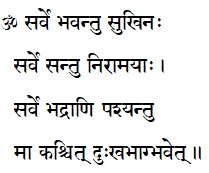

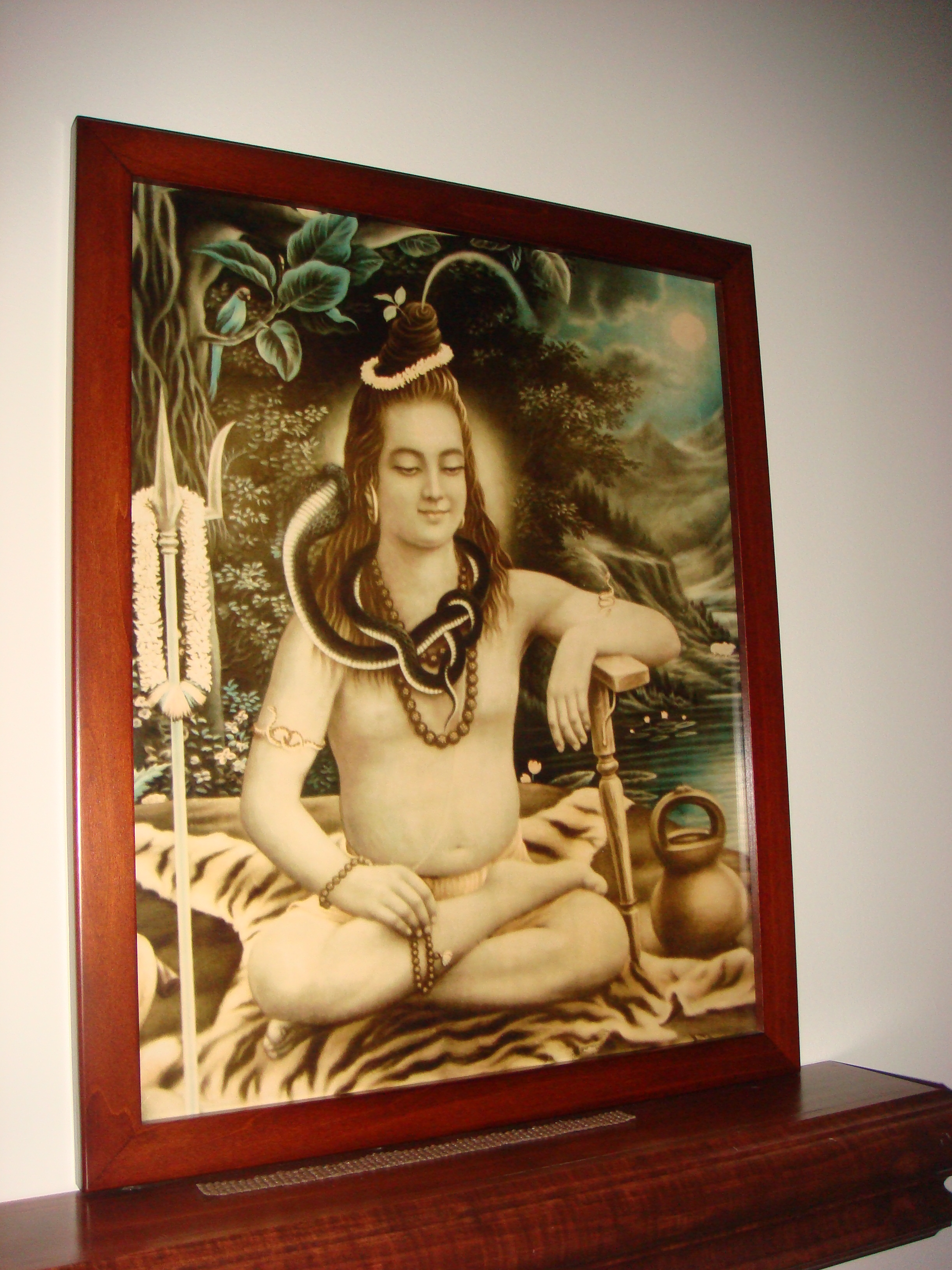

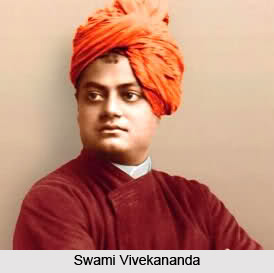

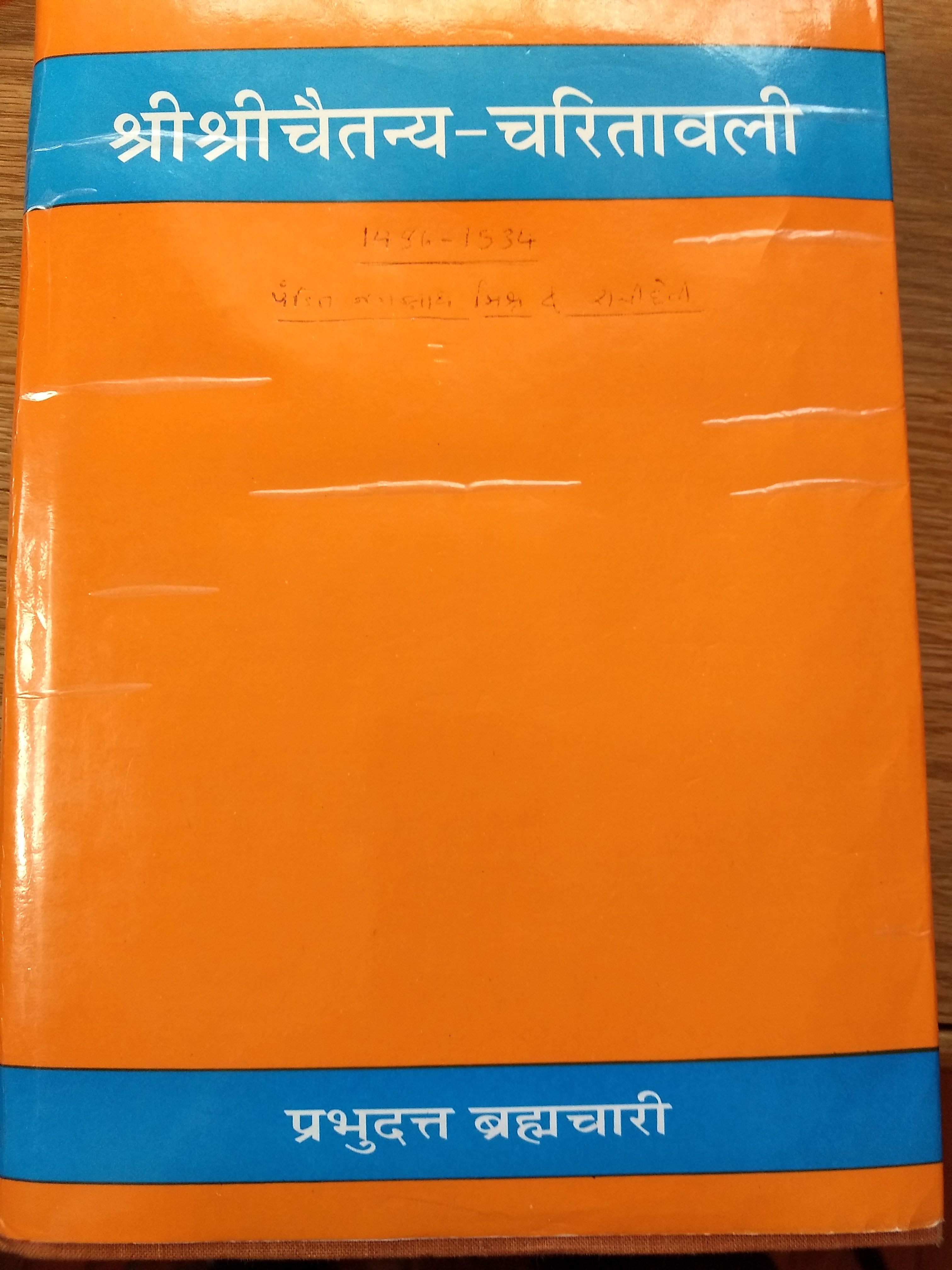
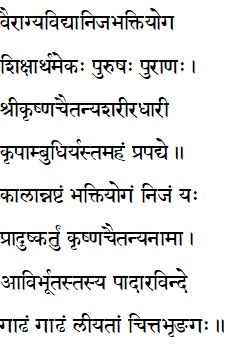
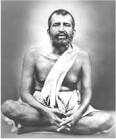
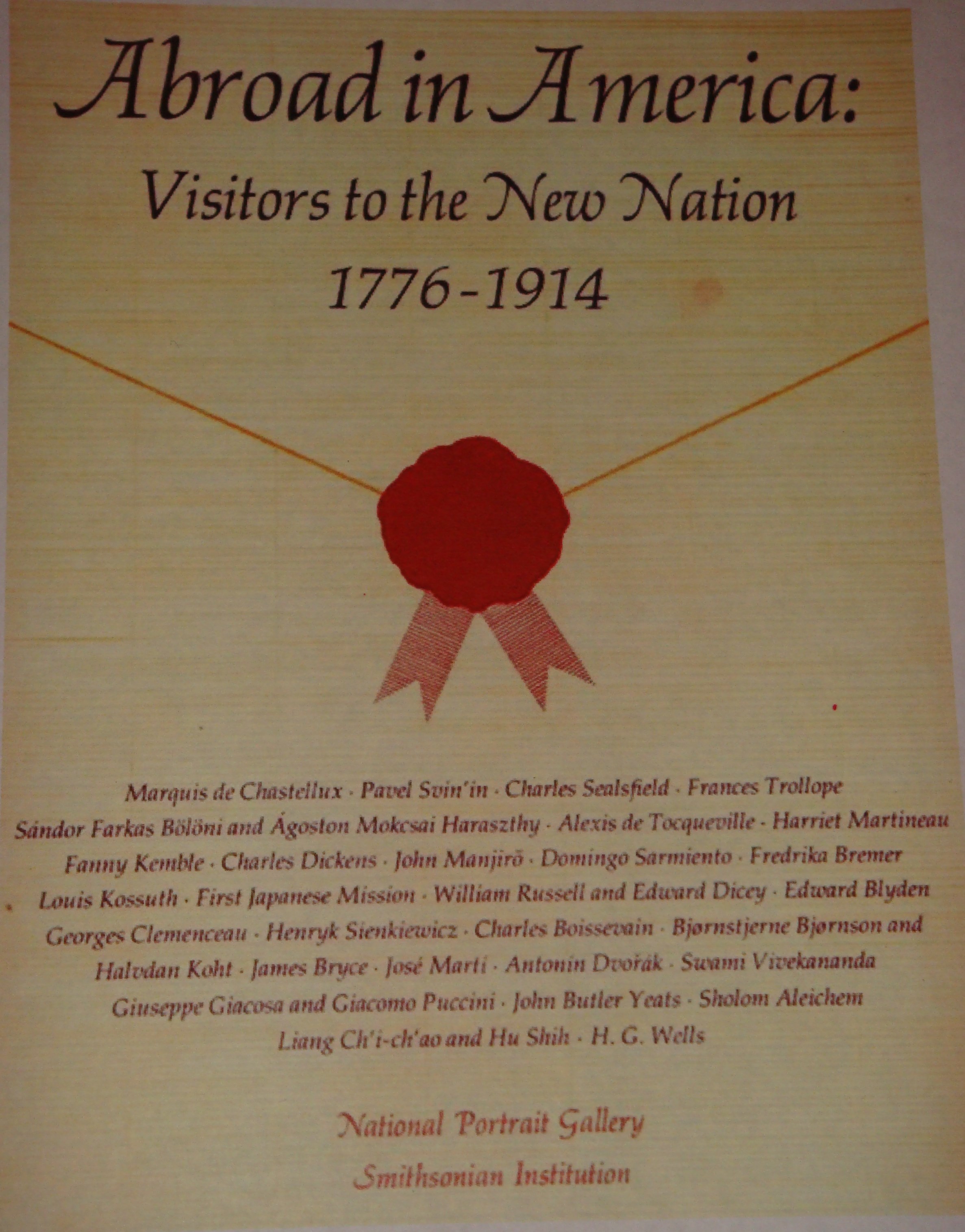


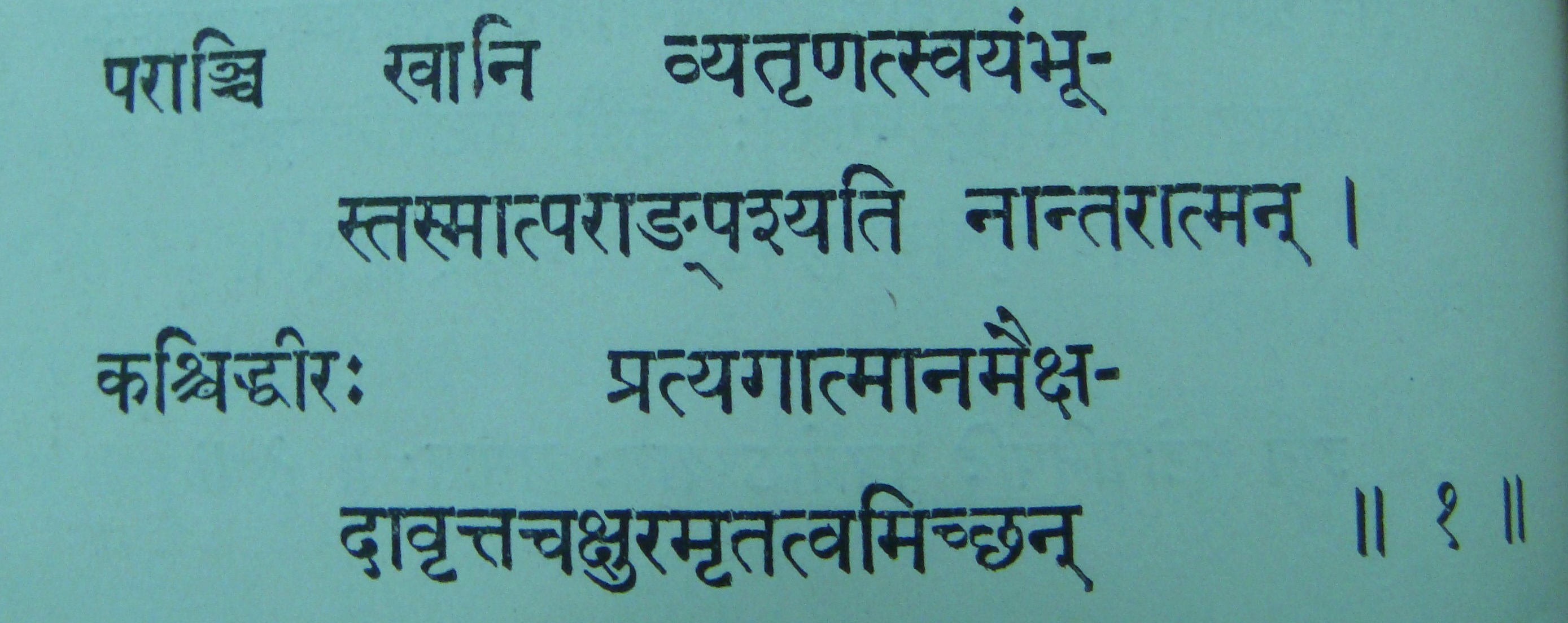


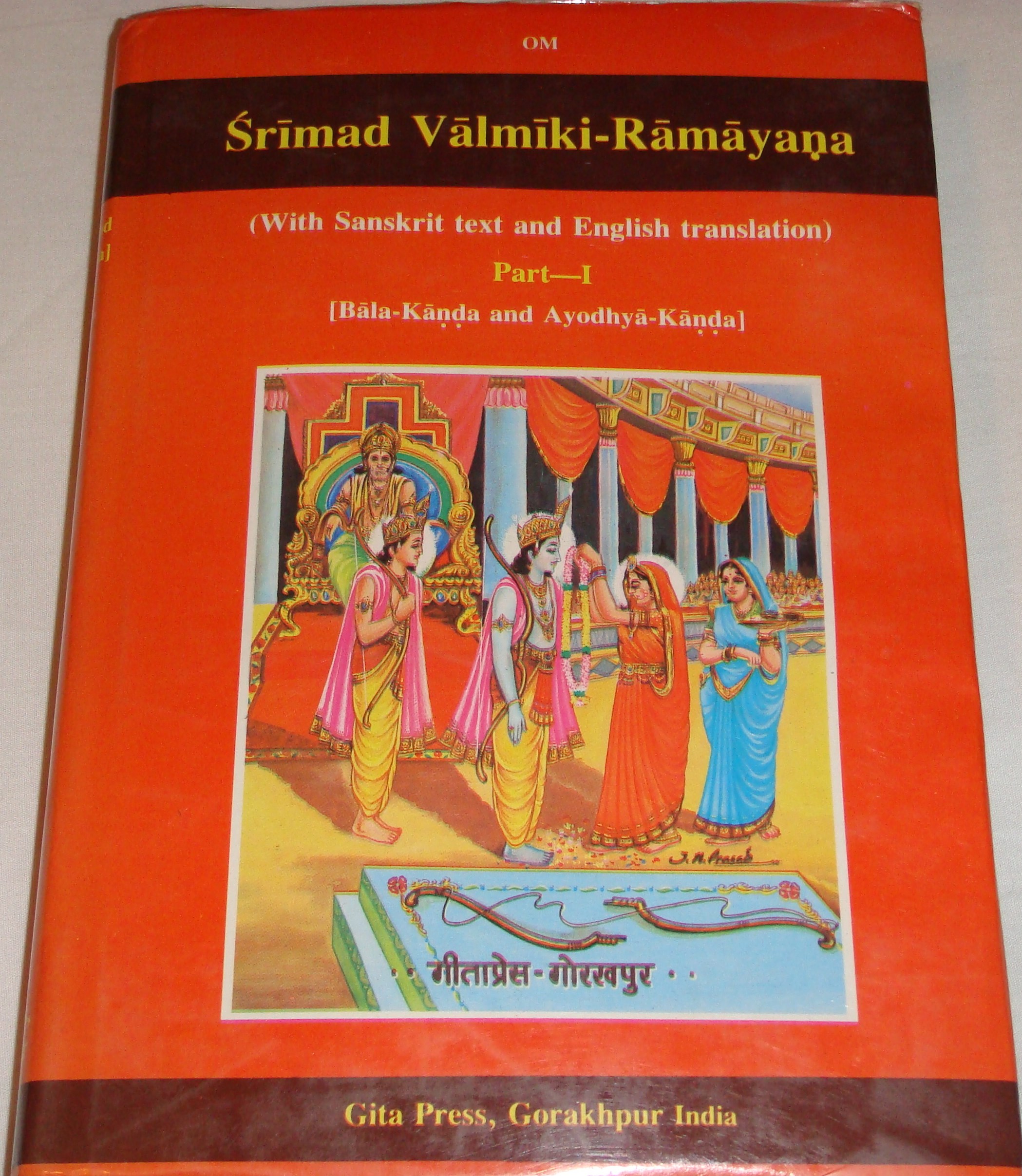
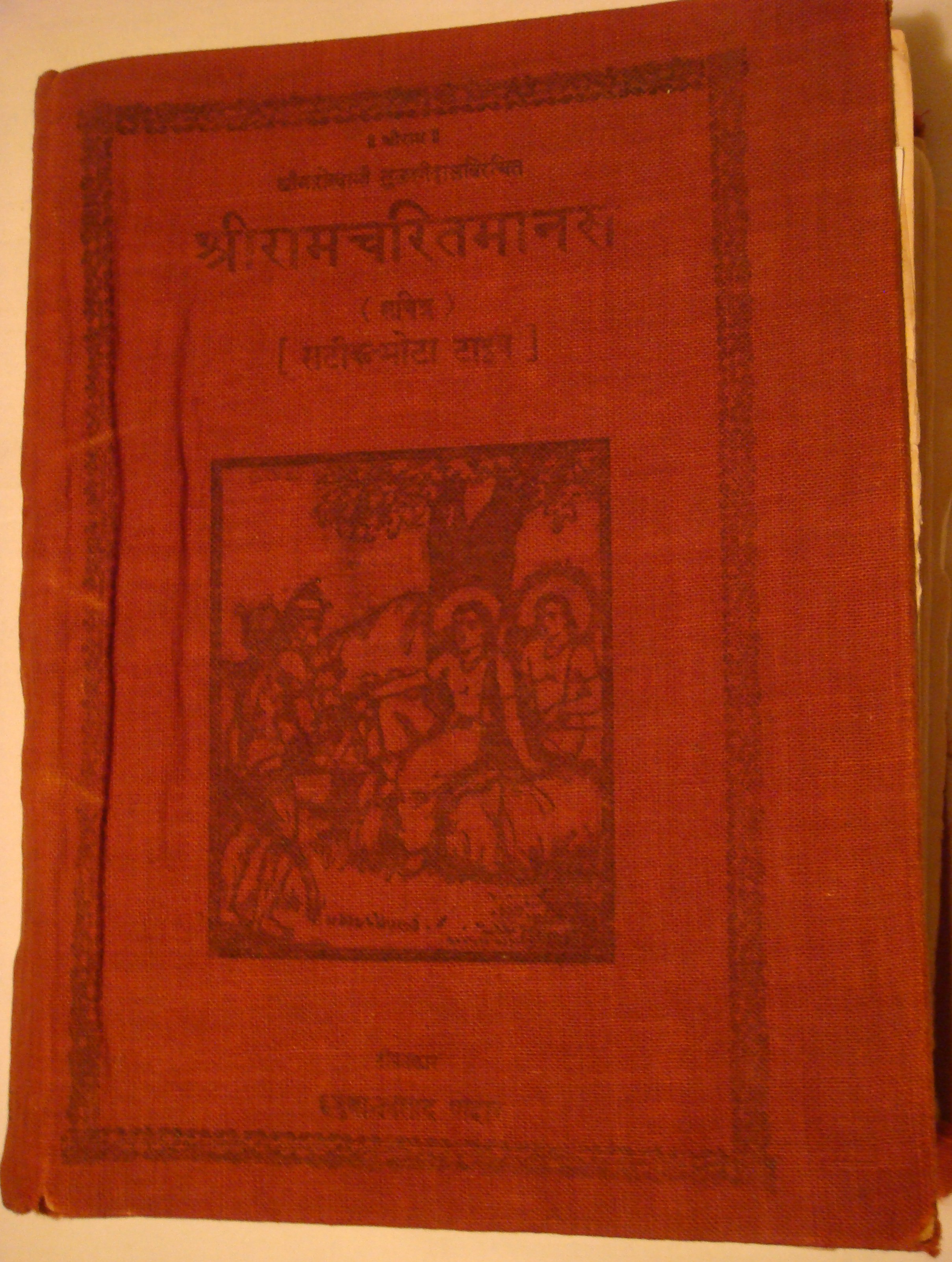
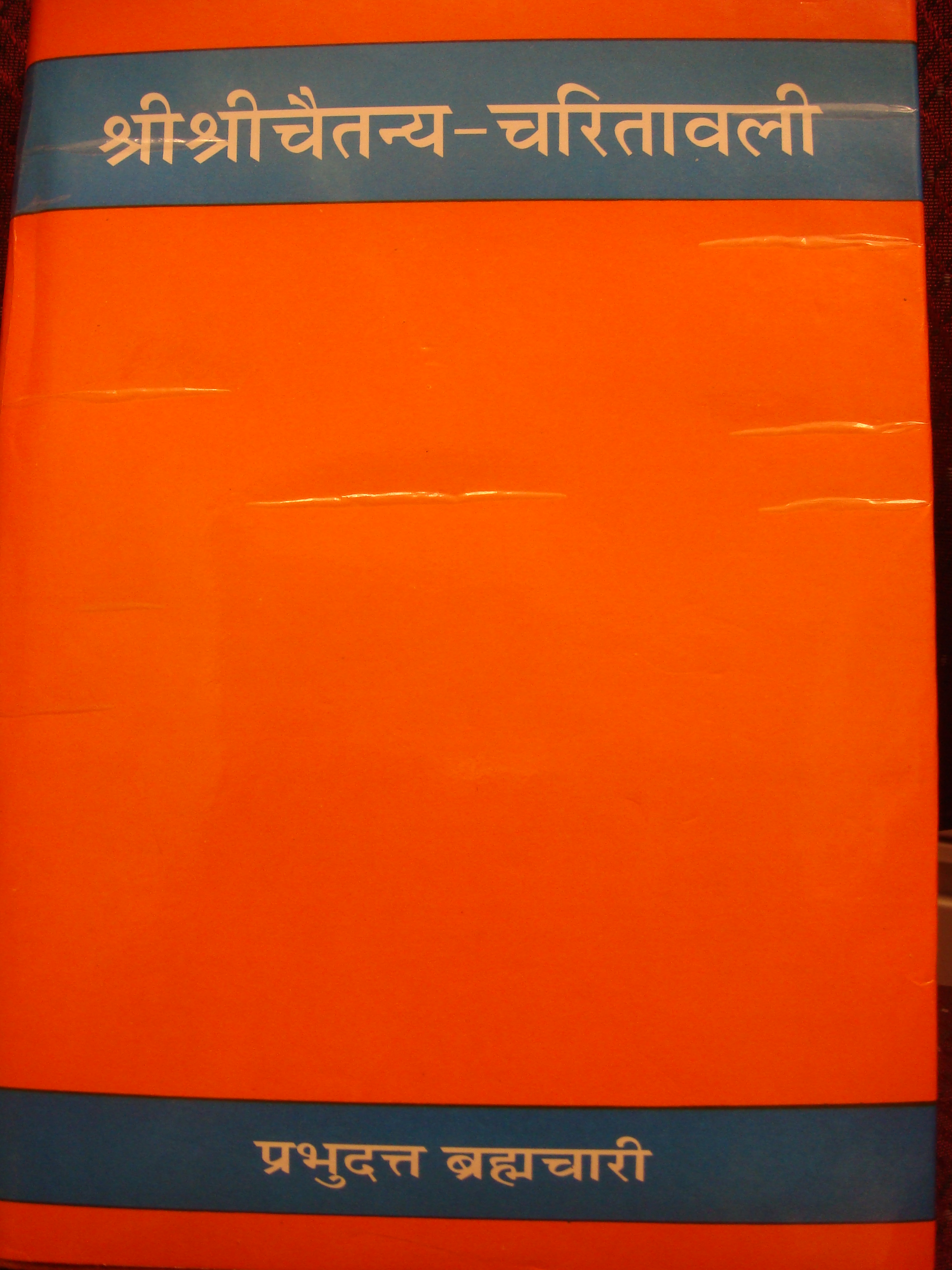

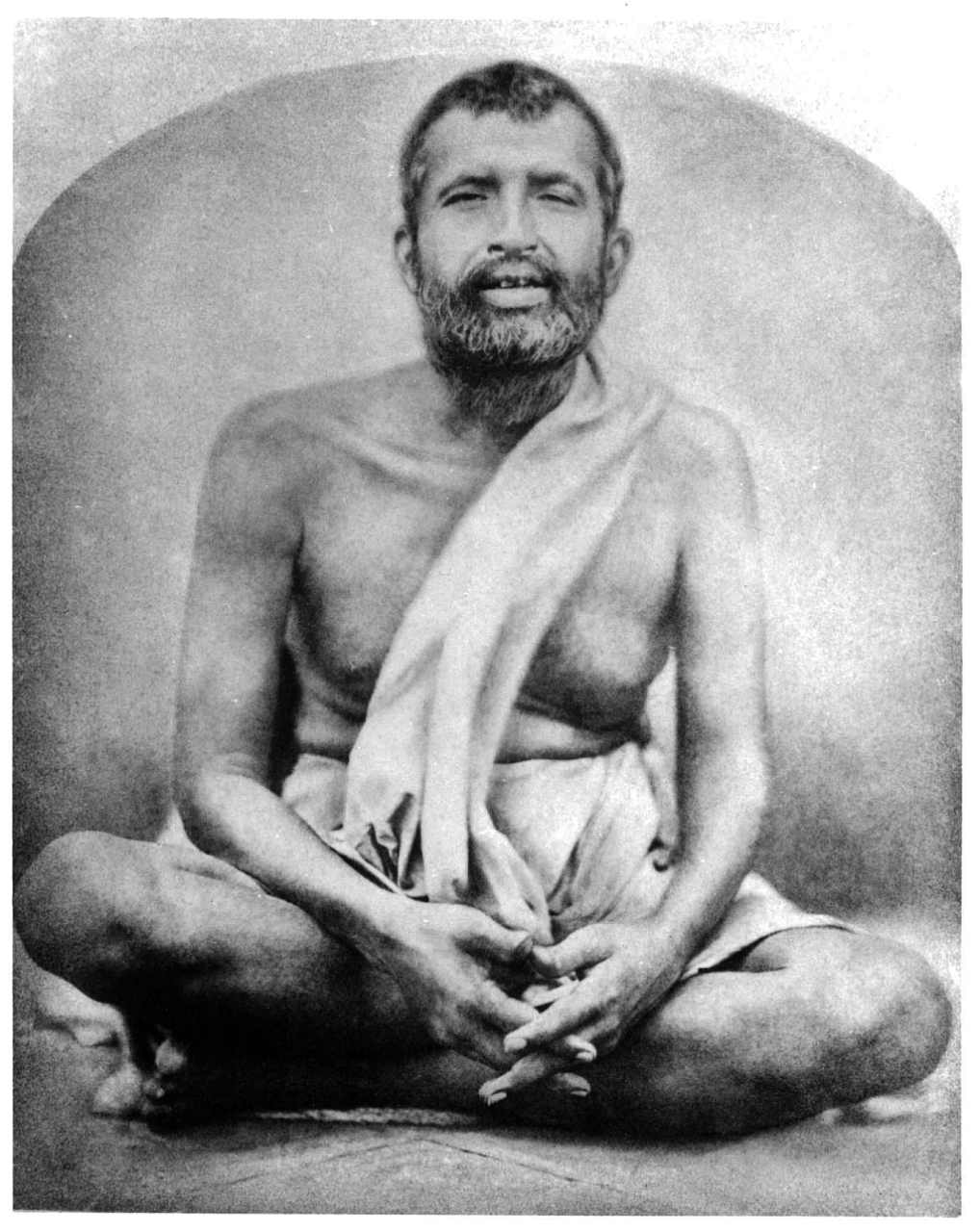





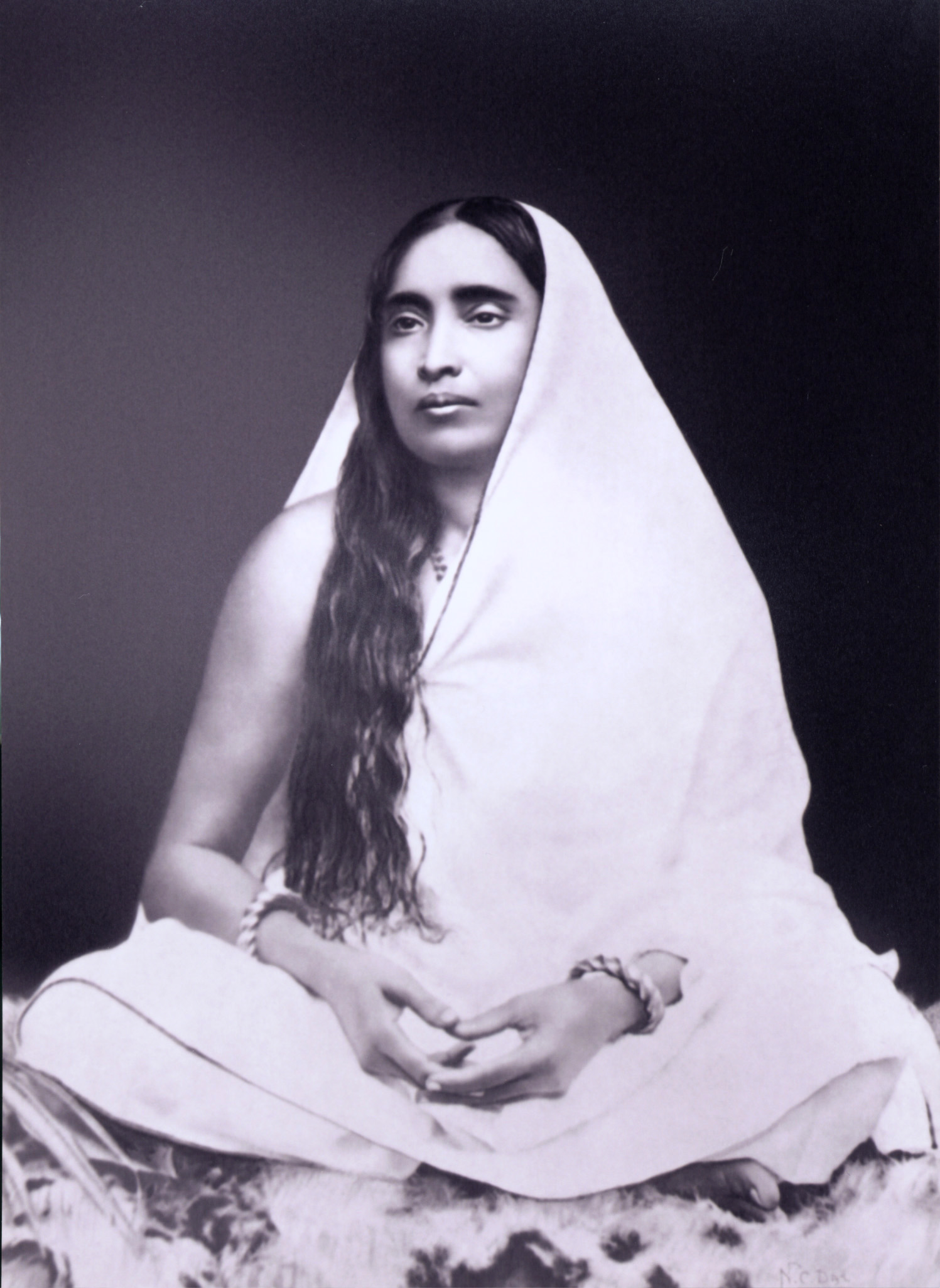

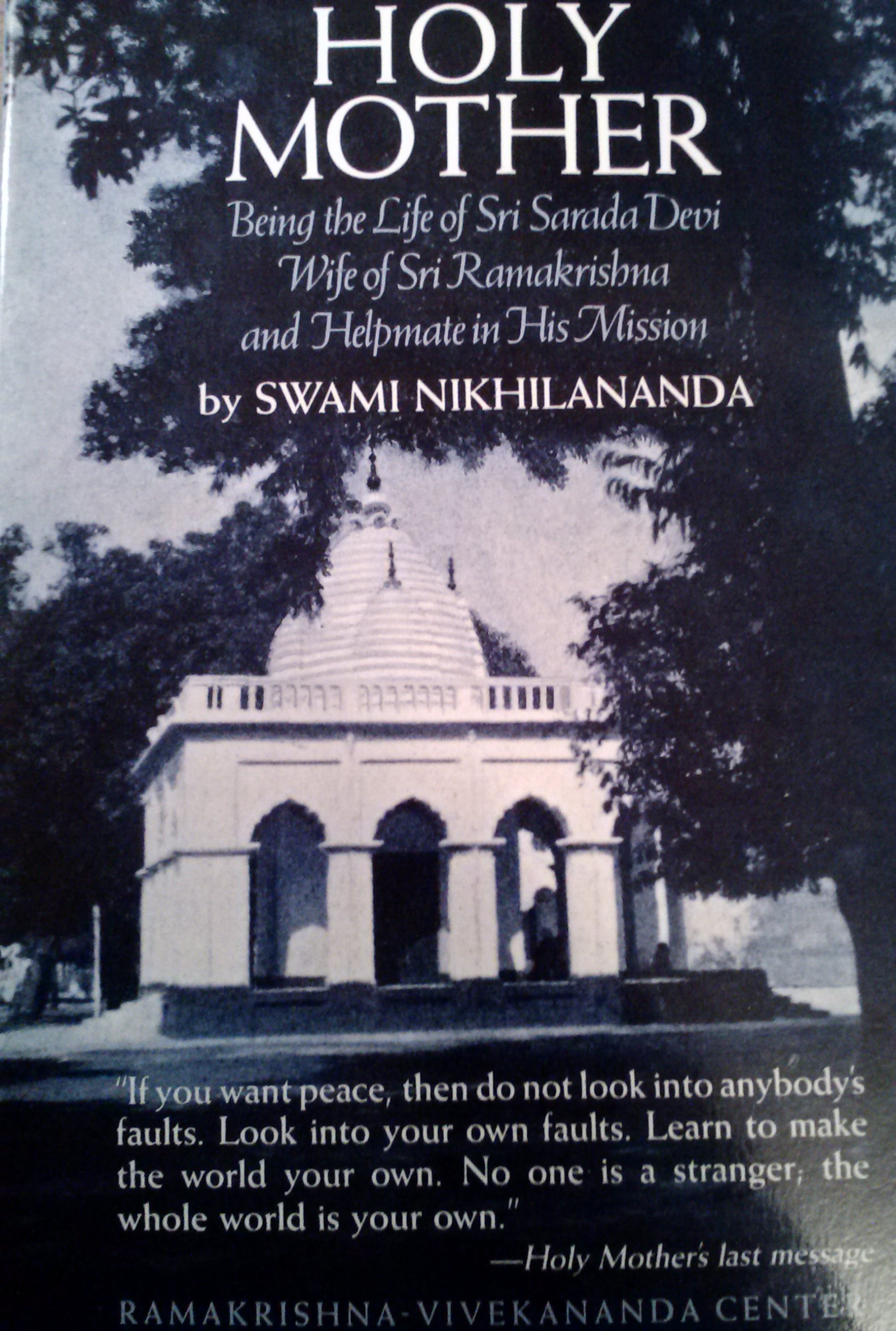
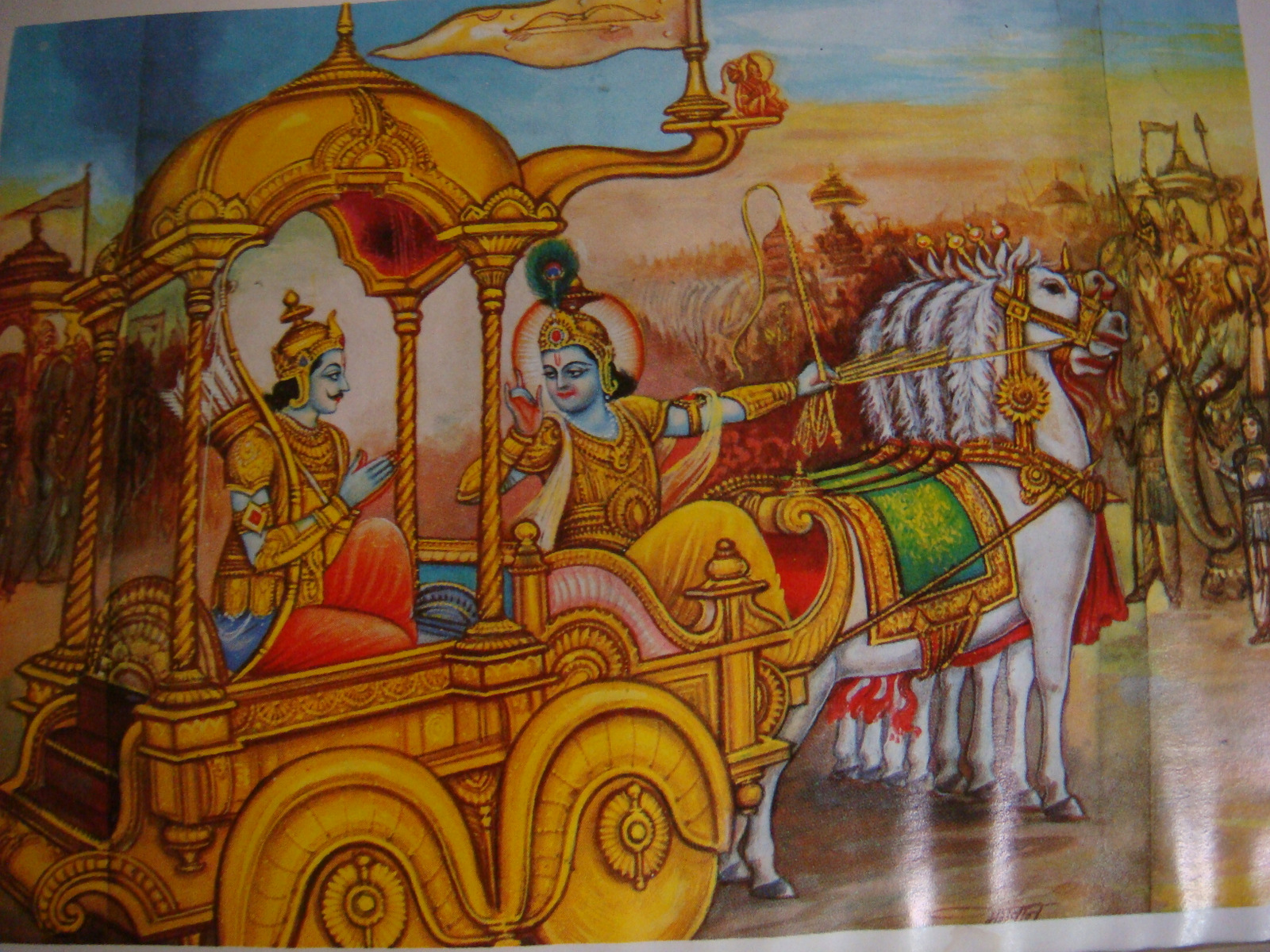
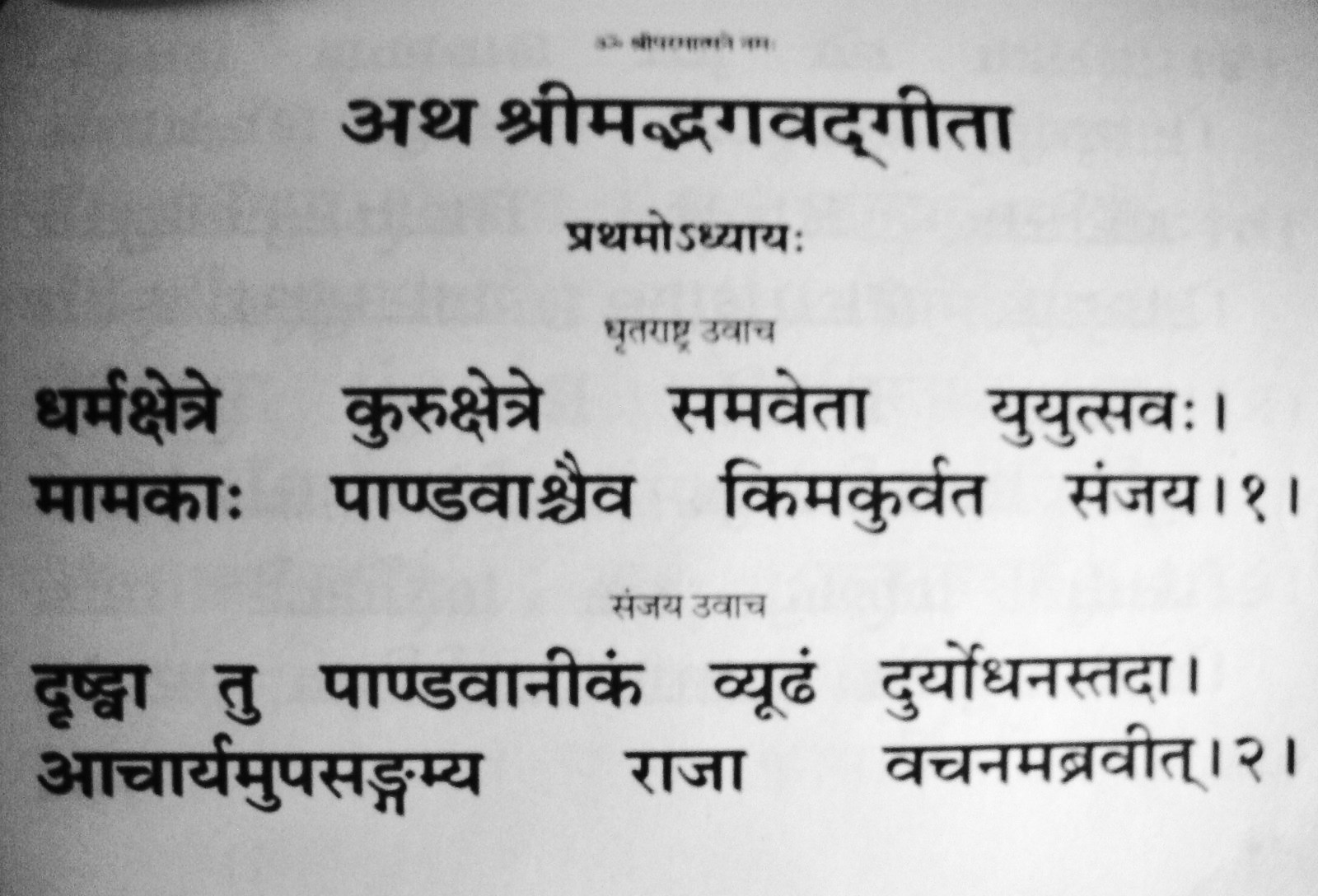




![rangoli-1[1]](https://mahendrajani.com/wp-content/uploads/2013/10/rangoli-111.jpg)


 mahendrajani